Cosmos:
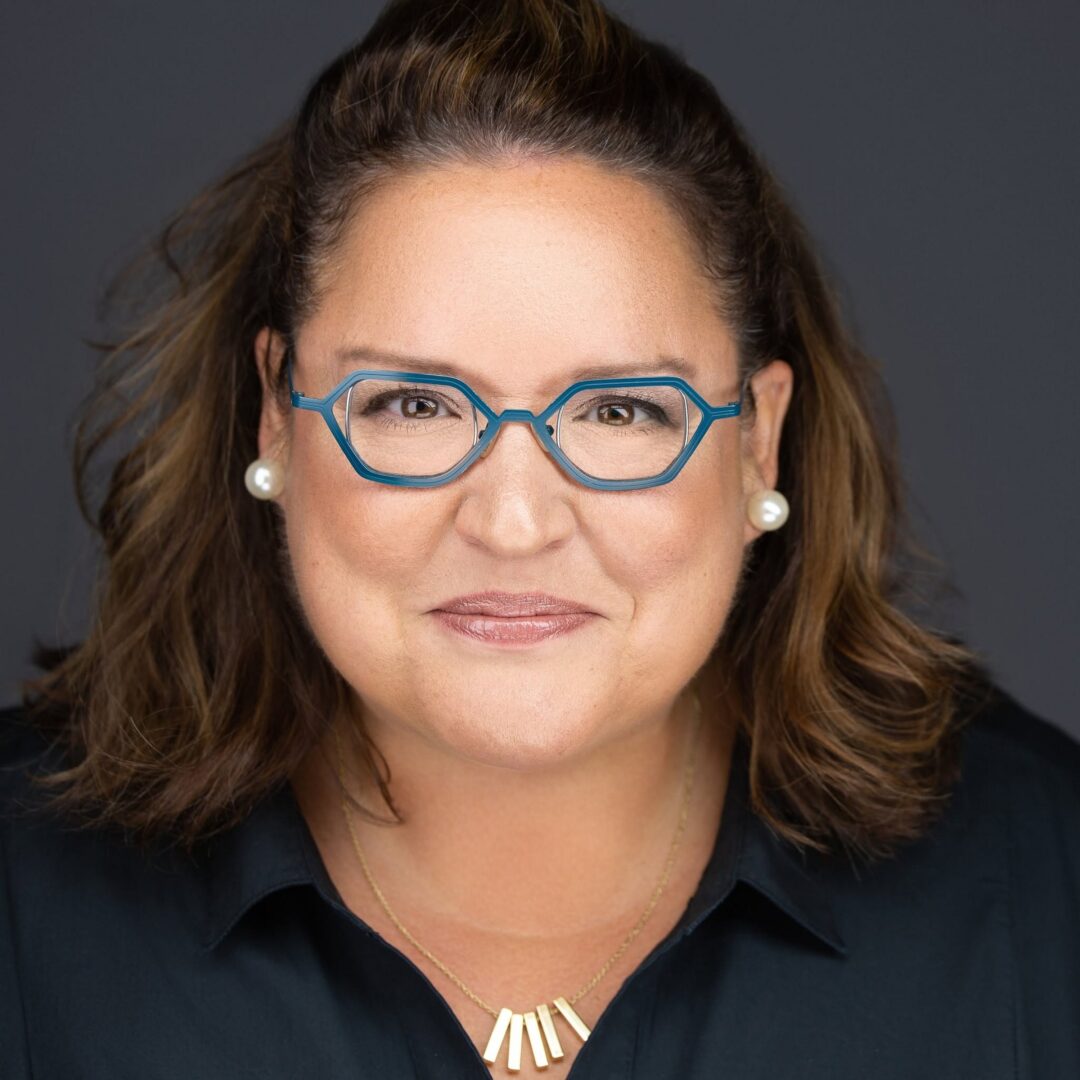
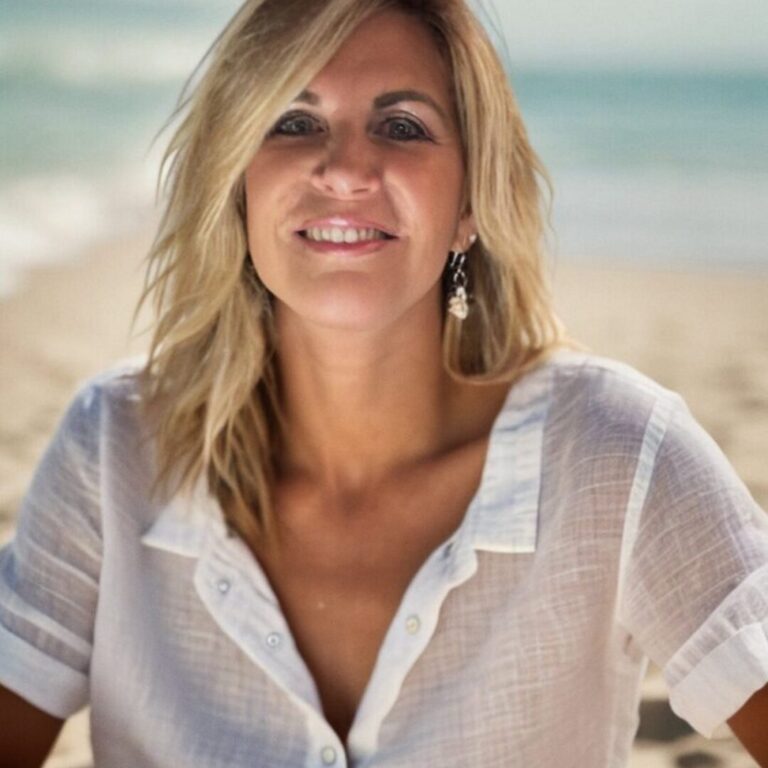
Welcome back to the show, my fellow extraordinary Americans. Today’s guest is Riana Milne. Riana was featured in Forbes, New York Weekly, US Times Disrupt, Influencer Daily, Women’s Journal, Forward magazine, and Wealth Insider. She was selected as one of the hundred most successful women around the world by the Global Trade Chamber.
She’s a certified life, love, trauma recovery, and mindset coach, an advanced certified clinical trauma professional, a number one best-selling author of her books Live and Love beyond you’d Dreams, the host of her podcast called Lessons in Life and Love, and a licensed mental health Counselor for over 26 years. Living in Palm Beach, Florida, she specializes in helping adults overcome both childhood and romantic relationship trauma, utilizing telemedicine for counseling in Florida and coaching globally to help singles and couples create the life they desire and achieve the love they deserve, and using her mindset for the Success system, which she has been teaching for over 40 years.
She’s an extraordinary American, and I’m glad and honored to have her on the show. Thank you so much for taking the time to be here. It’s truly an honor.
Riana:
Thank you so much for having me. You’re very sweet. Thank you so much.
Cosmos:
Could you tell me a little more about yourself, your background, and your story, as well as how you arrived at your current position?
Riana:
Sure. It really started when I was quite young. I lost my childhood friend, my best friend. Unfortunately, he was in a car accident and was killed by a drunk driver, and it made me question how much time I have to live and to make a difference, and how I can give back in Michael’s name. So I also wanted to go to a counselor to help process the grief and the loss. And my mother said, You will never go to the counselor. No one in the family will ever seek counseling.
So I said, ‘Then I will grow up to become one who helps kids like me who need help.’ That is when I decided to become a counselor. I did go back to school. I earned a BA in speech communications from Penn State, got married, and had a couple of daughters. I opened my first business as a model and talent agent and had my own school training center in both Erie, Pennsylvania, and New York. Ten years later, I decided to sell that and return to school to pursue my master’s degree in counseling. So, I did end up opening Therapy by the Sea in 2000, and I’m now approaching my 26th year in business. However, in 2009 and 2010, the coaching model had just been introduced, and I loved it. It was educational and inspirational. It really tapped into the mindset work that I was doing in my 20s for my models, actors, singers, and dancers.
I also adopted a coaching model and began writing my book, “Live and Love Beyond Your Dreams.” That would be part of my curriculum. So after I was certified as a coach, I also went deeper into psychology and became a CCTP certified Clinical Trauma Professional, Advanced level, and combined psychology and coaching to help people with childhood trauma and love relationship trauma. That’s how it all began. Yeah. And I continue to do it today. I love it.
Cosmos:
No, that’s amazing.
I wanted to know what motivated you to reach your level of success, because there must have been a driving force or something that kept pushing you forward, as you have obviously achieved a great deal throughout your career.
Riana:
Thank you. Thank you. Well, the first one was Michael. And I also became a licensed drug and alcohol addiction counselor because of his accident. Right. So, I gave back to find some purpose and meaning in that loss. And at Penn State, my roommate and best friend was murdered by her boyfriend.
So at that point, I promised Corinne and took her soul into my soul and said, I will help people in domestic violence-type relationships. Throughout my career, they were my motivators. And I took my pain and put it into my passion and my purpose. And then I countered myself. A toxic love relationship, my marriage, I mean, I got two beautiful girls out of it. But he ended up stealing $200,000 from my mother.
So it was not an easy journey for me. The model and talent agency did really well. Within six months, I won the International Model and Talent Association’s School of the Year award. Within six months, I received the Educational Excellence Award. So I love that work. I trained people from the ages of 5 to 83 in commercial and fashion modeling. Commercials, billboards, brochures, you name it. You see somebody somewhere, they’re paid to do that talent work. So that’s what I was teaching them to do.
So I love that business. And that was really teaching a lot about mindset, as well as the success of small-town folks from Erie, Pennsylvania, making it in the big markets of LA, New York, Miami, and internationally. And they had to get out of that small city. My mindset is, ‘I’m just from Erie, how can I make it in LA?’ Well, they learned to. And that’s when I began studying the mindset. Since I couldn’t go to a counselor, I started reading books on mindset for success, such as those by Tony Robbins, Deepak Chopra, the Dalai Lama, and Marianne Williamson, as well as The Course in Miracles and philosophy books, reading one after another to help me heal. And in turn, I was able to teach mindset work in my early 20s and help others reach their goals and dreams. Now, in coaching, I help people create the life they desire and have the love they deserve.
But we have to start with healing their past childhood or love relationship trauma and then teaching them the skills that they need to find and attract emotionally healthy love. This principle also applies in business. So many people, really, from their original childhood trauma, are afraid to take that leap of faith and open up their own business. Well, they have all these doubts, what if I don’t make it? What if I’m not good enough? These doubts are from your childhood messaging. So, we have to heal all that and get them going, doing the step-by-step goal setting to reach their goals and dreams, so they can excel as they want to.
Cosmos:
From your perspective, what do you think are the top three mindset aspects that the audience needs to know to be successful in their lives?
Riana:
There’s a lot to consider regarding mindset. I’ve just written my new ebook, ‘The Mindset for Success,’ which I will give away as a gift at the end of this podcast. So I just came out this week, so I’m very excited about it. However, there’s a lot to learn, and if you’d like, I’ll teach a lesson on that, just as I do with my clients. The Yin-Yang symbol from Buddhism is a white circle with a black dot and a black circle with a white dot. It’s a circle, right?
And it means many different things, masculine and feminine energy, and so forth. However, I teach this concept by emphasizing that we are always striving to live in the light, which is on the right side, and the dark side is situated on the left. Okay, so what is in the light? Joy, peace, happiness, working in the zone, loving what you do, helping in the world, and somehow having amazing love and great friends. You know, just everything that makes you feel good and happy. And a little black dot in that paisley reminds us we are in the Earth School. As taught in Buddhism, this is where we’re supposed to learn many lessons to become better, more evolved individuals.
So we are supposed to be challenged. So the little black dot represents challenges that are supposed to come. However, because we’re full of light and happiness, we take on these challenges and view them in a whole different way, using what I call the mindset for success. Now, on the dark side, this is where most people live. Research shows that 8 out of 10 people have 8 out of 10 fear-based, negative thoughts. Okay, that’s not good.
So this is where anxiety and depression live—and feeling not good enough and not measuring up. It’s anger, resentment, jealousy, addiction, murder, and rape. Anything ugly and dark is there. The victim mentality is on the dark side. The little white dot reminds us that at any time we can choose to go through and enter into the light. Okay, for those of you who have a pen and paper, if you make a T on your paper and on the right side, put ‘living in the light.’ And on the left side, you put living in the dark side. And this will reveal the mindset behind the differences.
So when we live in the light, we are proactive. We take action. When a challenge arises again, we know they will. It’s okay. So we always say, What can I do? We start working on the process or the plan.
So we’re proactive, but if you’re on the dark side, you’re reactive. Oh, why me? Why does this always happen to me? You get angry, you get upset, you can’t think straight, and you explode. Okay, those are the differences there. Going down and living in the light. We make conscious choices about what we do say, how we act, what we write, and what we text. We always think, is this good for the good of all, myself and others, before we do anything. On the dark side, they live unconsciously. They just act out. They don’t think, they just act out. Getting back to the right side, we are educated with mindset tools that they’re not thinking about it. They don’t use these things. They simply live unconsciously every day.
On the right side, we have positive love-based thoughts. We’re trusting, we’re loving, we’re trying to create a difference in the world. You know, we’re living that positive type of life on the dark side. There’s negative fear-based thinking going on all the time, and it’s very destructive for your life, and keeps people in stress, anxiety, and depression.
So we have to get rid of that. On the right side, we ask, What can I do? We seek answers when we’re challenged. And here’s an example. During the COVID-19 pandemic in America, we were told in Florida that we had to stay home for 30 days and hope everything would just go away. And most people are like, ‘I have to get to work.’ How am I going to get the kids? And kids are home from school, and how am I going to do all this? Everyone was in a state of panic.
My first thought is, ‘Wow, I have 30 days to do something extra because I have all this free time on my hands.’ I have two books on my to-do list. So, I wrote two books: Anxiety-Free Living and Loving, and Happiness Beyond Your Dreams. I wrote them in 30 days.
So, what can I do with this extra time? That’s how our mind goes right to that. On the dark side, it’s an ‘I can’t do it’ mentality. I want to start a business, but I’m unsure whether I can do it or if it would be a good fit for me. These are kinds of negative, destructive thoughts that never give you a chance to succeed in the light. We have hope, spiritual faith, and trust in the dark side. That’s where anxiety and depression live. And usually, it’s a very low spiritual presence within you. The last one is on the right side. We say yes to ourselves and to opportunities more than we say no. Most people on the dark side feel stuck. They say no to opportunities. They don’t move forward, and they just feel stuck and unhappy in life. That’s the difference between living in the dark and living in the light.
Cosmos:
Well, I wanted to continue with this, right? So, you know, a lot of people, they go, they have the dark side, negative mentality, right? So it’s like somebody’s listening to this, and they have the victim mentality, and they want to get out of it.
But then the inner chatter in their minds always pulls them back towards it. What would be the techniques and tactics that they should use to get out of that and to get to the light side gradually?
Riana:
Right. First of all, this is a coaching method that I employ. I’m also a counselor, but I don’t have the opportunity to delve into counseling as much as I would like, as I have a 150-page workbook and work with individuals for four to six months to help them change their mindset, which is a form of personal transformation. We examine the entire life area. How are you feeling about your friends? Do you have a good love relationship? How is your relationship with money? Do you have a retirement plan or savings? Are you in debt? Let’s help you get out of debt. We examine the entire life cycle wheel. It’s like, what do you want to change? What do you want to do differently? And we define that, of course. We begin in the very beginning. What were your childhood traumas? What did you grow up with?
And if you’d like, I’ll go into that in a minute because 100% of us have some of the top 10 traumas, so a lot of people say, well, I didn’t have traumas, I had a few bumps in the road. But no, it’s true. We all have some of those traumas.
So we have to heal that and see how they’re showing up in your life. And most of it’s showing up very unconsciously. We must make it consciously aware and then initiate the healing process there. Because you can’t change what you don’t know or understand. Once you understand it and know it, we can change it. So, we start with that, and over the next four to six months, we change those negative beliefs about yourself, the fear-based thinking, and anything that’s not serving you, including behavioral patterns and habits that sabotage your success.
But all trauma recovery work says it takes usually six good solid months practicing the mindset tools and the trauma recovery tools and eliminating the bad stuff, 30 days to make a good habit, 30 days to break a bad one. And then you have to practice them so that your new conscious awareness in life is ongoing 24/7. This is just who you are now. And it’s funny, at the end of our six months, people look back and say, I can’t even believe I was that person because the transformation is so profound.
So, we work very closely with a VIP client who has text access to me and email access to me, which I can’t do in counseling. It’s against the counselor’s code of ethics. So, you know, coaching is a much better, freer model, and it’s highly educational. We work as a team to help you achieve the goals and dreams you want for your life.
Cosmos:
No, this is amazing, and it’s so necessary in today’s world. However, continuing in this manner is intended to foster a deeper understanding. The subconscious and the unconscious often dictate our lives, whether we want to acknowledge it or not.
So, my question is: How can one transition from an unconscious, fear-based, or negative mindset to a fully conscious awareness to reach their goals and dreams?
Riana:
It is an ongoing practice with me, and I use what we call bibliotherapy. So, the notebook is a set of worksheets that they fill out, and do they give it to me with their answers? I know what they need to learn back. So it’s a constant back and forth. And this is why I say we work as a team in coaching, which is not the case in counseling at all.
So it is highly educational. A lot of practice once you’re feeling better about yourself and your life is more together. Part B is now receiving the attention it deserves. If you’re single, who do you want to date, and why haven’t you been successful in dating before, especially if you’ve been online for two or three years? Why you really need to know the art and psychology of dating successfully. There are many skills that people often overlook when it comes to achieving successful dating. And then, if they’re a couple, I still do Part A for each individual, Partner A and Partner B. And then we do the relationship work. Second, because they have to know how they’re triggering each other and why they’re in this toxic cycle of a relationship, and they can’t seem to get out of it.
So once they know what’s triggering them and upsetting them and breaking all these bad habits, practicing that with their partner and practicing that with me, now we go on to the part where there’s open discussion and working on the relationship together, and we rebuild the trust, the safety, the friendship piece of the relationship.
And we really do make it better than ever. It’s truly a wonderful process to witness. However, it does take four to six months to work with someone in a couple’s setting. I got three entities, right? Partner A, Partner B, and the relationship. Therefore, it is a six-month program specifically designed for couples.
Cosmos:
So basically, in your entire career, right, you’ve been doing this for more than two decades now. What are the greatest revelations or lessons you learned regarding everything in life, business, and relationships?
Riana:
Gosh, there’s so much, you know, I’m always reading and doing more research. So, really uncovering the childhood traumas in 2011 was the most profound. And I then created the Childhood Trauma Checklist. Now, where did the top 10 checklists come from?
At that time, as a counselor, I was studying to become a coach. But as a counselor, I had private practice therapy by the sea. I worked in schools as a student assistance counselor, helping emotionally upset kids. And I did every grade level from kindergarten all the way up to college. I worked at a college student counseling center.
So, I was a psychiatric counselor at every level. I was even a school psychologist at a high school level. I worked in a mental health ward at a children’s hospital, serving patients aged 5 through 19. I worked in a drug and alcohol facility, one for teenagers and another for women from the prison system.
By all these jobs, remember I told you someone stole 200,000 from my mother. I worked at least five jobs to pay her back, though it took me most of my adult life and all these jobs to continue to pay her because my husband shouldn’t have ripped her off. My life was not easy, but I worked hard, and my determined mindset kept me going. What can I do? I can do this, I can do that.
So it was really the life that I lived that’s going into all my lessons to teach others. Right. Some people say, ‘Oh, you had this cushy life.’ And it’s like, no, I really didn’t. It wasn’t easy. And I raised two daughters who are also very successful.
So, once you learn it, you can teach your kids that mindset as well. And the childhood trauma patterns stop throughout time, which is wonderful. But the childhood trauma checklist, I can go through now because it’s pretty quick. But it makes my client in front of me say, Oh, yeah, I did have that. That did happen to me. And then we can put the puzzle pieces together. So would you like to know what the top 10 are?
Cosmos:
Yeah, sure.
Riana:
Okay. And a lot of my hosts will write down on paper which ones they’ve had. It’s like, ‘ Oh, okay. ‘ So they kind of do this little test along with me. If you’re at home and unable to have a pencil and paper, go ahead and write this down. Okay. So first of all, I wanted to say the research shows childhood trauma goes through at least three generations. So, if you recognize it within yourself, your parents have it, and so did your grandparents.
So it’s important. Part of the healing process is understanding what your mom and dad went through and what your grandparents went through. This is all part of the healing process that we undergo. Okay. And it is your whole childhood experience. So, it’s both inside the home and outside the home when I mention these things.
So, number one, is there any addiction in the family now? Being a drug and alcohol counselor, there are other addictions I have always handled. So it’s drugs, alcohol, sex, meaning you knew your parent was a cheating partner on your other parent. Gambling, hoarding, spending, porn use, overeating, gaming, TV watching, social media, addiction. These are all addictions that can take precedence over time with your child. Number two is verbal messages. What did you hear when you were growing up, and what did you witness when your parents had an issue?
Was there a lot of yelling and screaming in the home when they were upset with each other, or could they discuss their issues calmly and respectfully? Did they yell at you a lot? Did you have verbal put-downs, like, Change your outfit, you look fat in that. Or no, I’m not sending you to college and wasting my money. You know, these are what we call verbal slurs or put-downs, or did you hear ‘I love you, I’m proud of you’? Great job, babe. These kinds of messages that build our self-esteem are number two.
Number three is emotional abuse or neglect. Have you ever received messages that they weren’t home for you? Number four is any physical abuse, rape, or molestation against a child inside or outside of the home. Number five is around abandonment.
So there are two types. There are fault and no-fault abandonment. So, no-fault abandonment is an example of this. Like a parent who died early, or they were deployed for war and had to leave the family home for a period of time, or they even had a job that took them away, but this is how they supported their family.
So, they thought they were doing a good thing by taking on this work and bringing the money home to their family. The fault abandonment is never knowing your child or seeing them. You were with a child until the couple broke up, and then you saw your child only briefly. Or it could even be someone present in the home, but they never attend your school or sports events. They’re not emotionally loving; they’re not really involved with the family. They’re just kind of there. Okay.
Number six is if you were part of the foster care system, adopted, or you had to live in another family’s home, even if it’s a grandma or an aunt, you were separated from your family for some reason.
Number seven is personal trauma. Most people can relate to this one. Did you feel different in any way? Were you from a different culture? Were you the only African American in an all Caucasian school? Did you come out LGBTQ and in a society that did not accept that, or did your family not accept you? Were you a chubby child and teased for that, or were you skinny and gawky and called a nerd? That was one of mine.
So, where were you bullied in any way, or felt different, or not good enough? So that would be another one. Trauma 8 is around the sibling. Was your sibling born with a medical issue that commanded more of mom’s and dad’s time? Did your sibling bully you? Or more often, did your sibling become like the family hero, the golden child, so they were the star athlete, more handsome or beautiful, or the smarter child in school, and you never felt you could measure up?
Number nine has two, and there are more than 10 traumas. And I had to bring down trauma number 11 when I made the list because it just wasn’t that prevalent in 2011, 2012, and this was Community trauma. Now, it’s one of our top three. So, COVID-19, all over our world, is community trauma. Our floods, fires, hurricanes, community trauma impacting communities as a whole, our mass shootings, our school shootings. Right. Unfortunately, this issue has escalated significantly since I created this list.
So I put that tied with family trauma because obviously, this community trauma is impacting the core family as well. Also, under family trauma, did you grow up hearing messages about lack, we don’t have enough money, we’re living in a dangerous neighborhood, or one of your parents was incarcerated?
Something happened within the family that made you a scandalous one for some reason. Many things could have come up. And then number 10 is mental health issues, and mom or dad. The two that are most difficult, bipolar is manic depressive. You could have a shopping spree and love what you’re buying, and that’s a manic phase. Then two to three months after you’re depressed because you can’t pay the bill, that’s manic depressive bipolar. And then the hardest one, I believe, is borderline personality disorder. I describe this one as, when you’re good, you’re great, but when you’re bad, you’re horrid. And the child never knows what they’re going to get, which keeps the child in a high state of anxiety. And they would get upset, really upset, and yell and scream at something that most people would not even flinch at.
So it’s a very difficult personality for a child to grow up with in a parent. So those are the top 10.
Cosmos:
I know a couple of people who had people they knew who had borderline personality disorder, and that was pretty intense. They never want to meet people like that again.
Riana:
Yes. Yes. It’s a very difficult person to love. If that’s a partner, they really need to do intensive work because they had an extremely challenging childhood. That’s where it comes from. Right. So we have to give that compassion. And if we can get them into coaching, then there’s a chance that they can heal all of that.
Cosmos:
No, I appreciate you sharing this with the audience because I’m pretty sure that we all have at some point had some sort of trauma, but it’s so hidden in the deepest recesses of the unconscious mind that we don’t even know that it’s affecting us.
Riana:
Yeah. So now that you know these everyday things, like, yeah, I was bullied. And when I made the list, it even took me two weeks to realize, ‘Wait a minute, my dad did travel for work.’ He was an FBI-CIA guy, like James Bond, you know? And I remember asking as a kid, ‘Where’s Dad?’ And where’s Dad coming home? And my mom was, I don’t know where he is. I’m like, well, why not? You’re married to him. You know?
So we just looked at that as normal, but it’s not normal, right? As children, we tend to normalize what we grew up with because it helps us cope with it, but it remains in our subconscious. Right? And, so we. And then the message is that I was someone who grew up without hearing ‘I love you.’ And I was on the beach with nine of my friends, all baby boomers. I’m in my mid-to-late 60s. And none of them heard the words I love you.
We grew up in the Great Depression. So survival was love.
And there were nine of us. And I said, well, I can give you some insight on that. When I finally asked my mother, 24, I’m one of five kids. I was the fourth and pregnant with her first grandchild. I said, ‘Mom, why don’t you ever tell us kids that you love us?’ She says, ‘Well, you know that I did.’ I said, ‘Well, of course, we knew that you did a lot for us, but why didn’t you say the words?’ She goes, well, those aren’t words I ever heard. We grew up in the Great Depression. There was food on the table. That was love. So, all my cohorts had parents who grew up during the Great Depression, or they were immigrant parents coming over to try to give these kids a better life at the time. Many of them were separated from their families. Many came not knowing English. Life was hard. So survival was love. And then they just said, Oh, my God, that makes so much sense. But as kids were like, Oh, my parents don’t love me. They never tell me, you know, so these are the internalized messages we get when we understand our parents’ trauma as well. Then it helps heal what we’re going through, right? Gives us more compassion.
Cosmos:
No, totally.
And speaking of which. Right. The American identity is about the pursuit of happiness. So, from your perspective, how should Americans and people go about pursuing happiness?
Riana:
Yes, I mean, I keep saying that today our world is crazy, but during the COVID pandemic, it was even crazier. And during this, it was wild. There’s always this craziness in the outer world that we can’t really control. So, I just say, you can control your inner mind and what you do, individually and within your family, with your partner, and in your life to some degree. Right?
So, we take this macro world environment and bring it down to what will make you happy. What are your goals and dreams before you leave this world? How do you want to make a difference? I recently read a study that found people with a sense of purpose are the happiest individuals in the world. So that’s a good place to start with couples. My research has shown that the happiest couples tend to have a sense of spirituality, rather than adhering to a specific religion. It emphasizes the importance of believing in a higher power, and you hold yourself accountable for upholding those beliefs and values. Couples who are happiest and sustain their relationships over time tend to have a spiritual belief system.
So are you spiritual? Right. Because we’re all going to go through difficult times and tough times, even if we didn’t cause them. Like my tough time. I didn’t cause that, but it happened in my life. I chose that man to marry. Therefore, I felt responsible for making sure my mom was paid back, which was hard because, back then, $200,000 was a lot of money when you’re 24 years old with two babies, right?
So I kept saying, God’s got my back, God’s got me. And that helped me to keep moving forward and avoid the dark side of feeling sorry for myself. How can any single mom handle all this? Or the guilt of not repaying my mom. It’s like, Mom, I will pay you back. It’s just going to take me some time. And she saw the effort I kept putting in, and I was in. I even had a bankruptcy from that person at 26 years old. So I started my model and talent agency with the desire and the dream that I had. Couldn’t get a bank loan. That’s okay. And did creative marketing to grow a business. And that business did really well. And then I did another creative project with that. I opened a model and talent camp on a college campus for a week. Charged over a thousand dollars a kid. In a week, I made $14,000. It’s like, here you go, mom, you know? As a result, I became very knowledgeable in business and marketing because I was unable to secure many loans. So, what do we do to think outside of the box? That’s the mindset. Totally.
So this is how I grew businesses. I have never received a business loan, ever. And I always thought, what can I do that’s different from what everybody else is doing? Even when I had my counseling center in New Jersey, I had my home. I bought an acre, and I looked outside the kitchen window, and there were woods there. I’m like, that’s going to be my counseling center.
So I built a center with a two-car garage because I didn’t have a garage when I bought the house. And people would call. I had a lot of police officers come with their canine dogs, and they loved the privacy that nobody else would see them there. I didn’t even have a secretary. I always handled it all myself. I’m like, I can handle all that. I don’t need a secretary.
So they love the privacy. So I had other people coming in their pajamas. I’m like, that’s fine, just show up. You know, I had coffee and chocolates, and smooth jazz on the TV when they would walk in. I wanted to create a center that made them feel good, so they would be happy to attend their therapy sessions, you know. So what can you do differently? That is a question I often ask myself.
Cosmos:
The part you mentioned about spirituality is definitely relevant to my life. I believe that having a purpose, being spiritual, and engaging in spiritual practices, at least for me, has helped me overcome many adversities in life that most people would otherwise not have. And I’m sure it’s for other people as well.
Riana:
Yes, absolutely. It’s so important. And most of your top business successful people are spiritual people. One of the books I enjoyed reading many years ago is The Seven Spiritual Laws of Success. You probably read about one where spirituality plays a significant role. Even Napoleon Hill’s original book contained spiritual lessons.
And then they rewrote it and removed them. Well, we probably shouldn’t have spirituality in a business book. And then they put it back in. It’s like, yes, you should, because that’s such a big part of success. Because you’re going to go through hard times. You’re going to go through times when your project didn’t work out, or it’s not supposed to work out.
I was one of the first coaching apps on a phone. Similar to 2011, when apps were just emerging. I’m going to do one of those. And, you know, it just didn’t really work out for a business model. It’s as if everyone had just wanted free counseling, and it was kids. I’m done with that. You know, a few years later, I closed it. But it’s like, that’s okay. And we don’t call it failure in mindset. We call it feedback.
So, the feedback is that I’m happy I did it. Was cool. I had that app, but it didn’t really do much for me. Let me go on to the next project. So, you know, it’s okay that not everyone is going to work, but your mindset keeps you moving forward, as does faith. Right. And thinking outside of the box.
Cosmos:
Totally.
And, speaking of books, I know you wrote the two books, “Live Beyond Your Dreams” and “Love Beyond Your Dreams.” Could you tell me a little more about the target audience for that?
Riana:
Sure, yeah. The first one I wrote was ‘Live Beyond Your Dreams: From Fear and Doubt to Personal Power, Purpose, and Success.’ And that is all about the mindset for success that I’ve been teaching, teaching for over 40 years. The original book was called Watch Me: The Bold New Motivational Attitude for Personal Success. And I rewrote it into Live because I wanted it to be a sister book. So, when ‘Live Beyond Your Dreams’ was done, I wrote ‘Love Beyond Your Dreams’. Break free of toxic relationships to have the love you deserve.
So they’re meant to go together. Because Love, which is 400 pages and number one on Amazon, suggests that to have a great, emotionally healthy, evolved, and conscious relationship, you must be there first. Then, you will attract someone like you, because you would never settle for someone toxic. We don’t date based on chemistry. We date based on compatibility, friendship, and the best qualities that match our qualities, values, and goals for our future. Right.
And then, mindset is crucial. You must have a positive mindset and understand the mindset rules for success to have a successful relationship, so they go hand in hand. So those two books are part of my coaching curriculum. No one can buy the notebooks unless they’re coaching with me in vip. However, they can purchase Live and Love on all online platforms, including Amazon, as well as in Barnes & Noble bookstores. So, they are available for purchase, and you can also access the first 60 pages of each book for free on my website.
Cosmos:
That is amazing.
And I also know you have a podcast, Lessons in Life and Love. Can you tell me a little bit more about that as well?
Riana:
Yes, because I’ve been teaching lessons my whole life, right? I’ve been like a teacher, a coach, even when I was a model, talent agent, and school director. We offered over 40 courses to help talent succeed in the big world.
For instance, I had someone from Erie who loved dance and wanted to be a Rockette, you know, the big dancers on Broadway. And she became a Rockette. I had an auto mechanic who dreamed of being on television, and he was like the perfect Baywatch guy. And he says, ‘Oh, I would love to be on Baywatch.’ We got him on Baywatch, and he was an auto mechanic, right?
And eerie. So, I would take their dreams and goals and teach them the classes they need to be successful. Because education is key, knowledge is power. I can’t just say, ‘I want to be this’ and then go from working on a car’s battery to being on Baywatch. There are steps in between, which are the educational part. So I love doing that.
Cosmos:
I was wondering if you could tell me more about your podcast and other similar podcasts.
Riana:
Okay, so lessons in life and love are because I’ve been teaching these lessons for a long time. I currently have 126 shows available, and on my YouTube channel, I have over 50 audio and video recordings, including educational classes that I’ve hosted on Zoom over the years. So help yourself to those.
Cosmos:
That is definitely amazing. And Brianna, if someone from this audience wants to connect with you and learn more about you and your work, including everything you do, and if they’re interested in coaching, how they can proceed.
Riana:
Regarding this, the best course of action is to start on my website. It’s my name, so it’s easy to remember. It’s right over my shoulder, right there. It’s RianaMilne.com, and when you visit now, there’s a pop-up for the new eBook, ‘Mindset for Success.’
So it’s free for a very limited time. So get that for yourself. Once you log in, there’s another eBook at the top of the homepage that explores how childhood trauma affects you in life, love, and business. So, get that one under ‘Books’ live and Love the sample chapters. Numerous excellent free resources are available. The Childhood Trauma Checklist and three other tests are located under the “Quizzes” section.
So, you’ll want to do that. And then, if you’d like to meet with me one-on-one, I offer a two-hour discovery session. This involves reviewing the four tests, and then we will get to the bottom of what has been happening with you and create a roadmap for your personal transformation. And then, if you’re interested in working with me, you can ask what that would look like next. And that’s on a super special right now. It’s under $100 to meet with me for two hours, which is incredible. So, hurry up and take advantage of that because that might not be around much longer.
Cosmos:
That is amazing. Riana. And Riana. I’m grateful that you took the time to join this podcast and share your expertise on mindset for success, as well as the impact of trauma on our lives. This is particularly relevant in our society, and we need to know more about it. And I’m glad that you did so. And I hope that you take the time to come back at a later time.
Riana:
Sure, I would love to. Absolutely. Thank you for having me.
Cosmos:
And I want to conclude this episode by letting my fellow extraordinary Americans know that there’s an extraordinary person within every one of us. It’s our duty to awaken it and unleash it. Until next time, bye for now.
 Amazon Music
 Apple Podcasts
 Audible
 CastBox
 Castro
 Google Podcasts
 iHeartRadio
 Listen Notes
 Overcast
 Player.fm
 PocketCasts
 Spotify
 Stitcher
 TuneIn