Cosmos:
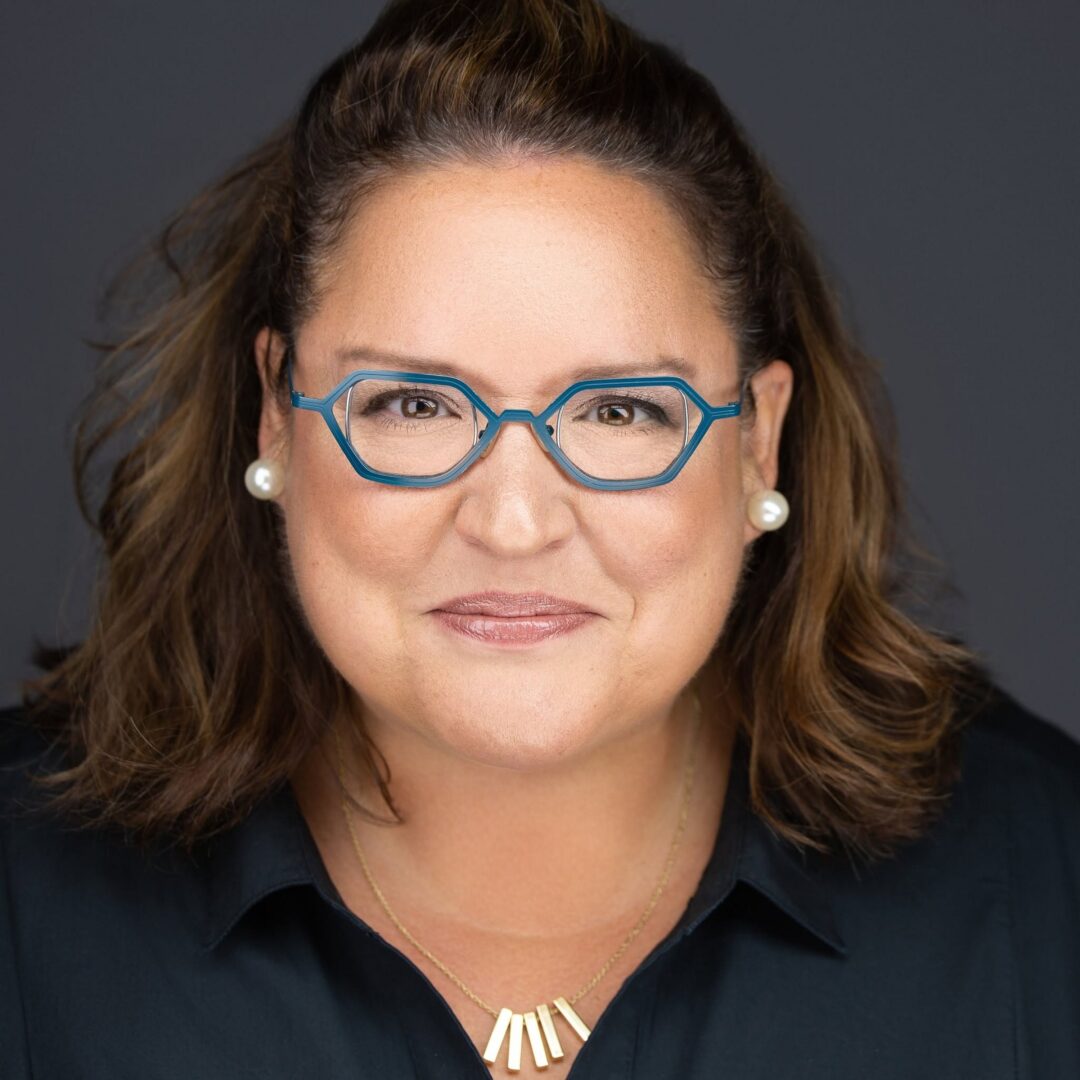
Welcome back to the show, my fellow extraordinary Americans. Our guest today is Kimberly Spencer.
Kimberly is an award-winning, high-performance, trauma-informed coach, TEDx speaker, the founder of Crown Yourself, and CEO of Communication Queens. She’s also the number one best-selling author of Make Every Podcast.
Want to know how to become so radically interesting you’ll barely keep from interviewing yourself, which is named one of the top books of 2024 to change your life by Forever Media in New York City’s Times Square. From her entrepreneurial beginnings on the streets of suburbia, selling bags of glitter water at 5 to her neighbors, to becoming an award-winning screenwriter, certified pilot instructor, Miss Congeniality, and having a successful exit as president of a national e-commerce company, Kimberly is proof that it’s better to make your own mold than to conform to someone else’s. With two-time award-nominated top podcasts for her businesses, Crown Yourself and Communication Queen, Kimberly is elevating the conversation for visionary leaders so their voices are heard and leveraging strategy plus spirituality, A warrior for humankind’s infinite possibilities, and an unsinkable optimist.
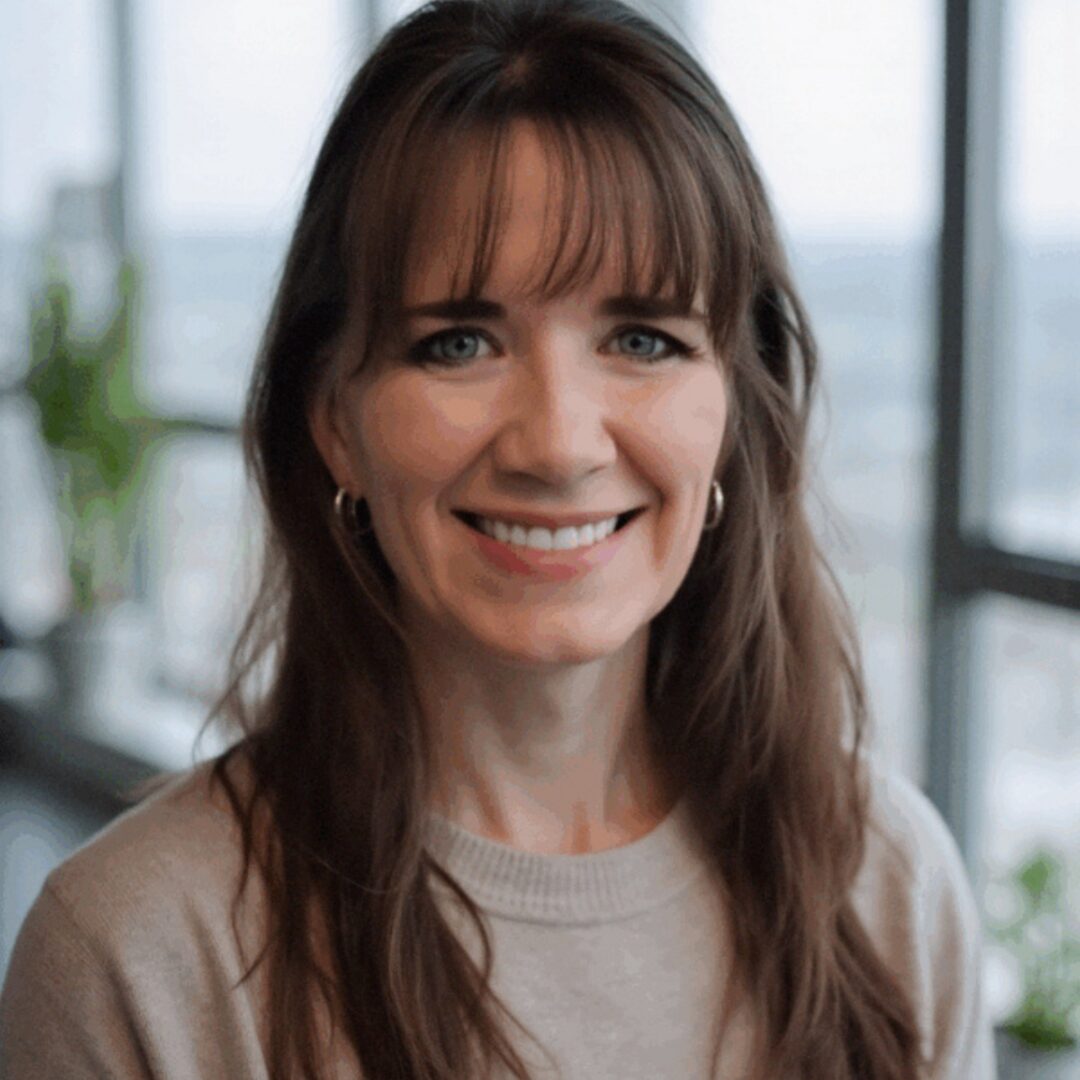
This moment three is on a quest to revolutionize mindsets from fear to fate so that you can stand in your own power. Her work has been featured on Netflix, The CW, ESPN, Chicken Soup for the Soul, NPR, Thrive Global, CNBC, and Forbes. She’s an extraordinary American, and I’m glad and honored to have her on the show. Kim, thank you so much for taking the time to be here.
Kimberly Spencer:
Of course, Cosmos. Thank you so much for having me. There’s something about when you get your bio read on a podcast, oh dang, who’s that? That’s me. I did all that.
Cosmos:
No, totally.
So, Kim, can you tell the audience a little bit more about yourself, your background, and your story?
Kimberly Spencer:
Well, I am blessed to have been raised by entrepreneurial parents. So I am a second-generation entrepreneur. My parents started a tree business in LA. They were very successful, and I got to watch my parents build a million-dollar annual company. But within 30 years, while my dad was a high-functioning addict, and that story, I looked at what they did, and I said, well, if they did that with all of that baggage, what could I do if I didn’t have that problem?
The great thing that I got to learn from my parents was the art of the hustle, the balance of doing it as a mom. I mean, my mom left her job in graphic design to support me as a Stay-at-home mom and to support my dad in his growing business. And then she eventually came on as one of the first female arborists.
As a certified arborist, I got to see this entrepreneurial spirit play out. I got to see what it was going from, oh, we can’t afford that, to, oh, I can go to private school, and, oh, I can go to having nice things, and that. That was a transfer of energy, I think. It’s truly extraordinary when you get to that second generation, because statistically, most generational wealth. And we’re about to see a huge generational wealth shift as the baby boomers pass on. My dad passed on in 2021.
Cosmos:
Sorry to hear that.
Kimberly Spencer:
With that inheritance experience, most generational wealth is lost: 70% by the second generation and 90% by the third. And it’s because the skill sets required to build that wealth were not imparted to the children. It was just passed on as dollars and cents, not in the financial sense, but in the mindset. And so, having seen that growth, the skill set it takes to build a business, and being supported in my entrepreneurial endeavors from a very early age, set the foundation for me to try things, be okay with failing, and test. I think it’s very interesting. I have conversations with other entrepreneurs as a coach, and I’ve worked with leaders for nine years.
And those who are entrepreneurs do not raise. You can see a very big difference in how they think about money and risk compared to my parents and me, and in how I was raised, and in that entrepreneurial foundation. Because risk is something that we can become very comfortable with. And it just depends on what you perceive to be risk. I mean, there’s a belief that an entrepreneur being entrepreneurial and starting their own business and having their own thing is risky, because of the perception of the way we’ve been programmed from going from a traditional education through college to a job that’s supposed to be stable. But I can tell you, Cosmos, in the past year, I have had more clients come on to work with me as their coach because they got laid off, left out of, were disappointed with the leadership of corporate, and the massive amounts of layoffs that are happening just in the past year alone have got people inspired to. I think I may need to start my own Thing, because I can’t trust that this job that I’ve had for years is actually going to be the thing.
The old paradigm of the baby boomers, that you get a job and you stay in that job for 40 years, is done. The average entrepreneur, well, average millennial, changes careers every 10, 10 years. I am a testament to that because I’ve done that a few times. My first business was at 19. My first official business, aside from selling bags of m. Glitter water. My first official business was as a freelance Pilates instructor. I built my business into a private Pilates studio. I then had the opportunity to come on board as the president of an e-commerce company that was selling a back-stretching device at the same time. I was a screenwriter.
So I had this multifaceted, entrepreneurial experience because I started out pursuing entrepreneurship in show business, in pursuing screenwriting. I knew I needed a job to separate, to support myself while I was doing that. And I needed a job where I could set my own hours so I could meet with producers, have all the lunches, do the Hollywood thing.
And so I found Pilates, but Pilates allowed me to freelance. I then turned freelancing into a studio business because my dad said, well, Kim, the amount of money that you’re making for someone else, you can work half the time and get paid the full amount instead of giving 70% to the studio. And I was, oh, well, that just makes sense. So I left it and did that, and then my first film got produced and distributed on Netflix, starring Danny Trejo. It’s called Bro. I co-wrote that with the director, Nick Peratta. And I was there at the premiere, and I was, I was only 90% fulfilled. And I was, okay, well, that didn’t fully fulfill me. I thought it would. I thought that was my dream. Okay, next.
And that ability to pivot, I truly believe, is a mindset that comes with entrepreneurship and being okay and audacious enough to claim what you want and to say okay. What I thought would fulfill me didn’t. That wasn’t exactly what I wanted. How do I course correct? And what I realized from that screenwriting experience was that I was the director. As a screenwriter, you’re more of an architect, and you create the. The ecosystem for the. For the film to play out.
But then you have the actors, and you have the producers, and you have the directors, and you have everybody else’s input in the staging of that film. And I realized I wanted more control, I wanted more agency as to how the blueprint would turn out. And so I pivoted and went into full entrepreneurship. Became president of an e-commerce company, got bought out within two years after taking the product to market. And we took it to market and got it into all the major magazines. It was a really powerful experience in understanding what a partnership is.
And initially it. It really messed with my mindset initially because I didn’t see the buyout as a success. I saw it as I had lost my company. And from that I then. But from that, I actually started my coaching company, Crown Yourself, where I saw the need for holistic success. Because in that business where I was misaligned, I was burning myself out. I was constantly cranky at my then-fiancé, now husband. He still chose to marry me, thank God. But, I was, I. I was waking up at 3:00 am in night sweats, being paranoid about a customer service email. And I was, okay, this is not right. I’m not in the right role. Or it’s either not the right business.
And so it allowed me to see the subconscious structure that needs to be built for a business. So I’m so grateful for that experience. And now I can say I’ve had a successful exit from a company. And then that led me to create Crowd Yourself, which also led me to create Communication Queens down the road.
Cosmos:
Wow, there are so many things I have to ask you. I don’t even know where to begin. But basically, one of the things I want to know for the sake of the audience is: how did you, as of, have three children, right?
But you’re also all these different businesses simultaneously. How are you handling all of this? This must be really high-pressure stuff. Do you have a strategy for running your business while maintaining your family life?
Kimberly Spencer:
Trello. I have a Trello dashboard for each of my kids’ projects. I have, I leverage. Trello is the project management dashboard for all of my businesses, but it’s also for my family. I run my family with my husband and my mom, who moved with us to Texas. And, after my dad passed, we all, especially, ran it as a business. And we’ve all been entrepreneurs forever. So, we talk about it; we have family financial board meetings weekly. We have meetings about this, kids’ school curriculum, because we chose to do something different and not put them in traditional school, and chose to do online school. Because our kids already exhibit those natural entrepreneurial tendencies.
And so I want them to have the value of having English, STEM programs, and math, learning the traditional education they need to know, but not necessarily do. They need to be in a classroom for seven hours a day, even though the average time a kid actually spends learning, according to recent studies, is seven minutes per hour. And so I was, well, that doesn’t seem time-efficient.
And as entrepreneurs, one of the things we’re constantly looking for is ways to make things more efficient. And especially as a Virgo, that’s just me. I’m looking at how we can make our schedule more efficient, better use our time, and maximize it. And I’m, well if, if that’s an A system that A, I don’t think my kids would thrive in, B, I know that we travel and that’s one of the best educations that you can have about culture and learning about diversity and learning about how people do different things and being able to, to understand the world and understand how to communicate.
I think there are skill sets that need to be developed that go beyond the classroom. The skill set of believing in yourself, the skill set of building something that you have pride in, the skill set of communication, and the skill set of influence. So my 8-year-old is going to start a podcast this year as one of his school projects, and he wants to interview astronauts and rocket scientists.
And I’m great, let’s make those connections. Let’s get it, and it doesn’t have to be an ongoing podcast. It can be a nice, quick, fun eight-episode series. But it’s a project he gets to take pride in. I get to work with him. he was so excited when my husband, who’s a voice actor and a real estate investor, did a nice fix there. he took him to one of those comic cons, and my son is there, he’s running the booth, and he’s basically helping manage the sales. He’s interacting with customers and my husband’s fans, taking their payments via Square, and learning to communicate, which is a skill set. And all of these are valuable skill sets for later in life. No matter what career he chooses, whether he chooses to be a rocket scientist at NASA or SpaceX, or he chooses just to become Elon Musk.
Cosmos:
No, it’s incredible. Yeah, you have Trello, and it actually helps organize everything. And yeah, organization is so important because you actually save so much time. And if you’re efficient with time, you can do so many things. And I would want my audience to take home the point that you have to be organized to be successful.
But one of the major points I wanted to talk about, Kim, is generational wealth. Because our traditional education is not meant to create wealth, it’s just meant to create employees.
And we live in a world where the job market is very different; it’s not reliable anymore, it’s not the 1950s and 1960s, where you could spend your entire life in a job. So, from your perspective, how do we go about creating generational wealth in today’s world, and where do we go for such an education?
Kimberly Spencer:
So, first of all, I’m not a financial advisor, but I’ll share my story about what we’ve done that’s really worked for us.
So one is really first having the asset of your business and treating it as an asset. Most people treat a business, even if it’s a side hustle. So, it’s a nice-to-have. And then the fun thing is, initially, when you start a business, and I did this too, and my parents did this too, was, oh, we get all these deductions, and suddenly now we have a business, so that we can have all these deductions.
However, your business is for-profit. And when you can show profit, there are a lot of really fun things you can do, like having a solo 401(k) that you can contribute a heap ton more to than you can to a Roth IRA. What we’ve done for our kids is that my son is now 8 years old and is working for the company. So this year, we are establishing his Roth IRA, a tax-advantaged account for contributions. It grows tax-free at I, believe it’s 75, 7,000 or 75, I think it’s 7,000, $7,000 a year that grows tax-free, and that the power in that is what he will be able to inherit, not just in money, but in the freedom to be able to choose a career. He wants to be able to leverage some of that money for building his businesses.
So he won’t have to go to a bank for a loan, whatever the loan percentages are going to be in 20 years from now. Same with EST. What we did when all of our kids were born, because we have three, we did just this past year, we established all high cash value life insurance policies for them to start building their generational wealth so that eventually down the road they can take a loan against their policies and instead of going to a bank so they can take a loan for, I think it’s 1 to 3%. So super-low, low, low rates for a high-cash-value life insurance policy. They can take the cash value and the loan. That out of that policy, fund it for their business, fund it for their first home, fund it for their first real estate investment property, and then they can pay their own policy back. That. When I learned about that strategy, it was one of the ones John D. Rockefeller used.
Cosmos:
I used it. I went to a mastermind just last month about that exact strategy. whole life insurance, cash value dividend. Have you read “Becoming Your Own Banker” by Nelson Nash?
Kimberly Spencer:
I haven’t, but I’ve heard that book many, many times. I’ve heard of that book. And also, what the Rockefellers would do is a big one. But being able to look at the strategies the ultra wealthy created and all the tax codes and all that, they were passed by the rich and for the rich, and instead of hating on the rich, why don’t we just look at what they did and then model that?
Cosmos:
Yeah, no, for sure. There are all these strategies that they’ve never taught us. And we have to do that for sure.
Kimberly Spencer:
Yeah. And definitely, you have to do your due diligence on the policies and who you choose to go with. I mean, we needed to get my kids covered because some of them have special superpowers, so we called them at home.
And so I wanted to make sure that, before anything manifests down the road, or if anything does, they are covered under the life insurance policy they don’t have; they won’t be rejected down the road if something, God forbid, ever manifests. And I think that’s something really powerful for a parent to understand. When you are thinking long-term, maintaining that mindset is hard.
And I get it because when you are living paycheck to paycheck, it is hard. And when I started my company, Crown Yourself, I was $40,000 in debt. My husband was $60,000 in debt, and a total of $100,000 in debt. We made some bad real estate investments that paid off in education, I would say, but they were financially challenging at the time. And those, those financial challenges of being in that much debt and feeling you’re living paycheck to paycheck, it can feel crushing, and it can feel, how can I, how can I give to generational wealth and build my, my financial legacy when I’m in this space. I’m telling you, no matter where you are, even if it’s a dollar a day or even if it’s a dollar a week, just start where you’re at. And what I did was start modeling Mike Malkowitz’s Profit First, which is one of the top books I recommend to my clients. One of my clients increased his profit by 300%. I increased our profit for Crown Yourself by 300% in 2020. We increased our profit again 150% in 2021. 2022 and 2023 were challenging years for us as we were navigating two businesses, two babies, and a move.
So profit did not grow that much. We actually operated at a loss. But I’m really grateful for those experiences because they taught me to look at the system and to honor it. And when you follow the system Mike Mount Wood sets out in Profit First, it’s genius because it’s based on percentages.
So a lot of people think, “Oh, well, I’ll just donate $50 a month to my Roth, my IRA, or my 401(k), whatever it is.” But $50, sometimes when you’re living paycheck to paycheck, or you have another, you have a kid that you have to support, or some unexpected expense comes up, that $50 is, oh, crap, I don’t have that, that. But what you can have is a percentage allocated to profit.
And so I took the profit-first model for my business, saw its success, and applied it to our personal income as well. So the profit-first mentality is: you take profit first. So instead of personal, we apply it as we take savings first, we take generational wealth payments, and percentages first, and pour that into the exponential accounts that can multiply and grow, and then we can do real estate inside of that, we can increase our Roth IRA, and then we can increase our solo 401k. All those pieces that can happen: you can’t have a solo 401(k) unless your business makes a profit.
So if you’re constantly drawing things down to zero, have debt, and have all the deductions, but it looks like your business makes absolutely no money, then you can’t donate to that, however. But if you, if you do, you can have that. And as I said, I’m not a financial advisor. Run, run all this past the financial. But these are just the practices that we’re doing. And when I started leveraging profit first in our personal finances, we began to see growth. And I started seeing growth in accumulating wealth, even with the debt. And then, eventually, we had accumulated enough wealth that I could just pay off that credit card debt really fast, and I did it in one year.
Cosmos:
So, Kim, to elaborate on this, I think for many in the audience, the profit-first approach will seem alien, almost magical. It’s because you’re literally doing magic on the finances. Right. So, can you explain to them a little more about this strategy and how it’s different from what middle-class people are doing, or from what other people are doing?
Kimberly Spencer:
So, most solo entrepreneurs and business owners, when they first start a business, they, A lot of people on the Internet and on TikTok and on LinkedIn, and not LinkedIn so much, but on Instagram, will be, guess what? Now your haircut’s deductible. No, it’s not your nails.
All these things are deductions. Definitely talk to your cpa. Have a strong CPA who knows what they’re doing, because they will be able to prevent you from being audited for taking deductions that are not really deductions.
Cosmos:
So that’s the first and foremost option for a haircut that would be so amazing.
Kimberly Spencer: I mean, I would love it. I just got mine done, and I was. I would have loved to have that nice deduction. But at the same time, I would rather put that profit into a solo 401(k) to grow it.
And because I think it’s up to 23, 000 that you can add to your soul, to a solo. That’s incredible. You can only contribute 7,000 to a Roth, which is incredible for building Generational wealth. And if you have a sec, a self-directed account, which is what I do and what my family does, we can do real estate deals inside of it, which means that we just bought one house this past week, and inside of our Roth, we just bought a house inside of the Roth. So that means it’s going to grow tax-free, when we can sell it, and we can sell it all tax-free.
And so when you look at the power, and of course again, run this past your financial advisors, this is just what our practices are doing. This is just what we’re doing. But there are all these tools and tactics that you can do that actually grow your generational wealth that we’re, we are. So we are in such a mindset of delegating our power, our personal power, money included. Because money is just a form of power to other people, we delegate it to, oh, well, we give our personal power energetically. Oh, I have to pay taxes. Just look at the language of that. I have to pay taxes. Yes, and the language, then you’re literally delegating your power, your personal power to the government. The same is true; I need a fiduciary to do your due diligence. Look at financial advisors and fiduciaries. Look at, do they have the lifestyle that you want? That’s also another one to look at. Do they, are they, are they operating in integrity with the goals that you have personally for what you want to create?
When you can have that conversation and do it, you can go with a fiduciary or self-directed, which is what many ultra-wealthy people do. And I think that we just recently, I, I too, I went from a fiduciary and having a fiduciary, and we still have some of our money M with a fiduciary who does all the investing in stocks and the market and all that.
But when I saw the power of self-direction, I was, oh, oh, I know why people don’t do this, though, because it means taking ownership. You need ownership and accountability for your finances. You have to have awareness and education, and make sure you’re doing every dotting, dotting all your eyes, and crossing all your T’s so you can make investments in your self-directed Roth or self-directed IRA. But the power of being self-directed is that you have much greater autonomy to grow and multiply your wealth. And people think that their business and that.
So there are a few mindsets that are in place here. There’s the business’s mindset. And first, you kind of have to go through tears. The first mindset is: “Oh, I’m going to start a business.” So you have something you can start generating income and revenue from. So you have an asset. But most people don’t initially treat it as an asset. They treat it as a side hustle. They drain that they, they show no profit.
So it prevents them from having the real wealth. So you have the next level of business ownership, where you start to show profit on the P and L. You then start to show that there is profit and growth. And then from profit, there’s a lot more that you can do when you have profit for multiplying your wealth.
And then from there, going into, okay, now thinking, okay, well, how do I multiply this wealth? How do I invest this to get a higher ROI? And that’s how you grow beyond. But it starts with having that avenue to really, truly build wealth. And I’m not the type, I’m not the person, or the coach to say, “go leave your job and start a business right now.” And that’s what you need to do. I’m, no, you may need security. The number one skill set to develop first in this hierarchy of growing wealth is influence and sales. You have to understand how to sell first, then get people to buy, then generate revenue, and then make a profit. And once you have that business, one of my clients, one of her goals was to travel with my son. I was, ” How old’s your kid? And she’s, oh, he’s 10. And I said you could hire him and train him in some skill sets, such as social media and video. So that’s what my son does. He does social media and video. He has paid an appropriate rate.
So we’re not paying him $1,000; he’s paid an appropriate rate that we cross-check against other people charging at that level. And he is paid an appropriate rate. So now he’s getting paid by the company, which is a tax deduction that stays within the company and stays within the family because it’s going to him, but it’s also going to the business. This. So it’s a powerful way of. It’s a powerful strategy for building generational wealth. He gets excited and enjoys learning how to. To make money, deliver value, and build a skill set, which I don’t believe in allowance. I think that allowance is socialism. I think it’s giving something for the bare minimum. And I don’t give an allowance for doing chores because I think that family contributions, I don’t get paid to clean my house. I don’t get paid to pick up their toys.
So I didn’t want. Both my husband and I believe very much in conscious capitalism and rewarding for building skill sets, and how do you add value? So we have the mindset of. We are a team and a community in our family, and we all support each other. And we also have the mindset of building those entrepreneurial skill sets that he can take into other avenues. I was just talking with a scientist, a brilliant, literal rocket scientist.
But how she got into her job was that she basically had a side hustle building websites. She had a creative side hustle. She leveraged her skills to get into rooms that needed her skill set. Because she had developed a skill set and could say, “Oh, I also happen to be an amazing engineer,” when you understand the value of building a sales-and-influence skill set. And I think so often we have a mindset block. And maybe that’s true.
But more often, what I see is it’s a skill set block. And the mindset block that comes with a skill set block is that, because we have been so conditioned to feel learning something new means we’re failing. Thus, we’re so scared of getting that F on that test in life because that’s how we’ve been conditioned through traditional education, which prevents us from developing the mindset that allows us even to develop the skill set. Because when you first start developing, developing any skill set, whether it’s managing money, whether it’s growing wealth, whether it’s starting a business, whether it’s doing, having, making sales, you’re going to suck. You’re going to suck first. And that’s okay. And that’s why it’s important to surround yourself with mentors, guides, and support to help you reach the next-next level. To help you navigate the suckiness of the hard part of learning and growing through that unconscious incompetence, that conscious incompetence, where you are. You catch yourself after you make the mistake; you blow that sales call, and you’re, oh, that didn’t. Why didn’t that work? And it’s not always you. I guarantee you there are five thousand other reasons why.
It could be that you didn’t communicate the offer. It could be that you didn’t vet the potential lead very well. It could be that you didn’t communicate its value. I mean, and that was something that was. And not taking it personally when you don’t have those sales. That was a hard one for me initially because I tied so much of my identity to being successful and making money. I got lost in this for a while, feeling like a failure. Even though I was making progress, I made much slower progress because my mindset kept saying that I was building the sales skill set and myself anew. In the beginning stages of my coaching business, I was a failure.
And I was, no, I was just learning how to sell, structure an offer, and build a product that would be valuable to my ideal customer and client. Now I have it locked in. But I still get. Sometimes I still get people coming into our world, and I’m, “Oh, that’s not a vetted client.” But now I have the courage to at least say no, that that would. The client would be a fit. And I think that’s. That’s another skill set that grows with you and your business.
Cosmos:
Wow. There’s so much. This is amazing stuff, Kim. But one of the things I wanted to know is if somebody’s watching this, right? And they’re okay, I want to be more, Kim.
I want to have the mindset and tactics of entrepreneurship, and I want to learn. But I’ve gone to traditional education. It didn’t work. But I want, as they do, to go and pay for courses. But many of the financial courses out there that teach entrepreneurship are scams. How do they go about getting the right resources to become an entrepreneur?
Kimberly Spencer:
Well, you can listen to the Cry on Yourself podcast—that one. We have a lot of really amazing vetted business owners who come on and talk about how they built their empires, and that’s a really powerful resource. Definitely surround yourself with mentors and build your financial education, not just from TikTok and Instagram influencers. I recently did a post that a lot of people in the coaching industry were, yes, oh my God, ” Thank you.
Where there’s a lot of a theme of a lot of people flashing high cash numbers and all that. And that’s fine. You can definitely show the receipts and leverage numbers in your marketing. But just be wary if the only marketing someone is using is showing, “oh, I made a million this month, and I made 8 million this month, and all of that.” That you might be sucked into funding someone else’s money goals rather than actually being in someone in a container that really adds value, so look for the trusted embedded professionals. I say look for someone who has lost it all or a good portion of it and has been able to rebuild it. Those people I want are the ones that I want to learn from. I love Keith Cunningham. He wrote the book The Road Less Stupid, and he lost a hundred million dollars. He spoke on Tony Robbins stage, and I was, he’s the first question, he’s, please don’t ask me what it feels like to lose a hundred million dollars.
Cosmos:
That is wild.
Kimberly Spencer:
But being able to learn from someone how to structure and look at finances and money in a new way. Definitely get the book Profit First by Mike Malkowitz to learn to. And look at how you can translate that into a financial model for yourself or your business. I would say to do that even before your business makes money.
Because then that sets you up for longer-term success, giving you structure, and the structure of business is masculine. Your business needs a structure in place to operate and generate revenue. And if you’re listening to somebody who’s saying you have to spend money to make money, you can invest in a book, or two, Learn how to Sell. I would definitely say my top favorite books are on how to sell, Alex Hormozi’s $100 million offer.
him or not, that book is freaking genius for structuring your offers and learning how to sell them. Learn how to have conversations that feel uncomfortable, where you get to navigate people’s beliefs about why they can or cannot afford your services or products. learn how and talk to people. Invest in the skill sets of selling and influence, and it will come back 10x. So that’s where to start.
Cosmos:
I want my audience to look at these resources and definitely learn from them.
But on a national level, what do you think Americans should do in terms of educating themselves about business and entrepreneurship versus what we have right now? Regarding most people going to schools and colleges, and universities, and getting four-year degrees,
Kimberly Spencer:
I think we’re saying that a degree doesn’t hold as much merit. I mean, just recently, some of the top, top, top companies have been saying they value life experience and work experience over just a degree.
So go out there and gain experience, build your skill sets. And if you don’t know which skill sets to build, work with a coach who can guide you. Okay, you need to build your sales skills. You need to build the skill set for building an offer suite. You need to build the skill set of, of understanding money and how money works and, and how money works in this world and how you can have it work for you. Or you can be a slave to the system of debt that most people are currently in.
And as someone who was in that system, it’s possible to set yourself free. It just takes time. It took me eight years to fully reach that place. But you lean into trusting yourself that you have everything you need right now to take that next step. You can buy a book, start educating yourself, and, if you make it a priority and a focus, you can change your family’s generational legacy within a decade. And as you will, you will have your head spin at how fast. Just nine years ago, I was living in a one-bedroom apartment in Koreatown with my husband.
We have expanded and multiplied so much since then. I mean, not, not just with the amount of children that we have, either, but the, the, the ability to look and say, oh my gosh, look at how far we’ve come. If you had told me eight years ago that this is where we would be, I’d be, yes, that’s where I planned on being. I just thought my timeline would be: I bought into the influencer marketing magic that this would happen within a year. I chose to have persistence and resilience, to stick it out through the tough times, and to allow for the unfolding, trusting that it would always happen at the right time.
And I think that that’s a big piece, that even you always want to be able to see the evidence, look at how many ways it actually is that goal, whether it’s having a million dollars or having a multi-six-figure business. Sometimes, many people have misaligned goals. They think, “Oh, what, I need to have a million dollars.” I’m, well, not necessarily. You might find that your lifestyle is much more suited to multiple six figures. And that’s okay.
A million dollars is an arbitrary number $10. So just recognizing the why behind it and trusting that if that really, truly is a goal for you to get, get to a certain level of wealth, you can get there just by taking daily steps and constantly being in the space of trusting that it’s happening. Because our unconscious minds are always negative, they will always seek out danger. That’s what we’re supposed to be looking out for. And it’s, oh well, it’s not happening this way. Oh, I lost that sale. And ah, ruin but not necessarily the case pace.
And so you grow and build that emotional resilience. And I’m so grateful that I didn’t have the success I have now when I first started my coaching business, because I didn’t have the personal development and awareness to sustain it. Had I had it, I probably would have blown it. But now I had to have the maturity that comes with personal development, financial education, and an understanding of business structure, and truly heal internally about what it means to feel you deserve it. What, we’ve been so conditioned to feel we don’t deserve it and have to score an A every time on the test, especially hi, hello. a recovering perfectionist right here. Straight A student. That, that belief system of, oh, I have to get the A, and not realizing that you’re probably going to learn more from when you get the D B than when you get the A every time. And so trusting in the failure. One of my favorite entrepreneurial stories is one Sarah Blakely, the founder of Spanx, a billion-dollar company, said: she was constantly asked by her dad, “How did you fail today?” And becoming friends with failure, becoming friends with making a mistake. I mean, that’s the biggest mindset shift with our kids that we’re working on: really embracing a growth mindset and seeing their mistakes as opportunities to learn. They are a setup for your success. So Long as you learn from them.
Cosmos:
No, no, this is amazing. I mean, I think that was one of the profound shifts in my mindset as well, during, when I was doing especially Extra America, right? And just, you have this thing called data collection, and you can only get it from failure. If you’re going to win every time, you’re not going to learn anything.
So it is always good. Failure is not bad as long as you learn from it and utilize it to attain ultimate success. So this was actually one of the profound understandings I had for me personally.
Kimberly Spencer:
I think I had a guest on my podcast, I think it was, my other podcast around Marketing Communication Queens. And she was a bodybuilder. And she said, ” Kim, I have a different relationship with failure. And I was, oh, tell me more. And she said, because in bodybuilding you train literally to failure, you are. The goal is to reach failure, where you can’t lift again.
And it’s literally called training to failure. And I was, that’s different because it shaped her mindset around, I’m supposed to get to that point of failure. if I’m, if, if I’m still succeeding and pumping,, however many ungodly amount of pounds that she was lifting,, if I’m still doing that, I’m not yet at fail yet, which means I have not yet gone up and over the hill of success and down into failure to where my body then gets to recover, heal, build and get stronger.
And when we think of our process, the natural world is, it has so many clues as to how we can run a business and how we can grow wealth when we can align those systems and align our mindset to thinking, okay, I do need to, the success will teach me, me some good things. The failure will humble me.
And that’s why I’m so grateful for the past, the two years I had of negative cash flow and negative profit, because I was able to learn. I had a humility brought to me by that success, which gave me a better sense of grounding and empathy for my clients. That gave it to me; it gave me so much. I’m so grateful for that experience. It sucked going through it. But at the same time, without those moments of failure, there are so many beautiful nuggets that you’ll learn from that, and so much beauty that can arise from those ashes that lean, lean into, how quickly can I make a mistake today?
Let’s say, for example, you’re just starting your business, and you’re okay. I’m gonna do 20 prospect conversations, and you’re going to start conversations with people on LinkedIn or in DMs. And you get some that are, oh, that says sales. And you’re, oh, I failed at that one. Great. Hooray, I got it. I gotta know how, how. Collect your yeses and go through the nose. Because the faster you go through the nose, the more you’re gonna get to that yes.
Cosmos:
No, I mean it’s so relevant, and yet people want to be perfectionists, but you have to go through that process to attain success. I’m so glad that you brought it up.
But, Kim, on another note, I wanted to ask you about your book. You wrote a number one best-selling book, ” How to Make Every Podcast Want You. Can you tell me a little bit more about the audience?
Kimberly Spencer:
Yeah. So when I wrote my book in 2024, I had started, and I knew I had always wanted it; it had always been a lifetime goal to be a solo bestseller author. That was always a goal. I had another bestseller, a collaborative book. It was at the beginning of my business with Crown Yourself. I didn’t, I, I didn’t quite feel it was me because it was one of those recorded. I wrote it, but I really spoke it. And I have always prided myself on being a former screenwriter. I am a writer, and I love writing.
And I knew that I had had three half-written books in my Scrivener file that had not been finished because, for whatever reason, I had an excuse. The business, the first one with Crown Yourself, started taking off. I was, “Oh, I don’t have time to focus on this book.” And I realized I had what I call the death tax. And in 2021, I lost my dad, my grandma, my aunt, and two family friends within one year.
And we moved country. So I had a lot of grief that I needed to process. And in 2024, I had a chemical miscarriage before I got pregnant with my daughter. And I had this gut hit: if this was my last year on earth, what would I regret not having completed?
Cosmos:
Wow.
Kimberly Spencer:
And immediately, it felt like a solo-published book. That was it. If there were nothing else, it would be a book. And I said, well, how can I not talk myself out of writing a book? And so I immediately tied the book in with our business, our sister business, Communication Queens, that was taking off, with our. With clients flowing in. I was okay, great, if I write it about podcasting, podcast casting, and the power of podcast guesting. Because podcast guesting generated $250,000 in new business revenue for my Crown Yourself Coach company. It still generates revenue for that company and for Communication Queens.
So I was podcast casting, it’s a strategy most people don’t think of. It’s. I’ve mapped it out to a science. I know how to get on podcasts, show up, and deliver. And I really feel I have to deliver. , because you have to. When you have a title, you’d better be so radically interesting. You got it. You’ve got to own it. So I said I was going to write this book.
So I wrote it in the morning, after my fitness class, when my two boys were asleep. And in. What was it? It was April of, 2024. I set the deadline for September 30th because I knew International Podcasting Day was on that date. I wanted it finished, published, produced, but done by then. So I knew I had to work backward for that goal. And I looked at my goal. I looked at the timeline. I said, there’s no way in hell I’m going to finish this book if I keep on writing this.
So I booked an Airbnb. I gave my kids to my husband and my mom and said, “I am off to an Airbnb by myself to finish this book.” All I did was write and work out. That was all I did: I finished the book within that time frame, hired an editor and a formatter, got it published, and reached bestseller status. It stayed on Amazon in the top 1.5% of books for a week. I was so floored. And that was because of the podcast’s power.
So it was a very meta experience because I was getting to experience the power of podcasting by having. We had six podcast episodes in which I was a guest that dropped that week. And I modeled that after the success of Tony Robbins’ book Money Mastering the Game. And he did. Did 600 podcast interviews for that book. I didn’t do 600. I didn’t hit Tony’s level. But maybe for the next one, which will be all about money. so that. But that book was such a learning experience to get it out there. And then I got to be in Times Square pregnant with my daughter, seeing it up on the gigantic billboards, which was such a, such a closing of a karmic loop for me, me, because my E comm business was the first time I ever,, had our product in Times Square. It was on the big billboards and featured in magazines.
And I got to see that level of press and what it could do for a company, and how it could come to fruition. Twelve years later, seeing my book and me. And when I was bought out of that company, I always knew I was, I’m going to be back on a Times Square billboard. I know that, that, and having that come to fruition. And not only come to fruition, but while I’m pregnant, in six-inch heels, with my daughter marching around New York, doing podcast interviews and literally speaking on Mastermind panels with the guy who built the Hormosi brand. I was, “Oh my gosh, ‘Who is this?” It was such an iconic moment. And then giving birth to my daughter and then getting, allowing, allowing to have that slowness of, reflection being in that birthing space and seeing, what now next do I want to create with now my, my full family that I always knew that I wanted to have three children and a wonderful puppy that we chose to adopt at the same time named Marvin. And being able to be here, what’s next for us? And that’s when we really started leaning heavily back into single-family real estate investing as well. And I’m so proud of my husband for that because that’s a story that’s another story for another podcast. You should talk to him about that one.
Cosmos:
No, for sure. And this is amazing. And Kim, if our audience wants to connect with you, learn more about you, your work, and everything you do, and also wants coaching from you, how would they go about reaching out?
Kimberly Spencer:
Just go to crown yourself.com and click on podcast. You can listen to the Crown Yourself podcast. That is a wonderful one for learning how to build the mindset around entreprene entrepreneurship and conscious leadership, and what it takes in that space. And then, if you want to work with me, head on over to Instagram. Ah, Kimberly Spencer, and just DM me, and I’m more. And I would love to have a chat about what it would look like to work together.
Cosmos:
No, this is amazing.
Kim. And Kim, I’M so thankful that you took the time to come to this podcast and talk about generational wealth and just financial education, because we all need to know this stuff. The way the wealthy think is different from the way the 99% think. And, this. This is pretty relevant for all of us. And I do hope you take the time to come back to the show later.
Kimberly Spencer:
I am so honored, Cosmos. Thank you so much for having me. This has been a pleasure.
Cosmos:
No, thank you. And I want to conclude this episode by letting my fellow extraordinary Americans know that there’s an extraordinary within each of us. It’s our duty to awaken it and unleash it. Until next time, bye for now.


 Amazon Music
 Apple Podcasts
 Audible
 CastBox
 Castro
 Google Podcasts
 iHeartRadio
 Listen Notes
 Overcast
 Player.fm
 PocketCasts
 Spotify
 Stitcher
 TuneIn