Cosmos:
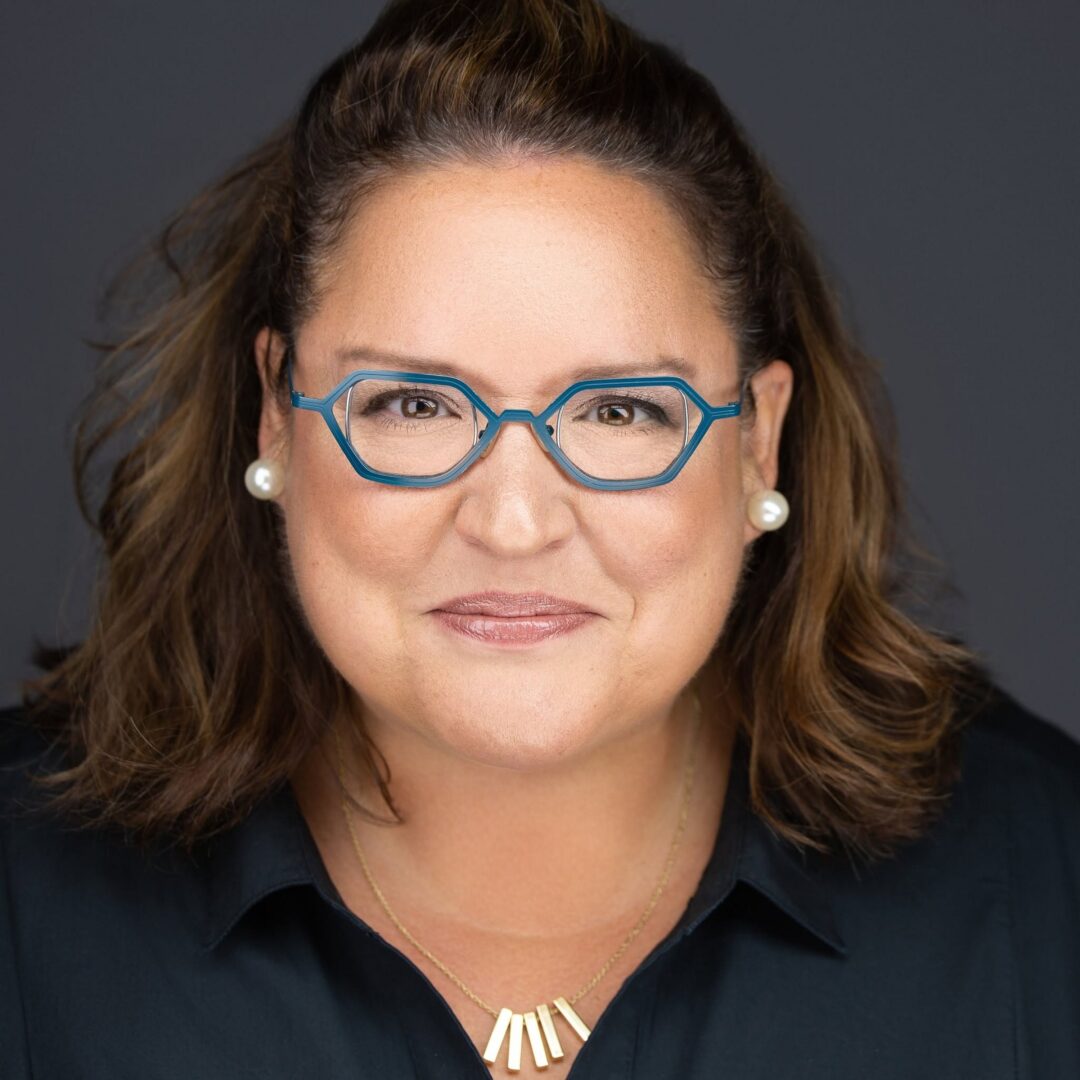
Welcome back to the show, my fellow extraordinary Americans. For today’s guest, we have Ann Boney. Ann was born to talk. Just ask any of her childhood teachers who wrote talks too much on her report cards.
Now she’s turned that chatter into a powerhouse career, jet-setting around the globe to help overwhelmed professionals build resilience in the discomfort of change. A dynamic keynote speaker, energizing conference MC, two-time author, and host of the hit podcast Dancing in the Discomfort Zone, and a light of both virtual and in-person stages with her high energy and relatable style.
After 20 years of crushing it in corporate and nonprofit leadership positions, she now uses her hardened experience and fiery passion to ignite your courage, build resilience in the face of change and challenges, tackle tough conversations, and lead with emotional intelligence. She’s an extraordinary American, and I’m glad to have her on the show. And thank you so much for taking the time to be here.
Ann Boney:
Absolutely. Thanks for having me.
Cosmos:
So, Ann, can you tell me, the audience, a little bit more about yourself, your background, and your story?
Ann Boney:
Sure, yeah. It all started on a warm summer day. No, I’m kidding. I’ve dealt with a lot of change; we moved a lot when I was little. When I was in second grade at Lake of the Ozarks, Missouri, my parents sat my brother and me down and said, “We’re moving to Saudi Arabia.” And I had no idea what that meant.
But at the same time, I knew that there was going to be a lot of change in life. And, since then, I’ve moved 29 times. I’ve had five distinct careers, and God only knows how many hairdos I’ve had, changes, kind of what I’ve learned through my whole life.
So, as I found myself 10 years ago at a crossroads in my career, I thought, “What?” Let me see if I can help other people get better at change, because we as humans are not built for it. So.
Cosmos:
No, I mean, so I’ve actually lived in the Middle East for some time, as I lived in Kuwait. You’re talking about Saudi Arabia, that’s so interesting because it’s a whole other culture over there. It’s just oil and water, the United States culture, and that culture.
But I wanted to get into what it’s like to experience change when most people just want to settle down and want something they can relate to.
Ann Boney:
Well, and I think one of the first things is just self-awareness, the awareness that our brains are not built to deal gracefully with change. our brains, it is known to be safe. If we’ve survived it before, we’ll probably survive again, and it’s okay. When something changes, and there are many unknowns, our brains go into high alert.
And so if you’re one of those people who resist change, who don’t change, it means your brain is working. Right. I think mine perhaps isn’t working so well because, well, I’ve learned to change.
After all, ultimately it’s the only thing we can count on. It is, things are going to change, things are going to be uncomfortable. And so, one of the things I strive to do is help people have strategies to build that resilience in change so that it’s not as terrible, even though it’s always going to be pretty uncomfortable.
Cosmos:
So, there’s a saying: you have to be comfortable being uncomfortable to achieve business success. But so how would. But it’s easier said than done. Right?
So, from your perspective, what are some tactics and strategies that people can employ in their lives to basically expand their comfort zone?
Ann Boney:
Yeah, first, the first thing is, it’s what we talked about earlier with my TEDx talk: intentionally seeking out uncomfortable things. And I don’t mean jumping out of airplanes and quitting your job, moving, and buying a bar.
So I’ve done it. You can do that too. And for those of you who are, ah, no lady, just taking a different route to work or ordering something you wouldn’t normally order at a restaurant, having a different kind of conversation with your kid, all these little low-stakes discomforts will help you build your own belief in your ability to deal with the unknowns. Right.
Ultimately, getting hopefully to the bigger discomforts, getting out of a toxic relationship or applying for a promotion that you don’t know if you’re ready for, moving to a new city, all of these things that can move our lives forward in a huge way, move our finances forward in a huge way. We’ve got to know that discomfort is normal. And if we practice with small, low-stakes discomforts, we strengthen the part of our brain that believes in what we can do and can persevere through that discomfort.
So that’s one of the first things I tell people: just try some different uncomfortable things that don’t mean much, and you start to believe, okay, I think I can do this. The other thing is make a list of all the things you’ve survived, you figured out you’ve lived through, that you’ve thrived through. And it’s not that you’re going to pull that out and read it at the town hall meeting.
Still, in those moments where you’re really doubting your ability to move through a change, when you’re doubting your ability to figure it out, going back to that and saying, okay, wait a sec, I figured it out. I could probably do this too. That can help you find the strength to move forward. When everything in your brain is saying, no danger, go back to what’s comfortable.
Cosmos:
No, I mean, I appreciate you mentioning this because a lot of people have nine-to-five jobs and want to start their own businesses, right? But to do that, it requires a giant leap of faith and a huge change in their life.
Most people just don’t do that because of all the risks that come with change. And it’s just something that has to be done. But it takes a lot of courage if you think about it.
Ann Boney:
Yeah, well, and that’s exactly where I was 10 years ago. I’d had a nice, big, fat job in New York City that I’d worked towards for years. I should have been perfectly happy there. And I was miserable. And I heard myself say one day, well, you’re, you’re in your 40s, maybe this is it. And I heard the record, the record scratch sound effect, where everything kind of stops.
And I heard that, I was, oh, no. We’ve got 20-something years left of this. We’re not going to get out of bed every day feeling this. So it was that moment for me when I was, okay, something has to change. We’ve got to figure out what it is. But taking that leap of actually putting all my stuff and my ego into a U-Haul and moving into my parents’ basement to start my own business was terrifying.
And I remember the first day of my business, sitting in my little basement apartment in my parents’ house in northern Michigan with zero identity and zero job, what did I just do? But the beauty of that moment and then that terror was it was an incredible motivation to say, okay, do what you gotta do. Start moving, do something.
And one of the things I talk about in my keynote on dancing in the discomfort zone of change is that action shrivels anxiety. Right. When we’re on the porch of the old comfort zone, knowing we can’t go back, but not wanting to move in, any little move can help us to start to see what the next move is. Rather than just swirling around in all the old information and all the old anxiety.
Once we start moving and taking little steps, asking questions, trying this, researching this, going to a networking group, whatever, those little moves start to develop. What’s the next step? And what’s the next step? And even if it’s the wrong step, you’re okay, cool. Learn something. Go the other way?
So I think that’s a really important thing, that’s why I call it dancing in the discomfort zone, because we’ve got to move through it. You can’t just stand there and let it happen, because it doesn’t. So.
Cosmos:
And I wanted to get a little bit deeper into this story because you mentioned you were working in New York and that it was well paid.
And then you felt you had to make a change. And then there’s the anxiety of making that change. And then you ended up in Northern Michigan. Can you get me in the audience to go through this story and just go through your emotions? And how did you overcome this? Because it’s very interesting.
Ann Boney:
Yeah, sure. It was waking up every morning, not wanting to get out of bed, not wanting to go to work. I was just phoning it in, too. I wasn’t doing a very good job at my job. and that felt crap, too. It didn’t feel true to who I am or to the hard work and passion I have to bring to what I do. And it was funny because I was scrolling on Facebook. One night after work, I was on Facebook and saw an ad for a certification program in leadership training, business coaching, and public speaking.
And I was, wait a minute, I too talk. I’m a good speaker. I throughout my whole career, I’ve done a lot of speaking and performing. I also used to teach group exercise at a high level. So, I had all of this stage experience, and I was, wait a minute, I could try public speaking. I could make a job out of that.
And it was listening to that intuition, because when I told my brother, I said, Jim, I think I’m going to quit my job and become a professional speaker. And he was, and if anybody else said that to me, I’d be, let’s talk this through. He goes, you. Yeah, I see it. And it was trusting that moment of insight to say, yeah, let’s follow this through and see what happens. And somebody, as I was saying goodbye to everybody at my job one day, said, well, what if it doesn’t work? And the funny moment was, I hadn’t actually considered that, which is perhaps a flaw in my own programming.
But whatever the case, it never occurred to me that it might not work. But as I’m standing there in front of them, they’re waiting for an answer. I was, well, I’ll just get another job. And it was there, wasn’t it? It wasn’t there. Everything’s figureoutable, as Maria Forleo says, right?
It’s part of the dance. And yes, I had to sacrifice some things. That first year in my business, I made $3,000 the whole year. And I finally ran out of my savings and went and worked at the Olive Garden and dressed male mannequins at the men’s warehouse because that’s what I needed to do to keep trying to make this work.
So, one of the things that we need to do as we’re dancing in the discomfort zone is also say, “What am I willing to sacrifice?” When I lived in New York City, I had a nice, big, fat income and was living large in Manhattan. Now I live in my parents’ basement, and so it’s what am I willing to sacrifice and get uncomfortable enough to make this happen?
Cosmos:
Yeah. But what makes it interesting is that you were in your 40s, and most people in their 40s are already done, they’re settled, it’s over.
And then you just made this huge change, and in the first year, you’re only making 3,000, but you made this. Most people. Most people. Is this massive?
Ann Boney:
Yeah, it was. And it’s interesting because my whole life, I thought the same thing. I was, ” Oh, when I hit 40, it’ll all be done, it’ll all be complete, and everything will be great. But then I got to 40, and I had just gone through a divorce, and I was miserable in my life, and I’m, it’s time to restart.
It was such an interesting experience, just the dissolution of the belief that at 40 it’s all figured out, because it never is. And I think that’s one of the things that people also need to recognize, is that we put so much meaning on certain milestones, we put so much meaning on certain actions, and that meaning doesn’t necessarily apply.
So one of the things, as you’re trying to move through change, and when it’s talking about finances, this is a huge piece because we have so many limiting beliefs around money and meaning around money and all this stuff, and we really have to dig into that stuff. If you want to get courageous and take courageous action, you have to dig into those beliefs and say, ” Is that really true, or do I really need to subscribe to that?
Because that’s what sets you free to do crazy things, and now, 10 years later, I’m making, well, more than I ever did in corporate, and I’m happy as heck, and I feel I’m doing really good work.
Cosmos:
Wow. So I know a lot of people watching this might be in corporate America and doing a really successful job, but they’re not. They’re feeling dissatisfied with their life.
But then there’s. It’s not reached the point where they are going beyond their comfort zone. That’s what corporate America does. They put you in a comfort zone where it’s just. They pay you well enough, where you are, okay, this is good. But then it’s. You still feel that emptiness inside.
So what do you think people, in this situation, should do to get past the mark? go over the edge, in skydiving terms, jump or jump off the plane because it is actually letting go.
Ann Boney:
Well, I think it requires you to pause. And this is something I talk about in my book called Get Over It. One of the tips in there is to consider the big move. And I’m not saying make the big move. I’m saying consider it. Right. Consider leaving that. Okay, cool. Let me pause and say what happens if. If I do that? Why would I do that? Why wouldn’t I do that? It’s a pros-and-cons list. Then weigh the two. Because you might realize, hey, I don’t need to jettison the whole thing. Maybe I can just move into a different role, department, or company. Or maybe I do want to jettison the whole thing, let go of the plane, and hope a net appears as I’m hurtling towards the ground.
But when we pause so often, we think we have a solution. I have to get out of this, I have to leave. But when we pause and just go into ourselves and say, what’s the right move for me? Why would I stay? Why would I go? What other options do I have? And I always say, when you’re in that moment, try to come up with 20 other options. And that people are, oh, my God, 20. , 20 other jobs I could do, or ways I could make it.
Yes, because you’re going to consider some pretty wacky ideas just to get 20 down on the page. But the cool part is, you might go. Go. Well, I can’t join the circus, but I could check whether Cirque du Soleil is hiring in their corporate office, and maybe they need someone to do my role. And that would be amazing, and so all of those crazy ideas kind of free you from the constraints that we put on ourselves in that panic to figure it out. And when we have this giant list. Yeah, it’s silly. Yeah, it’s ridiculous. But it might trigger an idea. And you’re, whoa, wait a minute. That sounds kind of cool. Let me explore that one a little more.
Cosmos:
In your life, right, you might have gone through many challenging situations, when you’re moving consistently and dealing with all these changes. What was the most challenging thing you had to go through, and how did you go about overcoming it?
Ann Boney:
Well, everywhere we went, we moved: to Saudi Arabia, to Dahra, then to Riyadh, then to Egypt, then to Greece. And then I went to boarding school.
And so all along the way, I was figuring out how to make friends. I’m a bit of an extrovert. I’m a bit of a social person. How do I keep making friends when I know I might leave? And it was an interesting lesson in letting go, but not really because I still have all these friends.
And again, it goes into shifting the meaning you place behind, friend. The meaning you place behind, leaving behind. Right. And so, as I was going to all these new places, having to move and make new friends and kind of build a new life each time. I had to figure out how to do that, which was a challenge at the time, but I think it served me really, really well. And now I have an incredible bunch of people all over the world, from different chapters of my life, that I can call on.
A friend of mine is in Greece. She just recently hired me to go out to California to speak to Scripps University about change, because they’re dealing with a lot of it. This was somebody I was friends with in seventh grade in Athens, Greece. All of those moves and all of these different corners of my life have brought me such incredible resources. So, figuring out how to sort of fit in each time was. I think, my biggest challenge.
Cosmos:
I haven’t had it as extreme as you, but I’ve gone through different cultures my entire life. I was in India for the first three years. Then I moved to the Middle East.
Then I had to come to America. I had to learn about American culture. I became a citizen, and it was just a change. And then, even four years ago, I moved to Florida from Texas. And there’s just all these different changes. But then, there comes a point where you don’t have.
As in, it’s kind of the immigrant identity, right? Basically, that’s what immigrants do. They go from one place to another, and it’s what American identity is about. But sometimes it’s kind of you don’t have the roots it puts in place, but you learn other things in the process that you just become. You just learn how to adapt. And I feel that in American culture and in business, adaptation is one of the biggest keys to success.
Ann Boney:
And roots are another thing that we need to redefine, I think, because we think of them.
And this is something I struggled with in high school, when I went to boarding school, all of my. I went to an art school, and I was. I sang. And all of my friends had lived in the same town, done their community theater, and taken voice lessons.
And I’m moving all over the world and never got a chance to do any of that stuff. And I was really angry that I didn’t have those roots. But at the end of the day, my definition of roots is that my family is the one consistent thing.
So it’s interesting, as I talk to people, you and all my friends who grew up with me and have moved all over the world, about the different definitions we have and how they serve us so well. So it comes to bringing up another mindset of redefining things for what they really are, not what we think they might be.
Cosmos:
So one of the reasons I’m bringing this up right now is the concept of identity. A lot of people don’t want to make changes because they identify themselves with their job, their status, their family, their environment, and all of that.
And the moment you make that huge change, you have to redefine your identity. But that’s one of the hardest things in the world to do. So I think the main point of this podcast is how to develop an identity while making all those changes.
Ann Boney:
Well, totally. And that was me sitting in my parents’ basement at 42 years old, going, what did I just do? I just left my entire career behind. Who am I? I am nobody right now. But by putting myself in that uncomfortable position and, 10 years later, figuring it all out and continuing to do so, I found that identity within myself. So yes, I’m a speaker, but I’m Anne.
Yes, I’m an emcee, and I’m really good at it. But I’m an author and a podcast host. I’m all of these things. But ultimately, even if all those things go away, I’ve created my identity within myself. And I know I fit in wherever I go because I’ve put myself in those uncomfortable situations and figured it out. I really think this is the key to that internal resilience and confidence.
Cosmos:
No, I mean, totally. But in the transition, right when you’re going from one idea to another, you are going to a state of, it’s kind of almost going in a stormy sea, and you lose the compass, and you don’t know which direction to go. And for many people, this is very jarring, and it’s scary to do.
But in business, you have to be okay with being uncomfortable. And, your identity has to be malleable. In fact, you need a deeper sense that goes beyond your external surroundings.
Ann Boney:
Totally. And I think one of the biggest things, because I mean, I’ve joked since I started the business that I vacillate daily between terror and elation. It is a terrifying thing that we do, but I think one of the things that’s really important when we have lost the compass, and we are at stormy seas, is that we’re not doing it alone.
There are so many resources, whether it’s friends or family or podcasts or books or anything, that just to know that we’re not doing this alone. Somebody’s done it before. We can ask some questions. We can read something and find some insights that will help us move through it. Because we all go there, we all end up there. It’s not the end of the road. It just means something big is on the other side of the storm.
Cosmos:
No, totally. But I think for many people, what keeps them from making the change is that they’ll lose their identity. And it’s almost an existential crisis.
If you look at it on a global level, a lot of people have wars based on identity that, oh, I’m this religion, that religion. But you realize you’re something more than who you temporarily are.
Every identity you have is ultimately temporary and malleable, and for some people, realizing that can be really terrifying. And for others, it’s just freedom. It’s hard to describe. But what I’m talking about, right?
Ann Boney:
Totally. And I think it takes several, what I call ego death, where you’re, what am I? Who am I? Right. It takes several of those before you’re finally, all right, this is okay, I’ve lived through this.
And again, having that list, what have I figured out? What have I worked my way through, what have I survived? Having that list can help you in those moments at sea to go, okay, wait a minute, I’m freaking out right now. I am terrified. This is awful. And I figured out that I’ll probably figure this out too. What’s my next best move? What’s the next step I can take to keep moving forward?
Cosmos:
I think you mentioned ego death, and I just, I just thought about, yeah, that’s, most people would rather not have ego death, and it’s just one of the, one of the craziest things to do. I think moving from one place to another does that.
And then some people go through near-death experiences, and they have had that. Other people do psychedelics. But, in all due respect, though, it is one of the things necessary to be successful in entrepreneurship, ironically.
Ann Boney:
Yeah, that’s why I joke. When I moved from New York to Traverse City, Michigan, to move into my parents’ basement, I put my furniture and my ego in storage. it was, if I’m going to, if I’m going to make this work, I’m going to have to let go of who I thought I was because now you’re starting again.
And what are you going to do? You’re going to, okay, we’re out of money. Let’s work at the Olive Garden so we can keep making this work. I never thought I’d ask somebody if they wanted super salad again after I got my master’s degree, but it was the sacrifice I was willing to make.
Cosmos:
No, for sure.
And so, what do you think was the biggest revelation or lesson you learned during your entire life? going through all the changes you’ve made?
Ann Boney:
Oh, the importance of letting go and the understanding that letting go doesn’t mean losing, it just means. And whether it’s letting go of who you were, letting go of what you had to move forward. I think that the ability to let go of that doesn’t mean I’m losing it. It just means I’m letting go to grab the next ray. Right. You think about the gym. The monkeys are going tree to tree. You’ve got to let go of the last. Oh, you’ve got to knock your lights out. You’ve got to let go of the last tree to grab the next one. And I think that’s such a hard thing for humans to do, but it’s a vital thing just to be able to move forward in life.
Cosmos:
It sounds so simple, but letting go is sometimes hard, especially in relationships. You’re in love with somebody, and then you just have a breakup, and then you. You have to go to the next relationship, but you don’t. Don’t want to let go of the past.
Ann Boney:
Right. Yeah. And it’s. And it’s, yeah, there are so many comments. Yes, you’re absolutely right. And it’s letting go of the dream, letting go of what it is. We wanted it to be. And sometimes it’s just letting go of ways of relating. Maybe I don’t need to let go of the whole relationship. Suppose I can have the courage to have the tough conversation. Okay, maybe we can let go of the way we used to do it and come into a new way, maybe we let go of old patterns, and that. That can help.
It’s thinking creatively about what letting go means and what you’re grabbing on to by letting go of that.
Cosmos:
I think one of the greatest revelations I had personally was that a lot of people don’t. They don’t succeed in life. It’s because they are not letting go of the past. They had a past, and they need to go to the future.
But they’re not willing to let go of the people they loved or their friend circle and all of that. And, for that sake alone, they’ll basically be in the same place for the rest of their lives. And it’s just something the audience needs to know: sometimes you have to let go to reach the next destination.
Ann Boney:
Exactly. 100%. Well said.
Cosmos:
I know, the American identity is based on the immigrant story, right? People came from so many countries to be here and make all these changes and everything.
So, from your perspective, how do you think America as a nation should go about, in terms of business, and just attaining success? And I’m talking about average Americans.
Ann Boney:
Oh, that’s a big question. I think two things. A philosophy that I came up with during the pandemic, when everything in the world was so big and so scary, I said, “What, Ann? Shrink the bubble. What can you do?
Because when we think about resilience and being able to impact the world around us, we need to focus on what we can control. And so by saying, shrink the bubble. Shrink. Shrink your focus to what you can do something about, and then take responsibility for the impact you can have in your neighborhood or in your job. When we build that self-awareness, we then develop the ability to.
And the courage to take action, meaningful action to make the world, in our little bubble, whatever, our little bubble, some people have bigger bubbles and some people have littler bubbles. This metaphor is getting out of control, but what do I mean?
Cosmos:
Yeah.
Ann Boney:
Saying what, what can I control? What can I do about this? Rather than just waiting for somebody else to do it or feeling like a victim all the time. What can I do to improve it? And it might just be being nice to the barista who gives me my coffee, or saying to somebody walking through the airport, “Hey, I love your bag.” Where’d you get that? That’s super cool. Those little things start to shift everybody’s collective ethos, around the people around us. When we don’t feel like victims, we feel we can do something to make it better, and then we can start to grow and expand our impact.
I would need another year to think about that question fully, but that’s the first thing that comes to mind.
Cosmos:
A lot of people want to change the world, right? And a lot of people that I’ve met over time, they want to do all these big things, but ironically, sometimes you have to change yourself, and then, followed by the people around you, and then it just creates these ripple effects, the ripples on a pond.
And that’s how true change ultimately occurs. You’ve got to get other people also to have changes and do the same process.
Ann Boney:
And it’s figuring out: how do I bring my best to the world? How do I do that? And that takes courageous change, too, because that’ll change over time. What is your contribution going to be?
So rather than just letting it all go by and letting other people deal with it, saying, okay, cool, how can I bring my best to this, feel the best about it, and thus make the world better, just even again in my little, my little bubble, ironically, one
Cosmos:
One of the things that helped me deal with change was basically the process of meditation. I don’t know, you’ve done it, but for me, when I’m observing my breath and my thoughts and emotions, I realize that all these are a change.
Sometimes you’re feeling angry, sometimes you’re feeling sad, and sometimes you’re feeling happy. Then the emotions rise in a wave, recede into the sea of calm, and rise again.
And then you just realize that everything in life is temporary. Whether you’re having good times or bad times, it’ll all come to pass.
Ann Boney:
Yeah, yeah, meditate. I have meditated a lot. I actually succeeded. Which surprises most people who know me: I talk a lot. I completed a 10-day silent meditation retreat, during which we meditated for 10 hours a day. And the whole point of that was to reduce reactivity. Right. This is what mindfulness does. It reduces our immediate reaction and allows us to be more thoughtful about how we’re dealing with stuff, situations, to say, “Oh, wow, I’m angry right now.” Okay, cool, I’m going to punch a couch cushion a couple of times to help me think a little more clearly.
And then I’m going to deal with this rationally. Right. And the beauty of meditation is recognizing: okay, these emotions suck, but the only way out is through. And if I’m trying to squash down the emotions so they don’t come up because they don’t feel good. It’s kind of like squashing lava down in a volcano. You can only do it for so long before it blows up and takes out a small village, right?
Whether it’s you yelling at your family or your health or overwhelm, burnout, mental health issues, whatever it is, there are so many ways that the lava of your emotions, if you don’t address them, can take out small villages.
So it’s that mindfulness and meditation are absolutely massive. And most people are, oh my God, you want me to sit quietly in a loincloth for an hour? No, start with five minutes. I will talk about the car nap. If you get somewhere 10 minutes early, go park in a shady spot, put the car in park, and then stop. Set a timer on your phone for five minutes. Put your eyes closed. Just stop. Don’t scroll, don’t call anybody, don’t catch up on anything. Just stop. Because those five minutes could make all the difference in how you handle the
Cosmos:
The rest of the day. And so he’s telling me you married 10 hours a day for 10 days. Most people can’t even do half an hour. How did you manage to do that? That is wild.
Ann Boney:
I don’t know.
Cosmos:
I’ve been doing it for a long time. One hour is pretty. My legs get tired, and then all the thoughts start coming up, and it’s a buzz. How do you manage it? That’s incredible.
Ann Boney:
And you have breaks. So you’re meditating for one to two hours at a time. Then you have a 10-minute break to go pee and get your feeling back in your legs. But this is part of the whole thing. And in the Vipassana practice, they give you a thing to do, and they talk about the monkey mind.
Cosmos:
It’s amazing that some of my friends actually did that. Yeah, it changes your life.
Ann Boney:
Well, it totally does because you realize, yes, my legs are falling asleep, but that’s okay. Yes, I want to move, but I don’t have to. I’m okay. Yes. My brain is a three-year-old in a department store. I keep grabbing her and pulling her back. Okay, come on back. Yes, you’re running around. Okay, bring it back.
And you just keep chilling out. I don’t know. By day eight, things started getting a little wacky in there, and I started writing the comedy routine about it, and that took over my head, so I had to go and write that down on a contraband piece of paper because you’re not allowed to have a journal. You’re not allowed to have anything there.
So I had a contraband piece of paper where I wrote it all down, and then I thought it would be hilarious and that I would have a Netflix special. Oh my God, this is gonna be. I read it when I got home. I’m, this is so stupid. But it was a fascinating experience.
Cosmos:
No, I heard so much about those retreats. I know, these retreats change people’s lives. As they go, they don’t come back the same. Because if you’re with your own thoughts and emotions, by yourself, doing 10 hours a day for all those days, something eventually gives way. You experience something profound, or you have a revelation. I mean, it differs from person to
Ann Boney:
person, but yeah, yeah, it was. And it’s part of my whole philosophy of dancing in discomfort. I didn’t know whether I’d be able to do that. I thought I’d be departing on day two. forget it. I need to talk to somebody, and I don’t want to sit around doing nothing for ten days. And that was part of my whole philosophy of seeking out discomfort. I thought I would fail, which nobody believed I could do, sitting silently, talking to nobody, meditating for 10 hours a day. Nobody thought about it, not even me.
But it was an incredible experience. And you start to realize what you can do. And this goes right back to the redefinition of things to say, hey, wait a minute. I didn’t think I could do that. My identity was a chatterbox, super social. Well, and moves around a lot. I’ve got a lot of energy. Suddenly it’s, ah, here’s another piece of who I am, of my identity. Right. So.
Cosmos:
So, and on a different note, speaking of dancing in the discovery zone, I know you had a TEDx talk about it. Can you tell me a little bit more about the audience for that?
Ann Boney:
Yeah, I mean, it’s everything that I’ve just been saying. It’s seek. Intentionally seek out uncomfortable experiences to get you better at the ones you can’t control. Right?
So jumping out of an airplane, a 10-day silent meditation retreat, and climbing Kilimanjaro. I’ve run a marathon on every continent. Again, you don’t have to go that far. Take a different route to work. You don’t have to do the big things. Have a tough conversation with your spouse on something that you want to change.
Find those little discomforts and embrace them. When you realize, okay, if I do this, even if it goes badly, it’s not that big a deal. That way, when a pandemic hits, or you get laid off, or there’s a death in the family, or whatever happens, your house is destroyed in a hurricane. I live in central Florida. This could happen. When those things happen that we can’t control, we have the inner strength and belief in ourselves to dance through the discomfort and move through it. That was basically. Basically, it was me telling the United States to get out of your neighborhood, do something different. Because I think traveling the world is such an. Or even just going to a different state is just an incredible exposure to how different isn’t bad.
Cosmos:
No, that’s amazing.
I know you also have a podcast by the same name, right?
So, can you tell me, the audience, a little bit more about your podcast?
Ann Boney:
Dancing in the Discomfort Zone podcast? It’s. Yeah, I had 358 episodes, I think, right now. And the cool part about it is basically, I will interview or talk about anything that makes people uncomfortable.
So whether it’s how to get your finances straight, or somebody coming back from addiction, or somebody getting out of jail, or a dad who lost his wife, and he was deaf. He had to deal with all this stuff, or somebody who went blind when she was a teenager, or how to lead through chaos at work. I mean, I can basically go into any topic that makes people uncomfortable, and we try to learn a little bit more about it.
So we realize, okay, I’m more familiar now. It’s still uncomfortable, and I’m much better able to approach it now that I know a little more.
Cosmos:
That is amazing. And how can people from this audience connect with you and learn more about you and everything you do? If they just want to contact you personally, how would they do so?
Ann Boney:
My website is yourchange.com. social media, I’m a speaker Bonnie, or LinkedIn and Bonnie, but you can find it all atyourchangespeaker.com.
Cosmos:
That is amazing. And I’m so grateful that you took the time to come on this podcast and basically share your understanding of how to be comfortable with change. Because this is so relevant to starting a new business or just making anything in life, and we should know this, and I definitely hope that you take the time to c
Come back to the show at a later time.
Ann Boney: Yeah, absolutely. Thanks for having me. This was a blast.
Cosmos:
No, for sure. And I want to conclude this episode by letting my fellow extraordinary Americans know that there’s an extraordinary within each of us. It’s our duty to awaken it and unleash it. Until next time. Bye for now.

 Amazon Music
 Apple Podcasts
 Audible
 CastBox
 Castro
 Google Podcasts
 iHeartRadio
 Listen Notes
 Overcast
 Player.fm
 PocketCasts
 Spotify
 Stitcher
 TuneIn