Cosmos:
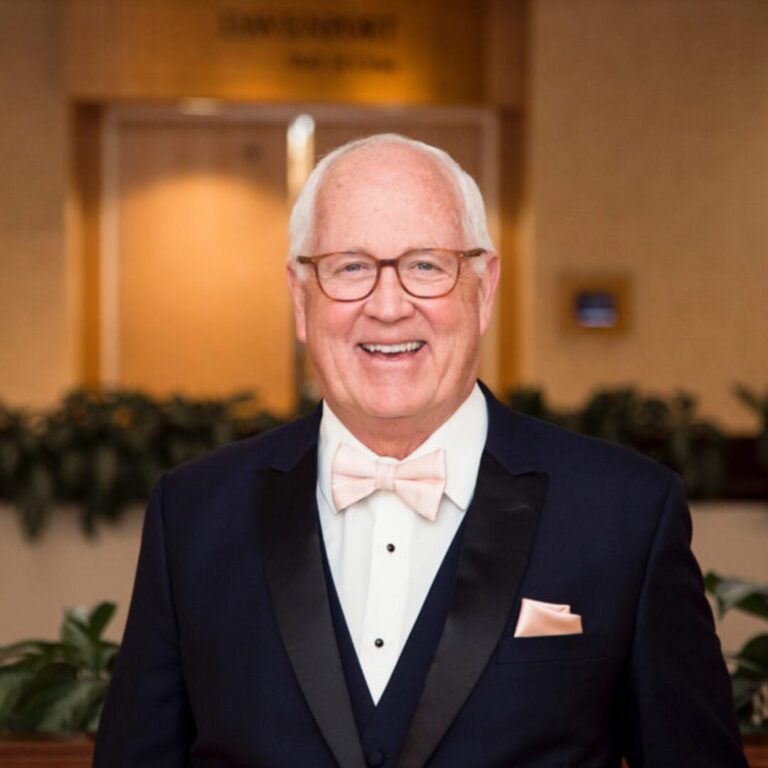
Welcome back to the show, my fellow extraordinary Americans. Today’s guest is Terry Rich. Terry is a successful CEO and President with 25 years of experience, who loves to engage and entertain audiences worldwide. He led the team that busted the largest lottery fraud in U.S. history, was a guest on Johnny Carson’s Tonight show, ran a zoo, and gave away $1 billion.
During his tenure, appointed by three governors, his leadership increased lottery sales and profits by 50%. He also led the Blank Park Zoo to profitability, transforming it from a $600,000 deficit while positioning it as the second-largest attended attraction in the state. However, his national insight into business, banking, gaming, TV production, marketing, and PR led him to success in his professional career and to his passion for public speaking. Before that, he started four successful entrepreneurial businesses and has appeared in numerous national media outlets, including ABC, NBC, HBO, CBS, 20/20, CNN, CNBC, USA Today, and The New York Times, as well as hosted a movie show on Starz. His production of a Fox Sports show called Soccer Slam is currently featured as a documentary on the Hearst streaming service, Very Local.
He’s a disruptive innovator and entrepreneur driven by integrity and honesty. He has worked in the trenches, survived new business trends, and achieved success with generational changes. Terry has also written two books, including The $80 Billion Gamble. Eighty billion gamble and Dare to Dream, Dare to Act. He’s an extraordinary American, and I’m honored to have him on the show. Terry, thank you so much for being here.
Terry Rich:
It’s a pleasure being here. Always have fun and discuss some thoughts, and hopefully, some ideas will emerge to motivate people.
Cosmos:
So, Terry, can you tell me a little bit more about yourself, your background, and your story, including all your experiences?
Terry Rich:
I started on the farm. You know, I think so many of us think. How do you make it? Well, it’d be easy if you could inherit a million bucks and get started, but I think we were pretty poor farmers back then. However, we always had a positive outlook on life. And I credit that to my parents, who taught me that hard work is important. Be friendly, raise your hand, and volunteer to try to help others.
And ultimately, I went to college to be a math major. I was going to be a math professor. I figured. And then, a couple of years into it, it started to get boring. In the early days, they called me ornery. Down the road, it started to get into something called creativity. And, gentlemen, said, hey, you can go over here and talk and make a living. I said, I’m in. So, I decided to get into radio and television, and ultimately came out of college by volunteering to help with cable television. In the early days of cable television, even before Ted Turner was involved, I started in the industry, and they said they couldn’t pay me much, but they could pay me in something called stock options. I had no idea, you know.
So, well, I got into cable television. Very entrepreneurial, one of the most, I think, probably the best job I ever had, where everything we touched seemed to turn to gold. Because I was going door to door for a while at the beginning, saying, hey, would you pay six extra dollars for four extra channels? And everybody said, hey, we’ve already got our three channels. We don’t need any more TV. We’re not going; nobody’s going to pay $6 for more TV. What are we paying now? 120 bucks or something. It really expanded, and it was fun. I got to work with HBOS and similar organizations. I ran into some stumbles. I failed a couple of times during that time, but ultimately it went so well that we cashed it out.
Many a Google or others that, you know, become successful, and someone comes in and takes over the company, and then they think, okay, it’s time to retire. Now that those stock options have proved to be pretty successful. At the age of 40, I started my own company and learned not to have just one, but to have two or three things going at once. And it went well. Started a radio station, started doing, I’ll tell you about the, how we got to the big money idea here in just a second. And then ultimately, as I turned 50, I’d been on the road, done all, had all the success, and now I got to spend a little time with the family too.
So, I hit something called a midlife crisis, and yes, I had to do something different. I thought I got to help somebody in my community. And I got a call from a governor, who said, hey, they’re going to close the zoo. Would you be interested in running a zoo? Well, remember I grew up on a farm. So, I figured, ‘Hey, a cow can’t be that much different from a giraffe.’
So, I raised my hand, and yes, I ran the zoo. It was losing a whole bunch of money, and we turned it around. I learned some key success strategies during those days. We’ll discuss that in a minute to go through it. And then I got a call, saying, ‘Would you like to run the lottery?’ They see that the zoo has an operating budget of about $3.5 million, and the lottery was $ 350 million. Heck, that sounds like something fun.
So, I got to give away money. And in the midst of it all, instead of the marketing and promotion that I enjoy doing, we encountered a major fraud and a completely different style of management as a CEO, ultimately uncovering the largest lottery fraud in U.S. history.
And today I’m on the road talking about that and how to avoid it, so don’t let anybody take advantage of you. Do you know how to have checks and balances within your system? That’s what I do today: travel the world talking about it and meeting all sorts of nice people, you, Terry.
Cosmos:
I mean, I have so many questions to ask, but I definitely wanted to, for the sake of the audience, to know a little bit more about the story of the fraud. The fraud in the lottery industry. What happened, and how you busted it, and all of that.
Terry Rich:
Well, it was a story of a lottery ticket to two hot dogs and Bigfoot that helped solve the largest lottery fraud in U.S. history. It was a crazy ordeal. You know, here it’s pretty easy to sell gambling. Everybody’s gambling. I could say I’ll bet you’re going to be GRAY in two years. I could get you $100,000 betting on your hairstyle in 10 years. However, the point is that, in all of that, we were giving away prizes and conducting a lottery, and someone came in and said we had a problem.
Someone bought a lottery ticket and hasn’t claimed it. And ultimately, it was figured out that somebody internally had helped, having programmed a computer to draw the numbers. Approximately 21 states used this system, and they won $16.5 million. And the number of people it took to solve that over six years was considerable. We finally figured out who internally programmed the computer. The lessons we learned are quite simple. If you run a business, there are three primary reasons why employees may steal from it internally. One is that there’s a financial need. Now you and I always want to make more money, right?
And so, but, but you’re not stealing at this point. When do you decide that it’s time? Well, bankruptcy, divorce — there are a lot of things: drugs, alcohol, and gambling. I have to have money. How can I get it? And you’re working for a company, but unless you have the second element, which is opportunity, meaning you’re the church secretary and you write the checks and purchase orders. Well, that gives you all the keys to the kingdom, right?
So, you have a financial need, you have the opportunity. And the third was rationale. What point do you say, you know, Joe over here is making more money than I am? They won’t miss it. I can make a little bit of money here. And then you do a little bit, a little bit more, and people get greedy—all of those combined in this to put it together. And as I said, ultimately, we knew we had a lottery ticket out there that was screwy, but the guy bought two hot dogs. And ultimately, when we thought it was him, his brother came in and said, my brother doesn’t eat hot dogs down in Texas.
And so, we thought that was kind of weird and ultimately figured out that the brother was also involved. And then the rationale was, they were working me hard. I worked for a company that consolidated all the money from all the states when a lottery drawing was held. I deserve more, because over here, this person’s making more than me. And we ultimately sent him to prison for up to 25 years for this lottery fraud.
Cosmos:
Wow. I mean, so basically, from a hot dog, you guys caught. This is crazy stuff. Terry and Terry enjoy the entire experience. What lessons did you glean from just human nature and just business and all of that, not just from that experience, but just during your time in the lottery industry?
Terry Rich:
I think, I think one of them is the art of ethics. We have a lot of different lotteries run by each state, and then they pool their money together for the Powerball and the Mega Millions in a game called Hot Lotto.
What I learned was that each state had a slightly different set of ethics, and I wanted to know whether we should do that because it was an $ 80 billion gamble. Eighty billion dollars were spent at that time on lottery tickets nationwide. That’s more than the music industry, more than the movie industry, and more than the combined value of sports tickets. Most people don’t realize that.
And so, each state had different motives, and whether we should have solved this or not, because some states had huge financial problems. They don’t have the reserves that our state, Little Iowa, had. And my governor was always very adamant. I want the game to be fair and honest.
So go out and spend all you can, spend all the lottery money to figure out how to solve this deal. Many other states said, no, no, no, no, you’re, you’re gambling with our money too here, buddy. Please don’t do it.
Ultimately, we figured out it was a national effort by this gentleman who did it. And ultimately, we busted it. But during that time, you learn that you have to hold to your ethics, that things are very, you know, it’s important to keep a game fair and honest because one, you’re trying to protect your reputation. And you know, there are three things in a business that you’re always trying to do. Make more money, save more money, and find ways to be more efficient in your expenses.
And third, protect your reputation. Because any major flaw in any of those three, you’ve got problems. There’s a lottery documentary that tells the entire story, I think, in a really well-done film called Jackpot—America’s Biggest Lotto Fraud. And I’ll give you, here’s a free link to it. And I know you can also post it on the website. It’s LottoDoc.com. I think nearly a million people have viewed this so far, but I think you’ll find it fun and fascinating to see how difficult it is. It isn’t just one person who solves all these kinds of capers. It took a whole group of different people who all had their own finger on the investigation to make it work.
Cosmos:
So, Terry, I know, people know about different industries, right? They know about the healthcare industry, the sports industry, and everything else. However, very few people, relatively speaking, even though many have at some point played the lottery, are not well-informed about the lottery industry.
Could you tell me a little bit more about the audience and what this industry is about, including the ins and outs, in brief?
Terry Rich:
Well, the lottery industry really started in the US in the 1950s, and it was done state by state, the way the federal laws work. In each state, there’s a lottery director, usually appointed by the governor, and a lottery staff.
And they design all these different tickets. They have scratch tickets, which operate much like a casino, where you pull a slot machine and receive small prizes. People usually play, they win, and then they leave it in there, keep playing, and keep playing. Then they lose some, right? Or they win some. They might get lucky and win the big jackpot. Another one that started in the 1980s was something called Lotto. And the lotto is where balls are drawn.
And so, there are two different ways to calculate odds. One is that you have to pick the right numbers, and the right numbers have to be correct. So, it’s really been pretty secure over the years, and it’s easy to do that. But that’s called aspirational. You really don’t know which numbers will be drawn.
And, if you use the computer, when you go in and do a quick pick, you don’t know what numbers are coming out. It’s all completely odd. Usually, the odds are worse than those of scratch tickets, but the prize is bigger, which is what entices people to come in. Anytime there’s a billion-dollar jackpot, everybody’s running to the store to get it. That’s essentially what the lotteries are, but they typically have a 22% margin, so states usually earn about 22% of all the tickets sold. The payout is typically between 65% and 70% for the customer.
So, your odds are that you might lose, but many people win big, too. So it’s that darn gambling bug that people enjoy. And I always say play with your head, not above your head. Take 20 bucks, have some fun with it. Suppose you call it entertainment money. And if you lose, walk away. Don’t keep reaching in the pocket.
Cosmos:
No, I mean a lot of people, yeah, it’s ironic, right? Many people play the lottery in the hope of winning a large amount of money. But ultimately, if you have business knowledge and start a business, work hard, you can actually achieve your goals. But it’s also much harder.
But speaking of that, Terry, I know that I know that at some point you were asked by the governors to basically turn around a zoo and make it profitable from a six-hundred-thousand-dollar deficit. How did you manage to do that?
Terry Rich:
All right, yeah, good question. I mean, the lottery, as you mentioned, is a business. You know, how much do you want to lose? How much can you lose? If you can make it, how do you handle it? Mine started way back in the cable television industry. I saw how much fun it was to do that, and I decided I wanted to pursue on-camera television work at that point, so I wanted to learn and potentially be on TV.
So, I sat down and realized that when I was on TV, I didn’t have a five o’clock shadow. I don’t have one up here anymore either. But five o’clock shadow. So I wrote to Gillette and told him, Hey, I love your Track 2 razor. I haven’t had a five o’clock shadow. If you need me for a TV commercial, please don’t hesitate to call me. I thought that within two weeks, I would receive a call and go to New York to be on national television.
Well, during those two weeks, I was thinking, ‘Wow, just like you might when you’re playing Powerball or Mega Millions.’ What if. What if I won? And I suddenly got an urge about business and possibly becoming a national television star of some sort. And so, I waited two weeks until the day when I received a letter back, which said, ‘Dear Mr. Rich, I know you’re satisfied, but you wrote the wrong company that makes this razor.’ Here’s their address. I wrote the wrong thing. I failed.
And what I learned is that I learned two things: failing is something that happens, and how you correct it is important. And two, the dream I have now – how do I adjust it to make it work? And you know, I always say it’s better to have tried and failed than to succeed at doing nothing.
Three years later, I got a call from my little hometown, where the farm was, and they said, Hey, we’re having a centennial. We were 100 years old. We don’t know whether they are 100 years old. We’re going to have a celebration anyway, and we were hoping you could help us with publicity. Well, remember to raise your hand, big one. I tell everybody coming out of college or high school, volunteer for everything. If the boss says the toilets are plugged, the janitor is gone. Be the first one. You’re going to get noticed.
Well, I volunteered and sat down to write on the typewriter we used to call a typewriter. And I sent out a press release, saying we need to adopt somebody because this town has been around for 100 years. We’ve never had anybody famous. And I sent it out, and I hit the wrong button on the copy machine. I printed. I want to print 4. I printed 44. It’s better to have tried and failed than to have succeeded at doing nothing.
So I thought, well, 44, I’m just gonna. I sent it to the local newspaper and the radio station to get publicity. However, I decided to send it to the Miami Herald, the New York Times, and the London Times, whoever. I got 44 out. You know what? I failed again. 43 of the 44 times I failed. I got a call the next morning. He said, I’m Bruce Cantor. I’m with something called Upi. I’m going to write this up, and I want a couple of quotes. I did it, and I figured I wouldn’t hear from anybody, but 30 minutes to the second, I got a call back. Hello, this is Jim McCauley. I’m a talent coordinator for The Tonight Show starring Johnny Carson. Johnny was from Iowa, and we’re interested. Could we go first? So would you guarantee we’ll be first if we. If we do something with this? Hell, yes. You know, why not?
So I said, Yes. And lo and behold, he called back and talked about uplinking. I’d never heard of that. For uplinking via satellite from Cooper, Iowa, back to Hollywood, California. Wow. Remember, I failed 43 of the 44 times. I was so excited, they might do something. Well, they came out, looked it all over. Then Colin said, We had a couple of little glitches. We’d just like you to come out.
So we got to go out and be on the Tonight Show. Twenty-two million people watch our homes, so it’d be more than that. And people watched The Tonight Show that night. That was really, really exciting. But that. That didn’t mean anything. It’s been a long time. You may not have ever heard of Johnny Carson, but they talked about satellite uplinks. And I’d been doing these HBO free previews where you’d come home one night and HBO would be on your TV. We’d come in between the movies and go, ‘ Hey, Marge, you know, you’ve got free TV or HBO? ‘ Hey, if you call right now, we can get you HBO in your home. And I was doing those around the country, but I travel from town to town. I thought, what if I could do that by satellite uplink? Now, remember, I wouldn’t be able to do any of this if I hadn’t failed, if I hadn’t hit the wrong button 43 of the 44 times.
But I went ahead and called up through the ranks of HBO, and they said, Sure, we’ll have the satellite uplink there. in. When do you need it? In September, we conducted a satellite uplink for HBO, allowing all our cable customers to receive a message encouraging them to buy HBO today. It was an idea that was out of the blue, never been done before. And we sold $15 million worth of HBO that weekend.
So I always had. That started the bug of it being better to have tried and failed than to succeed at doing nothing. I find that many people in government are motivated to succeed at doing nothing because they want to keep their jobs. However, I always found, just like with anything, that research and development, whether a company is small or big, requires having ideas to do it.
Anyway, I started my own company, and guess what? I received all the calls from all the other networks because I was now a free agent. I was working for ESPN, specifically for ABC. I did boxing, pro boxing. We did all of these events that I started. And the other thing I learned was that anytime you make money, you want to set some aside for research and development, having 10% of your money. When you undertake something for research, don’t go into your own business and sell your house and everything you have, because if you fail, you’ll say, ‘I can’t do that.’ I’m going to go back and start at the packing plant, you know, whatever you want to.
So you take some money. So I took a little bit of money, started a radio, bought and sold a radio station, started doing all these other free previews, and continued in all these different businesses, doing the same thing: once I had enough money, I always took a little bit, not the entire chunk, and started. You call it risk, but it has little risk. I mean, it was. You still have the chance of failing.
Because I heard an interesting story through all that. Back when we sent three men to the moon, they said, You know, think of a project manager today. You know, a lot of project managers say, ‘We’re going to do it on this date.’ Here’s how much we’re going to spend. This is the day we’re going to do it and when. This is our success. This is our goal.
And if they had done that when they sent the men to the moon, 10, 9, 8, 7, 6, 5, 4, 3, 2, 1, blast off. Hey, we’re going to coffee for a couple of weeks. We’ll talk to you. Then we plan this thing out. They would have failed because, over 90% of the time, they had to course-correct. Over 90% of the time, they had to course correct. So, I’ve touched on a lot of things that have failed. But most people are recognized by their big successes.
By being able to take just a small amount of their risk, I call it research and development risk, which allows them to try new things and really crazy things. That’s where you get the biggest, biggest reward and all that.
So, now, at 50, when I told you I was having a midlife crisis, I got the call from the Zoo. And so I tried to use the same thing. One thing I learned from visiting the zoo was how to brainstorm and why it’s so important. And, if you think of what we’re doing today, I’m throwing a lot of stuff here at you all at once. Not, not really focused. Because I’m a believer, when you go have wine in San Francisco, they don’t go out behind their barn and just pick all of their own grapes. They go all through the valley because of different soil temperatures, weather conditions that year, all sorts of things. They find the one grape out of the hundred that is the best to get the award-winning wine right. Yeah. I love brainstorming, but it’s actually a two-step process. The first step is daring to dream.
So you want to fill that Bushel basket with 100 ideas with no judgment. The best, any ideas, crazy ideas. And you put that all together. The second step is to dare to act. Waiting a day or two when you get all those ideas together, and then getting the accountant together, the lawyer, and everybody together.
And you want to have diverse people when you are doing your brainstorming. Why is that? Because we are in a global society today. Which means that if I’m just going to market, everybody who’s old, gray, bald, and has to wear glasses. I’m selling a very small amount of a wide variety. You may be able to make that much more money if you keep your ideas as diverse as possible. And I certainly don’t have all the ideas that other people may have, which are completely different from mine. So that all came together. The reason I tell that story is that now I’m at the zoo, and you realize I need to come up with something because they’re losing all that money. Anyone between 2 and 12 has pretty much had their fill, but they are still losing all this money. What could we do? I gathered everyone together to conduct this brainstorming session. Any idea is a good idea. What can we do that doesn’t cost us any money to attract more people? Two ideas immediately rose to the top of those hundred ideas.
First one was, you know, we have animals poop every, I mean, that’s, that’s free. So why don’t we do an exhibit scoop on poop? We had giraffe poop and elephant poop, and the kids came in and giggled. Oh, look at that. And then they’d go back to school and tell all their friends, and we had all these people coming out. And then we realized that that tiger, poop was the predator. Their tigers are predators. And although they’ve never seen a whitetail deer, which is native to Iowa, the white-tailed deer are eating all the grass, all the flowers, and other vegetation behind our houses. If a deer smells tiger poop, they leave it alone.
So we started selling gallon buckets of tiger poop, which is absolutely free. We fed them, we picked it up, we sold them in a bucket, and we made $20,000. So we immediately started cash flowing that. And then we started thinking about our audience member diversity. We are always criticized for keeping children in zoos. How do we get young adults? Because usually you go to the zoo and you are a kid. Take your kid, take your grandkid. How do we encourage young adults to return? Well, what do young adults want? Booze. Right.
So we started something called Zoobrew, where we sold booze, no kids. We don’t want any kids there. We just want the young adults. And we had bands, and we opened it up. We had a night with Barry Manilow music because we were trying to get the zebras to breed.
So we figured, bring your kids; let’s get couples who want to have kids. And we had a big ‘let’s procreate’ night. And all of a sudden, we became one of the most fun, hippest, coolest things in the entire community. We not only cash-flowed; the zoo made it work. We also raised enough money in endowments so that the interest from that endowment will keep it going through the COVID-19 pandemic and everything else.
As a result, the zoo became a huge success. But more importantly, every time I walked out to the front gate, I saw the reward of smiles from the kids who enjoyed their visit. Wow.
Cosmos:
I mean, this is incredible.
And one of the things that is truly profound is that you failed 43 times and never gave up. And most people would have just dropped out at the fifth or sixth time. Forget about doing it 43 times.
So, my question is, what was the motivational factor or the ‘why’ that kept you going on and on, even when 99% of people would not have done that?
Terry Rich:
Back to being a kid, being a family where you lived on a farm. If the tractor broke down, you had to figure out how to fix it because the mechanic was 30 miles away, and you had to get the crops out. Right?
So, yeah, you’d fail two or three times. You’d cuss a couple, at least my dad would cuss a few times. I wasn’t supposed to at that age. But then we would think, ‘What if we did this?’ or ‘What if we did that?’ Calculating risks —that’s the important point—and not betting the bank all of your savings on trying that new idea, so knowing that it can keep you out of that frustration. Too many people say, Oh, man, we’ve tried that. Here’s a little experiment. Let me show you why people believe something won’t work when I think it will.
So very quickly, I want you to shout as loud as you can. As soon as I ask you this question, just scream it out. What color is the stop sign?
Cosmos:
Red.
Terry Rich:
What color is a yield sign?
Cosmos:
green.
Terry Rich:
What time, a yield sign?
Cosmos:
Yellow. Yellow. Yellow.
Terry Rich:
Nope. Red and white. And it has been since 1971. I haven’t asked a single audience member anywhere in the United States to stand up in my speeches. When I ask that question, they’ll all say yellow.
And the point of that little demonstration is that when you’re in a meeting, you’ll have the new, young you. You want the receptionist at the front of the office to provide ideas because they see all the customers and are aware of what’s going on. And yet they probably come in and finally have the idea that we need to replace the chair in the front office. And someone says, Ah, we’ve tried that before. You know, that ain’t going to work. You know, here the person. I’ve been here 20 years, by God.
Cosmos:
Here.
Terry Rich:
No, you want those ideas. You want no judgment when you’re trying to put that together. And what’s the beauty of it? We then came up with an idea. Here’s. Here’s the problem. I went to the. When I went to the lottery, I had just come off all this stuff with the zoo. And by the way, I failed. They asked me to return and assist with the botanical center.
So I said, Hey, why not grow a marijuana display? Or, how about the dome that resembles a breast? How about making it someplace that people can relax if they have breast cancer, you know? And everybody laughed, and, oh, yeah, but the group that asked me to come in, they thought this guy didn’t get fired for saying this.
So let’s go ahead and try some new things, which is kind of fun. But when I got to the lottery, I said, ‘Okay, have we tried an animal on a ticket?’ You know, back to basics, have you tried an animal on a ticket or something like that? Have you tried that? And the senior management group arrived about two weeks later, and they were exhausted. They said, We can’t do all of this.
And I didn’t realize. It’s kind of like if a king says, Oh, poop, and everybody heads for the bathroom. No, no, I’ve just given you. I just said an idea. I didn’t mean that you should do it.
So, we came up with a concept called ‘consider or throw away’. We called it a cot. Now, here’s the concept. When I send out a memo or talk to you face-to-face, I may say ‘action required.’ That means the boss is saying it, and you should do it. That’s maybe 2% of the time that, you know, this is something we got to do. And I had to make the decision, so I did.
The second is, for your information, which means you should read it sometime. You should know about it. That’s great. But the third one I use most of the time because you can tell I love just throwing a lot of ideas to get that bushel basket. Full is caught, and that stands for consider or discard. And there are rules for that. If you ever want to try this, please do.
But remember these rules. One is no judgment. So when you send it out, don’t send back a reply, don’t do anything, and give me your ideas. Send them back to me the same way, and I won’t respond to you. Well, that created a whole different creative environment because people, you can imagine, that person at the front desk is afraid to say something. After all, it may be stupid. After all, they may not know everything that’s going on within the company, but they see this one thing that they think will be good. So they never give an idea again, right?
Or they go down to the suggestion box and write it anonymously, put it in the box. Two weeks later, somebody might pick it up. And then they don’t want to make that person mad, so they pass it on to the accounting department. Pass. Well, the person at the front desk is currently down in the break room, saying, ‘Management never listens to me.’ I tried to give them an idea, but they never got back to me. Well, this one, they can send it directly to the CEO or to anybody they want with a COT on it. And they know they’re not going to get a response, but they had the chance to get that idea off their chest.
Now everybody’s trying to throw in, and we’ve become so much more open, getting some great ideas, just the. The scoop on poop came from one of the zookeepers. It didn’t come from me. However, when they came up, I added to and enhanced them. And we came out, and all of a sudden, now we’re making money. And now they had even more money to take care of the animals that they were so fond of, thanks to Terry.
Cosmos:
So it’s incredible because you literally turn poop into gold. This is. It’s just it.
Terry Rich:
I have another million-dollar idea regarding poop. When you’re ready for it, you just tell me if you want to save that for the end as a tease. Or we can say it now. You just let me know.
Cosmos:
I mean, now, just, you can.
Terry Rich:
Okay, ready? So, because you can tell I’m just a little crazy, and it always, you know, precedes with, I’m going to give ideas. You can throw them away. Remember to consider or throw away. These are code ideas. And so just know what it is. But somebody came to me, a small town, because they said, You did that deal with the Carson show, and you got on national television, all that. Hey, we have this little town. It’s a quarter of a mile off the interstate.
They have 60,000 cars that go by one-quarter mile away. How do we get people in here? So we started brainstorming, filling that bushel basket. And we realized with all those people going by, you know, what’s the one thing that. Or there’s always a restaurant at each intersection that you get off the interstate? There is usually a gas station. But what’s the one thing you really need as a family driving down the road? A place to go to the bathroom, right?
I said, ‘Let’s get a big old building, put about 20 stalls on each side, and we’ll have Gerber, or one of the people who make toilets, put all of their different designs.’ They can research what people do best. We can get Charmin to provide free toilet paper. And we bring people in, and we’ll sell Tootsie Rolls and Babe Ruths at the front. I got pooped out in Menlo, you know, for T-shirts. So, you have all these people coming in. You have outhouses for pictures and a place for the dogs to go. You have various options that people can pursue. You’ll have every late-night comedian talking about you. It costs you zero in marketing dollars.
And the best part was their Exit was exit 88. So you could do these. We used to call them Burma Shave signs, signs all over the world that said ‘urinate at exit 88’ or ‘defecate at exit 88.’ I’m telling you what, you bring all sorts of people in. Here’s one more million-dollar idea.
So we were playing Mega Millions, and it’s all about getting in on this. One wants to help; send some money to figure this out, because I have the solution for it. And they said we need a way to promote the Mega Millions jackpot.
So I’m driving home that night, and I look up and there’s the moon. And it was a crescent moon. You know, it looks a little fingernail on this side, dark, while the other side’s bright. What if we could get a spotlight or a laser and project the jackpot onto that dark side of the moon? We could own the moon as a billboard.
So I called my buddies at my university, and they hung up on me. They thought it was some kooky guy. So I called their competing university. I got an Astro Fest. He said, Well, you’ve got to get through the atmosphere because it’s going to get all broken up when you go through the atmosphere. And I thought, ‘Okay, I’ve got my solution.’ If anyone out there knows Elon Musk, we need to put it on a satellite out there, get it up in the air. We can own the moon as a billboard.
Cosmos:
Wow, I’ve never thought about it that way. You just have a way of thinking that’s outside the box. It’s akin to the thinking of a disruptive innovator. It’s amazing.
Terry Rich:
Good or bad, big or small, there’s always a better way to do something. That’s how people make their money. I mean, Einstein, Edison, all did it that way. I went to Coeur d’Alene, Idaho, to a hotel. And I went in and on the back, well, this is another poop story. On the back of the stool was a box labeled ‘waste-reducing exfoliant.’ What the heck is that? And I looked a little longer; it had a hole in the middle that you could see through.
And I realized, those darn accountants. Somebody figured out that when you go into nice hotels, you get this big bar of soap for the shower, right? And another bar of soap, just one, on the sink, if you take it. Because when you use it, you only use about that much on the outside after taking your two showers. So why not take it? Cut it in half, put one piece on the sink, and have the other one with a hole in it. You’ve just reduced your cost by 50%. Wow. That’s innovation.
Cosmos:
Terry, one question that I wanted to ask you, right, because since you wrote the book, Daring to Dream and act, what does the American dream mean to you personally?
And how, and how do you think from your perspective Americans should go about achieving their own American dream and acting upon their visions and goals?
Terry Rich:
I think that anybody can make mine. I believe this. Now, again, you’re talking to a white guy, an old white guy. Although we had no money, we were really poor when I was growing up. I, you know, am gonna inherit millions of dollars for sure. I think anybody can make it. And the key is that you’re always looking around and seeking those opportunities and then surrounding yourself with successful people who’ve done it before, who have specific knowledge that you don’t. So, if you’re an entrepreneur, remember that raising your hand is key; I had that idea with the moon deal.
I’m going to need an accountant, for sure. And if you get fine friends who are accountants or lawyers, you’re going to need the law. I’m not knowledgeable in that area. But you surround yourself with people who’ve been successful in their field, who can help you with your business. Astronomer, with the moon or with the billboard idea, you surround yourself and then put them on as advisors until you really get going. I think you should start by working for a successful company. I mean, who says they want to work at McDonald’s? Not many yet. If you take a look at their business model, wow, they’ve been making money, they continue, they innovate, they continue to make it work, learn those kinds of things.
And then, at night, on the weekends, and with any company you want to start with, you kind of get the angle of starting your own business and building your wealth until the point where you can say, ‘I don’t need McDonald’s anymore.’ Because when they make money, they keep it within the corporation, whereas if I keep doing this, I get to keep all the money I make. And, but you learned from them how to make it.
What is a good margin, and how much? You know, a grocery store only makes 1%. If they sell a dollar deal, they only make a penny. You’ve got to find ways to maximize your income by surrounding yourself. People who’ve done it and been successful, and then you keep growing. And every time you have a success, go back to take 5%, 10%, you know. Procter & Gamble has a research and development (R&D) division. You put some money into research and development so you can get that next crazy poop idea as the next idea that comes to mind.
And then you just keep building, building, building. Most of all, though, and here’s probably where I have failed the most, is that I wish I had learned how to relax coming out of college. Because once you do have success, success is cocaine. Now, I’m honest, to God, I’ve never done cocaine, but from what I hear, success is cocaine because once you’ve tasted it, you want it all the time. And it’s really tough to relax because just talking to you already, I had a couple more ideas that I’m thinking about that, you know, are completely irrelevant to anything but kind of fun as I look stuff behind you and, and you know, whether it’s, the stuff you have behind you or, or things that you’re thinking about and what you want to do.
So I think that you should always raise your hand. Volunteer to try to do things you’ve never done before. You’re going to learn that people are successful. For instance, you surround yourself with successful people and then finally learn how to relax. And if I ever reach that point, I’ll call you back and tell you I’ve finally achieved it. I can probably die.
Cosmos:
Terry, you went from being a farm boy to having such success in different industries. The radio and television, as well as the lottery industry. What is the mindset hack that you had that allowed you to transition from one industry to another, which most people would not be able to do?
Terry Rich:
If I were a math instructor, I would have one goal in life, and that would be to teach people, and I would have the problems I’m trying to solve and all of those. I always had two jobs. I think that’s back to the farm again. You know, if I were baling hay to make money, I would also be raising cattle to try to make some money over here. When I started in the cable television business, which was highly successful and enjoyable, I began working weekends as a rock and roll DJ and hosting sock hops and similar events to earn some extra money.
And I learned from both of them. I didn’t know how to be a radio DJ, but I learned from it how to deal with people and how to be on time. Because if it’s a live show, you’ve got to be there on time. How to open the mic and operate a radio transmitter. I didn’t know any of that when I walked in.
So I raised my hand. I said I think that often, especially women I’ve worked with, will say they know how to do something when they don’t. And obviously, men do the same thing. But a lot of people want to show that, my God, I can do this. Right.
I’m not afraid to say, I don’t understand that. Do you know someone who could teach me? I will figure it out and show you how to make it successful. But I need some help on this one. Because too many people fail due to a lack of experience, they often lack the gumption to admit they need help with something as well. I think there are many ways to achieve success.
However, I always had two jobs, and everything I did when I started my own companies was based on one, which was the free preview, which generated great money. But I was taking a little bit of money and started at the radio station. We doubled our money in two years. Right away, that was easy.
And two or three other digital type things that were starting even at, you know, and then even when I was at the lottery, I was doing these speaking events that I’m doing now, talking about this, because I wanted always to have a fail-safe that if something failed, I had something to fall back on that I enjoyed. I think trying new things is really fun.
Cosmos:
So, Terry, I know you wrote this book, the 80 billion dollar gamble, right? Other than the Daring to Dream, Dare Die. You also wrote this book. Could you tell me a little more about the audience for this and what the premise was that inspired you to write?
Terry Rich: Sure. It’s the most detailed book available on how this individual stole and created the largest fraud in U.S. history. From that book came this documentary. And I think if you enjoy the documentary at lottodoc.com, you might want to pick it. It’s available on Amazon, but I wanted to know exactly what happened from everyone involved, so that future generations can learn.
Terry Rich:
Why checks and balances are so important. So it’s a little drier, a little more technical, but it’s a fun read if you really want to get into it. But I’d start with the documentary to see if it’s free. It’s on, it’s on YouTube. It’s about 50 minutes long, but it’s quite a story.
Cosmos:
Wow, Terry. And are there any projects that you’re working on right now that you’d want the audience to get a glimpse into?
Terry Rich:
I’m hoping to pass some of my entrepreneurial spirit on to my kids. Yeah, I’m helping my son with a new sign company. They resemble Hollywood light bulbs on three-foot signs, and then he rents them out.
And learning the thing you learn, he works for an ad agency. But he often thought that if you work for someone, you don’t realize you need to have insurance, you need to have liability, and you worry about how to handle employees, among other things.
And so, by starting your own company, you learn some brand new things at night, again, on nights and weekends, that you’re doing it. Same with my daughter. She’s the vice president of nursing and has been winning numerous awards for her innovative approaches to keeping nurses healthy. Completely different thing. But it’s fun to kind of dabble in talking about all that.
But no, in general, I, I think the most fun right now, along with all of that that I’m having, it’s fun to pass that along is also being able to go out and do these, do speeches on either one of the topics innovation or fraud and ethics so that I get to fly all over and meet all new people. And I learn every time I walk into a new audience.
Cosmos:
Terry, one of the things I admire about you is that you’re able to take anything and turn it into a business idea that can make a profit. It’s one of them. One of the great entrepreneurial things is the ability to take anything, including a group or any other thing, and turn it into a business idea. That’s something that’s really innovative if you think about it.
Terry Rich:
And to add to that, you know, giving back at the zoo, we came up with an idea of doing something called Dream Night. It was a unionized zookeeper group. And they said we’d do a free night. One night, for anyone who’s not going to be around or have a child who’s going to die in the next 12 months, in essence, we want to let them in free and feed them all the food; they can ride all the rides and see all the animals. And we don’t want any publicity. We just want to give back. And it started with about 300. And I think they’re now hosting it for 3,500 to 4,000 people over two nights.
And so there’s a lot of reward in giving back to communities and to others as you do that. So, you know, it’s. It’s finding things, not only that, but it’s kind of exciting to do. I get bored. You can tell. That’s why I bounced around two or three times, say, okay, we’ve done this, because you’re, you’re trying to. The zoo started with somebody who had an idea. They built a few things, then they couldn’t get it to cash flow. I helped with the cash flow. The next person helped raise money to buy new exhibits.
The next person is now in the education area. Each person who enters a job builds it in their own unique way. You have building blocks. And I try to add my building block, mostly marketing promotions in a business sense, to where I go. And then they let others find their expertise. So I get bored in three or four years; if I were still there each day, it’s probably going to go downhill.
Cosmos:
I mean, Terry. But you have to admit, this is how America became extraordinary. They just smashed a term they had. The country could monetize certain things.
And then it was just the disruptive way of thinking, the entrepreneurial, disruptive way that led it to where we are, you know, all the way from the 1700s to today. And I just see that in you. And I’m really grateful to you for being here, giving.
Terry Rich:
Give us a glimpse of this Ted Turner.
Do you know who Ted Turner is? If you have met Ted Turner, you are only familiar with his name. He started CNN. He started, wtbs. He started TB. He’s got all these different things. He owns about this big swath of Western America now.
I mean, big, big successful guy. I got to know him, and he was just crazy. I mean, if you’d meet him in person, you’d think, how does it? There’s just no way this guy could be successful. Yet I realized, if this guy can do it, why can’t I?
And I think the moral here at the end is, as you’re watching this, you’d probably never met me before. Now you’re hearing all these crazy stories. If I can do it, why can’t you?
Cosmos:
No, I mean, totally. And, yeah, I mean, Ted Turner, I think he founded CNN, right? And, that’s. I would love to ask you what he is as a person. If that’s brief, say, for example.
Terry Rich:
That one more time.
Cosmos:
Oh, I was just going to ask you, what is he as a person? His personality and everything.
Terry Rich:
He was, he was all over the board. He’d see something, he’d be smoking a big cigar. You know, he played the good old boy pretty well, yet he was so darn funny. I mean, when he launched CNN, you know, you can imagine you got this big thing. He’s lying there for the press conference. He’s back, talking. It’s kind of talking about this. I mean, he had no, no professional presence on camera at all.
However, in the boardroom, he surrounded himself with some truly exceptional people. He comes in with the idea, and they would execute it, looking at the success he’s had.
Cosmos:
It’s pretty exciting, no, totally.
Terry and Terry, can you tell me, the audience, how the audience can connect with you? And, let’s say someone wanted to reach out to you and just connect; how would they go about doing it?
Terry Rich:
So pretty easy. Remember, Terry, T E R R Y speaks, I talk. Terry speaks.com terryspeaks.com is my website. It can send emails and make calls, and all that sort of thing. But the bottom line is, don’t be afraid to go out and try it, take calculated risks, and make sure you’re having fun.
Cosmos:
No, totally. Terry and Terry, I’m so glad and grateful that you took the time to come on this podcast and share your knowledge about business and your story, because it’s truly inspirational and compelling, just like your life. It’s about the entrepreneurial American spirit that we strive to achieve in our own lives. And I would like you to come back at a later time.
Terry Rich:
I’d love to. And good luck with everything you’ve got going. I mean, this isn’t fun. I mean, you had to take the chance to step up and say, ‘I want to put together a podcast, learn, and spread the word.’ All it takes is that first step, daring to dream. And then during the D act, which you did.
Cosmos:
No, for sure. Terry and I want to conclude this episode by letting my fellow extraordinary Americans know that, hey, look, there’s an extraordinary within every one of us. It’s our duty to awaken it and unleash it. Until next time.
Bye for now.

 Amazon Music
 Apple Podcasts
 Audible
 CastBox
 Castro
 Google Podcasts
 iHeartRadio
 Listen Notes
 Overcast
 Player.fm
 PocketCasts
 Spotify
 Stitcher
 TuneIn