Cosmos:
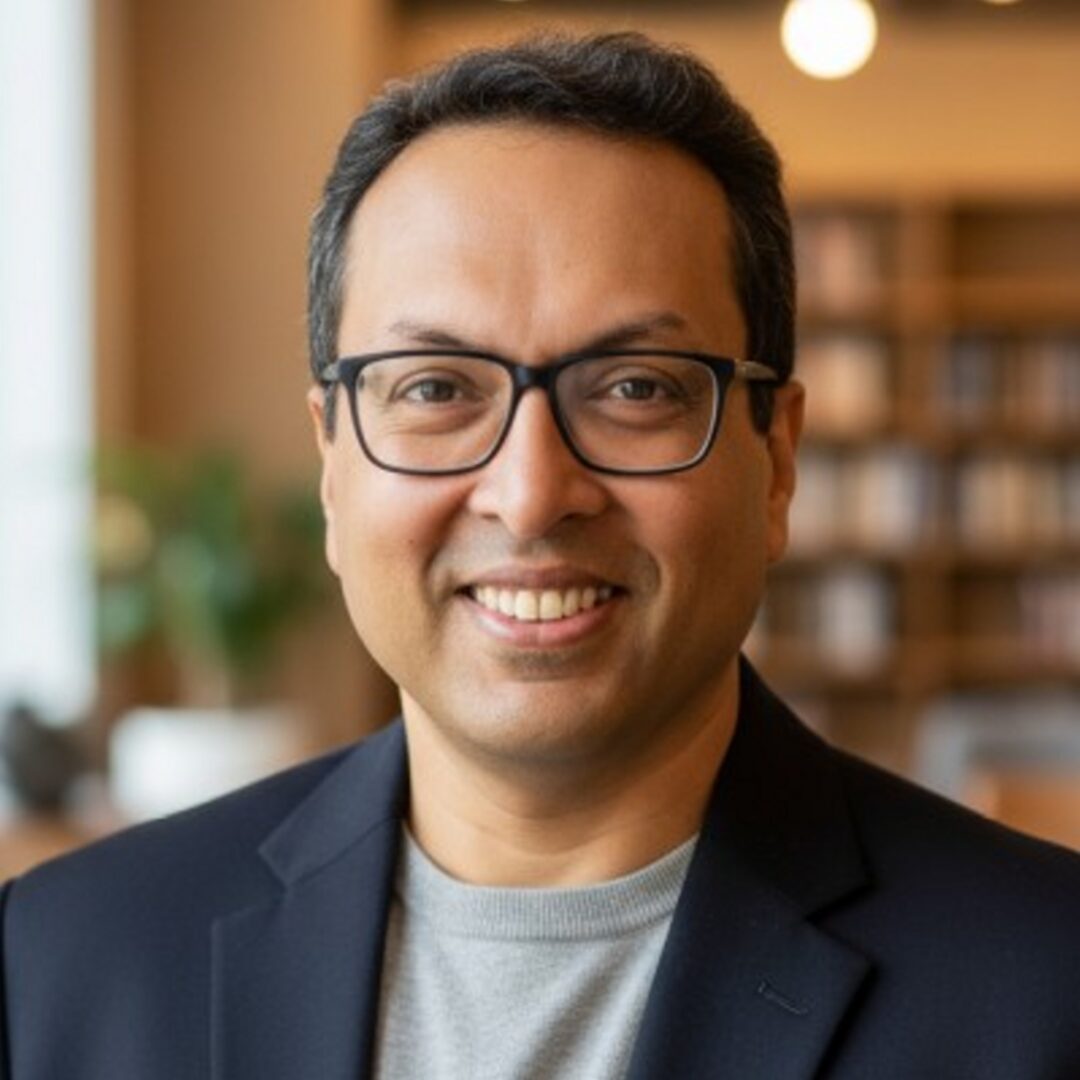
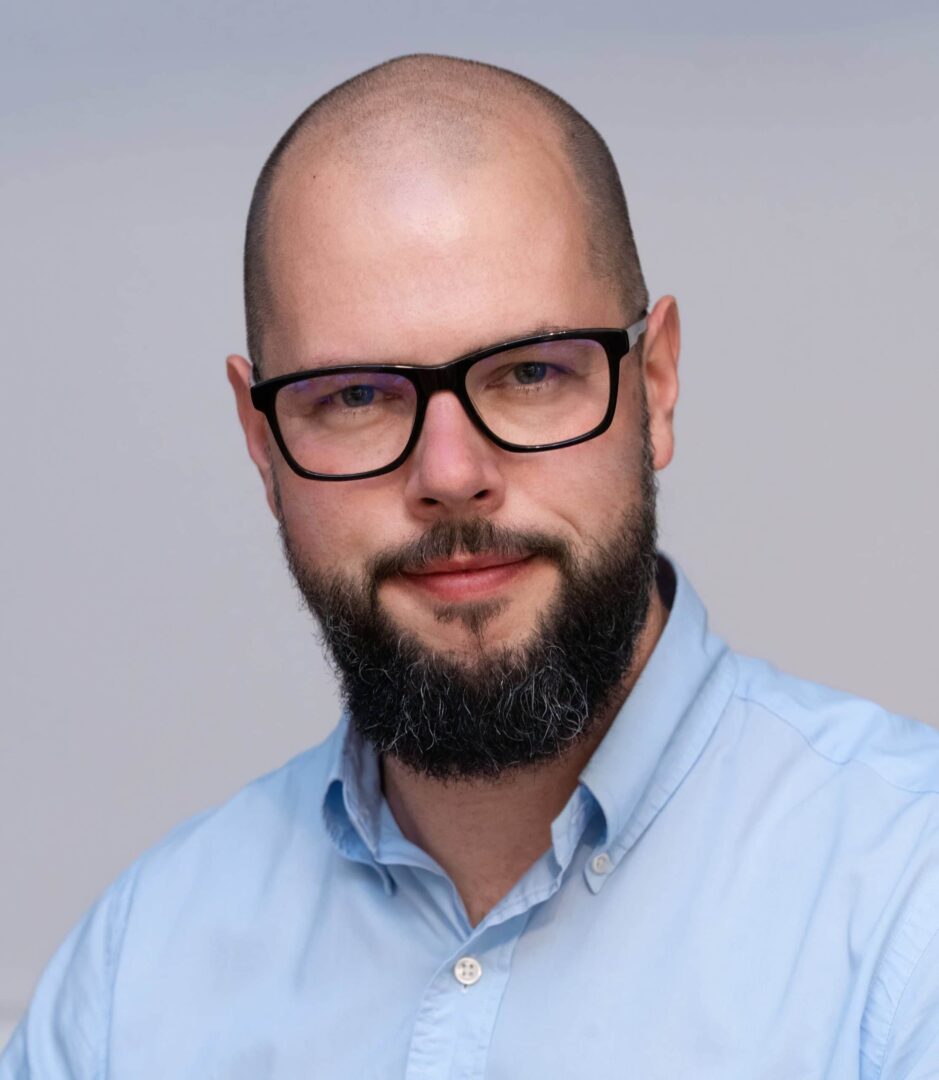
Welcome back to the show, my fellow extraordinary Americans. For today’s guest, we have Reza Safar Najad. Reza, the author of Vile Souls, is a former independent candidate for governor of California. He is an Iranian immigrant and resident of Pacific Palisades, a community most affected by the worst natural disaster to hit Southern California in decades.
Reza is running for governor to restore trust in California’s leadership, not as a career politician, but as a citizen who believes government must serve the people, not special interests. He lives among the same challenges Californians face every day—rising costs, housing pressures, public safety concerns, and broken systems that no longer deliver results.
Reza has held leadership roles in federal, state, and local governments and agencies on large-scale national and local programs for the past 20 years. Before that, he worked in various roles for private companies. Reza works for a living and lives on his earnings. Like everyone else in California, he’s an extraordinary American, and I’m honored to have him on the show. Reza, thank you so much for taking the time to be here. I really appreciate it.
Reza Safar Najad:
Cosmos, thank you for having me on your show. I’m happy to be here.
Cosmos:
So, Reza, can you tell the audience a little bit more about yourself, your background, and how you got started?
Reza Safar Najad:
So first of all, you covered it really well. Thank you for doing the intro. Yeah, I’m an immigrant from Iran. I grew up in the U.S. and have lived there my whole life. I never had any interest in politics until recently, after the Palisades fire burned down entire neighborhoods of our city.
My entire neighborhood is in ashes right now, a year and a half later, mind you, still not rebuilt, prompted me to start looking into how this happened. How could something so disastrous in Los Angeles, a city of 10, 11 million people, happen?
And everything that happened before, during, and after is what prompted me to actually get involved and run for office, where I saw a huge hole where the two parties have completely monopolized the system, have offered nothing but empty words, and plan to do nothing because they’re just continuing to offer those same empty words.
So that’s how I ended up here, running for office out of frustration, out of seeing very simple, common-sense things get neglected and end up in disaster day after day, year after year.
Cosmos:
I agree with you.
The two-party system is essentially flawed at this point. And one of the things that the audience wants to know is, like, has independence, right? A lot of us, whether on the right or the left, are more independent-minded.
We have ideas on both sides, but with rising costs, inflation, staggering wages, and everything going on, how do you think people in the middle who don’t fall on either side should proceed as Americans at the national level? The situation we have, unfortunately
Reza Safar Najad:
I think all of us in the middle are, are left kind of party-less and homeless when it comes to politics. We obviously feel these two giant monopolies don’t represent us, and they don’t need to.
That’s just the natural course of any monopoly. It doesn’t matter whether it’s the corporate world or politics; at some point, they no longer need to represent us. And I think we all recognize that these two parties are now owned and controlled by a few billionaires and trillionaires and Wall Streeters, people with lots of money who have a real interest and real profit from what these party drones do.
So one of the things I learned the hard way as I started to run for office is that, as an independent, there are no good national organizations. There’s not a whole lot of unity. And just like you and me, people are very much disfranchised and disaffected. They, they just, they just kind of given up, and it’s a lot of us.
And that showed in the California polls for both mayor and state governor, where huge numbers of people kept saying they were undecided until the last minute. They were, they were, they couldn’t find any good candidates, as far as what can we do? We really do need to get more involved, pay closer attention, and go beyond what is put in front of us.
And I’ll give you an example. I, I guarantee 99.99 of people listening have never heard of me. They probably never heard of 55 out of the 60 people running for California governor.
And I’m pretty certain because there were no independents in the top 10. In fact, if you look at the debates, you don’t see a single independent get invited. We were forced out of debate; we were kept out of media and everything else. My suggestion is that we need to start building better national organizations outside the two-party system.
And I worry it could become yet another party and could go down the same path. But we do need to get better organized, pay more attention, and dig a lot deeper and get involved. It is scary. It is, it is not easy. It has not been an easy journey running for office as an independent, but it’s also been the greatest education I’ve ever had.
Cosmos:
No, Reza, it’s very interesting. It’s really tough. I can only tell, like, running as an independent for government.
As you have, like, two parties with so, so with billions being poured, millions being poured onto both sides, and then there’s not enough finances, and there’s not enough support.
But this is happening on, like, a national level. Like, some people say there’s a need for a third party that represents independence. And then some people say that there’s no point. Like, it’s pointless because the system is already rigged.
So we just need to focus on ourselves. But what is your approach, opinion on that matter? If you could elaborate, like on a national level, like in all 50 states, what should we be doing?
Reza Safar Najad:
So you know, people say politicians and politics are corrupt, and it’s rigged. And now that I’ve had a glimpse inside, I can tell you: you have no idea how corrupt it is. Is it rigged? Yes. Are we going to give up and just go, “okay, throw our hands up, walk away, and not do anything about it”? I think that’s even worse; it will give us an even worse outcome than what we have right now, given up.
I come from a country that went from a monarchy to a democracy for a very short while and very quickly was manipulated by corrupt people- I don’t know what to call them- who decided to become tyrants and dictators. The outcome is exactly what you see.
The Iran you see today is the outcome of a rigged system where people gave up and said, you know what, it’s too hard. I’m not going to participate. I’m not going to fight against the system. So no, giving up is not a good idea, and it is rigged, and we need to unrig it. And there are so many facets and so many things that have been done to help rig it.
And often people talk about Citizens United States, which allowed unlimited corporate money, all sorts of things that allowed unlimited PAC money, allowing the super rich to donate ridiculous amounts of money, things we, you and I, cannot possibly even collectively match. Those are all things in front of us that are challenging, but giving up is not the right way to go. This is our country. It’s worth fighting for. I say we fight for it.
Cosmos:
No, for sure, it’s definitely worth fighting for. It’s part of the reason why Extraordinary America even started. But, for me, it’s about having a grassroots movement where people take care of their own finances, because right now there’s a lot of inflation. there’s like, like wages are not. Like people are having dead-end jobs. And then people are just losing hope in the American dream.
But Reza, one of the things I wanted to ask you was what the experience of running for governor of California was like. Like, like, if you could elaborate on what it’s like running as an independent, what’s the situation? Because many people are curious about how this all works.
Reza Safar Najad:
I had no background in this. This came out of a Palisades fire. Out of anger and frustration, I started looking into this and saw corruption beyond anything I had ever imagined. I started getting involved with some of these recall campaigns, and this was my introduction to politics. And as we’re doing a recall against Gavin Newsom, the California Governor, and Mayor Bass, and seeing it fall flat, we’re realizing how rigged the system is.
We can’t get on the media. The media does not want to talk to us about it. They’re acting like we don’t exist. We are doing a recall against two heavyweights of the Democrat Party. You would think the Republican Party would be aligned with us, right behind us, helping us do the recall because now there’s a chance that a Republican could win. The Republican Party fought harder against the recall of Gavin Newsom than the Democratic Party did. The head of. I forget if it was the LA GOP or the California GOP, but they got on a podcast or show with the head of the Newsom recall, debated him, and said flat-out, “We don’t want Gavin Newsom removed because he’s screwing up every day.”
And the worse he makes things for Californians, the better the chances of the Republican Party winning in 2026. Wow, this is horrifying. They’re basically throwing us into the fire in front of the wolves and saying, you guys get screwed so we can win. And the Democratic Party is no different. They were doing the same thing at a national level. They are purposely and knowingly allowing the Trump administration to make life miserable, to allow members of Congress to make things miserable so somebody else can win. And that’s just evil and wrong.
So the experience started with that, and it was. And as I got to know some of the candidates running, most of them were independent or independent-minded Democrats and Republicans seeking various offices. I found really good, qualified people running for LA mayor, for local council, for state senate, for anything you can think of. And they’re all getting sidelined. And the one race that I couldn’t find anyone, anyone qualified or able and willing to lead, was the California governor. And this is the most consequential in California. We can have four or five seats in the state senate. It won’t matter because the establishment has a stranglehold on everything right now.
So it was not so much that it was planned; it was literally out of frustration. On the last day, I think before the signatures were closed or the petition was closed, I drove myself to the office, picked up the petition, went out to the street, and started collecting signatures to get on the ballot.
And I met a political strategist, Randy Economy, who was working on the recall for Gavin Newsom. He’s been guiding and helping. You know, he’s, he’s retired, but he’s not retired. And there were tons of really good people, and a lot of help came from other political novices like myself who are running, and we’re all talking to each other, learning from each other, and trying to move forward. Like, literally, it’s like, “Hey, I’m doing this for fundraising.” I think it’s working. Everybody try this. Or somebody says, I did this for signature gathering, didn’t work. Everybody go, go. Everybody go to the farmers, markets. I got a lot of signatures there, right? So, that was a lot of the experience.
And, and so like I said, this was the greatest education I’ve ever had. I saw the power of social media, how effective it can be. I saw the power of media, general media, how we got shut out of it and how big a difference that makes. So, it’s been a hell of a journey. I could spend hours talking about it, but if you want, we can like focus on specific areas.
Cosmos:
I think more people need to understand, like, from an independent point of view, like how almost a lot of Americans, at least like millennials and Gen Z, are seeing the two-party system because, I’m from the millennial generation and like our generation, like we’re looking for a new type of leadership. Like not the same thing that happens again and again.
And so one of the things I was curious about asking was about the media, right? Like a lot of people say the media is rigged or like they’re very biased. And then you have Fox News on one side, and you have other media outlets like CNN on the other side. But from your perspective as an Indian independent, what was your experience of how the media portrays independence, or like, and
Reza Safar Najad:
other candidates, in general, just shut you out, basically. So, everybody has heard about the LA mayor candidate Spencer Pratt by now, but originally he was pretty much shut out of the media.
So 100% of his coverage was coming from his own social media, from podcasters, et cetera. And that’s been pretty much my coverage and almost all the coverage for the majority of independent candidates, if not all of them. It is nearly impossible to get on any pod or any show. Podcasts are a lot more open right or left, right. So there’s this very clear divide that they are either right-leaning or left-leaning.
And so, for independence in the middle, getting there and trying to talk common sense, they, they love controversy. They love people to yell and scream and talk crazy. But if you’re talking sense and you’re not bringing in tens of millions or hundreds of millions from the party system and donors, you will get shut out. So yeah, I, I have to agree that it is definitely a rigged media that you know we’re not getting the attention and, and the war is not getting out for sure.
Cosmos:
I know speaking like media, over the last year or two years the, there was a lot of, there’s always been a lot of controversy between Gavin Newsom versus Trump. It’s like a big showdown, and then they just, it’s just like one. It’s kind of like a circus almost. But it’s very entertaining. So do you think like the media just loves battles like that where they’re just calling each other names, insulting each other and all that. But the real solutions are not being solved, and most people are just being left out.
Reza Safar Najad:
Right. And the even more comic part is that Gavin Newsom and Donald Trump are mirror images of each other. They’re both narcissists; they both spend more time on hair and makeup than, you know, anyone else spends on beauty. Right. They talk nonsense.
Even when they try to be nice and say something nice, it always comes out as narcissistic. And it’s obvious. It just comes out, and yeah, absolutely. The media loves them; they eat up this Gossip Girl, Jerry Springer-style shows where people just yell and scream at each other without any real action, without any real outcome out of it.
And, and the outcome for us is obvious. You know, we are the ones who have to deal with people experiencing homelessness, with the drug addicts, with burned-down houses that we have to struggle to make ends meet. And it, and it’s, it’s a national issue and a state issue in California. It’s more acute than anywhere else.
So yeah, they, they love that you just say controversial stuff, say crazy things, and, and most important, agree with them. That’s the most important thing. If you want to get on Fox News, you better start talking right-wing nonsense stuff. Suppose you want to get on. I don’t know what the shows are on the left-wing side, but you better start toeing the line, speak whatever nonsense there is. And we saw this among a lot of the candidates, who have been extremely hesitant and careful not to criticize Newsom or, on the right, Donald Trump.
And again, criticism is not going to amount to action. Right. But the fact that they’re scared even to say anything controversial about their own side, then say crazy things about the other side, just spew, and do clown-like actions is pretty obvious. This is how you get on the media today.
Cosmos:
I found it really funny. There’s this person, Kimberly Guilford. She was originally the wife of Gavin Newsom, and then she ended up with Don Jr., and that was one of the craziest turnarounds I’ve ever seen. It was one of the things I did when I was in Texas; it was pretty fascinating.
But back to the things right now, like, you know, extraordinary America is, personally, from the way I perceive it, we’re independent. I’m looking at both sides, and do you feel like this has become like a toxic narcissistic type of family dynamic between the two parties and it. Or like how do you perceive it, like, the millennials and Gen Z right now, as independence?
Reza Safar Najad:
So there’s, there’s two things you brought up. One is there is absolutely this narcissist thing where they’re just shouting at each other and creating a show, and I’ll, I’ll give Trump prompts for sometimes just coming out and saying it.
Remember the famous meeting with Zelensky where they yelled and screamed and called him names, and at the end he goes, “This is great TV.” At the very least, he can’t hold his tongue, and it comes out. But that’s what a lot of it is. It’s just made for TV, made for Instagram. They try to make everything into little 30-second sound bites so they can get on Instagram and become Instagramable. Right?
Cosmos:
Yeah.
Reza Safar Najad:
It should be obvious. I do find it interesting that more Gen Zs and millennials turn on to this and realize that’s what it is. Especially Gen Zs, I’ve noticed, really, catch it. I don’t know why, but they catch it very easily. One interesting thing that I came across as I’m talking to potential voters- I’m talking to people doing signature gathering- is that there’s definitely a generational divide. The, the, boomers would not sign.
Most of them, not all, most of them would not sign my petition just to get on the ballot. They had very little interest in someone who’s a nobody, as, as they saw it, running for, for governor. Don’t want even to listen. I don’t know what that is. I don’t know if it’s because they’re afraid to change.
They’re like, hey, I’ve lived through all of this. I don’t want to, I don’t want change or anything else. I, I don’t have a good answer for it. Pretty much all the support came from Gen Xers, millennials, and especially Gen Zers.
No one was more open to independence, to people who are not running with a big giant political machine behind them, than Gen Zers.
So I don’t know if I can, if, if I can chalk that up to being young and being open or people realizing, yeah, this system is not working for us and doing the same thing over and over with the same people, it’s just going to keep giving us the same results. But there’s definitely that generational divide that’s coming up.
Kazim Abiodun:
No, for sure. I mean, at least in my generation, Gen Z, like, we’re looking at wealth and income inequality, and yeah, don’t get me wrong, the entertainment and media, like the circus, like, like a lot of us call it the bread-and-circus thing.
Like, it’s very reminiscent of the Roman Empire. To be honest, where, you know, like the political elites, they’ll give bread and circuses to the masses, and then they’ll distract from the real problems while they create entertainment.
And I, that’s like the aura that I’m getting whenever I’m seeing all of this because it’s, it’s like really wild. But then it just distracts us from what the real issues are, like. People are like, the rising costs, affordability, and all of that.
Reza Safar Najad:
That is, that is an amazing analogy. Actually, that’s the best analogy I’ve heard to what I’m seeing today. The, the Roman Empire giving out bread.
So when you listen to the debates between all these top candidates, they handpick them based on parties, donors, and owners, and they rattle off the same thing over and over again. Homelessness, housing, affordability, crime, environment- just keep, and they’re like, I will solve that problem. And they keep offering these gimmicky solutions and ideas, like, “Okay, we’ll give everybody a down payment to buy a house.” You can’t give a down payment to 10, 30, 40 million people in California where the average price of housing is a million dollars. That’s your average. Right? It’s just not possible. We have almost 400,000 homeless now. I get the official number is like 200,000. But we see them on the street. I probably saw more than 200,000 people homeless just in the last few days walking around LA. We got people sleeping in their cars; we got people bunking with their friends. Those are homeless.
So you can’t house all of them. These people have drug problems. You know, you can’t keep pushing drugs in front of them and, and then you know, give them a house; they’re not going to be able to live in it. They can’t make ends meet. The problems go on and on.
And that’s a really good analogy, kind of going back to the business world: they’re giving gimmicky solutions and ideas. When anyone who’s ever built a company, run a company, run a state, county, country, nothing is built on solutions and ideas. They’re built on strategy and execution, and we’re clearly missing that.
And there is no real strategy behind how do we house 400,000 homeless, most of whom are drug-addled, have mental health issues, don’t know how to take care of themselves. What is the long-term strategy? How do we make sure housing and everything else- food, electricity, health care- is affordable the way it used to be back in the 80s, 90s, whenever you, you, whatever other time you look at.
And so they all love talking about these surface problems and quick gimmicky solutions when we know where the problems are coming from. You and I can see these monopolies being created, whether through mergers and acquisitions or by companies creating them from day one. Companies that are monopolies are manipulating everything from, you know, farming, food, health care, housing, everything else, where there’s no competition. There are no opportunities for people to start businesses, to do things.
Because now you’re competing against the $100 billion company versus 100 smaller million-dollar companies. And so yeah, everybody loves talking about little gimmicky solutions. And I, I really like your analogy, and if you don’t mind, I’m going to start using it.
Cosmos:
For sure. But like that’s something that I noticed. Like, it kind of, like, in the Roman Empire in ancient times, the way the Roman Empire fell was that the elite did the bread and circuses, and then they would debase. The Roman Empire truly fell because of rising inflation. And then they didn’t do anything about it. And then all the while the, the masses were being, the floods were being distracted. But I’m seeing right now instead of the debasement of the currency,
what they’re doing is inflation, the fiat money. They just keep printing trillions and trillions of dollars, and it’s backed by nothing. And eventually, it’s like wages aren’t keeping up with it, which is driving up housing costs. And just like you saw, they’re even suggesting creating a 50-year mortgage, like the one in the news a couple of months ago.
And that’s like ridiculous, you know, like it shouldn’t have been that way. Like in the 60s and 70s, it was, but now people are finding it unaffordable. And especially in the last five years, that’s been the major issue, and that’s what, personally, Extraordinary America is trying to address. But obviously we’re not getting more media coverage compared to other people.
From the two-party system as such.
Reza Safar Najad:
Right. So I think all of us who pay attention see this debasement of currency, right? As our money becomes more and more worthless, they can raise the minimum wage all they want. If you’re $22 an hour, it wasn’t worth $5 an hour 25 years ago.
It doesn’t matter what you raise it to. And you’re absolutely right. They’re printing money like there’s no tomorrow. They’re the government, and corporations are taking on debt like there’s no tomorrow. Everybody’s borrowing money—the billionaires. Sorry, say that again.
Cosmos:
It’s not sustainable.
Reza Safar Najad:
It’s not absolutely. 40, what are we at 40 trillion now? National debt, our interest on that alone outsizes our military spending, everything else. It is wild. The printing of cryptocurrency is now, again, manipulated and monopolized, where the rich give each other permission to print cryptocurrencies.
Again, the depth that everybody’s taken on, including the super rich, so that they don’t have to sell their stocks, whatever stocks they own, and Meta and Amazon and everything else that’s inflating those, and then buying hard currencies, hard assets like housing, like gold, like entire islands in Albania. That is, essentially, they’re printing their own money, buying hard assets with it, and leaving nothing for everyone else.
Cosmos:
No, for sure, but, but like now the thing is like what is, what is to be done? Like, especially regarding the American dream, which is the next thing I wanted to ask you.
Reza. So a lot of Americans right now in, in our generation are getting more and more hopeless when it comes to realizing their American dream. Right.
So like from your perspective, what do you think Americans should do, especially like the masses of people that are not on the right or the left, like the independents, what should they do all across America to like get back to the dream that they were being promised as a national identity?
Reza Safar Najad:
So our national identity is there. I, I would not give up on that. I would not give up on the American dream. I came to the US in the 1980s, and it was definitely alive and kicking in the 80s and 90s, up until pretty recently.
And I do see that in my own kids and friends and family, people who are giving up and just saying, you know what, I’m just going to do the bare minimum, get by whatever it is. Right?
So giving up is not a good solution. Politics, government, our well-being, and our financial system are all going hand in hand right now. That’s just reality. So we have to stay involved; we have to stay informed.
That’s the most important thing. I think the only thing worse than not being involved is voting and getting involved while being uninformed and/or having bad information. Because as we elect people, a bad person, a bad actor, is worse than someone who’s just there and not doing anything.
So those are some of the things. Independence. I think I’m seeing what you’ve probably already seen and recognize, which is we do need an independent movement at the national and multiple levels. In every state, we need independent movements—something to put independence on a level playing field with Democrats and Republicans, etc. And we don’t have that right now.
And California is front and center in this. California is the best example of this, where they made it law a few years back that only two people, out of all the candidates, including independents and third parties like the Green Party, etc. Everybody- only two can move forward. Guess who those two are? Either two from the two parties or two from the same party, which are the two giant monopolies.
Cosmos: Wow.
Reza Safar Najad:
So. So I would love to see us get together and create some
national and in every state, similar to the Democratic and Republican Parties, create platforms. Create movements to allow. To help everyday citizens, which is what democracy is based on. Everyday citizens. Us, the people ruling over, not ruling over, but. But taking the power of. Of the people and making things possible in this race. I found it kind of interesting. A lot of people were for Tom Steyer. Tom Steyer is a billionaire who’s running for office. In the Democratic Party.
But his thinking and his way of talking and actions are very much aligned with independence. And I, you know, I, I made it very clear. I cannot, I cannot, endorse any candidates on the governor’s side. I couldn’t find a single one. I. There were good candidates at various political levels running for office, and the governor was one of them. I couldn’t find one.
They said, why don’t you back Tom Steyer? And the reason is not that he’s a bad person or he has bad ideas or bad solutions. It’s because at the end of the day, he’s a billionaire. He doesn’t live among us. He’s not of the people. At the end of the day, his lifestyle is different. And whatever the outcome is, it doesn’t affect him as much as it affects us directly.
So I would love to work with anyone anywhere to help create, build, nurture an independent movement nationally, statewide, anywhere where we can go back to being a government of the people, by the people, for the people. I think that’s the basis of democracy. And that’ll be a good start to start changing things where we don’t have to constantly compete with billionaires and trillionaires when it comes to legislation that profits them and takes from us.
Cosmos:
No, for sure. We definitely need like an independent movement, and it’s lacking at this point. But a lot of, like, millions of Gen Zers are looking for something new. Like, they are tired of the old ways and want a new way of doing things. But it’s kind of like an uphill battle in today’s world.
And so it requires like a strong grassroots movement.
Reza Safar Najad:
For sure, absolutely. And I will say one of the things that disappointed me was the grassroots movements. I found out a lot of grassroots movements have already become corrupted by having Democrats or Republicans or big money move into it, which you need right now. You cannot do anything without money right now. They have made it impossible to do anything with a lot of money. However, taking money, taking money from even billionaires, should not mean that we become corrupted.
And so if we can, if we can have real leaders, leadership, and we do see it, we do see come across people like Bernie Sanders, Thomas Massie, and others- people we may disagree with completely, but they are not so corrupt that they’re selling us out. And people always ding Bernie Sanders for himself having accumulated wealth, or Thomas Massie being very right-wing.
But at the end of the day, these are good examples of people who have some principles; they do look out for our country. There is some level of fairness and serving our country, and that may be what has changed from the last 50 years to today, or the last hundred years to today, where I am not saying, you know, Clinton or, or, or Bush or Reagan or any of these people were, didn’t do anything that was not corrupt or, or wasn’t self-serving.
But I think at any point all of us went to bed knowing there’s somebody at the top, be it the governor, president, senators, that at the end of the day are looking out for us and they’re not so corrupt that they’re going to throw us under the bus just to have a profit for sure.
Cosmos:
And Reza, on to elaborate on this. Right.
I want, I was very curious. What is one of the biggest lessons or revelations you’ve found about politics over the last two decades you’ve been involved?
Reza Safar Najad:
So honestly, most of my involvement just came in the last year or so. It’s mostly been watching it from the outside and participating like others by voting, watching, listening, etc.
I think the biggest Revelation would be that money has corrupted our political system and created a circular profit system where money keeps going into politics, comes out, and feeds back to the people who put it in. It comes out, and the most. The saddest part is that a lot of this money actually comes from us, the people. Most of the money we see going to these politicians to corrupt them is coming from Wall Street money; it’s coming from our retirement money; it’s coming from our 401 (k) s that go into stocks, bonds, et cetera. And they just use that money against us.
So I think the biggest revelation may be that we’ve got to get big money out of politics, and it has to be one vote, one person, one vote, versus one dollar, one vote.
Cosmos:
No, for sure. I definitely think that, at some point, something has to be done. Because like if you take a look at history, right, like democracies normally when, when things stagnate and I’m going to bring up the Roman Empire again, right, so whenever the bread and circus thing and the debasement happened, what would happen is that the empire, the empire, the Republic would corrode from within and then authoritarians and tyrants will start taking over and they’ll just appeal to the base denominator for of the Lego, the common base denominator for the masses. And then they’ll just take power, and then that’s how nations die.
So if we don’t research and, like, restore at least some aspect of it, it’ll just continue on a downward spiral, right?
Reza Safar Najad:
And that kind of goes back to where we, where we started, which is as more and more people become disenfranchised and give up and walk away, it becomes a smaller group of people who are voting, who are participating.
And so we’re seeing, as you said, we’re seeing this corrosion of democracy where the politicians don’t have to appeal to everyone, they don’t have to work for everyone, they simply have to serve, or pretend to serve, a much smaller group. Right? And so, unfortunately, I, you know, it’s, it’s, I hate to bring up the movie Idiocracy. It feels like we’re moving in that direction, and what we’re seeing is smart people and a majority of intelligent people. The majority of informed, smart Americans give up and walk away.
So we’re seeing politicians more and more try to appeal to that tiny group that is still voting and somewhat involved, and just basically fool them into voting for them year after year.
Cosmos:
So Reza, this is one question that I had, and I wanted to ask for the sake of the audience, right?
So in the last 10, 15 years we’ve seen the rise of very, extremely narcissistic politicians. Like, the ones that succeed most tend to be media-savvy, narcissistic, and all of that. Is it possible for good people to get to the top of politics, on like a national level or a state level or is the system designed in such a way and is the media designed in such a way that only those that are the most narcissistic and bend to the lobbyists and all that will end up succeeding and then all the good people who with moral integrity will actually fail no matter how hard they try to do anything?
Reza Safar Najad:
I think we are all seeing that same pattern, right? It’s the influencers, it’s the famous people, it’s the people with the best hair and the tallest people who, you know, get votes, get in front, and get attention. And it is, unfortunately, part of our society. You know, it’s, you can go back in time all the way to Kennedy. I think one of the reasons Kennedy became president, one, not all of it, is because he was a good-looking candidate. And this is when television became common, right?
And we’ve seen that kind of progress get out of hand. And now it’s the most Instagrammable. And as you said, it is beyond just looks, beyond just being able to speak. We saw Barack Obama, someone I don’t care much for, but he’s, he’s a very good speaker. Right. But that’s what sold him—good-looking guy who’s a very good speaker. And, and that helped propel him.
As it gets bigger, the whole media thing gets bigger, and it becomes shorter, tiny, Instagramable stuff, and more narcissistic. It’s up to us to reject that, to look beyond that and not dismiss people by their looks because they can’t speak as well. Because your job as a governor or mayor or president is not to speak; it is to govern; it’s to do things. And so looking at the content of a person, go beyond the shallow, what do they look like, how do they sound? Is going to be very, very important. And this is something we can overcome, and we can certainly reject that narcissist social media kind of person.
Cosmos:
No, for Sure. I mean, that’s just something that I’ve noticed that I. It’s very hard for good people of moral integrity actually to get ahead, and like not bend to either side because this, because the lobbyists and like all the millions and billions have been poured on and also like the media being also like, you know, biased as well.
So it’s kind of that situation. It’s something that I’ve noticed, like, good intake, like people of integrity, like can. But it’s what, it’s what a lot of people are seeing as well. It’s creating the hopelessness amongst millennials and Gen Z.
Reza Safar Najad:
Too true. But there’s also a little bit of hope, as I talk and listen to the newer generation, especially Gen Zers; I do see that. I do see them kind of not getting fooled as much and not being as much a. You know, is this kind of distinguishing between somebody who’s just purely Instagrammable and looks good for a few seconds and actually listening to people and, you know, thinking about, is there something behind it?
So I am becoming a little more hopeful as I’ve gone through this process. But I definitely see your point that it has gone to an extreme of narcissism, and whoever can put on the best show.
Cosmos:
No, for sure.
And Reza, on another note, I also know that you read, you authored this book, the Veiled Souls. Could you tell the audience a little bit more about this and what it’s about? What it’s about?
Reza Safar Najad:
Sure. This was a long time ago. This was back in, I want to say, 2008, 2009. This was, I believe, toward the tail end of the George Bush era. And there was a huge divisiveness in America, a lot of talk about the Middle East and Iran, etc.
And actually this works out kind of well, unfortunately, with another writer, the writer of Sepulves. She is also an Iranian immigrant, just like me. She lived in Iran, witnessed the. Iran’s bloody revolution, the Iran-Iraq War firsthand. She was the first person to actually write about it from a child’s perspective because I couldn’t tell you what that looked like from an adult’s perspective.
So The Veiled Soul was a combination of my experiences before, during, and after Iran’s revolution, as well as my ex-wife. And this was kind of our combined stories. Her story was a little more personal. She came from a Baha’i family, which is a minority family, and they are discriminated against. I’m also half of my family from my father’s side are Baha’i, so I’m quite familiar with that.
And so it was a combined story of family struggles: a family had to deal with a suicide, you know, love stories. And then also in parallel, having to deal with Iran’s revolution, suddenly going from, you know, just average ordinary people to suddenly becoming labeled as a minority and being discriminated against and living through the Iran-Iraq War, and having to flee the country, and adjusting to life in the U.S. so that’s, that’s what that story is, a short book. You know, hope. Hopefully it’s a good story.
Cosmos:
No, I mean, I’ll definitely recommend my audience to take a look at it because it’s, it’s pretty interesting.
And Reza, do you have a message for any independents watching this? Like especially the millennials and Gen Z. And do you have anything to say about how they should see the national politics and just everything in general?
Reza Safar Najad:
There is hope. There is hope, especially with the newer generation. I’m seeing kind of authenticity and deeper thinking that I think we’ve been missing for the last 10, 15 years. So I’m becoming hopeful. Reach out to other independents. Reach out to people. Politics may seem horrible. There are good people out there. Some people care. People get involved because they care. Do not be afraid to talk to Democrats, Republicans, Socialists, MAGA. Doesn’t matter what it is. There are good and bad people on all sides, and all you have to do is seek the good, and people will help you out, and good people will help other good people.
So don’t give up. There are some small organizations. I, I met a whole bunch of independents through a platform called goodparty.org. They are a platform in the. For independence, and they do help. And let’s just build. Don’t be shy, don’t be afraid, and let’s keep building this.
Cosmos:
Thank you for that message, Reza. And Reza, how can the audience connect with you, get to know you better, and learn more about your work and everything you do?
Reza Safar Najad:
the. I’m going to leave the site up for a while. I believe there is an email on it. Email me. And at this point, I’m the only person looking at that email as our campaign draws to an end. So email me. There is a subscription. I do pay attention to that sometimes or often. So please: Instagram, Reza for California, Facebook. Please connect; send me messages. I’ll check the messages.
So, absolutely. I’m happy to help anyone, especially independents, who want to make a difference.
Cosmos:
That is amazing, Reza. And Reza, thank you so much for taking the time to join this podcast and share your wisdom and knowledge about everything that’s going on. And I. I really appreciate your efforts to make a difference in this country, and I do hope you come back to the show later.
Reza Safar Najad:
Thank you. Thank you so much for having me. It’s been. This has been a blast.
Cosmos:
I want to conclude this episode by letting my fellow extraordinary Americans know that, hey, there’s an extraordinary within every one of us. It’s our duty to awaken it and unleash it. Until next time. Bye for now.

 Amazon Music
 Apple Podcasts
 Audible
 CastBox
 Castro
 Google Podcasts
 iHeartRadio
 Listen Notes
 Overcast
 Player.fm
 PocketCasts
 Spotify
 Stitcher
 TuneIn