Cosmos:
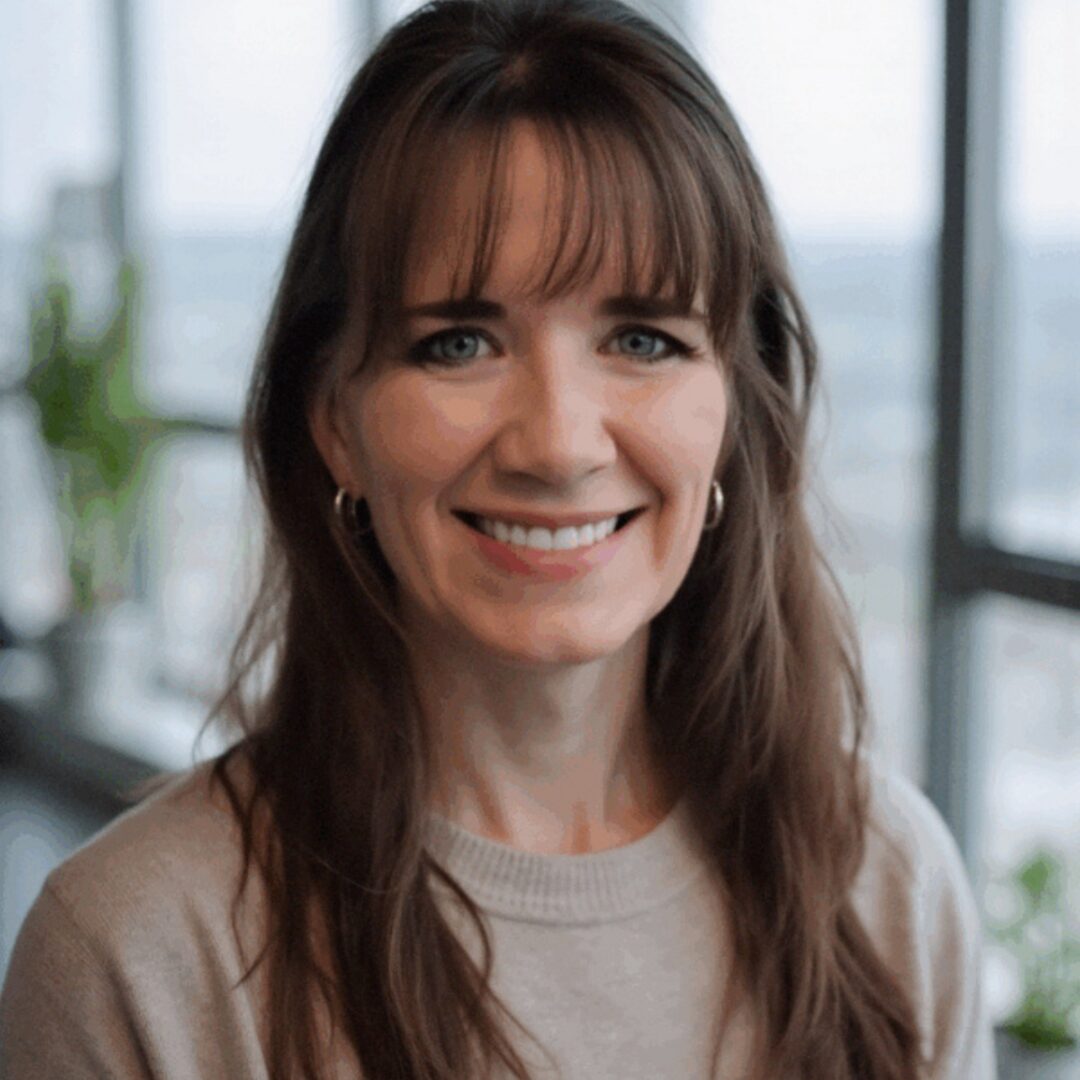
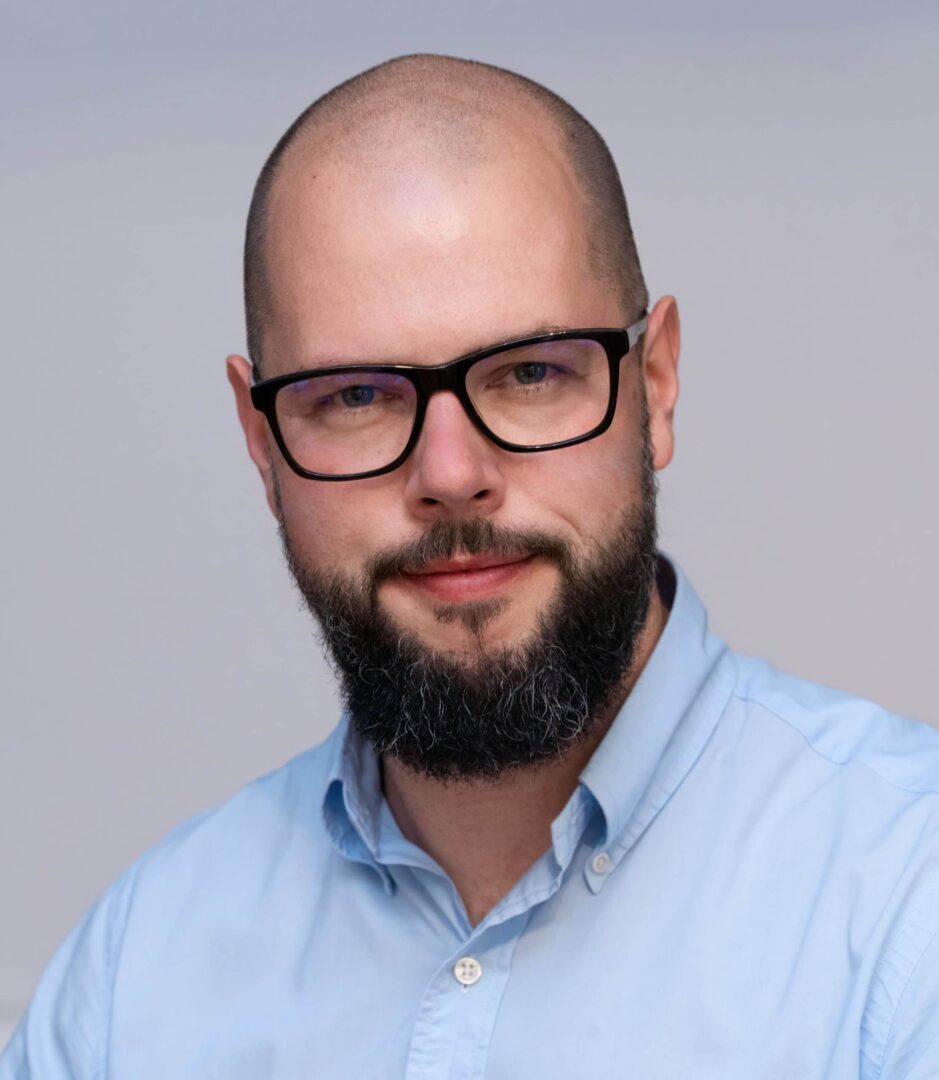
Welcome back to the show, my fellow extraordinary Americans. For today’s guest, we have Lisa Clements.
Lisa is a financial advisor and wealth manager who helps single professional women build financial confidence and freedom without the jargon, judgment, or high-sky fees of traditional firms. After a successful corporate career at Meta, Accenture, and Bark, Lisa launched Clearsprings Wealth to empower women who are divorced, widowed, and never married professionals to feel confident in their finances and excited about the life that they’re building. Known for her clear, approachable style, Lisa breaks down intimidating money concepts into relatable, real-world strategies.
She believes financial planning should feel empowering, not overwhelming, and that your money should support the life that you were created to live. She’s an extraordinary American, and I’m glad to have her on the show. Lisa, thank you so much for taking the time to be here.
Lisa Clements:
I’m so happy to be here.
Cosmos:
Yeah, Lisa.
So Lisa, can you tell me in the audience a little bit more about yourself and your story, your background, how you got started in this?
Lisa Clements:
Sure. I had a corporate career in human resources for over 20 years, specifically in recruiting. Loved it because it was all about matching people to the right job opportunities and then helping organizations grow and scale, with the right talent.
So I did that mostly in the United States. I did have some international travels that I got to do. I got to live in India and the Philippines for a while, worked a lot in Eastern Europe, and through all of that, just loved then scaling recruiting groups to meet the hiring targets. I was living in California working with Meta, and the rest of my family was here in the Midwest. And after about three and a half years out in California, it was one of those, they call them come-to-Jesus moments, where you have to go, okay, I love what I’m doing. This is, you know, but I’ve been in this career for over 20 years now. I’m living halfway across the country from the people who are closest, nearest, and dearest to me. Is this what I want to continue doing for the rest of my life? And I decided, no, no, I need to make a change. I need to get back to where the family lives and be a part of their lives.
And I kind of had a period of searching and recalibration. I got a coaching certification, then learned options trading and more about the stock market, and really took a step back and said, “How can I help other people?” What knowledge do I have from my corporate career, from my coaching certification, and from my trading and investing experience? How could I help other people? And that’s when I landed on the idea of becoming a financial advisor for single women.
Cosmos:
Interesting. So, Elisa, like, what was the motivational factor that got you to, like, leave your corporate career and then start Clear Springs Wealth? And why, ah, specifically on single women?
Lisa Clements:
Yeah, the main reason I left corporate was that I felt like I had experience. Like, I was a senior director at Meta. And there was very, very, how do I say, I wasn’t sure, how much longer I would want to do the same thing, and wanting to be near family. And so those were the two drivers for leaving the corporate world: getting closer to family, having done it for so long, and being ready for something different. The reason I focus on single women is that I am one. I’ve always been single. And I have found it so challenging to make all the financial decisions all by myself.
You know, when it comes time to buy a car, lease a car, buy a house, or keep renting, invest in real estate, or, you know, how much should I be putting away in retirement? Do I use the pre-tax part of my 401 (k) or the Roth part of my 401 (k)? All those decisions I felt like I was making alone. And I thought, gosh, that just stinks. Man, it is hard day after day, not only to drive in a career, but then come home and make all these financial decisions by yourself as well.
Cosmos:
No, I mean, it can be overwhelming for a lot of people. And in your case, like, you’re focusing on single women, but, like, what do you think are the biggest financial challenges single women face that married women don’t even have to think about?
Lisa Clements:
I think it’s that there’s no partner to lean on. So when you want to, you know, they say people are now changing careers, what, four to six times? It’s harder to change careers when you don’t have another income to rely on. So it’s hard to recreate yourself when you’re single. I think the single kids in the family are kind of expected to take care of mom and dad, because the other siblings are busy with their families.
So I think that’s kind of an additional consideration. Women live longer than men, so we have to plan to have income for a longer period than men do. Women have often taken time out of their careers to have or raise kids. And many women continue working, but they’ll often opt for roles that allow more flexibility, which can mean they’re limiting their growth opportunities.
So they’re saying no to a potential promotion because they want to be able to leave work early to, you know, shadow in the classroom, help out with the school party, or go to soccer practice.
And so by the time the kids are grown, and they’re driving their career again, they’re further behind where other singles could have, you know, where others are because they had the opportunity to drive, drive, drive, drive, and didn’t have the additional responsibility of children. And then, yeah, the last thing is just that I think it’s really hard to make all the decisions by yourself. So I guess that’s not a female thing. It’s for, you know, men and women. Whenever you’re doing anything alone, I think there’s a little bit of an added responsibility because you really don’t want to mess up.
Cosmos:
No, I think the last part, what you’re saying, is true. It’s, it’s actually everybody at this stage because of, like, the current state of our economy and just how, like, there’s been inflation over the last few years, and people are just, like, struggling with debt. It’s just that a lot of people these days are feeling overwhelmed by money.
What is your perspective on, like, the current situation, people’s everyday struggles with money, and what they should do about it?
Lisa Clements:
Yeah, great question. There’s no doubt, I mean, the inflationary pressures, the cost of groceries, how much money you have to have even to be able to get into a home, the fact that the Trump administration even brought up a 50-year mortgage as a possibility is a direct correlation to how expensive it is to get into a house.
So, I first of all completely agree with you that yes, that is something I think most Americans are feeling, how to deal with that. Oh gosh, so many things, and often it’s not going to be one thing that changes out, at all, but it’s things like being willing to make a job change. So when you switch jobs, when you go from company to company, it’s your biggest opportunity to increase your salary. And so a lot of times, and, and I guess I was gonna say women in particular, but I’m not sure how this affects men or not.
So it’s not fair for me to say. But I think a lot of women get the reputation for being loyal. Like we’re loyal to our companies, and so we’re less likely to explore other opportunities. Oh, it’s pretty good. We’ll just kind of hang in there. You know, asking for compensation increases is something we need to be able to do. Looking at and making sacrifices in terms of not living alone, such as renting out a room, getting an apartment with someone, those kinds of things can help lift the financial burden. The part-time job, the side hustle, those are things I have a few clients who are like, Lisa, I’m in my corporate job, I need it for the benefits and the stability, but I want to make more money. And so we spend a lot of time
00:10:00
Lisa Clements:
talking about side-hustle opportunities and exploring them. So the side hustles, the sharing of, the cost of living expenses, the not being afraid to look for another job opportunity, the being bold to ask for salary increases, those are probably the top-of-mind things to do to help. And then of course, it’s stuff, you know, that I do, like shop at Aldi’s instead of Whole Foods, which some people feel very strongly about their Whole Foods.
Okay, that’s cool. But then you’re going to have to sacrifice. Yeah, I know, right? Like I love Whole Foods, but, oh, gosh, you know, like when I’m feeling the pressure, then I go to Aldi’s, or I go to one of the, you know, more affordable grocery stores.
So it’s a matter of figuring out where in your life you’re willing to compromise and where you’re like, nope, hard line, you know, gotta have that.
Cosmos:
No, I mean, totally.
But I think one of the things that I found interesting is that you talked about side hustles, and I totally agree. Like, a lot of people have jobs, and at some point, they need to start a side hustle and turn it into a business. But how would somebody go about financially planning that in a way that mitigates financial risk from your perspective?
Lisa Clements:
Oh, good. Okay. So, if I am strategizing a side hustle, first of all, I’m going to look at what I’m good at and what I enjoy doing. So if I like taking photos, I’m going to look at photography. If I enjoy reading and writing, I might look into ghostwriting. If I enjoy it, right? So first you’ve got to key into something that you. That will not suck the lifeblood out of you, right? Something that you’re actually kind of interested in, so you can pursue that.
So that’s, I think, the first important thing. Then you also have to think about the time of day when I’m going to do this? Is this going to be, am I going to wake up an hour earlier, or is this going to be my one hour a night? I study, or I work on my business plan. things like photography or cleaning out people’s garages, or offering to sell people’s extra stuff online for them, or, gosh, anything retail-related, anything. You know, you have the flexibility of being able to do that in the evenings and on the weekends. And I think that’s an important piece too, is to think about your schedule and what works with your timing.
So it should be something you’re good at or at least interested in developing. You have to figure out when in your schedule you have time and then marry the two. What do I have the interest in that I also have the time for? And then, as you would assume, it’s that gradual. You have to do a proof of concept first to make sure that your idea actually earns money. And I myself, I think, have fallen victim in the past to wanting to have it all planned out first, you know, wanting to have a business plan before I even try approaching someone to offer them some service. And I think the biggest thing that all the reading has taught me is just try it, start it, try. You like just one, just try to get one garage you can clean out and sell their stuff for that, you know, see if you can do that. And then if you can’t, then, okay, well, quickly get rid of that. Let’s try something else.
So it’s that iteration and the quick “try it, see if it works.” Oh, that didn’t work. Move on to find. Because what’s crazy is based on where you are in life, your age, where you live, the social groups you’re a part of, you know, somebody who tries to sell makeup, you know, or jewelry or, ghostwrite for people, you know, if they’re living in a place where they have networks or communities, you know, certain businesses will grow much faster in a certain age group or in a certain location.
So a lot of it is looking at where you’ve been situated in life and trying to assess, okay, I’m around 50-year-old people most of the time. Okay, do 50-year-old people need to be, gosh, what would be a good example? You know, do I want to teach how to use TikTok, or how to use Instagram
00:15:00
Lisa Clements:
Or, you know, something like that? Would that be something 50-year-olds want, or are they like? No, no, no, we’re just gonna stay on Facebook. You know, so.
So there’s a lot to consider in your personal circumstances when thinking about side hustles.
Cosmos:
So basically, what we’re getting at is that you have to be something you find interesting or are passionate about. You also have to know your market or, like, the people that are as well, and you’re going to basically combine that because, yeah, usually, sometimes people are really passionate about something. Still, they don’t really have the right target audience. And then. So they mess up in that way. Or it’s the other way around. Like, they do find the right targets, but it’s something that they don’t like to do.
And it’s one. It’s like. It’s like that medium, right? Finding that middle ground between something you love and something that also has, like, an audience. That’s the key.
Lisa Clements:
Yeah, yeah, you’re. You’re exactly right.
Cosmos:
No, and also another thing that I wanted to ask you is, like, you know, like, a lot of people are in corporate careers, and they’re really comfortable. They don’t. They got this cushy, like, the salary is decent, everything, but they just feel empty inside.
And, like, they have that. So what I’m basically trying to get is, like, they have this feeling that they need to do or take a risk, but they are comfortable. So my question is: how would a person get out of their comfort zone when they’re basically comfortable with, like, a good salary, but they’re still feeling restless and empty?
Lisa Clements:
Unfortunately, human beings often are motivated by pain or discomfort, you know, and I’d like to. I’d like to say, like, oh, they need to spend time journaling and, you know, really reflect and. Yes, you do. You need to spend time journaling and reflecting on what you want out of life, what’s important to you, and what’s yours. Why? You know, the good old Simon Sinek, you know, kind of, what’s your purpose for being on this earth? The more dialed in you are on what you want your contribution to be in the world, the clearer that decision becomes.
The other thing to consider is that, like I said, the pain, how much does it bother you? Is it uncomfortable? Do you feel? And I could probably do, you know, I wish I was doing something, but the job is good, the benefits are good. You’re able to provide for your family. Like, I don’t at all want to shut down anyone’s dream, but sometimes you go, no, dude, you, you know, like, that is a good stay where you are. We need to figure out other ways to fulfill that. That empty or that, questioning the unknown within you. whereas other people, I think they go, no, I’m dying. Like, I feel my soul shriveling every day that I get into the car and drive to that office. Okay, that is not doable. That is not sustainable. We really have to get you out of that situation.
What’s the level of pain? And then how keyed in or dialed in are you on your why, your purpose, what it is that you are uniquely positioned for that other people are not? And you have to look at your life experiences, your education, the tough stuff you’ve gone through, all of that informs the unique perspective that you have to help other people with. And I hypothesize that most people want to contribute. They want to help; they want to feel useful; and they want to feel that we’re helping and edifying other people.
Cosmos:
No, this reminds me, like, I think that I read this book by Robert Greene where he was talking about the psychological dead zone, where, like, you have to burn all the ships to make a successful kind of thing. Or you feel like you’re clueless.
Like, you gotta create a sense of urgency, and you can, as he talked, he said that you could do it, in a way, like you could create it through the mind. But a lot of people that I’ve talked to in business, they’re like, ” No, like, you have to put yourself out there. Like, you gotta sometimes leave the job completely and put yourself in the dead zone or something. And then now you’re forced to act, and you’ve got to get the job done. Because a lot of people go to this, right? They have this dilemma,
00:20:00
Cosmos:
Like, what is known as a dilemma is that they want to achieve their dream, right? They have a dream of, like, how their lifestyle should be, but they’re just in their comfort zone. Like, they’re just comfortable enough where they’re not going to make the push or the die. But at the same time, they’re also empty.
And now they’re in what you call the purgatory. And the pain is not that much, but at the same time, they know that something is missing. And I think, I think in corporate America, a lot of people are like that. And so that’s why your story is interesting, like how you left your corporate job and founded your company. Like, knowing your why, or like, why you did that, is very interesting.
Lisa Clements:
Yeah. Yeah, I think that is. So that dead zone concept, like, burn all the ships, and I don’t know that I’m a huge fan of that. I think it’s really got to be based on the individual, you know, because I do think there are times when it is just smart to hold on to the corporate job and start pursuing other, like a side hustle, if you’re thinking work, or hold onto the corporate job and figure out how to find that fulfillment around the job.
So I think that, yeah, it’s so hard because there is no one-size-fits-all. But yeah, in my experience, I was in a unique position because I had worked at Meta, and as an executive there, you receive stock as part of your compensation package. So I was fortunate. I’m sorry.
Cosmos:
You were very comfortable then.
Lisa Clements:
I was fortunate. I wouldn’t say. I wouldn’t say very comfortable because I still have that, like, you know, I’m burning. I’m burning money, you know? But I was fortunate to have a cushion that allowed me to take some time to evaluate, figure out what I wanted to do, and make a bold leap.
Gosh, I wish. I wish everyone had the benefit of that, because it does make a huge difference. It makes it so much easier. It’s a much tougher position to look at burning the ships, and not having and not knowing what’s coming next.
Cosmos:
Yeah, no, for sure.
And, Lisa, like, since we’re talking about, like, dreams, right. What does the American dream personally mean to you?
Lisa Clements:
I should have been prepared for that cosmos. Let me. Let me, let me. I think there’s the first part, which is. I think the American dream is being in a nation that has a stated order, like God, country, family, kind of like the. The military values or my own personal values. That’s what I love about America: one nation under God, indivisible, liberty and justice for all. Like, I. I buy into that hook, line, and sinker. I am fully for that. I am also fully for everyone’s freedom, as long as it doesn’t infringe on anyone else.
And so there’s that. Yeah, we have all the freedom in the world. And I hope that as we continue developing as Americans, we remain sensitive to where our freedom ends and other people’s freedoms begin. and then, just as a nation. I think being an American is about. Yes. Having all the opportunities. Yes. Being able to take yourself from dire circumstances to being the richest man or woman in the world. I think that’s possible here. But I also think it’s a great, great blessing to live a modest life. To be able to pursue family and relationships and friendships and help, you know, help your commoner. I think that is extremely fulfilling and part of our calling as Americans.
Cosmos:
No, for sure. But, as in recent years, stagnant wages are not keeping up with inflation. And then there’s Deb. Right. So, from your perspective, how should we, as Americans, financially plan our lives so that we
00:25:00
Cosmos:
Can we actually start pursuing whatever lifestyle or dream we want to attain?
Lisa Clements:
Like, how do we get rich?
Cosmos:
Like they say, how do we go about? Because I think from at least the reason I started exploring America was that the American identity of freedom was not matching on the financial front, because of financial freedom, like that’s not there, because of debt, and just like our wages are not catching up to inflation.
So do you think that Americans need to shift from traditional education to more of a financial education, the right kind of financial education, where they can start living their dream truly?
Lisa Clements:
Yeah, I think Americans need to shift to their definition of what constitutes a high-paying income. I mean, sorry, that came out wrong. Do not redefine what a high-paying income is. I think we all feel it, like we know what a high-paying income would allow us to buy versus what we can’t buy if we’re not making enough money. What I mean is that in the past, doctors, lawyers, MBAs, and highly educated individuals have made the most money in our society.
And I think we are at an inflection point and have been where, and you alluded to it a little bit, the idea that traditional education is not going to be that the, there’s not going to be the same demand for it in the future. The people who are making a lot of money right now are plumbers, electricians, welders, house painters, like a lot of the tasks that are typically called blue collar, like look down on them like oh, you’re a plumber. Oh gross, you know, or an electrician.
And you know, I myself have always thought of those jobs as undesirable. That’s where the people who weren’t smart enough to go to college are. Go. And I’m realizing, you know, as I get older, I’m like, oh my gosh, if I were, if I were 18, I would see if I had the skill to be an electrician or a plumber or a welder or a builder or a, like, jobs that are actually, physical in nature, I think are going to be really high paid. There will still be a need for lawyers and doctors. Another huge area I think people need to consider more is health care. Nurses, radiologists, lab technicians, all those kinds of careers in healthcare, are going to be and continue to boom.
So I think Americans often have a mismatch right now between, like, I went to college, I got a four-year degree, and I can’t find a job. Were you looking at the environment? Like, were you watching what’s happening around? Were you reading the paper? Were you listening to the news? Did you. You also gotta be aware of what’s shifting. And if you just look at a job board or those emails that have job openings in them, oh my gosh, they’re bursting with health care, you know, burst.
So, I think there’s going to be a bit of a return to work. This could be controversial. Cosmos, you tell me what you think of this. I think we have been so focused on doing what your heart desires, following your dreams, and making sure you’re living out your why all day, every day. And I think there’s a realism that we. Yes, I’m not saying throw all that out of the window. I’m saying we’re going to have to, you know, we were here, we’ve gone all where you just work to work, and then we’ve gone, no, your job can be meaningful.
So we’ve gone all the way to the other end of the spectrum and said, you know, don’t work at something that your heart isn’t in. Oh, right. And then I think we’re going, yeah, but I can’t find the jobs where my heart’s in. Okay, we’re gonna have to kind of come back to a middle ground where, yeah, we might have to work a job that isn’t our 100% dream job because we have to put food on the table and do what the economy needs. But I also think we can be more creative about how we find fulfillment around that.
00:30:00
Cosmos:
No, Lisa, what you’re saying is so relevant. At least in the next few years, there will be more economic hardship due to various policies. But a lot of people are finding out that the college education they spent a lot of money on is not actually going to work out in the real world. Like stuff, like as you’re saying, plumbing, electrician, and jobs like that, like that’s going to be more relevant. There’s like a growing shift in awareness.
But a lot of people are also, they want to get into like a side hustle that they are interested in and they want to turn it into a business because the old times where you could have like benefits in retirement and everything, Social Security, you know, it’s no longer, there’s no longer going to be any job security. There’s not, there’s no guarantees anymore. And we’re coming to this new reality, and more and more people are waking up to it.
Lisa Clements:
Yeah, I totally agree with you.
Cosmos:
Yeah. So obviously, things have to be done differently, because even back in the 1950s and 60s, you could be in one job and then they’d take care of you for the rest of your life. But now, people are like, jobs are just like the companies are just firing you just like that. You take security, but you just don’t have it anymore.
Lisa Clements:
Yeah, and we saw that shift in the 80s, when, you know, the company started moving from pensions to 401 (k) plans or 403 (b) s. You know, the idea that we’re not going to invest the money as a company and guarantee you this benefit for the rest of your life.
We’re going to put it in your hands, and you decide how much, and oh, we’ll match the 2% or we’ll, you know. And so you kind of saw that shift start. Oh, the burden of thinking about long-term provision has been on the individual for quite some time.
Cosmos:
No, for sure. I mean, that’s why what you’re doing regarding financial planning is so relevant, because people need to. More and more people are looking into finances and how to basically have financial security.
But I wanted to ask you about, like, your company. Like, can you tell me in the audience a little bit more about Clear Springs wealth, and a little bit more about what it is and what it does?
Lisa Clements:
Yeah, I come alongside individuals. I target women, but I have couples and A variety of clients. But my goal is to become a thought partner. And I do more than just manage money. The goal of Clear Springs is to look at your entire financial life. We have to look at where the risks are. Do you have auto insurance and home insurance? Do you need an umbrella policy? Do you. How much are you paying for that insurance? Can we get it cheaper? Oftentimes, you know, I’ll offer to price it for you every year so that we can make sure we’re getting the best deal on insurance.
Then there’s taxes. How do we plan your taxes to help you save as much as possible? Then there’s estate planning, especially for single women. Who’s going to take care of everything when I die? You know, what happens? Is my brother or is my sister going to come in here and know what to do, where all the accounts are, and how to pay my funeral expenses?
And so, who has health care authority over me if I were in an accident and put in the hospital, you know, does my dad make the decision to pull the plug, or does my mom? You know, like, there are all those. Financially, what if I start to lose my mind?
Who has the authority in my life to come in and go, oh, my gosh, Lisa is giving away money, like, left and right. Or Lisa has. Is now, you know, supporting. I. I can’t. I could think of some weird things, but, you know, like, we’ve got to question her mental state. Who could have financial, ah, power of attorney over.
So there are things like that. The estate planning and the actual investments. Of course. I love that. I love the trading. I love designing portfolios, looking at past performance, thinking, reading the news, you know, for example, you know, I. Part of my recommended portfolios is nuclear energy. Why? You know, powering the data centers. Okay, Space exploration. That’s another one. Why? Because I think we’re going to continue to see more evolution of space exploration and how we leverage satellites, and anyway, so you have to make some guesses on your, you know, your investing
00:35:00
Lisa Clements:
portfolio to try to beat everybody else. So I enjoy investing. I also enjoy just the planning and the goal setting. The defining, like sitting down with you and saying, ” Okay, what does a fulfilling life look like? Like, do you. Is it $60,000 a year? Is it 80? Is it 120? Is it 180? Is it 240? You know, like, okay, let me show you what we have to do then.
And here are the real changes we need to make if that’s what will bring you happiness and fulfillment. So being able to plan for those numbers is really important. And then I also do cash flow, like budgeting, helping people. I, you know, just had a new client join a couple of weeks ago who’s making, you know, between ninety and a hundred thousand dollars and doesn’t know where her money’s going. Every month feels like, you know, goes to the grocery store and goes, ugh, I don’t know if I can afford milk. And, you know, you’d look at that, and you’d say, 90 to $100,000. Yes, you can afford milk, you’re fine. You know, but many people just weren’t given those, those abilities.
And, as I know you’ve talked about with other guests, financial education in society has not been very strong in teaching people how to budget and plan. So, yeah, Clear Springs Wealth offers comprehensive financial planning, risk management, estate planning, tax planning, retirement planning, life budgeting, cash flow planning, and college planning.
But my goal is really this: I have clients on a subscription model, so they pay, like you do with Netflix or, you know, Instacart, where you pay a subscription fee. And, I like that because it keeps me in their mind, like, so they remember, like, oh, I’m thinking about buying a car. I should talk to Lisa. Oh, and then I can shop mortgages or, you know, car loans for you, so.
And I want to be that sounding board, that person you go to, okay, here’s what I’m thinking for a side hustle. And then I can go, okay, let me ask these questions. So that’s what, yeah, Clear Springs wealth does.
Cosmos:
No, that’s amazing, Lisa. And Lisa, let’s say someone in the audience wants to reach out to you. And let’s say someone is listening to this and wants to learn more about your company. How do they go about doing so?
Lisa Clements:
Yeah, my website is/springs wealth.com, and that’s my handle on TikTok, Instagram, and Facebook. So, Clear Springs Wealth, and then you can always email me at Lisa@clearspringswealth.com. That is amazing, Lisa.
Cosmos:
And Lisa, thank you so much for taking the time to come on this podcast and share your ideas and knowledge about everything, especially about leaving corporate America. Because a lot of people want to leave their jobs and start side hustles that they can turn into businesses. And I definitely hope you take the time to come on the show later.
Lisa Clements:
Thank you so much. I’ve really enjoyed the conversation. Cosmos.
Cosmos:
Me, too. And I want to conclude this episode by letting my fellow extraordinary Americans know that, hey, there’s an extraordinary within every one of us. It’s our duty to awaken it and unleash it. Until next time. Bye for now.

 Amazon Music
 Apple Podcasts
 Audible
 CastBox
 Castro
 Google Podcasts
 iHeartRadio
 Listen Notes
 Overcast
 Player.fm
 PocketCasts
 Spotify
 Stitcher
 TuneIn