Cosmos:
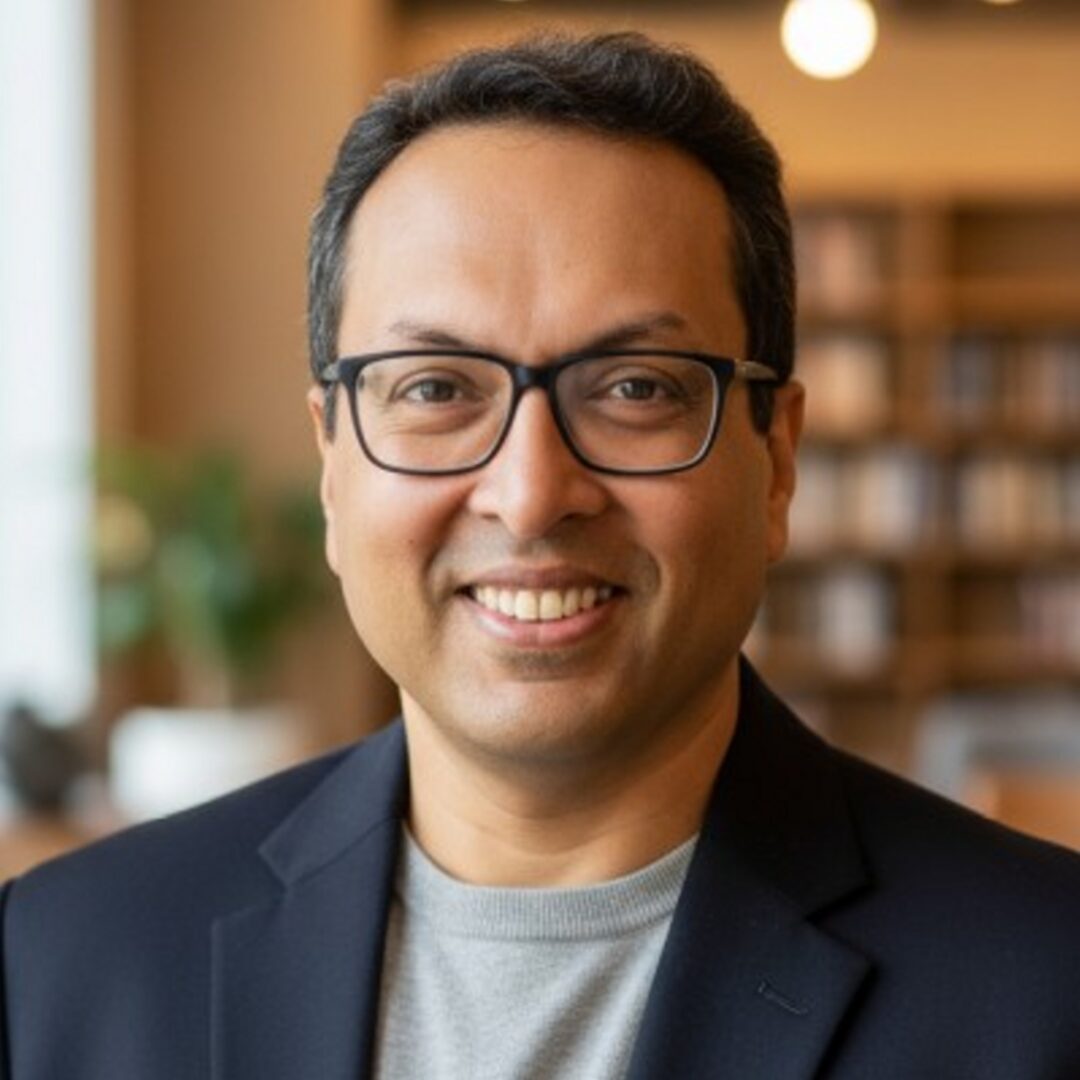
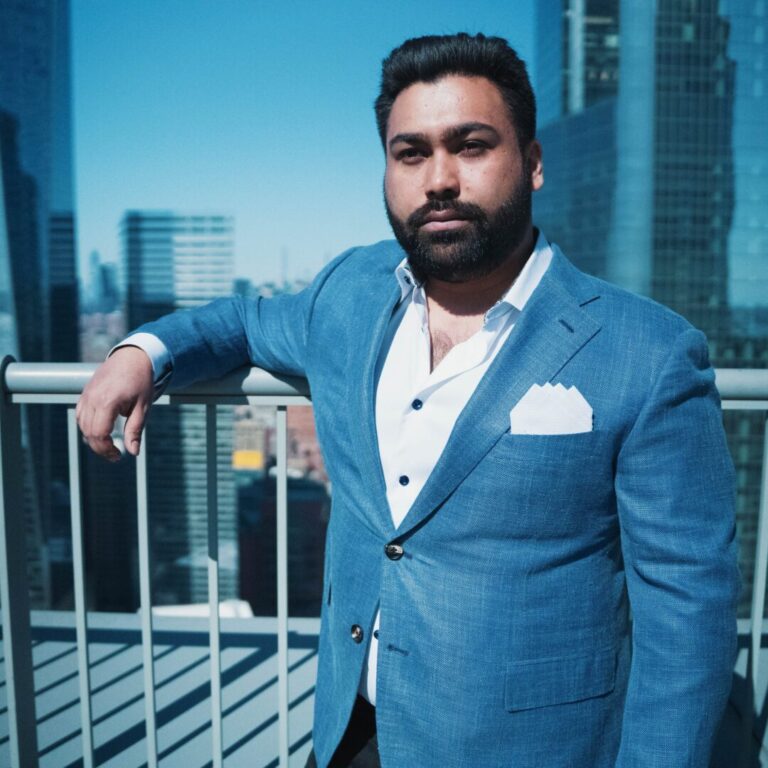
Welcome back to the show, my fellow extraordinary Americans. For today’s guest, we have Anmol Singh. Anmol is the founder of Live Traders, a collaboration of professional traders. As a trader, investor, and author of Prepping for Success, Anmol Singh knows all about riding the emotional roller coaster of the stock market.
The difference between profit and loss often comes down to understanding how to make logical, fast decisions based on constantly changing data. Anil and his team at Live Traders show people how to execute trades, review different scenarios, and, most importantly, keep their emotions in check when the stakes are high. Anmol has been trading since his college dorm days when he saved enough money to start multiple franchises legally and move to America.
By age 22, he was well-established as a successful trader. He has been featured in major media outlets, including Business Insider, Forbes, and International Business Times. He’s extraordinary, and I’m glad and honored to have him on the show. Anmol, are you there?
Anmol:
I’m here. Thanks for having me. I look forward to chatting with you.
Cosmos:
Yeah, thanks for taking the time to be here, Anmol.
Ah. So, Anmol, tell me more about your story, background, and how you started trading and investing.
Anmol:
Yeah, definitely. So I went to college in London, and I was 18 years old, a typical introverted kid, in my dorm room, playing Xbox. And I always looked at, okay, what I could do from home. What can I do from a computer? Something where I don’t have to deal with office politics or, you know, deal with many people. I used to be very shy, so I started just being in my dorm room researching the stock market, reading all the books, and taking all the courses, and I just got curious about it. You know, that made me want to learn more. Okay, why do stocks go up like that? Why did they go down? Who decides that? You know, I just wanted to know everything about it.
So I spent, like, pretty much the whole year where most people would be out partying in college; I’d be there, you know, studying and researching and reading on this subject. And I just took a liking to it. You know, I enjoyed it.
So I started writing articles back then, and even in college for Yahoo Finance, I used to write a blog on trading, investing, and my analysis. And, yeah, then I got my start at a prop firm. Prop firms are just companies that, you know, hire a lot of traders, train them, and then give them. The company gives them their money to trade. In exchange, they take a percentage of everything that you make for them. So I started with the company for a few years, and, you know, then the rest was history. I went out on my own later on.
Cosmos:
Well, Anmol, what was your strategic goal and vision that got you from New Delhi to America? And how did it happen?
Anmol:
Yeah, definitely. My childhood goal used to be like, you know, I want to be in New York. You know, I had never been, even before that. But, like, I added my vision board above my computer. I used to have these skyscrapers and these buildings; I used to look up to them. That used to be one of my goals.
So I just, yeah, just like. And at one time, I think I was maybe 13 or something. My parents took me to New York for the first time, and I just saw, like, I was, like, mesmerized. I was like, okay, I want to move here when I’m older. So that became kind of my goal. And also, I think, you know, growing up, you kind of think that if you want to be on the Wall Street stock market, you have to be in New York City. So. So I think that was also one of the reasons why I ended up moving here.
Cosmos:
So Anmol, like, I know, like, New York is the place where there’s, like, Wall Street, and it’s, like, the place of the stock exchange and all that stuff. So, during your time in New York, what are some of the greatest lessons you learned regarding the stock market and investing?
Anmol:
Yeah, I think the stock market lessons are applicable whether I live in New York or anywhere else. The stock market taught me a lot about emotional control and psychology. Right. About discipline and consistency. Because a lot of people who are involved in the stock market end up gambling, right? Let me buy this because I read an article, read something on Twitter, or think the stock will do this, but nobody knows anything. It’s all gambling and speculation. Like a casino, trading and investing are when you have statistics and odds in your favor. You know, you go to a casino, and the casino doesn’t mind if you win big. They know the longer you play, the more they will win because they have a percentage edge.
So that’s what good traders try to do. But moving to New York, the trading lessons were not that much. I think the bigger lessons were, okay, I’m in a new country, I don’t know anybody, how do I make it happen? How do I become who I want to become, right? Who do I see myself as in my mind, and how do I create that reality? That was the biggest lesson: You can achieve anything you want in New York City or anywhere in America. Then, that’s the story of America. You could. Any goals you have, you can find people who will help you get to that level or somebody who’s already doing it.
So when I came to the country, all I would do was say, okay, who can I have dinner with? Who can I have lunch with? Who will help me get to the next level? Who can help me connect with the other person? And then, even when I made money, my only goal was, okay, whose charity could I donate to to have dinner with the billionaire or the multimillionaire? And I think that’s what it taught me: how to go out in the world and make your goals a reality.
Cosmos:
You know, like, I was born in India as well. And the first time I came to like America was when I was 10. Like me, my aunt and uncle lived in New Jersey. But then, the first time I came and visited, I went to New York many times, and it was a phenomenal experience back then because it was just like a new culture, and everything was new. And I decided, like, eventually, I’m going to be in America. I had a green card, and I became a citizen.
But I just realized it: it’s one thing that differs from Indian culture. Like, they’re just like, one is more emotion-based, the other is more, other cultures, more logic-based, especially when it comes to business and finance. And just like the adjustment between the two worlds. It was fascinating for me.
Anmol:
Yeah, I think this was an adjustment period, even for me, even from London. I lived there for five years before I came to New York. Even that was an adjustment period for me because, at that time, I moved to a new country. But I think that helps you because it stretches you, right? It helps you connect with people you normally might not connect with, different ways of being and living, and people’s perspectives.
So, I think many of those things added to my overall world knowledge. Right. I like connecting with different people and different cultures. Like, I have friends from all across the board. I have, you know, Jewish friends, I have Muslim friends, I have Indian friends, I have, you know, Christian friends. The environment I like to be in is a mix of multiple perspectives, which helps you in business, investing, and any area of your life.
Cosmos:
So Anmol, like coming back to the stock market, you know, many people have so many ideas of what the stock market is like, like you can get rich quickly if you just invest in certain stocks. But, from your perspective, what does it take to be truly successful when investing in stocks and being successful in that field?
Anmol:
Yeah, yeah. Looking at it as a get-rich-quick scheme is the surefire way to be disappointed. Right? I lost money during my first year in the stock market. I started making some money not only in year two but also in year three. So, I think there’s a learning curve to it. But people have to treat it like a business, right? I think you wouldn’t start a business without a business plan. So why do people come to trade and invest without an investment plan or a trading plan?
So you can’t just come in and wing it. I think that’s the mistake a lot of people make. They come in, and they just wing it. The trade is based on gut feelings, emotions, or something they read online. But what is a gut feeling? Gut feeling is our experience telling us, Hey, we’ve seen this before; look out for this. But if you don’t have experience, you don’t have a gut feeling, right?
So, gut feeling only comes with experience. So, I think those are some of the mistakes people make. However, the biggest thing they need to do is create a trading plan. Know your statistics. If I ask my traders that I coach and train, even when coaching hedge fund managers nowadays with their psychology aspect, I first ask them, Okay, what is your win-loss ratio? Right.
What is your win rate? What is the expectancy? Because, you know, you could have a negative expectancy trading system, which means it’s a ratio of your win-loss ratio and your win rate. If that is a negative number, you will keep losing no matter how much you trade, right? So, the numbers need to be on your edge. Ah, just like a casino, whether blackjack or roulette, a casino has a 0.2% edge.
So, for them, it’s all about just keeping playing. Even if you win big, they’ll say, Hey, let me give you free drinks and stages. Keep playing. You know, stay and enjoy this day. Keep playing. Because they know the longer you play, they have this 0.2% edge and will come out ahead in the long run. The same thing applies to trading; we have to be on a positive edge, and it doesn’t matter what one trade or investment will do. I don’t care about whatever trade or investment I’m in because it’s just one out of a sample size of 100, right? And I care about the larger sample size coming out ahead. And that’s what trading investing comes down to: statistical analysis. And like, you know, figuring out what you’ll do and having the odds in your favor.
So, I tell people it’s the closest thing to a sport, right? Like, everybody can learn how to play golf, but some will be good at it and go on to play the PGA Tour, and some will just be average golfers. And trading is the same thing. It’s a very competitive world. And because somebody on the other side sells it to you anytime you buy a stock, right? So either he’s right, or you’re right. So it’s one of those games where you need to have your odds in your favor. You can only do that by keeping track of all your trades.
Cosmos:
This reminds me of a story of when I was on a cruise ship, and then I started playing Texas Hold ’em poker at the casino in the cruise area. And then I was up by 100, $200. But then they just started giving me drinks one after the other. And then I just got drunk. And the next thing I knew, I woke up the next morning, and my friend told me. I lost everything. It wasn’t good. But like that. It just reminds me of that. But coming back to investing in the stock market, many people are emotionally attached to money, right?
And if they lose a few rounds of money, they get frustrated, or if they’re gaining money initially, they get very greedy. So, for the audience’s sake, can you tell them how to, what the mindset should be around, like psychology, and how to go about this? Because many people come from greed or fear, you know.
Anmol:
Yeah, it all comes down to following the plan and your word. So if I tell somebody, okay, let’s say we’re buying a stock at $90, and we say if it goes below $85, we’re going to get out, we’re going to take a small loss, we’re going to walk away, right? But then what happens? The stock goes to 85, and rather than just getting out and taking a small loss, people keep holding; maybe it’ll come back up, or let me buy more and lower my average cost. Right.
A lot of those mistakes traders make, and what ends up happening now is that the stock goes from 85 to 80 to 70 to 60. And now they’re long-term investors. Suddenly, right now, they want to hold it forever. They want to read all about the company because now they’re invested in it, and they’re just stuck holding the bag.
So, I think the key is that a good investor trader knows when to exit the investment. That’s the first thing we decide. Before I think about how much I’m going to make, before I think about what my target is, where the Stock is going to go, the first thing I always look at is, okay, if I’m wrong, when am I getting out? Right? Because that allows me to control my risk. One cannot control what the stock will do in trading and investing. We cannot control what the market is going to do. We cannot even control what we will make on the trade. The only thing we can control in trading that we genuinely have control over is how much we’re going to lose. It’s up to us because we can always buy fewer or more shares. So we do that: if you buy a stock, let’s say, you know, $10 a share, and we say, okay, if it goes below $9 a share, I’m going to get out. So now we’re risking $1 per share. So now you decide, okay, I don’t want to lose. My risk tolerance is a thousand dollars; I don’t want to lose more than $1,000. Well, we know we will buy a thousand shares, right? Because we buy a thousand shares at ten dollars, ten goes down to nine. We lost $1,000, and we’re out.
I do that with every investment I make or trade so that all my losses are the same. Let’s say it’s $1,000, right? So all of my losers will be a thousand dollars. But then I try to make all my winnings, like $2,000. So now all my winners are $2,000.
With that ratio, I only need to be right 35% of the time, right? I could take a hundred trades and lose on 60 of them. Even if I win on 40, I will come out ahead. So that’s kind of an example of something that we use. If all winners are twice the size of your losers, you only need to be right 40% of the time to make money.
And even if you throw a dart at something, you still have 50/50 odds, right? If you throw a dart at something, you have a 50% chance the Stock will go up and a 50% chance the Stock will go down, right? So, if we just make that risk in our favor, that’s how trading works well.
Cosmos:
So I know, like, what do you think, like, from, like the average person, what is the biggest challenge they face when it comes to actually succeeding in the stock market, like gaining, like permanent gains in the stock market? What do you think they can do to overcome it?
Anmol:
Yeah, the discipline and the mindset. Because as I was just saying, right, I gave you this, you know, in a nutshell, a small little strategy to control the risk. But then what happens when the Stock goes down, and they should be getting out for $1,000? They keep holding. Now, the thousand dollars turned into a $2,000 loss, a $3,000 loss, and a $4,000 loss. Now you have to make so much more on the winners to make up for that loss. So you’re never going to recover. So you can’t have a loser wipe away most of your winning trades. The winners need to be bigger than the losers, right?
So you don’t need to be right more, but the winners need to be bigger than the losers, typically, right? So that’s one of the things people mistake. The other thing is also the opposite side, which is greed. So, we talked about fear. They don’t get out; they keep holding. And what happens? Hope holds, you know, turns into hope, and hope is not a strategy. And the same thing applies to a winning trade or investment. They get in, they say, okay, you know if Bitcoin goes to $100,000, I’m going to take my profit, and it goes to 100. Now they’re like, oh, I think it will go to 150.
So they never sell, right? So, as the traders, what we’re doing is we will be selling at 100, you know, buying it back about 70 or 80,000, riding it back to 100. So we’re pocketing those differences rather than an investor who keeps holding. Because the money is only made when you sell something, right? If you never sell it, you can have your money in your paper account, but it’s not a profit until you lock it in. So, I think that one of the things is that people get greedy when the Stock is going in their favor. And we decided, okay, if you buy a stock at 10, our ah, target’s 15. Now it’s at 15, but you’re like, maybe it’s going to go to 20, and now it comes back down to 10.
So, I think fear and greed are the two primary emotions that control the stock market. And that lack of control of those emotions causes a lack of results in many people because they don’t follow a plan. They trade on hope and emotions. Greed is something they read online. They read an article on Reddit; I should be buying GameStop, right? And then they buy GameStop. And have you noticed that everybody online will tell you when to buy something? Nobody’s going to tell you when to sell it. Everybody likes to buy from GameStop. And now it’s down 90, but nobody ever told you to sell it.
So if you rely on online, you know, research or advice, you’re always going to lose money over the long run.
Cosmos:
No, I mean it’s, yeah, I mean it’s true. I think the masses buy at the wrong time and sell at the wrong time. You’re supposed to buy low, and then you’re supposed to buy when it’s at the low point, and then sell when it’s at the high point. But many times, the greed and emotions of fear take over.
So, if somebody wants to start new in the stock market and go on a path where they attain success, like the way you’re attaining success, how would they do so? What resources should they learn first, and how should they do it? Because they’re just learning it from the Internet and all that stuff. And there’s a lot of fake stuff out there.
Anmol:
I think the Internet is a big problem because so much information exists. Right? You don’t know who to trust, who I am listening to, or who the person you’re listening to is. You don’t even know the results.
Because if you haven’t watched them do it live in real-time, how do you know if they’re real? There are many differences between traders and marketers. There are many great marketing people out there who would sell courses, newsletters, and all these different things. But how do we know if they’re legit? And the only way you can do that is by watching them do it in real time. And not only just for watching them do it, like once, but doing it for years.
So you know what the track record is. However, the first step people need to take is to learn how to recharge. That’s the basic foundation. Without that, you’re. You’re never going to make it in this business. Right. You can’t just trade on fundamental analysis and all of those things because all of those things are pretty outdated. I mean, if you look at, you know, the traditional value investing approach or Warren Buffett’s approach, you’re never going to buy any stock in the US Stock market because all of them are overvalued. They have been for 10 years, and they’re going to get more and more overvalued. So, technical analysis is the only way to trade and invest correctly.
So the first step is to learn how to read charts, right? The second step is to learn how to take those charts and those patterns and create the system we discussed earlier, right? How can I get the odds in my favor? And then the third thing is we have to get the psychology to follow steps one and two, right? Because I can teach you the best strategy in the world. But if you never follow or listen to it, listen to me. Well, I can’t push the button for anybody, right? They have to do it still themselves. They have to be willing to get out when they’re wrong.
So, I think you read charts and figured out a trading plan and a system, right? Get odds in your favorite; then you master the psychology. So, your discipline and emotional control. In poker, they say, right? Know when to hold it, know when to fold it. It’s the same thing in investing; you need to know when to get in, when to get out, when to hold something, and when not to.
So, I think those are the key aspects. But then you need to find a mentor because there’s no one trading or investing style. There are many different ways to trade and invest, right?
Some people do it based on, you know, company reports and, you know, reading their balance sheets and CEOs and what they’re doing. Some people, like me, do it on charts and even on charts. Some people do it with indicators and all these different things. And some people do it differently. So, if you listen to many different people, you’ll get conflicting advice and confuse yourself.
So you just need to find somebody you like and respect who knows your legitimacy and results and can help and show you in real-time. And I think that is kind of what’s required in trading. I joined a prop firm, and I had a mentor. The best thing about being in a firm like that was that the risk was controlled for us. Like they said, you’re only allowed to lose $2,000 today, right? And if you lose $2,000, they automatically lock you out. Your software is closed. You can’t even do anything. They give you a weekly loss limit. If you lose 10,000 in a week, come back next week.
So they will lock you out even if you lose all of it on Monday. So, the discipline was forced on us because the software just wouldn’t work after our loss limit. What happens in real life, though, is that people don’t have any guards like that. They could keep losing, losing, losing. Nobody’s stopping them.
So, I think having a structured framework for progress is important. And we had profit targets as well. And as we hit profit targets, we traded with more and more money. We got bigger and bigger in our position sizes as we did better. So once people learn those basics, they find a mentor to guide and coach them. The third thing, honestly, is don’t even put your real money in the beginning. Start with a demo account. Start with a simulator account where everything is real; prices and money are not real. First, prove yourself in that. Because if you can’t even make money on a demo account, how will you make money in a real account? Right?
So first, you prove yourself there, and then we start risking small amounts of money—maybe $100, maybe $50. Okay, we’re still consistent. We can go to 200 and 300 in a few months and still do great. We could go to 500 or 1000. Slowly, over the years, we have built ourselves up as traders. So I think that’s the kind of path that I would suggest most people take.
Cosmos:
Oh, I mean, that’s very disciplined and very tactical. But many people just tend to have the gambler’s mentality when it comes to trading, and yeah, it’s connected to stock market trading.
I wanted to get your opinion on cryptocurrency and trading in crypto. From your perspective, is there a similarity? Do you think it’s also very different?
Anmol:
Yeah. So all the markets are the same because, you know, whether you look at a stock chart, whether you look at a crypto chart, whether you look at a chart of gold, silver, commodities, oil, whether you look at a chart of, you know, lithium or orange juice or whatever, charts are just the charts. There are the same patterns that repeat themselves over and over and over.
So, the same patterns exist in crypto as they do in stocks. So, as a trader, you can do the same thing with stock crypto. You know, instead of buying a stock at 10, maybe you’re buying Bitcoin at 90,000, and you say, okay, if it goes below 70, I will get out. So now I know what I’m risking likewise. In the same way, you can have a target, so you can do the same methodology no matter what you’re trading; as long as it has a chart, it will be the same. Now, I don’t trade crypto. Right.
But I invest in it. Right. There’s a cryptocurrency called Algorand that I’m an investor in. I believe in that, but that’s more like a long-term investment that I don’t plan on selling until 2030. And that’s the kind of one that I believe in. Because when it comes to crypto, for me, it’s not really about hype, which is a lot of what the crypto space is right now. Right.
For me, it’s about who can fulfill the promise of cryptocurrency. What’s going to be used in real life? If you think about nobody using Bitcoin, right? I mean, we’re not sending or doing any transactions in Bitcoin. You’re not buying anything in it; you’re not selling anything in it, just holding it. And I think that’s what most people are doing. So it won’t be used because it’s super slow and clunky. That doesn’t mean it has; it doesn’t have a place. It can be digital gold, where people store their money, and you know, in the long term, it grows.
So there’s value to that. But I’m considering it a technology that can be used, right? Why would I use Bitcoin, which might take 15 minutes for you to get, when I can just tell you right now? Right. So that’s the basic thing: which cryptocurrency can do that? I researched a lot and spoke to many people. I think that was one I looked at, and it is pretty undervalued right now. Algorand is currently being used.
So, in Afghanistan, 30% of the country’s electricity bills are paid on that blockchain, like peer-to-peer transactions. There are airline tickets right now. What happens now if you travel on an airline and can’t travel? You have to call the airline and cancel your ticket now; there are Latin American countries where tickets are now on NFT. So, if you can’t travel, you can transfer your ticket to me as an NFT. Your name changed to my ticket, and I can now travel.
It’s like a secondary market going on. A lot of stuff is happening under the radar. It’s just that people are focused on the US. They’re not looking at what’s happening outside the world. And I think that’s where the big potential lies.
Cosmos:
So I know there’s a lot of talk about a correction, like the stock markets are in a bubble, and there will be a correction shortly, and potentially a financial crash. But from your perspective, how do you see the markets play out in a five-year time frame?
Anmol:
We will be much higher than where we are in five years. In the short run, there’s some uncertainty in the next 12 to 18 months and a good chance of correction. We have already started seeing some of it this week and last.
So, I think the short run will be a tough environment. But again, if somebody’s investing, I always tell them, if you’re going to invest for a long haul, why are you worried about what will happen today, next Day, next week, or next month? Right. It doesn’t matter. The stock market is always higher than it was 10 years ago.
So we’ve gone through the Great Depression, the dot-com bubble, the housing crisis, the Greek crisis, the Russian war, and the Israeli war. We’ve gone through all of that. Guess what? The stock market’s still higher than where it was. We were much higher than even where we were in COVID. So many people with COVID said I don’t want to invest. The world’s coming to an end. Right. And now those people don’t have any money because if they invested, they doubled their money over the last four years. Right.
So I think that is what you must look at in the long run. The markets are designed in a way that always goes up; they will have short-term fluctuations. But if you look at 5 10 10-year periods, the market will always be higher. So, as an investor, you don’t even have any business looking at the market daily. Just put your money in regularly and don’t question it, right? You’re going to be very happy. If you do it correctly, your money will typically double every six to seven years. But as a trader, you are the ones who need to be cautious. Right? If I’m in some position, I need to know what will happen next week or month. But if you’re not a trader, even.
Cosmos:
Worry about it, I mean, yeah, like a lot of people are like pretty worried about just like what’s going to happen with just everything that’s going on in the world and just like how the markets are going to react because like there’s chalk that everything is just like in a bubble and there’s a lot of inflation, all of that. But from your perspective, do you think cryptocurrency will be the future of, like, the 20 like for the 21st century, or is it just temporary and fading?
Anmol:
No, crypto is 100% the future; it’s already happening. Things are being tokenized on the blockchain. So, you will have stocks that will now be tokenized as a token. Real estate is being tokenized. So, there are websites called Lofty AI. It was created on the Algorand blockchain. They have tokenized real estate properties, rental properties, houses, Airbnbs, and commercial properties. This means now you don’t have to go and buy the whole property, let’s say, for $2 million. Somebody could list their property for sale for $2 million. But now it’s like tokens of $50 each. So you can just buy a small number of tokens, somebody else can buy a small number of tokens, and that allows you to buy, let’s say, previously, you could only, let’s say, buy one property. Now, you can buy 10 properties, with small tokens for each.
And now what happens is that as the property value goes up, your token price also goes up. And then, if the property has rental income, you’re now a part-owner. So, regardless of how many tokens you own, based on that, the rent gets divided among all token holders, right? And you get paid rent. You don’t have to wait till the end of the month to get your rent. Whatever the proportionate rent is, it’s paid to you daily through blockchain. Every single Day, you’ll get rent in your account.
That is already happening, and now that’s the future. They will cut out the intermediaries, the brokers, and all the intermediaries and direct peer-to-peer houses listed on the property. People can buy tokens into it, and there’s no chance of fraud because it’s all in the blockchain as a smart contract.
So, if you bought the property with a certain rent, it will be paid automatically. There’s no intermediary, so I think that is already happening. Airline tickets, as I talked about, AI will need a lot of crypto as well, right, to validate transactions. Doge, the government department Efficiency, talked about having these things, the government’s payments, everything, tokenized on the blockchain. So, I think that’s what’s going to happen. A fully transparent online leisure site where we can easily see what’s happening and validate the validity and reality of all those transactions.
So that’s happening already. And the Cost is low. If I send somebody a wire transfer, there’s a cost, right? Whatever it is, 30 bucks, 50 bucks international, and it might take you two or three days to fully get that transaction in your account. With Blockchain, you don’t have to wait two or three days. It’s 2.8 seconds on cryptocurrencies like Algorand. 2.8 seconds, transactions done. And the cost will be one-tenth of what it costs right now.
So, I think, because of that, I just see, you know, people like even MasterCard right now, they partnered with Algorand in Brazil. So, you know, the credit card fees can also be lowered. So, all of those things are happening in the background.
So, it is the future of the financial system. But you must be careful which cryptocurrencies you invest in because 90% will go to zero. Right. 90% of them are going to be worth nothing at all. But there will be a few winners, just like the Internet. There were MySpace, Facebook, and many other websites when the Internet came out. Right. There were high, five, Orchid, and all these different things. What happens? 90% of them went bankrupt. But then came a few winners: Facebook.
Cosmos:
I remember those days when Orkut and MySpace were around. It was just like, Where are they now? Right. Because back in the 2000s, it was such a big thing, and now it’s just Facebook.
Anmol:
Yeah. And I think that will happen in the dot-com bubble, where no company is Internet-related; stocks increase thousands of percent. The same thing happened in crypto, anything crypto blockchain. Right. We had those big run-ups now, then the dot-com bubble burst, and 90% of the companies went to zero. And then came a few winners—Google, Microsoft, Apple, and Amazon. The same thing happened with social media.
The same thing will happen with cryptocurrencies eventually: 90% of them will go to zero, and maybe four or five winners will emerge.
Cosmos:
Yeah, it’s like knowing how and when to invest, like wisdom. Right. Because many people like it, it’s about gathering the wisdom of knowing what to invest in and what not to invest in.
Because, like when Bitcoin first came out, many people thought it was nonsense. But then those people that invested in it, like now, like, when Bitcoin reached 100,000 a few months ago, they’re like, if they sell it now, they’re like multi-millionaires, right? But it’s like finding when and where to invest, the timing, etc. Like, it’s about how to gather that wisdom, and it unfortunately just comes from experience, you know.
Anmol:
Yeah, because, you know, many people have asked me about crypto, especially. Like, you know, I heard about this one. I did, I did my research, so I bought this. I’m like, okay, walk me through your research. What does that look like? What did you research? And they’re like, oh, you know, somebody told me about this. I read online. I’m like, that’s not research, right?
You’re just reading somebody’s opinion. And most people are just going to promote what they have, right? What they own themselves. So that’s not true research. True research is when you compare, you know, investments and different technologies. You compare, okay, which technology is faster, cheaper, and which will be used in real life? You must consider all those things, especially in cryptocurrency, because cryptocurrencies are like penny stocks. That’s what it is.
And they’re down at that level for a reason, and I think there will be a few winners. Bitcoin has proven itself already, in a way, as a store of value. It will never be used for transactions, but it could be considered a digital haven, like gold. But then there’s Ethereum, one of the most popular cryptocurrencies for financial systems right now. But then, if you compare that to some of the newer technology, you notice that, okay, maybe Ethereum and all those things are like MySpace. They were the first ones. They were good technology, but now there are better, faster technologies like Facebook.
So, I think that’s something people must consider when it comes to investing: doing the research, not just going based on what they read online.
Cosmos:
No, I mean.
And, well, on a different, different note, like, I know you came to America as an immigrant. And they say that America is the land of the free and where dreams are made. What do you think about that?
Anmol:
I think there’s no better place than this. I’m so grateful to the country, you know, for everything. Like, I’m. I wouldn’t be here, where I am now, without the country. Because, you know, when I finished college, I thought about it. I think I’m probably going to go back to India. I was kind of like, I want to do it in India. I’m going to. And I went back. I started my company by forming the documents, and the process was very slow. It was taking so much time. And then there are intermediaries involved in every little thing. You know, even to get a trademark, you must go through all these hoops. Then I realized doing business in India is tough. It’s not a very friendly environment. Right. To succeed, it’s extremely tough.
And for me, the goal was always like, okay, I want to be there. And that’s where my audience was as well, because I always started trading the US Stock market, so there was no reason for me to be in India. And the time zone would be kind of messed up as well. But America is, I think, the best place. If you have any goals, you can achieve anything you want here. Because if you don’t know something, guess what? You can find somebody who’s already doing it. Right.
People are much more open and willing to share their knowledge. And you could always hire people to, like, I hire coaches, hire trainers. I hire people to whom I pay a lot of money, you know, for advice and feedback. And I think that is all available in this country. Right. And that’s because people are open, they discuss honestly, and you have mastermind groups. You have so many different opportunities here that are unavailable in other countries.
Cosmos:
Yeah, that’s one thing that I noticed over here. People are friendlier, and business opportunities are much more plentiful because there’s no class. The system is the way other countries know it. It’s all about whether you can help me, and I can help you.
And then there are just so many more opportunities. And that’s something that I found out. And it’s. It’s pretty, it’s pretty beautiful. It’s. It’s just different.
Anmol:
Right?
Cosmos:
Yeah.
And, I know, like, from your perspective, what is your idea of the American dream? And what do you think is the idea? Like, like, what is your version?
Anmol:
I think it’s version changes over time. But my version is that anything you put your heart to, you can achieve it. Or anything you believe that you want to achieve, you can achieve it. I think that’s kind of the American dream in my books, is, like, whatever your goals are, whether it be, you know, social media related, whether it be business related, whether it be life related, you can create whatever you want, right? Everything is available, all the knowledge and resources available in the country. And I think that’s what I define as the American dream: whatever your version of the dream is, you can achieve it.
Cosmos:
No, I mean, it’s. It’s so true. It’s about going and getting, going after what you want and getting what you want, and it’s different for different people. For some people, it’s like getting a house for a family. For others, it’s just like the mansion, the cars, and everything else.
I’ve interviewed many people with different versions of it, but ultimately, the common theme is that they’re looking for happiness. The common theme is that they’re not after a certain point of making money. They don’t get it from outside means. It’s more of an internal state of mind.
Anmol:
Yeah, no, I experienced the same thing, you know, when I came here, my own. My first thing was, when I first moved to New York, I used to live in Long Island, New York, right? So I used to be on Long Island, kind of in the suburbs. It’s not the nicest neighborhood. I used to live there. And I always thought about, okay, being successful, and if I could move to Manhattan, right? And okay, if success means I move it to a nice penthouse on the 50th floor or something, that’d be successful. And then you get that, right? And then you’re like, okay, what’s next? You’re like If I can get a nice car, let me get a Ferrari, and that’ll be successful.
So, and then you. I think that’s a natural progression. You go through that, right? And then you realize, okay, that’s all great. I mean, I love it, right? But what I enjoyed was the process of earning that, right? The process of getting to that goal, not the end goal itself, right? Because I remember when I got my Ferrari, I would drive it every single Day, you know, driving around after two or three months, you’re just like, it’s sitting there, and you just find you’re Ubering everywhere anyway. You don’t even drive it.
So I think, then you realize, okay, what I enjoyed was a thrill, was the process of achieving my goal. And that was just like a token of me achieving my goal. That’s what I enjoy, not having those things. Don’t get me wrong, I enjoy great things, but at the same time, it’s the process that I enjoy a lot more than having earned them. And I think that’s what the American dream is. Whatever your heart is, you can have a great time while doing it and buy yourself nice things if you earn it, right? But you’ll get more satisfaction from achieving your goals than getting that thing.
Cosmos:
In other words, joy is in the journey.
Anmol:
Like, absolutely, yeah.
Cosmos:
I know it’s a cliche term, but a lot. But it’s so true in many cases because once you attain the goal, then what, you know?
Anmol:
Yeah, absolutely.
Cosmos:
So, Anmo, I know you wrote this book, Prepping for Success. Can you tell the audience more about this book and the premise that got you to write it?
Anmol:
Yeah, definitely. These were notes to myself. I spent a lot of money hiring coaches, mentors, and trainers and attending spiritual retreats, conferences, and mastermind groups. I spent a lot of money on this, millions of dollars, and a lot of time doing that. So, for me, I wrote down, okay, what the common themes are from everything that I’ve learned, right?
Using my process? Okay, what’s helped me the most, and what do I need to do in my own life to achieve the success that I want? And I wrote it down and started applying it in my life. And my life completely took a 360 turn, you know, 180 turn to a great level. And I achieved everything that I set out for myself. And I did that because I followed that system.
So then, you know, I had some friends at my house. They just picked up these rough drafts, and they picked them up. They’re like, oh, what is this? I’m like, oh, these are notes to myself. They’re like, this is good. You should put it in a book format.
So then that’s what I kind of thought about. Okay. What if I turn these notes into a book because they help me reach where I am now? I know not everybody else has millions of dollars or the time I spent learning all this stuff. If I can distill it into a short book that people can read that will be universally applicable, it will get them the desired results. So, for me, that was kind of the deciding factor. Okay, I wrote a book I wish somebody had given me 20 years ago, which would have made my life easier. So I’m just trying to do that for other people.
Cosmos:
I recommend that my audience take a look at his book. Because if you spend millions of dollars on self-improvement and education, and you’re just giving it for a book worth decimals for the price, yeah, that’s a no-brainer.
Anmol:
Yeah, yeah. And I’d like to give your listeners a free book copy. They can just go to G.O. Go. And they could just cover the shipping and put the shipping address wherever they are. I’m happy to send them a copy because it’s all about, okay, I want this book to be read, right? Because I think a lot of us fall into the trap of buying lots of books. We have 30 or 40 books in our cabinet; new ones keep coming weekly. But then people don’t apply what they learn, right? Or maybe they even read all the books. But what they do is they read one book, they go to another book, then they go to another book, and just keep stuck in that cycle of wanting to learn, learn, learn. They never actually do anything. So, for me, every chapter of the book ends with okay; here are the five things you need to do before you move on to the next chapter. Because I want every. You read a chapter.
Okay, what did I learn? How do I apply this to my life? Here are the things I need to do. You do that, and then you move to the next chapter. So it’s more like a workbook.
So you’re doing stuff and not just reading and accumulating information. Because information is not going to change your life. Application execution is what’s going to change your life.
Cosmos:
No, that’s amazing because if you’re just getting a book, it’s all the knowledge of all these people who have learned everything throughout their lives, and they’re just writing it down. If you apply that, you just fast-track your way to success, you know, because you don’t have to go through the trial and error, and you can just. There are guidelines to do so.
Anmol:
So, yeah, in this Day and age, if you do trial and error, it was a really good approach back in the Day because people didn’t have access to information, so you had to try it out, and it didn’t work, try it again. And there is nothing wrong with that.
But nowadays, if you’re still doing trial and error, there’s something wrong with you. Like, all the information is available. You can ask the AI, you know, whatever you want to ask. All the information is at your fingertips. So, if you’re still using trial and error, you’re wasting your time.
Cosmos:
But now there’s a different problem. There’s too much information. It’s like, what do I? What. What information do I take? Take? Because there’s, like, so much. It’s like an overload, you know? So now, in our generation, we have the opposite problem.
Anmol:
Yeah, no, you’re right. That’s 100% true. And I think that’s one of the chapters in my book. It’s called the Learning Loop because we get a false dopamine hit, right? We learned something. We’re like, ooh, that was good. What’s the next podcast I can watch?
And you watch that. You’re like, ooh, you see a Facebook ad, I want to buy this person’s course. And then you see another book, and you buy it. So what happens is that just watching information after information feeds us a false dopamine hit. It gives us the false impression that we’re learning. We’re growing, we’re developing, but it’s not true. All you’re doing is just hoarding information, right?
So I think that’s the purpose of at least my book. And how I teach people is like, let’s not just focus on learning, learning, learning. Let’s learn one thing. Let’s do it. Let’s apply it. Make it a part of your life. Make it a part of your daily routine, and you will move on and learn anything new. So I’d rather people read one book 100 times and do it in their life rather than read 100 books and talk about reading 100 books.
Cosmos:
No, totally.
And ANM, I know you also founded Live Traders, right? So, can you tell the audience a little more about that? What is it about?
Anmol: Y
Yeah, live traders. You know, we teach people how to trade the stock market and, you know, build a consistently profitable trading business. So it’s like I teach people everything I know about trading, ins and outs, from chart reading, you know, to psychology, to how to manage your money, trade management, account management, all of that stuff. So basically, it’s the same process that I learned. Right.
My mentors taught me the principles that have taught me. Now, I use the same model to teach traders who want to learn how to trade and invest in the stock market. We do that via courses, seminars, live events, and newsletters. And they can also watch me trade live every single Day.
So I live stream myself every single Day for my members. Where my screen is up, my webcam and audio are up, and I trade in real-time. Whether I win or lose, they can see it in real-time. What’s happening? I think that’s the best way to learn. It’s almost like you’re sitting next to me, and we’re doing it every Day, Monday to Friday, without fail, every single Day. I’ve been live streaming all Day of my trading and a half for the last, you know, 10 years now.
Cosmos:
Anil, this is amazing, and I recommend that my audience look at live traders to learn more about how to trade stocks properly. How can our audience connect with you and learn more about you, your work, and everything you do?
Anmol:
Yeah, the best way is I’m the most active on social media, such as Instagram and X. My username on both is the same. Its deltaninety is on both Instagram and Twitter. The best way to learn about trading is to go to livetraders.com and make a free account. There will already be some free introductory videos for you to get started and see if it’s even something you like. Maybe you watched it. You’re like, this is too much. I don’t want to learn it. You know, maybe you watch it, you love it.
So start there. It’s a good way to start. And then obviously, you know, grab a copy of my book. That’s a great way to get into my ecosystem and see what I’m up to and doing, as well as some of the thought processes I teach hedge fund managers worldwide on that philosophy that you can learn in a book.
Cosmos:
That is amazing. I’m so glad and grateful that you took the time to come to this podcast and share your knowledge and understanding of stocks, cryptos, and just how to be successful. You know, because in today’s age, everybody wants to be rich, but they don’t do the necessary work, or they will have the gambler’s mentality regarding investing.
So I’m really glad that you came here, and I would hope that you come back at a later time.
Anmol:
No, thanks for having me. It was great chatting with you.
Cosmos:
Yeah. And I want to conclude this episode by letting my fellow extraordinary Americans know that, hey, look, there’s an extraordinary within every one of us. We must awaken it and unleash it. Until next time. Bye for now.

 Amazon Music
 Apple Podcasts
 Audible
 CastBox
 Castro
 Google Podcasts
 iHeartRadio
 Listen Notes
 Overcast
 Player.fm
 PocketCasts
 Spotify
 Stitcher
 TuneIn