Cosmos
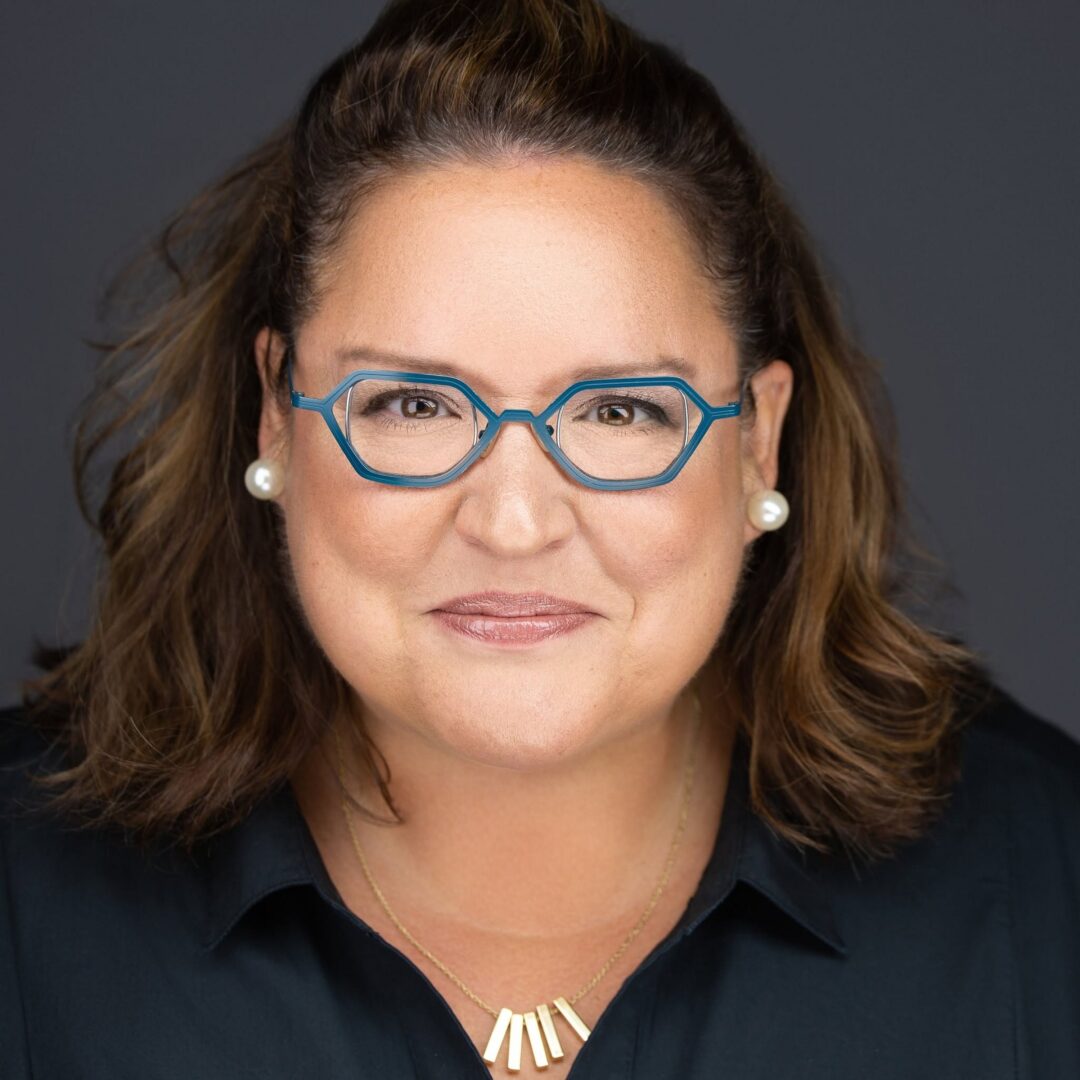
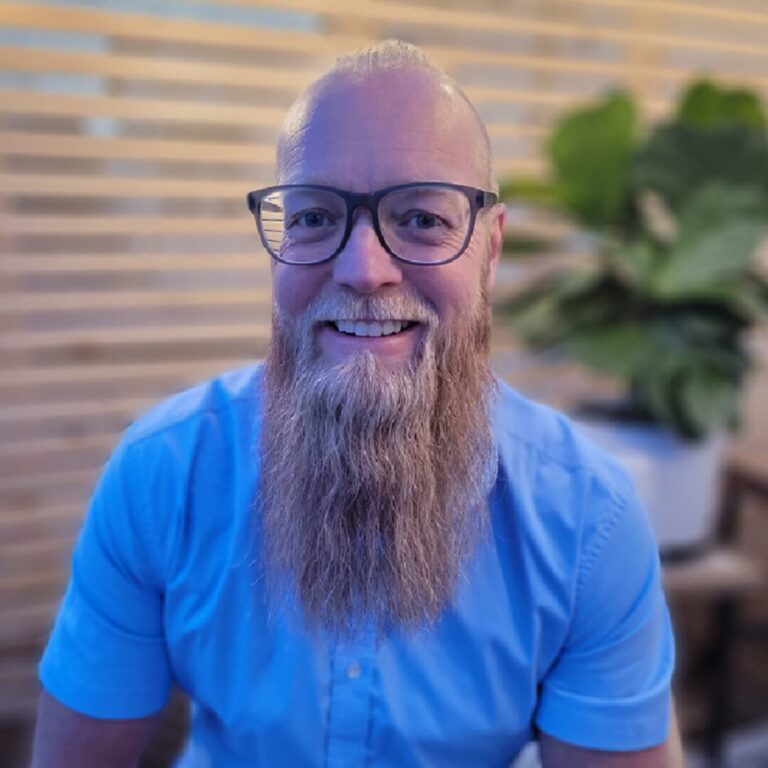
Welcome back to the show, my fellow extraordinary Americans. Today’s guest is Andrew Newland. Andrew is the founder and CEO of Functional Medicine Marketing and the author of Digital Marketing and SEO for Functional Medicine Practices—the best online marketing methods for getting more calls, better leads, and bigger profits.
Since 2020, he has helped integrative and functional medicine clinics grow through SEO-driven marketing strategies tailored specifically to the unique needs of private practices. He has helped providers nationwide and around the world grow their visibility, attract new patients, and regain time by building innovative, sustainable marketing systems. His agency specializes in SEO first strategies built for longevity, not just quick wins.
Andrew has been featured as a guest on the Functional Nurse and the Junta podcast with Scott Ratigan, JD. He regularly speaks to clinicians about building sustainable patient-generating marketing systems. He’s an extraordinary American, and I’m glad to have him on the show. And Andrew, you there?
Andrew
I am. Thanks so much for having me today.
Cosmos
Andrew, thank you so much for taking the time to be on the show.
Could you tell me a little bit more about your story, your background, and how you got started in this business?
Andrew
Yeah, absolutely. So right out of college, my wife and I get married, and we just have this entrepreneurial bug, right? We just want to get out, we want to go, just really kind of grab life by the horns and make our own, make our way. And so, at the time, we started a landscaping business here in Colorado Springs. Focused on hardscaping, building, you know, lots of water features, patios, sprinklers, and all of those.
And we struggled honestly. We thought, ‘Okay, we have this great idea. I’m good with people, and I can do great landscaping,’ and it just struggled, and it was really hard. But we started pulling in some marketing and just kind of learning on our own, figuring it out. We were doing Google Ads, you know, before it became more complicated.
Back then, you could simply post an ad and it would work quickly. That kind of got us thinking, especially me, about marketing and being able to dive into it. After about 10 years of running that business, we sold it and then transitioned into marketing. My wife is an excellent content writer, and I have a passion for graphic design, so we started building websites.
So we just kind of started grassroots that way. And it just really fell in love with helping people. At the Time, we just had a general industry agency. We were helping everybody, whether it was local banks or used car dealerships, or, you know, all of them. All of the above. Just anything that we could, that we could do. It was going okay, but we still struggled a bit, as we were finding our way. A significant amount of personal development is required.
And, you know, I had that mindset, if I have a great idea, then the work will come. You know, like the old movie Field of Dreams: ‘If you build it, they will come.’ And that is not, you know, how that goes. It’s not how you grow a business. It takes a lot of work to bring that great idea to life. And then excellent marketing, to get that out there. On the health side, we had four kids. Have four kids. At the time, they were young. And in my 30s, I started experiencing all the symptoms, right? And you just start, like, I’m. I’m 32, 33, and I feel 75. just felt old, you know, achy. All of a sudden, I got allergies. Right. And never had allergies.
Cosmos
And I’m trying to look younger.
Andrew
Yeah, yeah, exactly. Oh, we all want to. Yeah, absolutely. And we get to that point, and everything we hear is, well, it’s just a normal part of growing and growing old. Right? I gained 40 to 50 pounds. I was feeling weighed down, and I couldn’t play with my kids very well.
And we just kind of thought, you know what? Something’s got to change. And that’s where we kind of. So that kind of brought in that functional medicine aspect where we’re like, let’s get to the root cause of what’s going on, rather than just taking more Tums and more ibuprofen and, you know, just kind of masking the symptoms. Let’s get to the root of the matter. And pretty quickly, we’re able to turn our health around completely. I lost, I think, about 30 pounds in a month, got rid of my allergies and asthma, and I’m just starting to feel great, which is excellent. You know, when you first dive into that health world, it’s really kind of easy.
You see gains fast.
And so that was exciting. And so started making some health changes there. We’ve marketing going on over here, and then our health.
And so it all of a sudden hit us that we wondered if there was an opportunity to help functional medicine practices with the marketing we have. And it’s going well. We’re witnessing significant growth, particularly with the help of SEO, which is benefiting local businesses. I wonder if we could contribute to the growth of the functional medicine industry.
And so, that’s kind of the birth of functional medicine marketing five years ago, where we thought, ‘ You know what, let’s help change health in our communities by helping functional medicine practices with great marketing, as most of them don’t take insurance, so they’re all cash-based. ‘ So they’re very independent, so they need great marketing. And so that’s kind of, that’s kind of the story of the birth of functional medicine marketing. Now that we’ve been in it for five years, we’re starting to see some astronomical growth jumps for our clients. So it’s exciting. We love it.
Cosmos
Andrew, I love how you had a catalyst in your 30s that led you to combine marketing with medicine and clinics. It’s fascinating to see two different industries brought together in this way. Do you feel that, for the most part, clinics in North America use SEO-driven strategies for marketing and growing their businesses, or is this approach still relatively new?
Andrew
You know it’s not new. It’s not particularly well known. SEO can be somewhat ambiguous, making it challenging to understand. If you hire a marketing agency that specializes in SEO, it can be challenging to determine whether they’re delivering results. Most marketing specifically for functional medicine, and that, and I’m using that term very generally. It could be med spas, chiropractors, red light therapy, or IV therapy. You know, it kind of encompasses everything. What I found out there is that marketing agencies are promoting this Facebook lead funnel template, which is essentially a click funnel.
And they’re pushing it hard, claiming that you can acquire 30 new patients in 30 seconds for just 30 cents. And you’ve got, you know, all these massive, unrealistic claims. Right. Which can work. I’m not saying that that marketing style doesn’t work, but it doesn’t work for functional medicine practices because when it comes to healthcare, people need to trust their healthcare provider. Right? They’re not, it’s not just, I’m going to read through this click funnel and I’m going to buy the thing and get started on this $10,000 program with a functional medicine diet. Not at all.
Now, if we were selling maybe a supplement for 20 bucks or, you know, maybe just a simple chiropractic, you know, adjustment for 39, you know, whatever, it can work for that. However, when it comes to building trust with a healthcare provider and a potential patient, the platform that people trust the most is Google. If they’re looking for a practitioner or struggling with a symptom, they’re likely to go to Google first.
So we still do all of the stuff. We still utilize Facebook ads, Google Ads, email marketing, and social media, among other strategies. However, it is a valuable support to SEO. So it’s kind of an ambiguous thing, like, ‘ Oh, SEO, sure, we need that. ‘ And, most agencies that are doing SEO are doing just the barest minimum, that’s not making any changes, you know, not staying up with the times. As far as you know, we’ve had AI search, and now we’ve generative engine optimization that we need to take into account. And Google’s always coming up with updates. There’s another Google update coming up this month, where Google will weed out template-like, boring content. Because there’s so much content now with AI, right?
And so, Google will always prioritize the best, most valuable content that connects with people. So, it’s needed. But it’s kind of ambiguous. And I like to say it’s not sexy. It’s not sexy marketing because I’m not using a video, necessarily. It’s not like we’re going to put a Facebook, Instagram, or TikTok ad out there. It’s kind of the back-end, boring stuff when it comes to marketing, and it’s not instantaneous.
However, when you can commit to it, it’s like our lives – it’s like our health. You know what? I, you know, I put on tons of weight, and it didn’t, you know, I didn’t put on that weight overnight, and that didn’t go away overnight. You know, it took me years to put it on. You know, it takes time to get it off. You can’t just eat healthy. Once you can’t just exercise one day and then sleep well the next, it’s a compounding and building process. And that’s, and that’s what I, that’s kind of my soapbox for local businesses. Even if you’re not a functional medicine practitioner, the soapbox is good. Marketing is not a faucet that you just turn on. It takes time to build, optimize, and grow. It’s more like your health. It’s more like it takes time to grow and establish trust and authority with Google, especially.
Cosmos
No, totally. Andrew, I’ve heard this before, and I wanted to get your opinion on it. Some people liken Google to the ocean, while Facebook and Instagram ads are likened to ponds. From your perspective, which is the most effective marketing approach? Is it the SEO strategy using Google, or is it using Facebook and Instagram ads for better results?
Andrew
Yeah, and that’s a great question. And I talk a lot about this because when I’m talking to a potential new client of ours, I want to set expectations correctly. And there’s this somewhat flawed view of, ‘ Okay, what platform works? ‘ Which is the one platform that I need? And there isn’t just one platform or one service that you need. Marketing is a puzzle. Right.
And so you need all of the pieces. Yes. To work together, but you can’t just pull a piece out and say, ‘ Oh, that’s not working. ‘ I’m just not going to use it. All of the pieces, when they’re functioning well, play a different role. It’s kind of like, it’s kind of like asking, okay, which car part do I need for my car to run? Right.
It’s not just one car part. It’s not, you know, I don’t just need pistons. I don’t just need a transmission or an alternator; I need both of them. I need all of those things to work together. Now, if one of them isn’t working very well, it can impact everything. I like to say it’s like the tide that raises all the boats.
For example, with SEO, when we write content, we ensure that the technical aspects are functioning properly. We’re working on their local. Those are kind of the three main categories of SEO: technical, content, and local. When all of these are working, it will increase the ranking of your entire website. When I write content for a client, I’m not concerned about how many people will read it. What I want is for Google to recognize that we’ve a library of authoritative content. And then Google increases the ranking of those blogs, yes, sometimes, but it’s the homepage that matters.
So, if somebody searches for “Functional Medicine Marketing,” the reason they’re going to show up on the first page of results for “Functional Medicine in Denver, Colorado,” or whatever, is because they’ve a library of authoritative content. Therefore, we must view all the good marketing strategies as a puzzle, where all the pieces must work well together.
Cosmos
Yeah, Andrew, this is a very interesting discussion because many people who start their businesses begin with a limited budget and need to decide how to allocate it—sometimes $2,000 or $10,000—toward marketing, but they’re unsure how to use it most effectively. It’s kind of the 80/20 rule: you want to allocate resources where they’ll yield the best results.
So, for someone starting a new business with a limited budget, how would you advise them to allocate their marketing dollars?
Andrew
Exactly. And that’s a great question. So, with a limited budget, you need a great website, because, after all, you can do all the marketing you want, but people have to go somewhere to land. Ideally, you build a WordPress website with a builder called Elementor.
So WordPress with Elementor. Now, if you just can’t, I just can’t hire somebody, okay? I just need to get something going. Then you can use WIX and Squarespace, and that’s fine. Please note that in the future, you will likely need to switch to a WordPress site built with Elementor. The reason is that there’s significantly more functionality in terms of SEO compared to Squarespace and Wix. But, but that’s a great place to get started. You’ve got to have something out there, right?
And then, I like to say there’s a trifecta. There are three platforms or three services that are going to move the needle the most. And that’s SEO at the cornerstone, essentially the pinnacle, supported by Google Ads and social media ads, such as Facebook and Instagram. So that’s what I call the trifecta. Now, maybe, you’ve got some budget. Normally, when you’re starting a business, you have a little bit more time. As you start getting busy, you tend to have less time, and hopefully, a little more money. Initially, there are some tasks that you can handle on your own, and then you can hire professionals to assist with the more technical aspects.
However, the big misconception is that I have a Facebook and Instagram page. I’ve got a website. If I just post enough on Facebook and Instagram, then I’ll grow my business. And that is, that’s a, that is a false. It does not work. And I can tell you statistically why.
So statistically, you’ll reach. So with an organic post. So I’m not talking about an ad or a boost. I’m talking, just you post something on Facebook and Instagram. It’s free, it’s organic. If you post on Facebook, you’ll be lucky if 2.6% of your followers see that post. And those are already people who follow you.
So you could post until you’re blue in the face and never get a new client for your business. Why is it? Is it because your content’s no good? Not at all. It’s because the algorithms are so restrictive for business pages. Because what is, what does Meta want? Meta wants your money. And if you give them some money to run an ad or a boost, you can easily reach new people at a low cost; however, simply posting repeatedly won’t be as effective. And I see this all the time where, say a functional medicine practice, there’s a couple of employees and they’ve got somebody at the desk that’s kind of the office manager. And, well, she, she’s young, she knows social media.
So we’ll just throw all our marketing onto them and say, ‘ You know what? ‘ You’ve got to post. And so this person starts posting, and nothing changes. They don’t get any more patients, they don’t get any more clients.
And so they start blaming Mrs. Smith at the front desk. But it’s not her fault. She’s posting great content. She’s pulling in some videos and walking around the office to create some reels. You know, it’s good, valuable content. It’s just that people aren’t seeing it. So, 2.6% of your followers on Facebook, and then it’s only slightly better. That’s about 5% on Instagram. But still, those are already people who follow you.
So there’s this misconception. Well, posting is free, so I’ll just lean heavy into that. For example, if you have a thousand followers, we’re simply stating that you have a thousand followers, which is not necessarily the case if you’re just starting.
But let’s say you had a thousand followers. You’ll be lucky if 26 people see a Facebook post. And those are already people who follow you. Those aren’t new people. So, kind of coming back to okay, what’s, what’s the thing that’s going to move the needle the best? This is what I tell people when they talk to me about our services. If you can only hire us for one thing, start with SEO. Even though it’s slow, it will exponentially bring in those organic leads on Google, which are hands down the best. That’s only if you’re in functional medicine, because there’s not a ton of competition when it comes to SEO. If you’re a used car dealership, that might be a little bit different, right? Because it will take a significantly longer time. There’s a lot more SEO competition for plumbers. Oh my goodness, there’s so much competition for plumbers.
So within functional medicine or kind of cash-based, membership-based medical, doing, you need some SEO, even if you’re doing it yourself, and then doing some boosts and some ads on social media with those Google Ads again, that’s that trifecta.
Cosmos
Well, Andrew, the part about the 2.6% is truly a revelation. Most people assume that when they’re posting, they’re reaching a much larger portion of their followers, far more than 2.6%. That insight alone is eye-opening.
However, to clarify, many people believe that a Facebook fan page can deliver results if a limited amount of money is invested in it, and that they should direct traffic to the Facebook fan page. Others argue that, given a limited budget, it’s better to drive traffic to the website. In your opinion, which approach is better and why? How should a new business owner manage their budget?
Andrew
Absolutely. You should direct people to your website. So, the best way to see a Facebook ad, an Instagram ad, or a boost is to view it as we’re starting a conversation that people haven’t been thinking about.
So it’s very much awareness. Take it, take functional medicine, for example. Many people are likely listening today, but they may not be familiar with the concept of functional medicine. While we’ve been talking, they probably got into ChatGPT and asked, ‘What is functional medicine?’ You know, it’s that concept because, oh, we don’t know, it’s not as well known, or people just don’t know about your business.
And so, by creating a Facebook and Instagram ad or boosting it to get in front of new people, and then saying ‘Hey, learn more’ and sending them to the website, you’ll receive some support for your SEO by driving traffic to the website. Many people say, ‘Well, I should send it to the business page or the fan page so that I can get some more followers.’ I would like to revisit the percentages we just discussed. Just because you get more followers doesn’t mean you’re just easily getting in front of all these people. It would be better, especially if you’re starting, to direct people to your website so they can initiate the educational process.
Cosmos
So, we’re sending them to the website. Then, for the sake of the audience, once you build a website, you also need to have a funnel system in place to guide them to an email marketing system and a call to action or an offer. Right?
Andrew
Absolutely. The call to action is really important. When it comes to functional medicine or membership medicine, you don’t want to try to push them to make a decision to buy right away. So what I always recommend when you’re building your website, for something that’s a little bit higher dollar, maybe it’s not functional medicine, but maybe it’s a higher dollar program or, or whatever it is you want to, you want to give them, you want to lead them in kind of bite sized chunks.
So you want to call to action. That’s everywhere for functional medicine. We typically begin with a complimentary discovery call. So, you get to talk to a doctor or a healthcare professional, for free, for 15 minutes, so that you can listen. Because it’s all about earning trust. I have to earn their trust and provide value before they’ll click the button to pay again. If I’ve a low budget, if I’ve got a $10 ebook or something, that’s not too much.
People are more likely to read through a landing page, get a couple of emails, and hire, you know, and sign up for that $10. But if it’s $10,000, they’re not going to just read a page or a couple of emails. They need to talk to somebody, and they need some time to do their due diligence. So, yes, on your website, you must have a clear call to action.
And it could be called ‘now,’ ‘get started,’ or a free discovery call, and then have that button available everywhere. And that button should be highlighted. It should be a different color. You might have, you know, you might have different links on the website, but that call to action should always stand out, and it should be very clear.
The other thing you want to do on your website is not just that you don’t want to. You don’t want to gloat about yourself. Here are our qualifications, and here are our programs. We’re amazing in this, this, and this. You want to speak to that person, showing that you understand. If you’re familiar with Donald Miller’s book called Storybrand, you want to see the person coming to your website as the hero of the story, and you’re the guide.
So if we’re in Lord of the Rings, you know, you’re the hero, the story. You got Frodo, that’s the person coming to your website, and you’re Gandalf. You’re the guy who’s going to help them and walk them through. If we’re talking about Star Wars, we have Luke and Obi-Wan. He’s the guide.
So, instead of just boasting and gloating about who you are and what you do, you want to say, ‘Hey, are you struggling with your weight?’ Are you feeling like your brain fog is affecting your sleep? There are many people like that, and we’ve helped a lot of them. And so it’s, it’s communicating to them.
So these are some website basics. When they get to the website, you want a clear call to action. You want to ensure that you speak to the person who is there. And then you want to give them clear steps on what it looks like to work with you.
So, steps one, two, three, four—it’s really simple. You will conduct your discovery call after the initial call. We’ll then provide you with some program options, and here’s how you get started. And then four, you get to feel great. Therefore, it needs to be quite clear what the steps are to get started.
Cosmos
Andrew, this is amazing information you’re sharing. Many people could make a significant amount of money in a shorter amount of time if they follow these steps regarding websites. There are a lot of misconceptions about whether to pursue a social media strategy or a website-centric strategy, and the way you’re explaining it makes a lot of sense.
As a continuation of this, Andrew, for those listening—let’s say a new business owner is entering your industry, wanting to combine healthcare and social media just as you did—what pitfalls should they avoid to succeed more quickly?
Andrew
Yes, I think the important thing again is to understand a normal user journey. The user journey is as follows: let’s say we’re discussing med spas. Somebody who looks for ‘med spa near me,’ right? If they generally go to Google, they’ll likely search for ‘med spas near me,’ pick someone with good reviews in their Google listing, or choose one of the top websites.
Again, that’s the importance of SEO. Then, they come to your website and browse around for a little while. You need a lot of content for SEO purposes. But we all know people don’t read all that content. I like to say that there are only three people who will read all the content on your website. It’s going to be me because I built it, and you helped write it, as the business owner, and then Google will read every single word.
And Google is a gluttonous beast when it comes to content. Right. Therefore, we aim to ensure that the user journey is clear and that people can easily navigate through it. However, we still have to feed the Google beast. We’ve a lot of content. To clarify, let’s revisit your question. We understand the user’s journey and experience. So, they go to Google, visit your website, and scan it a bit, often as part of their due diligence, to see if they can trust you. Where are they going to go next? Probably on your social media.
So, it’s about understanding how you know the typical funnel or the typical journey that they go through; they will probably end up on your social media. So, you still need social media, but you need to take some pressure off it because those posts are more about supporting the whole journey rather than being the instigator of the journey. Unless you’re doing those ad campaigns, for sure. So, then, when we talk about those ad campaigns, maybe we get them intrigued. A lot of people don’t know what functional medicine is, so you can kind of interrupt their normal scrolling on Facebook, Instagram, TikTok, or wherever you want to be.
And they’re scrolling and they go, oh, you know what? I did do some lab work the other day and my doctor said it’s normal, but I still feel like crap. Is this normal? And so we use that kind of verbiage a lot with our clients, as it prompts people to think, ‘Hey, did you get your labs done?’ And yet, you know, they, they’re normal, quote unquote. But you still feel horrible. And then that’s when we say, ‘ Let’s get to the root cause of that problem. ‘ And they start thinking, oh, maybe there is hope. Maybe I don’t have to be 33 and just think, ‘ Well, I feel 75. ‘ You know, this is just part of being 33. It’s not. Just because it’s normal for most people doesn’t mean it has to be your normal. And the same goes there.
So when you’re doing an ad campaign, a KPI that we track and spread this to everybody is that we want to send traffic to the website for less than $0.60 cost per link. Click. So we want to. They see the ad, and they’re directed to the website. And we want to send that traffic to the website for less than 60 cents, which is thankfully super easy right now. Facebook algorithms are meta. Algorithms are top-notch to get in front of the right audience. For a low cost, we might consider comparing it with traditional marketing.
So, let’s say traditional marketing would be something like getting a billboard or sending out a postcard. The cost to get that billboard is astronomical. And you’re getting in front of a whole lot of people that are not going to be your ideal new client. You’re going to, you’re going to have teenagers that are driving, you’re going to have, you know, people that would never be interested in your product or your service.
And you’ve just got to put it out there. That’s, and that’s an important part is that traffic and awareness. However, it’s significantly cheaper on Facebook and Instagram. A cost per Link click of $0.60 or less can certainly start the journey.
Cosmos
Wow, Andrew. I wanted to know, because we’re discussing SEO strategy a lot, and it’s amazing. You’ve been in the industry for years, spanning both healthcare and marketing. What was the greatest revelation or understanding you had regarding life and business as a whole that you think the audience should know?
Andrew
Yeah. You know, I’m gonna kind of go personal with it as far as my kind of journey. And remember, I said that if I had a great idea that would make me wealthy, that would be great, and I wasn’t even concerned about wealth. I just wanted to feed my four kids and have diapers. Right.
So I thought, ‘Okay, I,’ and I just spent all of my time figuring out more ideas and more ideas and more ideas. I tried, but I didn’t tell you all of the things that I tried that failed. For example, we’ve tried numerous multi-level marketing ventures. And I’m not saying that those are bad, but it was bad for me. There was a time I made water fountains and tried to sell those. There was a time when I sold wooden roses as school fundraisers. I tried and tried and tried. The problem was that I would try about this much, and if it didn’t work, I would spend all my time thinking about what to do next. There’s a book, it’s an amazing book. I don’t have it on my shelf, but it’s called’ So Good They Can’t Ignore You’ by Cal Newport. So Good They Can’t Ignore You by Cal Newport. And it debunks this passion-first concept.
And so I always thought, ‘Okay, I need to pursue my passion, and if I do, that’ll make me money.’ I pursued my passion for about 15 years, and it has earned me this much money. Wow. It wasn’t very good. And so, the thing that really turned it around for me and completely changed my life was a simple phrase from another book that said, ‘You are the problem.’ You are the problem. It’s not. It’s not the ideas. It’s not just that these people are saying, ‘ No, wow. ‘ It was the problem.
And I think that goes for a lot of people. Not that everybody has the same problem I had. And my problem was sticking to it and persistence. I began consuming personal development books, resources, and listening to speakers to change my mindset, as I realized my mind was the primary issue. And so, once I started seeing this change, that’s when we began to generate income. And we’re at. We’re at a point financially that I never thought we would reach. I honestly never thought. I just wanted to be able to put food on the table, buy diapers, and maybe even fix the car when it broke down.
However, we’re at a point where we no longer have to worry about those things. And now we’re starting to work towards building generational wealth. So, it’s just that I know we hear it all the time, but if I can do it, I was so messed up. If I can do it, anybody can do it.
So, if you have a business or a job and are feeling depressed, thinking this can’t be right, it may be that you need to take a step back and look at yourself first. You might be the problem. And again, I have a whole long list of books I would love to recommend. But, for sure, that’s so good they can’t ignore you by Cal Newport is just phenomenal.
Cosmos
Andrew, one of the things that amazed me is that you followed your passion for 15 years, and ultimately realized that you were the problem. Most people think that if they monetize their passion, especially in the business world, that’s the way to go. So, is it a combination of personal development and following your passion, or is it just one or the other from your perspective?
Andrew
Yeah. And I do want to make sure your passion isn’t. It’s not a problem. But let me make an illustration for you. There was, I don’t know, about 10 or 15 years ago, when this real passion mindset began to emerge. And we have this, all these people pursuing graphic design. They attended college to earn a degree in graphic design.
And so we’ve got this influx of graphic designers because we’ve got all these creative artists, and they’re like, okay, I need to make money. The problem lies in graphic design. Honestly, it can be profitable, but it’s a challenging endeavor.
Why? Because there are a thousand super creative people. And so it’s not that your passion is the problem. It’s, there’s, there’s just in our world and in our culture or society, there’s just basic economics, and so providing value, you know, for a service, and so just having kind of an honest conversation. Okay, is my passion going to have an economic benefit of, you know, supply and demand, or am I going to just be a dime a dozen, you know, person where it could strike? But it, you know, statistically probably isn’t going to, and I’m not speaking against any graphic designers out there, but it’s, it’s finding, okay, how does this work? So, what I learned was that I had many immature passions. When I finally buckled down and got good at something, that’s when I found my passion.
So it’s hard to, it’s like I have teenagers now. Actually, I’m 20 years old now, so I have 20 and then three teens as well. And I tell them, you can’t know what you’re going to like until you go out there and do it. It’s like they’re, you know, deciding about a college degree. I’ve heard this many times: somebody decides, ‘ You know what, I’m going to be a nurse or I’m going to be a doctor. ‘ And they go, and they go through all of the schooling, they get all of this debt, and the first time they see blood, they faint, and they’re like, this isn’t for me. It’s that concept of not being tried and proven.
And so, the best thing, if you’re young and listening, is to try a bunch of stuff. Try a bunch of stuff. Get good at something. That was my problem. I didn’t, I wasn’t persistent enough to get good at something, to see, okay, now how does this work with supply and demand and economics and that whole thing? So, does that answer your question?
Cosmos
Yeah, it does. But it also makes me want to understand another thing, right? You had a family when you decided to go into business—you had four kids. Many people have a family and want to pursue an entrepreneurial idea, but they’re afraid of the financial risks.
On one hand, they have to take care of their family, and on the other, there are significant risks associated with a business succeeding or failing. For someone watching this who has a family but wants to succeed in business as you have, how would they go about doing so?
Andrew
Yeah, and that’s a great question. And learn from my experience, because I did everything wrong. So, leverage what I’ve done so you don’t have to make the same mistakes, because you’re right. You need to feed your family.
So the best thing. And I was talking to somebody, a young person, just the other day, and they were like, you know what? My boyfriend and I are going to quit our jobs and get started. Basically, because that’s what I did, and I said, whoa, whoa, whoa, whoa, whoa. What I recommend is to keep your day job and start building your passion on the side.
And then, once your passion earns more money than your day job, it’s an easier transition. You won’t succeed just because you dare to go out and not have any money coming in, and then start your own thing. Success doesn’t just come from being risky. It comes from being smart. Right. And persistent.
And so, the same applies to many of our clients who come here. I’ve had a client come to me and say, ‘ If this doesn’t work in a month, and your services don’t work in a month, then I’m going to fold. ‘ I’m gonna go under.
And I told them, don’t hire us. I cannot. I can’t solve all your marketing problems in one month. And the same holds for starting a business in the US statistically; you’re likely to lose money for the first two years if you start a business. And you might think, well, I’m going to break the statistics. Well, hopefully. But, you know, statistics are there for a reason. It takes two years until you’re in the black. So you need to plan. Okay. Okay. I need to. Is it a lot of work? Oh, yeah, because you’re doing two jobs. But I like to say this. It’s a lot of work, but you still get to enjoy your meals.
Because we went gangbusters and had nothing, and we had kids, and we’re going off into the wild unknown, thinking that just because we had the guts to do it, it’s going to make us money. It didn’t. It doesn’t mean it can’t. I’m just coming back to statistics. What I should have done is gotten a great job.
I could have gotten a great job that paid at least some of the bills, rather than starting something that statistically won’t pay any bills for at least two years.
So start. You got your day job and get good at it so that you can make as much as you can out of that day job on the side in the evenings instead of doom scrolling on Instagram or watching, you know, binge watching shows because you’re, because you’re exhausted. You know what? Take some time. Even if it’s just an hour a day and four hours on Saturday, you can successfully build something that eventually will make more money than your day job.
And if you’re like me, it’s going to take you about 10 different business ideas before you get one that, you know, starts working. So you need some buffer there.
So that’s what I recommend. Not that it can’t work, it’s just way more stressful to do it that way.
Cosmos
I mean, it’s interesting what you’re saying because you’re right. You need to pay the bills, and at the same time, many people think that they have to go all in to make something work. They believe you can’t have a plan B—the burn the ships analogy, right?
Cortez burned all the ships; otherwise, as long as you have a bridge, you’ll always feel like you’re not going to give it your all. But what you’re saying is also relevant. It’s just that different people have different perspectives on this.
Andrew
Yeah. Maybe you’re out there and you’re a ‘burn the bridge’ kind of person. I was for sure. And you know that that’s the.
Cosmos
The reason why you attained the success that you have. That you burned the bridge, and you went all in and all of that.
Andrew
There was some of that. But I wish I were this other kind of person who would work just as hard while having a day job. That would have saved me a lot of trouble. But, but you’re right. There’s something to be said about mindset, and there’s something to be said about going all in. That’s going to be a challenge if I don’t have any food coming in; that’s going to make me work hard. Great. And if you need that, that’s fantastic. And I would say go for it. Just don’t quit, persist until you succeed.
Cosmos
So that’s exactly it—you hit the nail on the head. Some people call it the dead ground strategy: when you’re under pressure and know that if you don’t succeed, the consequences are significant, that’s when the best in you comes out. If you have a buffer zone or some safety net, you might not work as hard. That’s why I’m asking you about your experience, because you’re a case where going all in did work, but you’re recommending the alternative. So, I’m curious about that.
Andrew
Well, and, and again, you know, maybe that just makes me old. Right. I’ve just kind of. Because I’ve done it. Yeah, no, you’re right.
And in the end, it worked. But, thankfully, I didn’t lose my marriage. I didn’t lose my kids, which probably caused it to take longer because I made sure to prioritize family and, and my wife, which I would say hands down, it would be better to have a good, solid family, you know, and your own, you know, your mental state, than to have your own business.
Because it’s not worth it, it simply isn’t worth it. However, if you need to, there will be stress, and you have to give and take; it’s a give-and-take, a balance. And for those of you who are extreme, that’s what you need. Oh man. Burn those bridges in a heartbeat. Don’t burn bridges with your family or relationships.
You don’t have any food and don’t sit around waiting for somebody to hire you; it’s never going to happen. And I think, I think that’s the bigger thing. Whether you burn the bridges or you keep a small rope bridge, you know, just so that you don’t have too much stress.
Ultimately, it comes down to unstoppable persistence. Whether you have a lifeline or you’ve burned the bridges. Work unstoppably. I. I read another book that said you need to change your mind about sales. Instead of going for yeses with sales, go for no’s.
And he said, okay, my goal today is to get 30 no’s. One that’s good for us people pleasers, because we just. Okay, okay. It’s okay if somebody says no. I’m not a horrible person. And so you go for 30, and then tomorrow you go for 30, and you’re like, ‘Hey, I got 30 nos.’ I didn’t get any yeses, but I got 30 nos, because statistically, you’ve got to get a whole passel of nos before you can get a yes. You’ve got to endure a lot of failures before you achieve success, and it just takes time.
So get good at what you do, and you’ll find passion. Be super persistent and consistent. If you need to burn bridges to make it there, it’s worth it. It’s just really hard. So, if you can be persistent without burning bridges, that’s the key. That’s the ideal. But you’re right. I burned the bridges, and it. And it worked.
So, yeah, so good point.
Cosmos
However, I do agree, and I want the audience to take away one thing: you must have unstoppable persistence to succeed in business and entrepreneurship. You simply can’t give up. You may need to pivot your strategy, but ultimately, you must keep that vision and goal in mind and continue persisting until you strike gold, so to speak.
Andrew
Exactly. Yep. And find people who have done it. And learn from them. It’s a man. Just save yourself. Yeah. I’ve always. I’ve always thought, you know what? I could learn it. I could do this all myself, independently. And I tried. That’s partly what caused the delay.
But as soon as I started, okay, I’m gonna listen to somebody else and see what. What pitfalls they found, and I’m just gonna avoid them. I’m gonna take what they did, do it, and then I’ll improve it and make it my own. It’s going to save you a lot of time, because you could learn it, but you’ll be 75 by the time you do. And so, if you could learn it by the time you’re 45, like me, then you’ve got a lot more time to build on it from there.
Cosmos
Andrew, we could go on and on, but I wanted to ask you about your company, Functional Medicine Marketing. Can you tell me and the audience a bit more about what it’s all about?
Andrew
Yeah. So, Functional Medicine Marketing, we help functional, integrative, holistic, naturopathic practices—anyone who operates a cash-based practice within the medical space. And we’re a full-service marketing agency. From building your website to setting up all your platforms, to ongoing SEO efforts and capturing Google’s attention, supported by Google Ads and Facebook Ads, we do it all. We also handle social media posting, graphic design, video editing, email campaigns, funnels, and integrations. We’re a full-service agency. I often discuss SEO because there’s a certain level of ignorance surrounding it.
And so I’m trying to get people to focus on it because that brings in high-quality patients a lot better than just a, ah, Facebook click funnel. So kind of you to change that mindset. However, as I mentioned earlier, marketing is a puzzle, and you need all those things. We’re a full-service agency. We don’t do any contracts.
So we just go month to month. We never want anybody to feel handcuffed to us. Numerous agencies require you to sign a six-month or one-year contract. I think I heard about a three-year contract the other day, which seems insane to me. Our goal is to establish a genuine personal relationship with our clients.
Everybody we see is unique, and everybody receives a customized program. And we’re available daily, so you won’t have to email us and then wait three weeks for a response. Or even within three days, we’ll get back to you most of the time, usually the same day. We don’t have any setup fees, so there are no hidden costs. And if you’re listening, we’re offering 50% off your first month of marketing, no strings attached. You can choose to do one service or a complete bundled package. We’d love to help you.
Cosmos
That’s awesome, Andrew. And anyone listening who is interested in getting SEO for their business should reach out to you, because everyone needs a proper marketing company that will handle SEO, ads, and all of that.
I also wanted to ask—could you tell us about your book, Digital Marketing and SEO for Functional Medicine Practices? I know you wrote that.
Andrew
Yeah, absolutely. So, my wife and I wrote this. This is the key point: a lot of what we discussed today, including the marketing puzzle and how all the pieces fit, as well as understanding the purpose of SEO and Facebook ads, is the main takeaway from this book.
You could take this, and you could run most of your marketing. Okay. However, it’s better suited for someone who wants a good grasp of what effective marketing looks like. And then this gives you the really kind of the clout to go then hire somebody and be able to help pick a great company or if you have one, if you already have an agency, this will help you kind of check up on them, and make sure they’re, you know, they’re, they’re a good company that you should keep working with, if you’re starting.
This is an excellent book. Many people who start a business are skilled in the business service or product that they offer, but they often enjoy it; however, they often lack knowledge of marketing. This gives you a good grasp of the marketing hat, for sure.
Cosmos
That’s awesome, Andrew. And Andrew, if someone wanted to reach out to you to learn more about your work, company, or if they had questions, how would they go about doing so?
Andrew
Yeah, for sure. The best way to access the book is to visit our website, functionalmedmarketing.com, where you can download a free e-copy. You can also reach out to me. I got a lot of different ways.
You can email me through the website. You can send me a text on my cell phone from the website. I also offer a free website evaluation video. So, you can simply provide me with your website address, and I’ll create a 10- to 15-minute video that walks you through and shows you some improvements you can make for SEO, essentially guiding you through the user journey. And here’s what’s working. Here’s what’s not working. It’s not a sales pitch. It’s very much just an audit of your website. I do those for free. So, please visit our website. FunctionalMedMarketing.com is the ideal starting point.
Cosmos
That is amazing, Andrew. I’m grateful that you took the time to appear on this show and share your invaluable expertise and understanding of SEO, as this is crucial for growing a business. I hope you’ll return to the show at a later time.
Andrew
Oh, I would love to. Like you said, we barely touched the tip of the iceberg about the things that we could talk about, so, no, I would. Anytime you need. I’d love to jump in, and we could review the chats more.
Cosmos
I appreciate that, Andrew. And I want to conclude this episode by letting my fellow extraordinary Americans know that, hey, look, there’s an extraordinary within every one of us. We must awaken it and unleash it. Until next time. Bye for now.

 Amazon Music
 Apple Podcasts
 Audible
 CastBox
 Castro
 Google Podcasts
 iHeartRadio
 Listen Notes
 Overcast
 Player.fm
 PocketCasts
 Spotify
 Stitcher
 TuneIn