Cosmos:
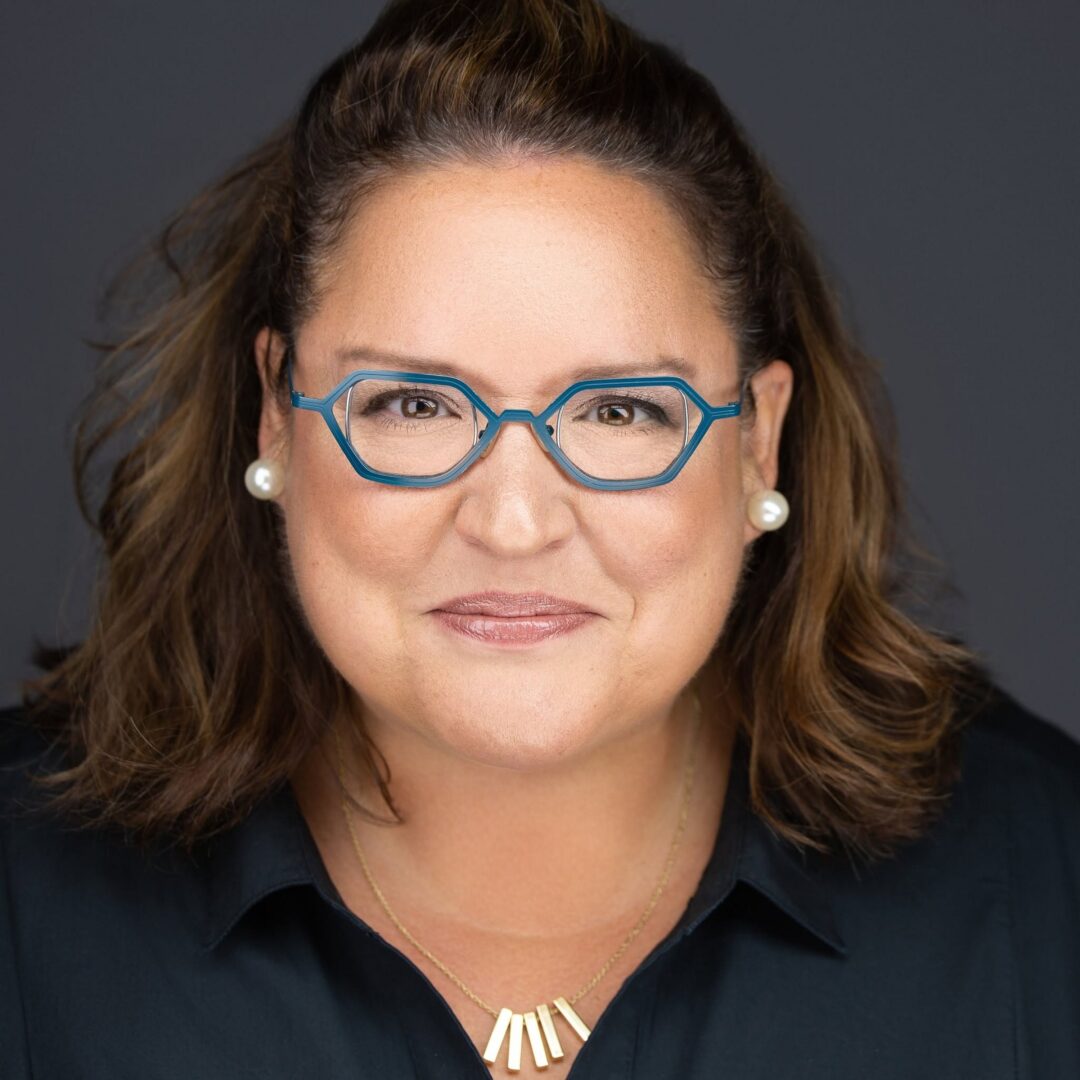
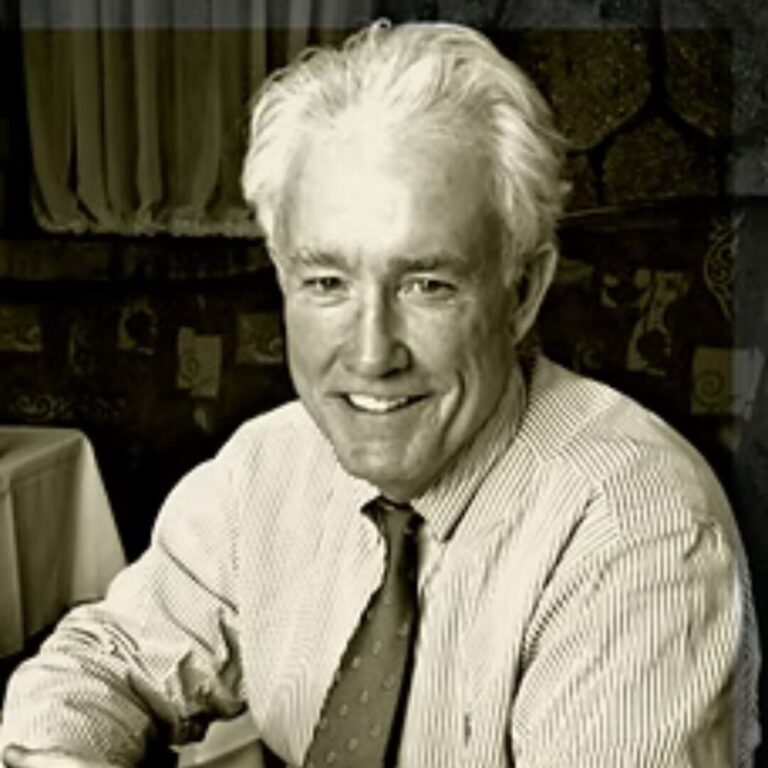
Welcome back to the show, my fellow extraordinary Americans. For today’s guest, we have Barry Dyke. Barry is the president of Castle Asset Management LLC, a fiduciary advisory firm specializing in holistic macroeconomic planning.
With more than 40 years of experience in financial planning, Barry is a rare voice of truth in an industry clouded by institutional interests. He strives to provide effective, efficient wealth creation for his clients, enabling them to achieve their retirement and beyond goals.
Barry brings a bold contrarian perspective to his work. He educates his clients on how to spot hidden financial risks, uncover industry blind spots, and take control of their financial future. His candid insights into Wall Street corruption and his advocacy for safer long-term income strategies resonate with people who seek transparency and truth.
Barry is the best-selling author of multiple books, including The Pirates of Manhattan, which predicted the 2008 financial crisis and exposed systemic flaws in the financial industry. His research-backed, client-first approach has been featured in the New York Times, the Huffington Post, Businessweek, and numerous other publications. He has been featured in the financial documentaries that rule America from 2012 and the Baby Boomer Dilemma 2021.
He continues to write and speak nationally to help Americans break free from the grasp of self-interested institutions and become more financially self-reliant. He’s an extraordinary American, and I’m glad and honored to have him on the show. I, Barry, thank you so much for taking the time to be on this podcast. I’m truly honored.
Barry Dyke:
Well, thank you. It’s always, it’s. I’m truly honored as well, and I’m very grateful to you for having me on Cosmos. And so hopefully we can help a few people out there today.
Cosmos:
So, Barry, before we get into Wall Street and all that, can you tell me a little more about your story, your background, and how you got started?
Barry Dyke:
Yeah, well, I get started. I was first in high tech, believe it or not, Cosmos. I actually used to sell parts to missiles and stuff like that. I used to sell aviation parts, believe it or not. And I was in high tech when I first got out of college. I did communication systems, but around 80, it was a tough economic time, and I wanted to get myself straight off, so I started getting involved in the insurance business. It was a very tough time, but I started that, and with a company, an insurance company called Prudential.
And I was rookie of the year; she was back in the 1980s; then I started working on pension plans for companies, and I made another commitment to Wing of Life. And I set up another administration firm just to handle public pensions and pension plans. And then I set up another administration firm to administer benefits for companies and publicly traded companies.
And then, around the year 2000, I set up a registered investment advisory firm. And you know, so I’ve done work with, you know, with individuals and closely with business, publicly traded companies, even some celebrities. And I realized that so much of the stuff that is being fed to the American public today, the retail investor, retail and saver if you will, who we’re trying to help, they are getting screwed by America, the banks, or the media. And the whole thing is that if you study the. The collapse of any civilization, okay, you always see these, these problems of inflation and debasement of the currency and the whole thing, which I think you and I were talking about before the show for a little bit. And so you see a lot of stuff’s going on.
So I think today, now more than ever, people need to know the truth because the media, you know, just does not. It is not doing the job for people, and the college is not doing that either.
Cosmos:
Barry, connected to this, right? Connected to the debasement of currency and everything. I watched a documentary once about the Roman Empire and how the empire ultimately fell.
And although it was about invasions by barbarians, it was destroyed from within because they debased the currency. And they just kept doing it, over and over and over, until it diluted everything so just for the audience to understand, like, what’s going on. Like how. How do governments and empires debase the currency, and how does that affect civilization?
Barry Dyke:
Well, you’re spot on, Cosmos. If you study history, the Roman Empire. Now, the Roman Empire lasted for about 750 years. Okay? We’re not, we’re not that old in the grand scheme of things. But if you study the collapse of the Roman Empire, the British Empire, the Dutch Empire, the Spanish Empire —they always have these common threads: debasement of the currency, you know, essentially printing money.
You have the exportation of highly value-added goods and services, which you see as worse than sending stuff over to China. You see the rise of the elites, if you will. And then, you have, you know, people focusing on speculating and gambling versus creating value through highly evaluated goods and services.
So, you are correct. It wasn’t the barbarians who, now that the barbarians are a factor, brought Rome down. It was the currency. It was the collapse of, you know, the debt. And it’s always, if you understand history, the debt. And there’s a hedge fund guy, Ray Dalio, who’s talking about that now, and he’s 100% correct. It’s always debt that brings down civilizations. And unfortunately, in America, as a country, we don’t save. Our retirement systems are horrible.
And so I’m very passionate about it because I know I’ve studied all the systems around the world, and I’m going to throw a fact at you now. We’re the number one capital market in the world. In other words, we have the most robust ways to raise money, and we’re the number one economy in the world. But what do you think we are in terms of retirement preparedness in the top 30 industrialized countries, where the US ranks between number one and number 30? What do you think we stand for?
Cosmos:
Probably, if I had to guess, probably in the mid, in between, 15 or 16, but I could be wrong.
Barry Dyke:
Yeah, it’s, it’s, unfortunately, it’s. We’re number 30, actually. Yeah, we’re actually the worst. I mean, even Mexico, you know, I.
Cosmos:
Could be optimistic over there. Oh my God.
Barry Dyke:
Yeah. So, so this, you know, there’s actually. And people don’t. If you’re listening to me, look at. This is not me. This is an actuarial firm called Mercer. It’s a global actuarial firm, one of the biggest in the world. They’re based out of Australia. And this is their 17th year doing this survey.
And I was just able to pick up some of this research for my latest book. And yeah, so we were actually, when I started researching this cosmos, we were number 22. Then we went up to 28, and now we’re 30.
So we’re going backwards. I mean, I never thought I would see that Mexico would have a better retirement system than us, but from a, from a M. Sustainability and longevity, we were actually among the worst in the world. I love this country, don’t get me wrong. But this is where we’re at today.
Cosmos:
So Barry, since 2008, the financial crisis of 2008. Right. The banks and the Federal Reserve printed trillions of dollars. And especially in the 2020 pandemic, they printed even more.
And inflation has just kept going on and on. And basically, it seems like America is going down the same way as the Roman Empire, with the debasement just accelerating. So, from your perspective, do you think we went wrong when we got the gold standard, or where do you think the root cause of this problem is?
Barry Dyke:
You’re a good student. Customers. Yeah, it all started back in 71, August of 1971, when Nixon took the country off the gold standard. So ever since August of 1971. Years ago, you could redeem your dollars for actual gold.
So, because we had a problem with the Vietnam War back then, Nixon took the country off the gold standard in August of 71. And since that time, the dollar has not been tethered to any other currency, a worthwhile currency.
And so a current heart, you know, acid, if you will. So they’ve been printing money really since that time. Now the thing is, we’re not the only ones who do this. But because we have been the reserve currency, we’ve been able to pull this off. But the whole thing is that eventually people will not want to trade in dollars, and that’s when our goose is going to be cooked. And you know, once the. I think you understand that once we lose reserve-currency status, we’ll have even worse inflation than we have now.
Cosmos:
Barry, we’re already getting there with the brick system, where they’re basically trading between themselves, and all of that, and a lot of the dollars that other currencies had to trade.
So, one thing I want to tell the audience. So, after August 15, 1971, like when they went to the fiat standard, we came to a petrodollar system, right? It was the oil-for-dollars exchange, and we would protect the militaries in the Middle East in exchange for oil.
And so, when that happened, like a lot of people, the reason we remain a reserve currency is that people would exchange to get dollars to buy oil. But now that system seems fragile.
And then with the BRICS system coming into play, it seems like everything is going to come to a close in the near future. But I don’t know, what is your opinion on that? Matter, Barry.
Barry Dyke:
You know, Cosmo, the more I know, the more I don’t know. But I do know we’re seeing cracks in the system. Last time, the last financial crisis was ignited by, which, of course, always gets back to the debt. It always gets back to debt.
Cosmos:
Pretty small doing it at this point. 35 trillion more than that at the national level.
Barry Dyke:
Yeah, I think it’s up to 37 now. Cosmos.
But anyway, last time around it was subprime mortgages, and you know, tragically, 6 million people lost their homes. And nothing really happened to Wall Street. They got bailed out.
And so, you know, America has short memories. And so, unfortunately, the same thing is happening again. We’re seeing cracks in the system. And this time, instead of being subprime mortgages, we’re going to see things like private credit, which is, you know, debt. But it’s, it’s because it’s private, no one can really see what it’s worth. What you’re going to see is invoice financing, which is an old type of finance, but they’re kind of modernizing it with Fintechs and all that.
So, yeah, instead of it being, you know, subprime mortgages, this time it’s going to be private credit, and the IMF and everyone else are really worried about it. And there are other problems as well.
So we’re kind of, we’re already starting. We’re kind of, we’re kind of a train wreck in slow motion.
Cosmos:
I mean, a lot of people don’t want to hear it, but like, for the sake of the audience. Barry, could you tell me, the audience, what you believe the next 5 to 10 years of tragedy will be like, and how this is going to play out?
Barry Dyke:
That’s a good question. It’s, it’s. Well, this is a tough question. I don’t think it’s going to end well. I, you know, I don’t know. I’m an optimist. You always have to believe it. And, I’ll tell anyone out there, any of your listeners there.
I’m a Christian. The most important thing is my belief in God. I’ll tell it to anyone. I’ve said this on national radio, so. But if you look at the rise in economic inequality, which is, you know, really the biggest problem. And, you know, see such division and you know, I think most people want the same things, but I, I, if, if the debt doesn’t get resolved and, and the debt is really predatory because, you know, if, if, you know, you’re in Florida, whatever, if you can go out.
You charge 36% on a credit card, but you know, if you, and, and they could haul you to jail often, but if you, you know, bankrupt a company with a billion dollars in debt, they let you go free. So, I don’t know. I think people need more spiritual grounding, but I don’t see anything good going forward.
Cosmos:
Barry, what I personally think is that, like, because, you know, like, we’re right now in a real estate bubble, right? We’re in a stock market bubble. And like, everything is. And on top of that, at some point, right, the bubbles will burst. Like, there’ll be some sort of crisis.
And then what are they going to do this time? Because our dollar is not pegged to gold, banks will just print more money and lower interest rates to save us from a recession or a depression. But then, if that happens, we’re going from one pendulum swing to another, and the dollar just gets destroyed. Right. Like, correct me if I’m wrong.
Barry Dyke:
Yeah, you’re correct. I mean. Yeah.
So, you know, anything, you always want to have hard assets. Things will get real estate, gold, and things of that nature. I’m still, cryptos, I’m still, I’m still on the sidelines on that. I mean, you get. We have digital currency now, but I think it’s just another way to counterfeit. But yeah, so you’re going to have to really, you know, you want to. You know, kind of. My whole thing is, you want to learn how to save before investing. And, and so if you, if you save and, and you stay out of debt, okay, you’re going to, you’re going to be less enslaved.
As a matter of fact, I was looking at your WAVE website, and I was thinking, you know, you get it. I mean, they’re essentially turning Americans into debt-slaved people. And you know, and if you look around the, And. And I think that’s just wrong. So I think the more we can help people get out of debt, the better off they will be. But, you know, the idea of hard assets is also really something people need.
Cosmos:
So Barry, I mean yeah, we are living in a debt system because essentially, like, through the fractional reserve banking system, and then the fact that they print the money out of nothing, and then they charge interest on that money so if you’re going to How are you going to pay the money back with interest when there’s only that much amount of money. Right. You cannot, you cannot pay what money does not exist.
The entire system is meant to implode. But they made it so hard to understand, like, especially if you’ve seen the movie The Big Short.
Barry Dyke:
Well, that’s one of my favorites. That’s a great movie. And unfortunately, I think I feel that, you know, I have some good friends of mine and some other research we can talk about, which I’m.
I feel like we’re in another big short moment. I think the big short was just a. They just nailed it. And I think that. So instead of subprime mortgages, I think this time it’s going to be private credit and leveraged buyouts gone.
And venture capital gone bad. And yeah. So, it’s funny you mentioned that, but I think that’s. People out there haven’t seen the movie that everyone needs to see: The Big Short. But I think this is happening again. And actually, the irony of the whole thing, I don’t know if you remember, but if you saw that movie Cosmo, there actually was a part of the movie, it’s in Vegas, where they had the derivatives of the subprime. They’re still having the same thing, but now it’s even bigger than before. But this time they talk about private credit, you know, so.
Cosmos:
So here’s the thing, right? Wall Street uses this jargon that’s so complicated for most people to understand. And that’s how, that’s how they’ve been able to get away for so long, because they make it sound too complicated that the commoner or the masses, they’re not going to be able to understand most of that.
Even in that movie, The Big Short, they had to get celebrities to explain this really complicated jargon in a way that was easier to understand. That’s how bad it is. You know, somebody has to explain it in simplified terms for the masses to get it, in my opinion.
Barry Dyke:
Oh, by the way, I just thought of this and put it up on my website a week or two ago if you go to Barry James D dot com. My website is barryjamesd.com, and people don’t even have to buy my books. Whatever. I put up a new glossary up there.
Cosmos. There are all these things, you know, derivatives, credit default swaps, in which leverage would, you know, with our you know, leverage buyouts, all this stuff. Wall Street speaks.
So if you look at my website, there’s. I put it up there really to help people because they really want you. They want to control you through language and linguistics. Okay. So I put this thing together, and I’m put up there on the website so people can look at it. Do they have any questions on that stuff? Because a lot of this is even complicated for me.
So, over several years, I started picking up all this complicated stuff and breaking it down into English terms. And go to the website at barryj.com; it should say “glossary.” If people want to email me, they can find my email address up there. But at bdike@cam nh.com. But I put that up there just because of this problem, because they don’t. They want to make it. They want to keep people in the dark, and I think we need to put the light on this.
Cosmos:
Barry, on a more personal level, so that, like, the audience can do something right in their personal lives. There’s debasement of our currency, just devaluation and inflation.
So what can people watching this do to keep their money safe, liquid, and profitable? Like, what steps should they take?
Barry Dyke:
Well, obviously, you know, they have to have, you know, they have to, you know, learn how to save first, you know, and, and if you save any 10, 10, 20% of your income, and if you look at all the people who successfully learn how to save first.
So you can’t really invest, shouldn’t invest until you manage your debt and you have savings. You don’t want to be this: the Bible says you don’t want to be the borrower, who is always a slave to the lender. You know, when you saw the thing about slavery on there. So first of all, you want to say. Second of all, you want to, you know, hard assets, things like real estate, gold, and that type of thing.
Also, I’m a big believer in life insurance and annuities. Mutual companies, no question. It’s one of the best places for anyone to warehouse their capital. There’s no question about it. I’m the guy, I think in this book, I think I should. I don’t know if you can see this now.
Cosmos:
I can’t see this.
Barry Dyke:
Yeah, okay.
Cosmos:
Pirates of Pirates of Manhattan.
Barry Dyke:
Yeah. So, anyway, that’s the first book I wrote in 2007. So I’m the guy who kind of cracked the code, if you will. I was the guy who discovered all these banks like JP Morgan, Wells Fargo, Citigroup, and all these giant banks, Bank of America, all these banks, they all have enormous positions in life insurance and annuity contracts. And the reason is that they’re so stable. Now we understand, you know, the fractional reserve lending system, Cosmos, is that for every dollar you put in a bank, the bank is lending it out, you know, at least 10 times, now actually an unlimited number of times.
Now, I don’t know if you knew about that, actually. Yeah, since the Fed let them get away with this in 2020. Since it was March of 2020 when the repo market froze up. Banks lend unlimited amounts of money on your money.
But the irony of the whole thing is that the banks themselves, and actually the major corporations, all invest a large portion of their own money in life insurance and annuities. No question about it.
And it’s all true. So that’s another good thing to do. Always invest in yourself, anything that is going to produce cash flow, your own business. If you’re an entrepreneur, being a small business person, still, one of your best ways to combat what is going on right now, whether it be your own store or real estate, or see, be some type of entrepreneur, this country still does reward entrepreneurs in a big, big way.
Those are some of the things I recommend. So, you know, save, you know, save first. You know, use hard assets. You know, always invest in yourself. Investing in yourself is always gonna be the best investment.
Cosmos:
A continuation of this, right? So, our financial systems are basically rigged against us through inflation and just debt, like debt. And it just benefits them and all of that.
How do we mitigate the dangers and risks of this system? Because the system is rigged against the 99%.
So what do we do to, like, minimize financial risk in our lives?
Barry Dyke:
Well, well, first, I could read my books. But I’m not saying. I’m not. I’m not saying that because. No, I spent a part. The better part of my life has been putting my life, blood, sweat, and tears into this stuff.
Cosmos:
No, I would want, first of all, the audience to read your books because I think.
Barry Dyke:
Yes. So it says, yeah, go to berryjamestech.com so the first thing is really to read the books. Okay, So I spent years researching this stuff. So you are 100, correct. 120. Correct. So they do want to enslave people, undead.
If you study any religions, you realize things like, you know, like, prior to the 1920s, being in debt was considered to be kind of morally wrong, you know, but, you know, so what. Unfortunately, what we’re seeing is now, at the time prior to 1920, General Motors started lending money to people to buy automobiles.
Then Wall Street said, hey, this is a pretty good idea, lending money to people to buy cars. So then Wall Street said, hey, we do that with stocks. So then that’s what we have in the 1920s, and we get leverage of the gills. And then we had a crash.
And so, the, you know, so one of the things that you really want, you have to really want, and that’s how they can slave you with debt. And you. I think you and I were talking offline about, you know, what they can do with digital currencies.
And, which they did with the Canadian truckers about a year or two ago when there’s protests up there, they actually shut off all the Canadian truckers, credit off.
Cosmos:
Yeah, I mean, stuff like that just, like, horrifies me to be honest. Because if they can do that, what can they do on a national level, you know?
Barry Dyke:
Yeah. And we all have phones now. They know we can find ourselves wherever we want. You know, we have. We, you know, they. People can find us wherever they want to now. But I think really, the more you are independent, I think, you know, I kind of have. I tell people my five Fs, you know, you want to be smeared, spiritually, morally strong.
So I always tell people, you know, one of the first things you got to be. I call my 5s. The first thing is my faith. My faith in God. That’s the most important thing in my life. No question about it. I do all for him. Okay? He gets all the glory.
So secondly, the next factor is, you know, family.
I mean, whether we have, you know, our children or grandchildren or our brothers and sisters, whatever, we need to do this for our parents. And really that’s who. What motivates me thirdly is my friends. I mean, I couldn’t do any of this stuff, even what I do without friends. People I get to meet friends like you or throughout the country. So we really need to have friends to work with. Then the next thing, which I think Cosmos is being physically fit.
there’s going to be a lot more stress in the days to come. So I think the more you work out and you stay cheap, you’re going to be much better off. And then lastly, I think, you know, you obviously want to know more about finances. That’s it. I call it the finances. So, my faith, my family, my friends, physical fitness, and then finance. So that’s got. Those are kind of priorities. I think you have those priorities, just that hierarchy. I think everyone’s gonna be a little bit better off.
Cosmos:
No, for sure.
Barry and I have so many questions to ask because, you know, like, because there’s so much to talk about.
But like, since we met, went men. Wall street, right. What are some of the ways Wall Street continues to perpetuate massive corruption like the retirement plans that they offer and just like in general.
Barry Dyke:
Well, you know, the biggest one lately, I mean, I always tell people a new toaster from Walmart has more guarantees than a 401k, you know. You know, and so. And so the thing is, I think really the. The corruption of retirement savings, in particular, is horrific. And I think, with Trump, the executive order with him on August 7th, what it is, they call it, wants to democratize finance. It’s. Well, it’s really not democratized. It looks like Wall Street or private equity is looking for a greater fool. And that’s really it. They’re really going after retail savings because of this $12 trillion in retirement plans.
So one of the most corrupt areas right now, unfortunately, is the retirement space. And there’s a book, I don’t know if you’ve heard of a Cosmos. It’s a book you should look at or just bruise it a bit. It’s called Other People’s Money. It was written by Louis Brandeis in 1914. And it was all about gambling with other people’s money. And so here we are 100 years later, and really, nothing much has changed.
So what has happened now? But we’re slicker. We have the Internet. But we’re increasingly controlling the message. So one of the things that most people today are putting most of their money into unthinkingly are 401 (k) s and IRAs, and everyone thinks they’re going to.
But the fact of the matter is that, in 2022, just for a statistic, people lost 22% on their accounts. Wow. Okay. BlackRock, the world’s largest asset manager, lost 1.7 trillion. And I testify in court. But, you know, in, in, in America, when no one really reads anything or does research.
But this is very, very true.
So, it’s to control the narrative. And I think really, you know, this is why I love what you’re doing, like a podcast and like that, because that’s the only way people are going to hear the truth. They’re not going to hear from the mainstream media. I’ve been literally thrown out in the street by mainstream media numerous times. Okay.
They don’t want to hear it because, you know, the meat is hard. They’re in a difficult space. But you know, their largest advertiser, the fine institutions, the banks, the asset managers, the luxury good manufacturers, say, I don’t want to hear about this
So the only places they’re going to hear the truth are really from people like Cosmos.
Cosmos:
No.
Barry Dyke:
So that’s why I’m so in favor of what you’re doing.
Cosmos:
No, I appreciate it, Barry. Yeah, we need to know how finances work, and like how the monetary system and financial systems work, because if we don’t, then the rules of the game are rigged against us.
We don’t know the rules, so we have to know about them.
Barry Dyke:
Yeah. So that’s when. So one of the things that people need to know, and yeah, and the things that, you know, being learning how to pay cash for things or, you know, finance things themselves, becoming your own banker, using life insurance, that type of thing, people, if they want anything more, they can email me, or we’ll be happy to help them.
Cosmos:
But have you?
Barry Dyke:
Yeah, they really need to,
Cosmos:
Go ahead. I was going to ask if you read Nelson Nash’s book, Become Your Own Banker.
Barry Dyke:
He’s one of my m. He was. Nelson was a very dear friend of mine and one of my mentors. He and I were very, very close.
Cosmos:
Wow, Barry, that’s something. That. That’s amazing. Yeah.
Barry Dyke:
So you know Nelson?
Cosmos:
Yeah, I know some of the people who worked under him. And I, and, and so, yeah, I actually read his book, Becoming Your Own Banker, and then I met people who worked under him and were mentored by him. So. Yeah.
Barry Dyke:
So he’s a very dear man. He was very important in my life. As a matter of fact, this book, if I can get it here, is a true story.
Cosmos:
The Pirates of Manhattan.
Barry Dyke:
Yeah, this, this is a highway to serfdom. Okay. 2012. Nelson financed that book for me. I was going through a very difficult time in my life, and no one financed me with anything. And Nelson actually financed that.
Cosmos:
No, I mean, Barry, like, I’m actually looking into life insurance as a way of basically becoming your own bank. And it’s just so fascinating. It’s almost like magic if you think about it.
I didn’t know this type of tool was available today. But it’s fascinating, and I would definitely want my audience to read Becoming Your Own Banker by Nelson Nash.
Barry Dyke:
Yeah, so, so yeah, he was a very dear friend of mine, and we talked. He was just a real blessing in my life, and I have a lot of my success to thank him for because of the research I did. But it was actually Nelson who spurred me on to write the first book. Because what happened at Cosmos is this.
I’m going in 2004, so we’re talking 20, 21 years ago, man, I was going through a tough time. I. Life, I went through a divorce and a bankruptcy. Went through all kinds of horrible stuff. But I had done this research, was down in Birmingham, Alabama, and started it, and I always wanted to write a book. I said, Nelson, look what I found.
But where the banks put in all these banks where they put their own money, he says, you have to finish, you have to finish this, Barry. And so I did. And so that’s the book, it still sells well to this day, called the Pirates of Manhattan. That’s a true story. Yeah. So Nelson was, it was a real incredible blessing.
Cosmos:
The revelation on this recording is so crazy. Like, I didn’t know the Pirates of Manhattan was influenced by Nelson Nash, of all people. This is, it’s, it, it’s wild how life works, actually.
Barry Dyke:
Yeah. So.
Cosmos:
Yeah, you’re seeing a genuine reaction to this thing. It’s just like wow.
Barry Dyke:
Nelson says he was always surprised they had to throw me in jail or whatever because of the research I’ve done. But all I do. Cause I just, I’m just, I’m a very anal, going for the facts. And yeah.
So Nelson was the impetus for the first Pirates of the Book. And and, and it’s been, it’s been a crazy ride. So that was. So when I finished that in 2006, this is. Yeah, 19 years ago. And that the Pirates of Manhattan still sells to this day. And it’s because when you understand the financial system, and I do. No, nothing is perfect, Cosmos.
Let’s be honest, nothing’s perfect. But when you understand how a well-constructed life insurance policy with high cash values is one of the best things anyone can own. And the thing is, I was the guy who found out that Wells Fargo, Citigroup, JP Morgan, Bank of America, PNC Bank, and all these freaking banks. Truest Bank, all these banks that they have, okay? They all own it, okay.
And guess what? You know how many people in the media will acknowledge this today? Cosmo in the mainstream media.
Cosmos:
How many M0? I mean, but it’s all true. I mean, the banks are owning whole life giving, playing with whole life insurance. I mean, there’s definitely something to it. You know, and I want my audience to take home this fact. If anything, you definitely want to take a closer look at what banks invest their money in.
Barry Dyke:
Yeah. So, the matter of fact, you know, the banks make all their money from Cosmos. Okay? This is hypocrisy, okay? Now, bank regulators, and I’m not making anything up, cannot put their reserves in stocks. You know why?
Cosmos:
Why?
Barry Dyke:
Because they considered it too risky and too volatile. So the reserves of a bank, the core capital tier, tier one capital, if they go to Barry James, like they should get the books. But anyway, if you understand, bank regulators will not let banks invest their money in risky assets.
So they can use things like gold, mortgages, treasury bills, and cash-value life insurance, okay? Bank-owned life insurance.
And so it’s all ah, true, and it’s actually considered one of the safest assy you can have. But even to this day, Cosmos, and this is if you’ve heard about this, is that this is all true. But no one in the mainstream media will acknowledge it.
Cosmos:
Yeah, I mean, the mainstream media is not like you have to hear it from other sources because, like, I think they do have a propaganda element, and they’re very biased. As they need to, they want to sell something to the masses. It’s never going to be accurate information, or they won’t tell the truth.
Barry Dyke:
No. So. Yeah, so, so that, so that, that’s, you know, so that’s, you know, so a lot of these things, like that’s why I admire what you’re doing because this is all true.
And then what saddens me, though, in preparing this next book, is that it’s going to be called Black Eyes for BlackRock. Okay. You know, BlackRock is the largest asset manager in the world. And what saddened me, in this, this is real.
It’s a great country that we are, and there’s no question about it. But what saddened me is that, you know, people are reaching, you know, the 70s and whatever. They can’t retire because the financial system is exploiting them. And so we’re starting to see cracks in the system, too. I don’t know if you’ve followed the collapse of First Brands Ohio, the auto parts company in, you know, Ohio. Do you see that, Cosmos?
Cosmos:
I haven’t seen that.
Barry Dyke:
Well, that’s one, that’s, that’s a big one. You know, 2.3 billion just disappeared. And then there was another one called Tricolor in Texas, which is like you. It was a used auto dealer. It was like buy here, finance here.
And they were charging immigrants, you know, 20% on the car loans, and they went into bankruptcy as well. So, there’s a lot.
So this last time, it was subprime mortgages. This time it’s going to be subprime auto loans, you know, private credit, and that type of thing. So, but really one of the best things, you know, you know, becoming your own banker is still one of the best things anyone can do.
Cosmos:
So Barry, one of the questions I wanted to ask, right, especially about the big banks and financial institutions. I just wanted, for the sake of the audience, to explain why it’s so essential to understand how financial institutions operate and how individuals can protect themselves from potential self-interest.
I know you mentioned whole life insurance. Right. But other than that, is there anything else that the audience can do to protect themselves from these big institutions?
Barry Dyke:
Well, yeah, you know, a lot of it is, you know, learning to save before you spend. Okay. I mean, that may sound corny. I don’t know how your parents were, cosmos. But if you, if you say for, you know, if you learn how to have delayed gratification, you know, it’s like I write books and, and I’ve got a lot of joy and wonderful experiences. Resolve it. It’s like I’m doing these things now. But the thing is, people don’t understand that writing a book is very hard work, and it takes a long, long time to get it done.
And so I think the ability to delay gratification. You know, get out of the instant gratification and you know, and this is so important because, one of the things I love this country but the, you know, the amount of people, you know, you know, young people, you’re committing suicide and you know, the drug addiction, fentanyl, all that stuff is this really troubles me.
And you know, unfortunately, what we’re seeing as a result of this is that the US is one of the unhappiest countries in the world. You know, a lot of the people, the young people are, you know, getting very, very discouraged. Unfortunately, it’s actually worse than the. In the United Kingdom, particularly in England, there is a similar atmosphere.
But I think, you know, learning, you know, you know, basics, you know, delayed gratification, you know, looking at goals, you know, God’s got a, you know, a role for all of us. And I think it really needs you. People need to look within and follow that.
Cosmos:
No, for sure. I think there’s always a lesson to be learned.
And most even like finance, like entrepreneurship, business, or even financial education. They incorporate a spiritual lesson that we should not be greedy because if we are greedy, greedy, it’ll lead to the end of our civilization, because basically, let’s just face it, right when it comes to Wall Street.
Just like the big banks, it does. It has come down to greed. They own everything, but they still want more and more and more, and it just keeps going on, and on, and eventually you’re just going to implode upon yourself,
Barry Dyke:
Yeah. And if you know, you look at the, you know, great civilizations once, like the British Empire, whatever, the sun never set in the British Empire.
Well, it’s, it’s now it’s a piker of a country I think. I think Poland’s economy is supposed to exceed England’s within the next year. So this is how far they’ve fallen. I hope we just don’t see the same thing, but yeah, it’s greed, and you know, it’s, I think it’s a moral issue, and believe me, I’m a capitalist. I don’t want socialism.
Okay. I work very, very hard. And I think that’s in this country. It’s a wonderful country because of that. But yeah, the greed is, yeah. I never saw a hearse with luggage racks. So I mean, I don’t know what these guys want. I mean, it’s going to be a problem.
Cosmos:
No, for sure. Barry.
And Barry, on another note, I know you wrote this book, The Pirates of Manhattan. Can you tell me a little more about the audience, what this book is, and the details about this?
Barry Dyke:
Well, that was the first book I wrote, and it still sells to this day. I explained how banks actually know what happened. You have to understand that the last huge financial crash in this country was in 1929, the class crash that brought us into the Great Depression. And so, as a result of the financial system bringing the whole country into the toilet, which it did for a long period of time.
And my father, my parents grew up in the depression, so I’m very familiar with that. They put in some guardrails to protect consumers, and they put in the Securities Exchange Act and the In the And they separated investment banking and commercial banking. I don’t know if you’re familiar with that, but they understood that traditional banking and investment banking should not be mixed, so they separated them in 1933.
Now, the problem wasn’t that this all went until 89 or 90 or what was it, right, 1999. But everything was essentially run in the Ronald Reagan era. They started taking, put all the guardrails out, and it’s been kind of a cumulative thing over the past 20, 30 years, where all the consumer protections, which are put in, essentially all the guardrails, have been removed.
Now it’s really that people have to be more independent; they have to be more self-reliant because a lot of the protections we’ve put in place have been removed. For instance, you know, you know, Trump and I voted for the man. I’ll tell anyone that. Okay. But the, They. They’re. They’re taking away the—the consumer protection bureau, which, you know, is another thing.
So a lot of the things put in to protect people have been removed. Now, the whole thing is this is a great country if you’re very rich, still, it always is a great country. Or if you’re a government employee, with, you know, with good benefits, pension benefits, things like that. But the vast majority of people do not have that stuff. So, this is why we have to be more self-reliant. We have to be.
Cosmos:
No, for, ah, for sure. I mean that’s. That’s actually the entire point of exploring America. To be self-reliant and attain the education that we require to know the rules of the game.
I know you have this company, right? Castle, Asset Management llc. Can you tell me a bit more about the opportunity audience and the premise that got you started on this?
Barry Dyke:
Well, yeah, it’s a resident investment advisory firm that I’ve owned for 20-25 years now. It’s an independent investment advisory. We still. I still have financial planning for. Around the country for people.
And I do it because it. Well, it helps. It pays the bills, but keeps my hand in the business. But so I, so we. We do. We do a lot of planning for people. We do manage assets for people, and we do, you know, holistic financial planning, where we’ll look at a person’s entire situation. Whereas a typical broker only looks at, you know, a person’s portfolio. But we look at everything. We look at how their liabilities are structured, how their insurance protections are in place, their estate planning, and business continuity. I’ve done all these things over several years, so luckily I’m very comfortable in this position. We really do have a very holistic system.
And so. And, amazingly, God blesses me, because each year, people call me from Chicago or California or whatever, and they say, “Here, they have all this problem.” Then people give me a bunch of money and keep my ministry going, you know.
Cosmos:
No, that’s amazing. Barry.
And Barry, so if there’s somebody from the audience who wants to connect with you and get to know more about you, your work, and everything you do. How would they go about doing so?
Barry Dyke:
The best way is to email me, I’m really available. The email bdyke@camnh.com would be happy. And I always answer emails where people can call me. I tell people to call me because sometimes, you know, because I’m an author and stuff like that. Cosmo, or all of us today, I get some time, sometimes three, 400 emails a day.
So, sometimes I tell people just to call me, and I always want to build the next fan because that’s how I’ve been able to build this presence in the US, and it’s also. So, yeah, so people can just. I’m Pretty available. So you go to barryjamesdike.com, and you can find all my contact information, you know, get the books, and so people can know what’s really going on with their finances.
Cosmos:
No, very. I really appreciate and thank you. And I’m so grateful that you took the time to come on this podcast and share your knowledge about how financial institutions work, how empires fall, and basically the necessity of having financial education and preparing for financial fallouts.
Because this is something that everybody needs to know, and I do hope that you take the time to come on this podcast at, a later time.
Barry Dyke:
Love to Cosmos. So please shoot me an email. We’ll be happy to send you complimentary copies of books that will. They’ll help you.
Yeah, it’s a small world. Yeah, so, yeah, Nelson Nash was a big mentor of mine. And, so, yeah, matter of fact, I spoke at the National Institute last winter in Orlando. And I think there’s another meeting coming up in Birmingham this winter as well. So maybe speaking of that. So they’ve always been good to me, and so it’s my way of giving back.
Cosmos:
That is amazing, Barry.
And, I want to conclude this episode by letting my fellow extraordinary Americans know that, hey, look, there’s an extraordinary within every one of us. It’s our duty to awaken it and unleash it. Until next time. Bye for now.
 Amazon Music
 Apple Podcasts
 Audible
 CastBox
 Castro
 Google Podcasts
 iHeartRadio
 Listen Notes
 Overcast
 Player.fm
 PocketCasts
 Spotify
 Stitcher
 TuneIn