Cosmos
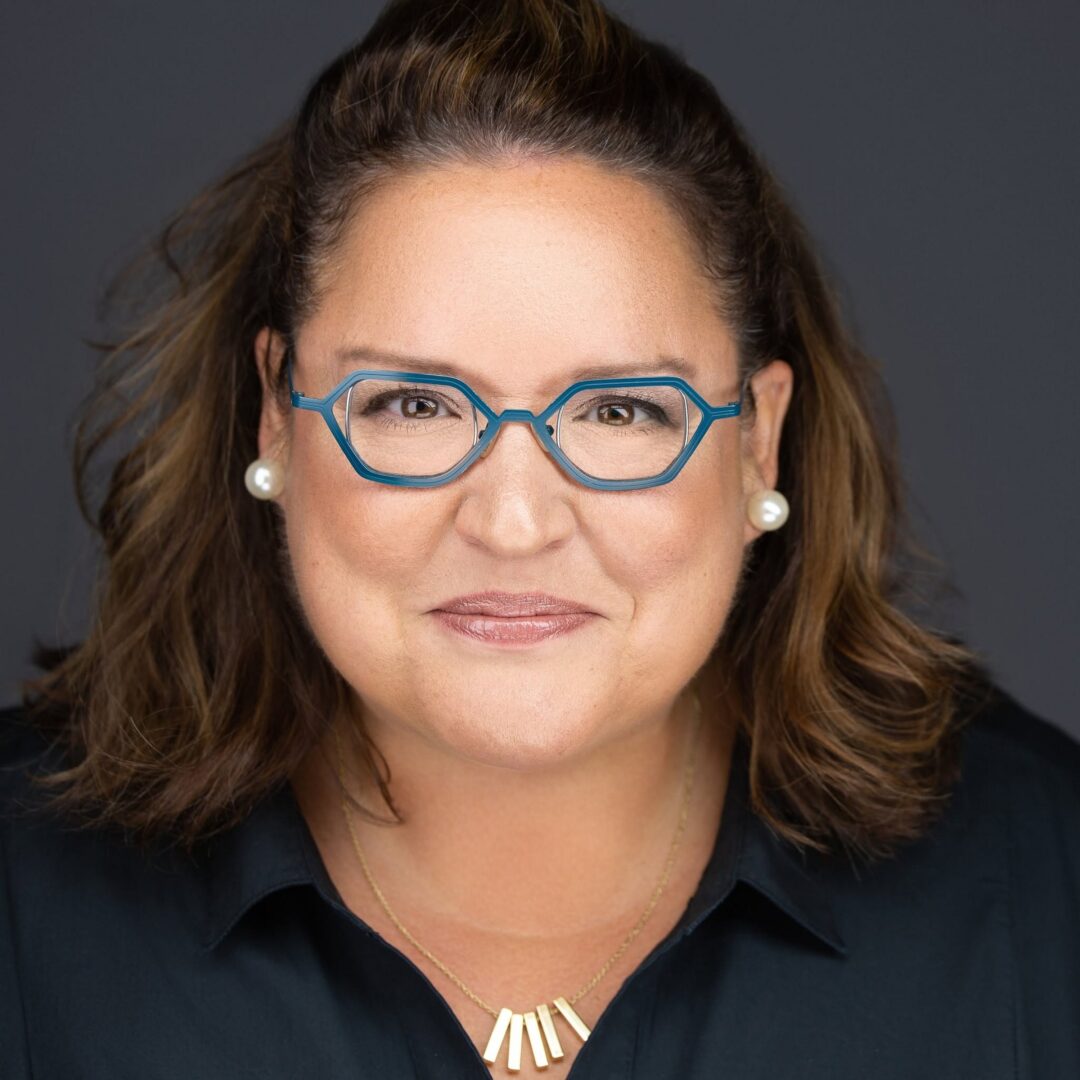
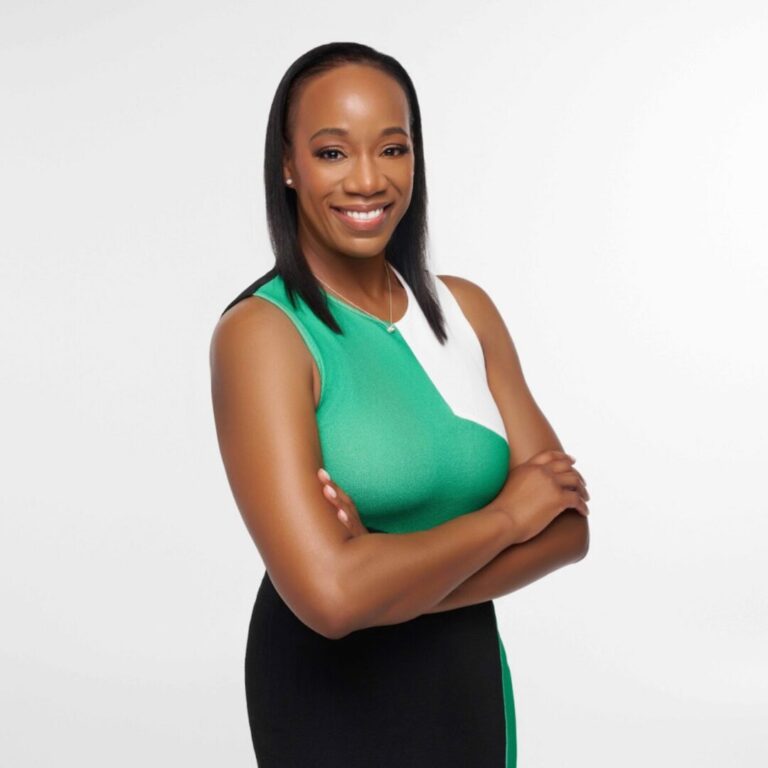
Welcome back to the show, my fellow extraordinary Americans. Today’s guest is Michelle Campbell. Michelle is a passionate advocate for social change, personal transformation, and financial literacy. She’s the founder of the social services nonprofit Hashtag Stability, which focuses on supporting individuals facing homelessness through critical resources and financial education.
Her company, Tax Shell, LLC, provides unparalleled, personalized tax resolution and accounting services to a broad range of clients. During her academic pursuits, she launched a real estate investing firm, marking the beginning of her entrepreneurial path. Over the years, Michelle expanded her ventures into various industries, including horticulture, where she founded an interior skateboard company, and logistics, where she established a commercial trucking business. Drawing on the insights and expertise gained across these diverse fields, she transitioned into a career in the financial services industry.
Michelle’s new book, Bluebird: A Memoir of Trauma, Heartbreak, and Divine Beauty in the Struggle, is a powerful reflection of her journey of resilience, revealing how personal struggles and financial hardship shaped her and how understanding money became the key to turning her life around. She’s an extraordinary American, and I’m glad and honored to have her on the show. Michelle, you there?
Michelle
I’m here. How are you?
Cosmos
I’m doing well. I’m so glad and grateful that you took the time to come on this podcast to share your story.
Michelle, can you tell the audience a little bit more about yourself, your background, and how you got started?
Michelle
Absolutely. I always describe myself as a serial entrepreneur. I feel like I was born with the zest, energy, and inspiration to be an entrepreneur at an early age. I remember selling bracelets as a kid, and then that morphed into babysitting. And, finally, when I came to college, I put all that into motion and began the steps to starting my first company.
So, just someone who has that entrepreneurial spirit. What’s most important to me is maintaining stability for my nonprofit’s hashtag, because through my experience, I can help other people. That experience gave me a lot of insight, because I wouldn’t have been aware of, or able to relate to, or have the compassion that I had if I hadn’t gone through the things I went through to then help the very people I feel like I was meant to help. The second most important is my financial services company, Tax Shell. I am passionate about the finance industry, particularly in tax law.
I am happy to be an advocate for individuals facing tax issues, such as audits and sanctions, as well as the IRS itself. And, as you mentioned, I recently wrote a book that combines all of those elements. So, it’s like my past experiences and how I found purpose through those experiences, which then helped me publicly launch # hashtagstability. And then, with my expertise in the finance industry, I applied that expertise to the services we provide through hashtag stability.
Cosmos
So, Michelle, a question I had is, when you went to college and university, did you start your first company around that time? Could you walk the audience through your strategic goal and vision, and explain how it evolved into creating hashtag stability from there? From the beginning, when did you first create your real estate investment firm?
Michelle
Okay, so, yeah, when I was in college, I just always knew that I wanted to start a business. At that time, the real estate industry was thriving. Real estate has had its ebbs and flows. And so, depending on what’s happening in our economy, real estate can be a good investment.
And sometimes, the real estate market can be slow. But back then, the. This was reminiscent of the late 1990s and early 2000s. It was big. Everybody was doing something in real estate. There are several different areas of real estate, including rentals, investing, and flipping, as well as other background aspects such as property assessment, analysis, and valuation.
But I just wanted a piece of the pie. I began researching and discovered the opportunity to purchase tax sale properties, which are available in every county in the United States. Typically, these sales occur monthly. Some places do it quarterly, while others do it annually. But there’s a tax sale.
And what it is, is that you’re buying property, and you’re paying someone else’s property taxes. And that was in default. And when I entered, you could buy property fairly cheaply until they started treating them like foreclosures.
But I entered doing that. Then the real estate industry tanked. And then I got into horticulture, because that’s what I’m passionate about. It’s been a long love affair. But I wasn’t making any money. And then I went through a huge relationship transition.
And that’s kind of what placed me into trucking, because I just needed to make more at the time. And it was in that industry that I understood that trucking, basically, at least at that time, and it still might be today, is or was the number two industry in the world next to import export, because everything that we have in our lives got here at some point on a truck.
And so, I started with a freight brokerage and then expanded it to owning and operating my trucks, running them on 53-foot drive trailers coast to coast. Unfortunately, we then experienced a lawsuit that was not of our own making. Crazy enough, I wasn’t being a reckless business owner, but the lesson was that I didn’t have enough business capital to continue the business.
So that kind of put me in this whirlwind, goodness, maybe like almost a five-year transition period of homelessness, actually experiencing the things that I’m helping people with. But it also opened my mind. And so, from the very beginning of starting businesses, I educated myself on everything, including accounting, taxation, and the legal aspects of starting a business. But then what I realized is that I knew more by doing it that way.
So, I then started pursuing actual certifications and became credentialed with the IRS. And that almost made a light bulb go off, letting me know that I knew way more than I gave myself credit for. And that maybe, just maybe, that I went through all of that to be able to help people through it, so that I could, I would be able to relate to them because I had been through it too.
By applying my expertise in finance, combined with my understanding of what you’re going through when experiencing any kind of financial trauma, I can open the gateway to stability. And then separately, encouraged me to start Tax Shell, my financial services firm. I never gave myself credit for knowing everything that I knew. I just thought everybody knew it. But I’m still learning every day that not everybody knows some of these things.
And I do feel that everybody’s mission, job, or purpose in life is that we all know something that can help somebody else. And when we utilize our skills, expertise, and experiences to help others, we are then living in our purpose.
Cosmos
Michelle, you’ve had such a fascinating journey and gone through so many twists and turns in your life. Even the difficulties in your life helped you help other people. So, in retrospect, it had to happen for you to be where you are.
But Michelle, one of the things I’m trying to understand is that many people don’t pursue business or entrepreneurship. But from the time of university, you already had entrepreneurial ideas. My question is, what motivates you? Why, from that time onwards, did you embark on the entrepreneurial journey, which is a risky journey that others would not have taken?
Michelle
It’s just, honestly, just been always a part of me. I’m not even sure where it came from. I am naturally a very curious person, and I get bored easily. So that has taken me. That’s why I’ve been in so many different industries: it’s from that curiosity, from that boredom. I’m not sure if that’s a good idea or not, but it’s worked for me. And I like to help people. I genuinely enjoy helping people and teaching. And so putting all of those together, I think, just naturally made me an entrepreneur. I, I guess, I mean, so I went to college, but I was going to college to make money.
And twice during my senior year, I had to drop out due to financial constraints. I didn’t have any money. But the motivation was always to make money. And so that was the mindset, kind of in the background of How can I make money without a degree? Or, how can I earn money while pursuing a degree? And entrepreneurship ultimately won out for me. I ended up doing better on my own than waiting for a degree that I didn’t need. And I was not excited or passionate about earning money.
Cosmos
So, Michelle, I know you’re passionate about finance and bringing financial literacy to people, right? So, for the sake of the audience, I want to know: What was the turning point in your life when you realized that financial literacy was key to personal transformation?
Michelle
There were a couple of things that happened, which brought me close to my rock bottom. I was also having almost like a health emergency, a health scare. I didn’t know what it was. I felt like I was going to die. I just wanted to know if it was going to be today or tomorrow, so I could prepare for what was going to happen.
And I went and applied for subsidized health care insurance. It wasn’t insurance. It just kind of, you know, the kind of, I guess, health care where they look at your financial situation and you may get a lower rate or they may prorate some things.
And so I went and I did that application and I’m scared the whole time because I thought I was going to die. A couple of weeks later, when I called to follow up, I found out that the person hadn’t even submitted my application because I didn’t appear to be in need. And it was just so heartbreaking because, like I said, I thought that I was about to die. I was having the most bizarre side effects, just all over the place. And I didn’t know what was going on.
It was therefore crucial for me to find out and for this person to judge me when I was actually in need. I don’t know how to describe them, but I presented myself without an address. I mean, I kind of was homeless. I was worse than paycheck to paycheck. I was day-to-day, sometimes hour-to-hour, on survival.
So it was that. And at that moment, I was like, you know what I’m going to do one day, I’m going to do something about this. Because this is inhumane under circumstances like these. We have a wealth of resources. But at that time, it felt like I was somebody who deserved the resources. And I also was in need, but it wasn’t available to me. Another defining moment was when I had a personal loan with a friend.
And in this, financial trauma that I was going through of, you know, having to move place to place and losing apartments and not having transportation and needing to work, this friend was, coming down on me for not making back the personal loan payments and flippantly said, oh, I don’t believe that you’re homeless because there’s programs out there and there’s assistance.
And I just was floored because, yeah, there are. But it was at that moment that I realized again: I am somebody who is in need, and I don’t qualify for these things. It seemed like the majority of those programs went to those who society feels are in a worse position than a single person, which are single parents, seniors, veterans, and people who have substance abuse, or any, I guess, any kind of substance issues or physical disability. And, yes, they’re in need, too, but there’s a whole other demographic that I felt was being left out. So it was that. And then at my rock bottom, I needed to face everything.
And so I had opened years of unopened mail because, you know, when you are going through something so traumatic, you don’t have time to pay a credit card bill because you’re just trying to live and you’re trying to eat and you’re trying to get to work or keep a job and have transportation. A credit card that won’t keep you alive is not important. But I finally faced it and put everything in a spreadsheet to just, you know, know what I was dealing with. And, and face it, to start dealing with it. And so the combined experience of those three.
Cosmos
Experiences.
Michelle
Experience is what happens when it occurs; financial stability is the foundation for everyone. And if you are not financially literate, you cannot create financial stability. I was a living, walking, breathing experience of the worst of it. However, I also knew the tools and had the experience and expertise to guide someone on how to get out of it and how to maintain it.
And I just put those together. I feel like it was a purpose, because a lot of it wasn’t just me being reckless. I mean, yeah, we all make bad decisions, but there was a lot of the time that I was, I was being, I mean, I was on pins and needles and doing everything by the book, and I just kept having bad luck after bad luck.
Cosmos
Many people admire successful individuals and businesspeople, but they often remain unaware of the struggles, failures, and emotional pain that accompany the ups and downs of life. Often, this is overlooked. People only see others at the finish line; they don’t witness the entire struggle endured to reach that point.
This brings me to the next thing I wanted to ask you: how do you think financial instability impacts mental health and self-worth, especially for those facing homelessness and lacking financial resources?
Michelle
Oh, it’s huge on your mental health and your capacity. I mean, for me, there were a few times that I was suicidal, and I was extremely depressed. I didn’t know who I needed to be.
So I wasn’t being true to myself. I was a people pleaser. I was. There was just so much that was going on. However, it was because the financial aspect was flawed. I mean if you’re worried about where you’re going to live or you’re worried about you just lost your job and you have bills due like yesterday, you’re not even, you’re not yourself, you’re in your head, you’re depressed, you feel like a mess up and like a failure and it’s. I wouldn’t wish it on my worst enemy.
So it has a lot to do with it. And then, because we don’t talk about money as a human race, it’s kind of a faux pas to discuss how much you make. But I’m talking about just talking about money, talking about the realness of life in your situation. For instance, we don’t have conversations that start with, ‘ So, what’s your credit score? ‘ Just with our friends, we don’t have conversations talking about any kind of real trauma, related to finance or sometimes just trauma period, with those that are supposed to be your friends and your family and close to you, that you should be able to trust and depend on.
As a result, you also feel alone and like you’re the only person going through it. So now you’re depressed and you’re alone and you feel like an outsider. You feel like there’s no community for you. And I mean, it’s just, it’s a really bad place to be in, but it’s the one thing that connects us all. Everybody will not experience financial trauma like I did, or maybe even close to it, or even at all, but there’s somebody in your life that is, and you know, to, to give them a safe place to talk to you and just to be open minded and non judgmental goes a long way.
Back then, I didn’t feel like I had anyone to talk to, but I also didn’t want to because I was so embarrassed and ashamed about what was going on, and I felt alone. It never occurred to me that other people might also be dealing with or have dealt with the same things.
Cosmos
Michelle, if there’s someone in the audience right now who is going through financial troubles and is at a low point emotionally and mentally, what advice would you give them to help them climb out of that deep well and stage a comeback?
Michelle
What I discovered was that the things that challenge you the most are a part of your purpose. And so, rather than being too hard on yourself about what you’re going through, try to find out why you’re going through it, because that ‘why’ connects to your purpose. That’s what I did and why I was able to find out.
The moment that I put that together, it felt like, I mean, there were maybe like 7 to 14 days in between, but it felt like I went to sleep and I woke up and none of that ever happened. And it just felt extremely spiritual because I had never thought about the why. I was always looking at what, you know, oh, I just lost this apartment, my car just got repossessed, I just got evicted. I just lost this job. I’m two weeks late on rent. I was looking at the what, not the why, where the physical why is different than the spiritual why.
And so, yeah, the. The physical reason could be, for instance, that you lost a job and couldn’t afford it, or you had an emergency. And so that took money out of one pot to put out another fire. But there was something so much deeper than that. And that came from years of trying to fit in and not having a sense of belonging. And so, when I was doing okay, spending money in places that did not serve me, because had I not done that, I might have had emergency savings saved up, so that when I had an emergency, I did not have to rob Peter to pay Paul.
Cosmos
So, Michelle, what you said is highly relevant regarding purpose and path, as well as knowing why you’re here. However, it seems that most people go through life without truly knowing their purpose. They may have a surface-level idea, but they haven’t gone four or five levels deep, right to the core—in your own words, the spiritual purpose.
So, for someone listening to this, how would they go about delving deep enough to discover their true purpose in life, and how would they uncover it?
Michelle
So, I mean, first you have to be vulnerable enough with yourself to bare yourself to yourself. I mean, it’s hard enough for us to bear our false selves that we present to the world, sometimes to people, but to bear your true self to yourself and just be honest about what you are, what you have, and what you don’t have, and be okay with that. However, as I mentioned earlier, what I found was the biggest challenge, which, for me, was financial, was directly related to my purpose. But it all had to do with. There were. There were a couple of sides to it because I wanted that sense of belonging and acceptance.
And so I misspent money. But it’s almost as if, spiritually, I was allowed to live that life and experience that because I needed to reach rock bottom so that I could be relatable to other people and be in that situation as well. In. In other words, I don’t. I don’t think that I would have ever been able to avoid it. But, so first, you know, just that honesty, that’s the biggest. That’s the—the biggest part. I had several moments of honesty, but at my rock bottom moment, it was all about that honesty. You can’t keep lying to yourself. If you want to change your situation, consider identifying the recurring patterns present in your life. It doesn’t have to be financial. It could be mentally or physically.
You may struggle with your weight. You may struggle with maintaining a job. You could have struggles with relationships. I mean, but whatever that challenge is, it is directly related to your purpose as well. And so, it’s just taking the time to step back, be honest with yourself, and assess your life, then think about what you’re passionate about. We all have something that we love and that we’re passionate about. And there are. I have several passions. I enjoy cooking and gardening. But at the root of all that, I enjoy helping. I enjoy being of assistance in any way.
And I kind of like to know that I’m a little expert on something, even if it’s, you know, as simple as the dos and don’ts of growing a plant. However, it was the spirit of help, combined with the experience I went through, that led me to my purpose. But I never would have gotten there if I hadn’t taken the time to reflect and just put the pieces together. They do work together. You just have to seek it.
Cosmos
And Michelle, what do you mention?
What I realized is that a light bulb went off in my mind—these dark moments of our lives. Ultimately, when we overcome them, we end up helping a lot of people because they see that this person has suffered, but they’ve come back from it.
And ironically, I think that’s why God allows us to go through hardships—to help many other people. Because if we did not, if everybody were born rich, there would be nothing to help those who need it. They would not be able to have empathy or compassion for the other person.
However, if you’re born into poverty and then overcome your struggles to become wealthy, then you can. Then other people will take inspiration from that. However, that’s just something I’ve noticed.
Michelle
Yeah. I mean, too. In my story, there were two sides. And there are two sides to everybody’s life. There’s the carnal side, and that’s our physical reality, what we see, what we hear, what we touch, what we speak, and what other people see. This is the reality of what we go through. I mean, yes, maybe some of my debt was created because I budgeted incorrectly and spent money foolishly, and sometimes I was reckless because.
However, the spiritual side was a whole other aspect, and that is where I was allowed to fail so that I could. No one would take me seriously. If I had never been in debt, I had never been homeless, I had never had an eviction, a repossession, a bankruptcy, people, I would, I would, you know, the, the radio station or the channel would be turned immediately because you know, whoever is on the receiving end would be like, well, she doesn’t know what I’m going through
She can’t relate. I can.
And so I feel that was the spiritual side of it, being relatable, because from the very beginning of my entrepreneurial journey, I had no idea I would end up in finance. However, because I was self-teaching myself through starting those businesses, I already had a leg up and more experience in the finance industry than I even realized. It wasn’t until I started, as I said, pursuing certifications and credentials that I realized I knew more than I gave myself credit for. However, it’s when the carnal side and the spiritual side work together towards your purpose.
It took a lot of meditation, journaling, and effort to put it all together. And then when I realized it, it felt like a light bulb went off. And then it’s like my life changed forever. I’m not saying that I will never experience any kind of challenge. I mean, that’s not real. This is life. And life will keep on living. But now I know the tools to use to get myself out of situations and, and I am so happy to be sharing my experience and the tools that I’ve learned and that even some things that I’ve just come up with with other people, I don’t, you know, I would not wish my situation on my worst enemy.
And I know that I haven’t had the worst situation. I mean, some people have had major, major losses in their lives, you know, from deaths and bigger businesses than mine and illnesses. But you know, God doesn’t give us more than we can bear, and he knew that that was my breaking point. However, it then burst into this story for me to tell.
So I am, I would never want to repeat it. I hope to be able to help as many people as possible so that they don’t have to make the same mistakes I’ve made. And then open up a community, almost like a different # MeToo movement, where conversations are uncomfortable. I’m not saying you should do what I did and put 21 years of journal entries into a book. Still, people you love and trust, who are supposed to protect and support you, should at the very least be having vulnerable conversations with you, and vice versa, without the fear of judgment and abandonment.
Cosmos
No, for sure. Michelle. And Michelle, how, what do you think would be, like, the practical steps that someone can take today to improve their financial situation? And even if they’re starting from scratch and with all the struggles that they have to go through in their lives, in addition to that.
Michelle
Right. Step one is honesty. You’ve got to be honest, and you have to face that big monster that you’ve been, like, just trying to sweep under the rug. And so, order that credit report. See what your credit score is. Go through your credit card statement. See exactly how much interest you are paying if you don’t pay your credit card balance off monthly. Work on a legitimate budget. Please record your minimum income and the bare essentials of your expenses. Those are just. You have to know your numbers.
And I call those your numbers. And then there’s the other side of it, where after you know that, then sometimes it’s not as bad as what you thought. That was my situation where, once I wrote it down, I faced it, and I knew. I mean, yeah, it was a large number that I was dealing with, but after I started making calls, arranging payments, and exploring what I could do, it seemed attainable.
I think that we often fear things and perhaps assume that they will be worse than they are. So be honest. First, know your numbers. That’s the credit report. Know all of your debt. Write that budget, and then start making the phone calls. Companies are willing to help you. What some of us, and I know I did. What we wait for is, like, we just disappear.
And so, that’s when they start sending hate mail and nasty voicemails, trying to find you because you’re just not available. But if you call as soon as you’re going to be late for a payment, you never know what they might be able to work out. Or they might go ahead and refinance a whole loan that you have, or they might have some kind of program where they’ll let you skip a few payments because you’re going through hardship. I mean, you never know what the companies are offering. So, making those phone calls is next. And then, after you’ve had a sound budget, you’ve made the phone calls, you’ve made the payment arrangements, and you. You’re kind of on that stability path.
Then it’s about how to transition from that to creating an emergency account and starting small with investing. I remember when I first learned about investing, I felt so stupid at the end because I thought, ‘I should have been doing this months or years ago, because it’s not that hard.’ There are many different areas, and there are investment strategies that aren’t risky, particularly those with a lower risk tolerance, such as interest.
Everybody in the world right now should be taking advantage of the current interest rates. I mean, I know it’s not ideal if you have a loan or property taxes, but if you have money in a high-yield account, you’re in good shape. And even in CDs, CD rates are better than they’ve been in years, and they now have lower terms. So, it’s starting small and then creating just that little bit of stability for yourself through budgeting. A budget can go a long way, but it’s not always enjoyable.
However, there are numerous different apps available. There are worksheets and spreadsheets. Additionally, my nonprofit provides resources to help with budgeting. There are several books. And so, depending on how you learn and what you understand, there’s not one right or wrong way to budget, because there are several different ways.
However, just that little bit of stability, followed by merging, helps you reach the next level of stability, which is, as I said, establishing an emergency fund and investing. And then, after that, it focuses on honing all three of those skills together, because you can then tweak your budget and should be paying less towards debt, which gives you more money for your emergency fund and investments. And if you are making investments correctly, your investment fund will start replenishing your emergency fund, and then replenish itself.
Cosmos
Yes, Michelle, all of this requires financial discipline. And I would want my audience to know that you have to be disciplined in your finances. And that is the way you can get out of debt, and you can be financially successful. Because what you’re saying is true. You’ve got to have an emergency fund. You’ve got to budget in the right way, but that requires a lot of planning and discipline in that matter.
Michelle
Yeah, you, you, this kid. This is not a set-it-and-forget-it, one-time thing. I know that many individuals dislike it when anyone uses the term ‘lifestyle’ or anything related to it. Like I always tell people. I mean, your health and wellness are a way of life.
It’s something that you do and that you just like, you wake up and you brush your teeth. Hopefully, this is something you’re creating a lifestyle with. And so, it’s something you would look at at least once a week, or more, to fine-tune it and see where you stand.
Michelle says the American dream is all of us helping each other.
Cosmos
So, Michelle, on another note, I wanted to ask you about your version of the American dream and what that looks like to you?
Michelle
To me, the American Dream is about all of us helping one another. I say it all the time, and we all are experts in something. We all have some kind of passion, experience, or expertise in something.
And if we are all helping each other, we are all already living the American dream because then you don’t have a lack in any area. We weren’t supposed to be good at everything because then we wouldn’t need each other.
And we’re all a community. Whether we want to accept it or not, we’re all interconnected, and we’re all brothers and sisters. And so, I would like to see the world as a place where we all help each other. And then we don’t have homelessness, and we don’t have the food deprived, and we don’t have the haves and the have-nots in society because we are all giving and taking back from each other.
Cosmos
No, Michelle, that’s, that’s, that’s so true. And I know, like in this nation, there’s a lot of wealth and income inequality, but do you think that financial literacy, like on a national, nationwide level, needs to happen in the right kind of way for this to be resolved? Or is it, is it just something much deeper than that?
Michelle
I think that as a whole, in, I guess first starting in the United States, because I don’t have experience with living in another country, but worldwide, but in the United States, I mean, I think that most of us that help, we start with the issue instead of trying to repair the foundation and then trying to educate about the foundation and so it is, you know, seeing the unhoused and then helping them become more unhoused.
But the way I would see it is, okay, how did they even get unhoused? And what can we do so that they don’t become unhoused again? And what can we do to prevent others from being unhoused eventually, or one day? I think we’re not looking at the bigger picture, and I don’t think many of the waymakers in the world are even considering financial stability. I mean, we all need that foundation, and it starts with the education and awareness of it.
So I appreciate schools that are trying to incorporate financial literacy into their programs. I didn’t learn finance in school. I don’t remember learning. I recall learning how to count money in third or fourth grade, but I didn’t learn about savings, investing, or any other financial concepts.
Cosmos
They don’t teach you that in school.
Michelle
Didn’t even learn how to fill out a check. So, you know, but I appreciate the curricula that include this for the younger generation. We have to go further because then there’s my generation, and even those ahead of my generation who still don’t know.
And it’s not too late to achieve financial stability. It affects everything. Making more money is not going to help you if you don’t know how to spend and manage it effectively. So, I think it’s about looking at the bigger picture first, bringing more awareness, starting conversations, and getting to the root, rather than just trying to put band-aids over what’s in our face. You know, it’s almost like if, if, if you were dying of thirst right now, like the last thing I would want to do is like chug water down your throat. You would probably want an IV with some electrolytes so that it can be administered slowly, allowing you to rehydrate and regain stability gradually. I think that approach is also beneficial towards financial literacy.
And so it’s teaching kind of, you know, the things that we all should have learned. We should all have learned about debt and debt management. And there are ways to use debt to your advantage and leverage it, but there are ways that you can get in trouble with it. We should all have learned about budgeting, but some of us didn’t. We should all have learned about the various assets and tools available for investment, as well as what risk tolerance means and how to determine what would be best for you.
And it starts from that point, making it available in plain language to everyone. That’s another thing; we have had some of these resources, but they ended up becoming a haves-and-have-nots market because they were written with such jargon that the average person couldn’t understand. Fortunately, I feel that’s one of my strong suits in tax. I have so many clients that, once I explain something, I love it when they say, ‘Oh my gosh, I didn’t realize it was that simple.’ And I, like, I have a learning disability. I’m dyslexic.
And so I learn things differently. But that has given me a leg up because I learn it differently. I am explaining it differently. And the way I’m explaining it is easier to understand than reading this book, which contains all this jargon, long words, and terms that you don’t know the definitions for. So it’s that part too. However, it all works together, and it’s just about unifying the culture.
I want everybody to be talking about money and financial stability because it is our, everyone’s foundation. You’re it. I’m sure you’ve heard the term’ money can’t buy happiness.’ ‘
Cosmos
Yeah.
Michelle
And that’s true. Money can’t make you happy. But not being afraid of being homeless tomorrow can make you happy, or at least give you some peace. And the only. Yes, and the only way to get there is by being financially literate and having a strong financial foundation.
Cosmos
No, agree. And I think one of the root causes, in my opinion, of wealth and income inequality is that we do traditional education as we know it in high school and university. They don’t teach the basics of budgeting, debt management, or any related topics. It’s just not there in the curriculum. And there has to be a standardized thing that allows people from a small age to learn these things. And that would have changed a lot of things, you know.
Michelle
Yeah, it’s almost as if part of society wanted us all to fill in the gaps by not teaching us these things. And so like, you know, the big banks and big corporations, they know it and they know how to make money. And in fact, some of them are making money off of us under our noses.
And we don’t even realize that. However, just the very basics that everybody should know. And so I’m trying to do my part by making it accessible, being available, and teaching from experience.
Cosmos
Not Michelle.
Which brings me to my next question. Could you tell the audience a little bit more about your nonprofit hashtag, Stability? What’s that about, and how did you start it?
Michelle
Sure. I started hashtag stability on my own in 2017. I initially called it doing small acts of kindness. At the time, I was extremely focused on how to get ahead, pay off debt, and build an emergency savings account. And I had a budget, but it wasn’t working because it seemed like I didn’t have enough money to stick to it. And it became like this never-ending cycle of ‘Okay, earn more money.’ Now that I’m earning more, I’m still struggling to make this budget work. Additionally, I was working on my spiritual health. And in my spiritual health journey, I was led to dedicate my life to tithing because it’s something I learned we’re supposed to do, but I didn’t know how to both tithe and survive.
And so this turned into me performing these random acts of kindness to perfect strangers. I would often find random people and sometimes pay for their groceries. I remember helping this lady; she was a perfect stranger. Like, I rented a moving truck and everything for her.
And remember helping a single mother with her back-to-school list. She had, you know, several children, not enough money, and could not afford. And I felt like I could afford things like that, but I couldn’t afford the tithe. But you know, we’re supposed to give back with time, money, efforts, love, prayers, everything. You know, just what’s mine is yours, is how we’re supposed to all be living in this world.
When I mentioned being denied the subsidized medical plan, my friend was very compassionate. Is that a word? In compassion. She wasn’t compassionate towards my situation. And kept telling me about all the various available programs, but I didn’t qualify for any of them. And then seeing the debt at the time that I was facing and all the differences in the book, I talk about the evictions and the repossessions and the bankruptcies and all of that, then that just gave me the idea that, you know, one day I’m gonna do this on a larger level. It’s nice to be able to help random people without it being publicized. You know, I didn’t put it on social media, and I didn’t tell anybody really until now.
But I still haven’t mentioned names or, you know, anything. It’s just something that I was doing. But I always wanted to do that on a larger level because I could relate. Even though I didn’t have kids, I could still relate to the feeling of needing something and not having the money to do it. So, all, I mean. I mean, almost all I think of all of my evictions were horrible and very traumatic because I didn’t have money to hire a moving company to help.
And so, that lady’s situation touched me, and I just wanted to do it on a larger scale. And I said, you know, when. When my life is better, I am. And so, at my rock bottom. And that’s how all of this kind of birthed for me was, you know, facing all of the debt, seeing what it looked like, trying to figure out how it all worked together, and then my desire to help people later on in life that then led me or put me in a place to create hashtag stability. And that’s exactly what we do: help stabilize individuals we empower through financial literacy. We’re teaching budgeting, investing, and retirement planning because it’s never too early to start thinking about retirement.
And, we don’t know what’s going on with Social Security. You know, we don’t right now, in this climate. And so, like, you need more than Social Security. And it. It’s not just the financial side. It’s also physical. And so, eventually, we will have services for the unhoused. And it’s also on the mental side because I, too, have been very depressed and in states of depression and on the brink of suicide because I was broke.
That’s a really sad and not okay reason to, like, want to die because you don’t have any money. And so, helping from that angle as well. And I just. I’m, I’m. I’m happy that I got to experience it and realize that it’s. It’s there, and people don’t talk about it. You know, you always hear about people fighting, storms that you would never see, and you would never know.
And I was. And I feel like it. It could help us all have More compassion for the world and people around us. If you realize you have no idea what somebody is going through, regardless of their appearance, occupation, speech, gait, or attire, you have no idea what they’re internally dealing with. And so that compassion goes a long way. And this is my way of giving back through experience.
Cosmos
No, I mean, this is amazing, Michelle. And I want people to take a look at hashtag stability and what this is about.
And Michelle, I also learned that you wrote a book called Bluebird: A Memoir of Trauma, Heartbreak, and Divine Beauty in the Struggle about your personal story. Can you tell the audience a little bit about that?
Michelle
Sure. As I mentioned earlier, I have compiled 21 years of journal entries in this book. And it was essentially to be as transparent as possible. You know, we live in an age of social media, and everybody claims to be honest. And, a lot of it is smoke and mirrors. And so, you know, no one is going to come up to you and like, just tell you I got evicted today. Or, I’m filing for bankruptcy.
And so I talk about five evictions, four repossessions, three bankruptcies, and $500,000 in debt over 21 years; my life just didn’t make sense. And I wasn’t reckless many times. I mean, sure, I mean, I made some bad decisions sometimes, but this wasn’t all recklessness. However, as I mentioned earlier, it ultimately led me to my purpose and the work I’m doing now. If I hadn’t experienced that, I wouldn’t be able to relate to the very people I wanted to help.
And so this kind of came together for me in the middle of my very first 21-day spiritual fast. And that’s where, I mean, I had just experienced my fourth repossession. I couldn’t go anywhere. I had to stay at home. But for 21 days, I was not eating, I was in Bible study, I was in meditation, I was journaling. And I was trying to figure out why my life felt like Groundhog Day and how to get out of this vicious cycle of financial trauma, and why I was going through it, what it was, what I was supposed to get out of it. And over those 21 days, it made sense that, oh, I experienced this to help other people.
I didn’t give myself credit before, but I have the tools to get myself out. So, let me get myself out and then tell other people how to get themselves out, but be able to relate to them, because I, too, have been through this, and that’s when I started writing during the COVID pandemic. Interestingly, my very first draft was lost. One day, I turned on my laptop, and everything on it was deleted.
Yeah. However, it was the 21st day of the month and the year 2021. And to me, that just meant something, because before my publisher retitled the book Bluebird, I was calling it ’21 Years of Suffering in Silence’. After all, it was indeed 21 years.
And I was. And I put that together, or that kind of thing, occurred to me over my first 21-day fast. It was as if the spirit number 21 was in effect. But, yeah, lost that draft. But I then wrote it again, and I think I was more honest the second time around. I think I was trying to protect too many people the first time and not step on too many toes.
But I rewrote it, and I had no idea what would happen. I encourage anybody who wants to write a book. Like, just write it. You never know what happened. I had no idea of this journey, and it’s been exciting. But. Yeah.
So, Bluebird, hopefully inspires individuals through, You’re not alone in your challenges. And as I’ve said before, the one thing that we don’t talk about actually is the one thing that connects us all. And so I’ve put myself out there to be transparent, and I’m using those challenges to help others who are dealing with the same issues.
Cosmos
No, Michelle, this is amazing. And I would recommend that the audience take a look at your book. And, Michelle, how can our audience connect with you and learn more about you? And, like, if they want to attain financial literacy, how would they reach out to you? Or. Or hashtag stability.
Michelle
Sure. So the best outlet is my site, which is bymichellecampbell.com, spelled with two L’s. And then my last name, Campbell, just like the soup. It’s https://bymichellecampbell.com/my-company
on that platform. Tax Shell, my financial services company, is listed on the Bluebird platform. The book I wrote, listed under the hashtag stability, is a compilation of my calls, which are also listed.
And any other thing that I would be working on, because I am involved in several different micro projects that I just don’t talk about. However, I’m always busy, doing something and trying to make my mark while I’m here. We don’t know when our last breath will come, but that would be the place to see everything.
My memoir, Bluebird, is the story behind the cause. And so that’s how they work together. And for individuals who know what itemizing on their taxes means, all book proceeds go towards the efforts of hashtag stability. Therefore, you can deduct it as a charitable contribution if you itemize on your tax return.
Cosmos
That is awesome, Michelle.
And Michelle, I’m so glad you came on this podcast to share your struggles, successes, and insights into financial literacy, because many people need the hope and inspiration to move forward in their own lives. And I do hope that you take the time to come back on the show at a later time.
Michelle
Absolutely. Thank you so much for having me. It’s been a lot of fun. And we’ll have to get together again to discuss something very specific, like text. I. We. We might need two hours for that. Sure.
Cosmos
Right. And I want to conclude this episode by letting my fellow extraordinary Americans know that there’s an extraordinary person within each of us. We must awaken it and unleash it. Until next time. Bye for now.
 Amazon Music
 Apple Podcasts
 Audible
 CastBox
 Castro
 Google Podcasts
 iHeartRadio
 Listen Notes
 Overcast
 Player.fm
 PocketCasts
 Spotify
 Stitcher
 TuneIn