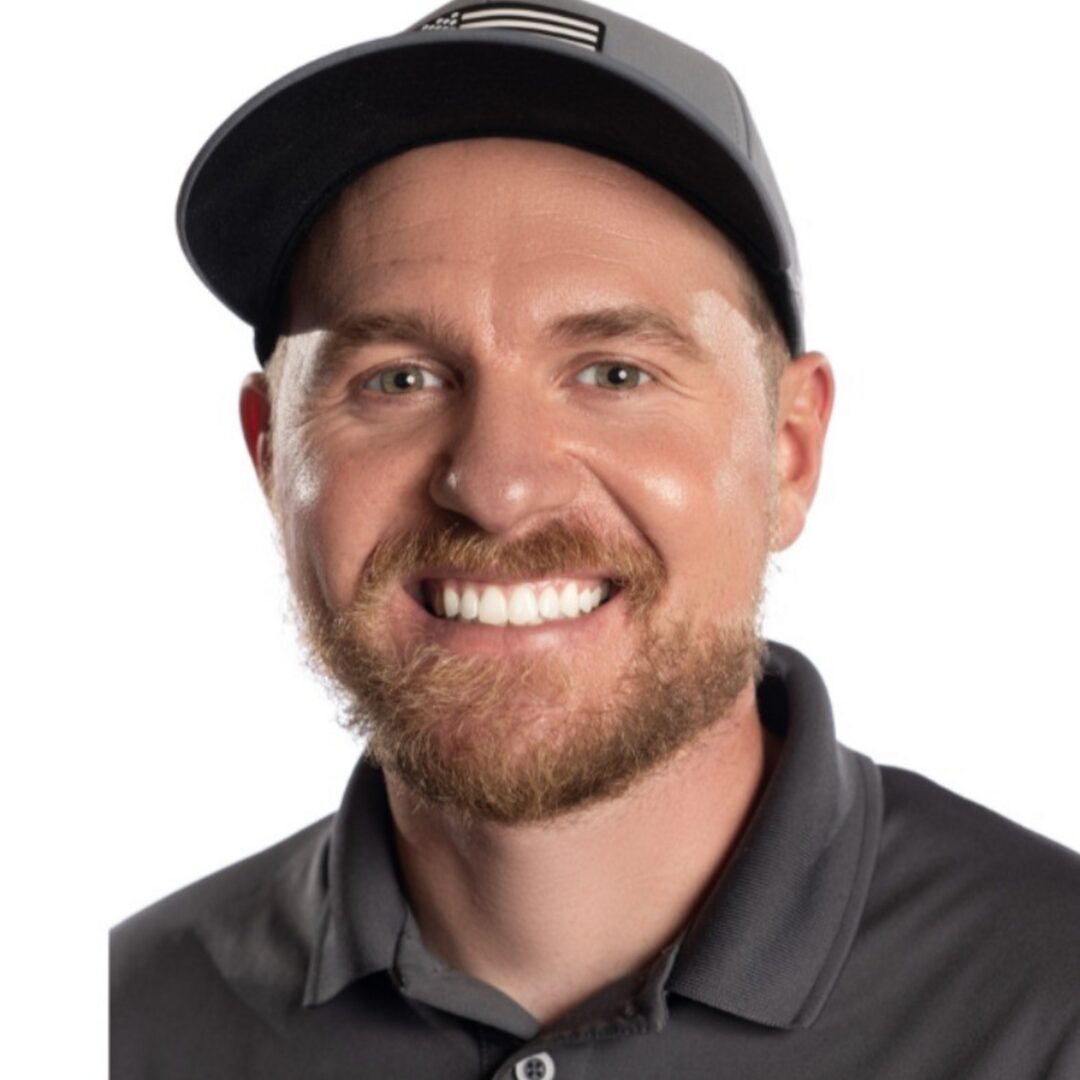
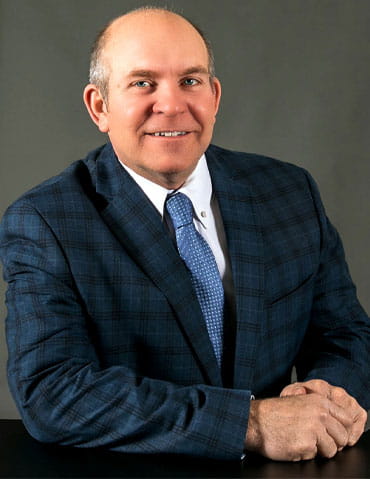
Cosmos
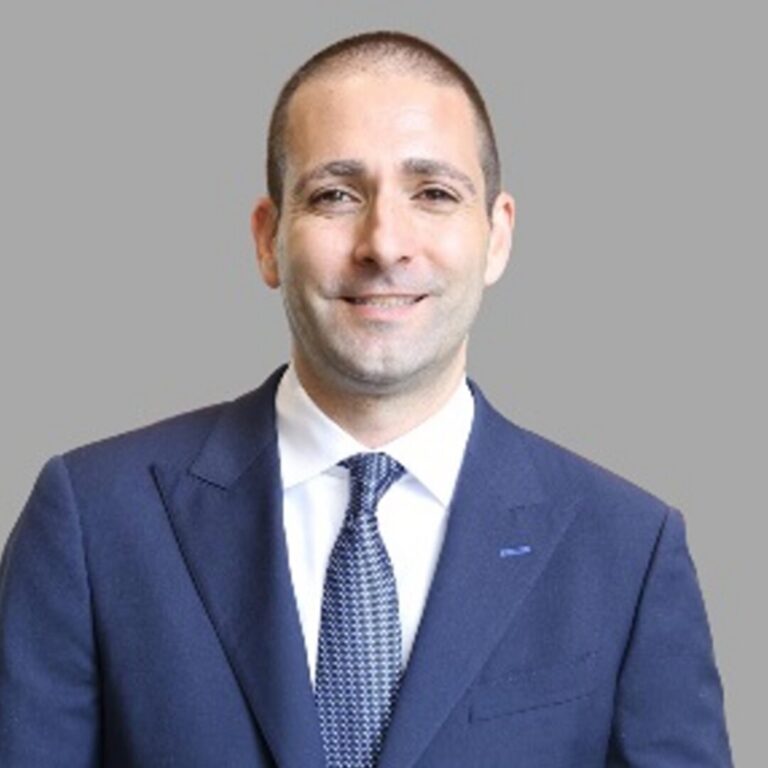
Welcome back to the show, my fellow extraordinary Americans. Today’s guest is the nation’s top franchise coach and consultant, Adam Goldman. Adam Goldman understands that even with well-paying jobs, one major problem in corporate America is that pursuing your dreams while working for somebody else can be challenging. Franchising has allowed Adam, a father of three, to achieve his dreams. Over the past seven years, Adam has helped hundreds of people change their lives through franchise business ownership. He assists others in finding the right franchise for them and matches them with the best opportunities in their area.
During his 20-year career as a business investor and franchise consultant, Adam has founded three successful companies on two continents. These include an IT company in Poland and a real estate investment company in Texas. Most recently, he grew Vanguard Cleaning’s area developer concept in Houston into a multi-million-dollar enterprise, generating over 30 franchises and 300 customers, which he has since sold.
In his latest book, The Franchise Lifestyle, Adam interviews existing franchisees from diverse backgrounds about their journeys to independence, demystifying the world of franchising. His book provides invaluable insights into the key factors that can make or break a franchise deal, helping readers avoid pitfalls and make informed decisions, and highlighting the unique benefits and opportunities of being part of a well-established brand.
He’s an extraordinary American, and I’m glad and honored to have him on the show. Adam, are you there?
Adam
I am, thank you so much, Cosmos. Great to see you.
Cosmos
Great to see you as well.
Adam, can you tell me more about your story, background, and how you got started?
Adam
So I’ve always been an entrepreneur and always been a patriot. Right. So my first gig was a paper route back when people read newspapers. Right. I loved it and love selling subscriptions, and one thing led to another, and I always loved working for myself. In college, I found this interesting niche in that credit card companies would pay a lot per application, and college students would apply for credit cards in exchange for a 2-liter bottle of Mountain Dew. Right.
And that was an amazing niche that I found. And I would say that in 2008, my whole relationship with franchises started, and I started investing in real estate. I found that by 2009, 2010 came along, the deals were kind of drying up and so went ahead and spoke with a franchise coach and kind of stumbled in the franchising world, where I invested in an office cleaning master franchise, built that up throughout eight and a half years, got an unsolicited offer to sell my business and kind of stumbled into coaching and consulting and have loved that journey, since then. Right. I’ve been doing this for over eight years and am here as a coach or connector. I almost liken myself to being match.com or eHarmony, but for the franchising world, I just connect. Really interesting, aspiring people who want to invest in franchises with great brands that are pre-screened and are in 75 different industries.
Cosmos
So, Adam, it is very interesting how you got over here. So what was your strategic vision and goal since the beginning, or what made you get into the franchise industry versus anything else?
Adam
So, I buy into the idea because I believe the average entrepreneur. There are different types of entrepreneurs. Cosmos. One type is a person who loves starting things and the process. I’ve never been that guy. I’ve never been the process guy. I’ve been a great implementer of someone else’s process. Right.
And so I was attracted to the idea of having a business model. I think of it as riding a bike as an entrepreneur, but having training wheels. And that excited me about franchises, back in 2010, so 15 years ago. Plus, I would also say that it’s just the scalability of franchises that was appealing as well. I know people in the industry with 1, 3, 5, 10, and 100 units open. Right. So that’s for the right brand. That’s a powerful place to be.
Cosmos
So, Adam, they want to be successful in business and everything, but whenever they think of a franchise model, they think of McDonald’s, Wendy’s, or something like that, but for the viewership. Right. Could you explain to them the basic concepts of a franchise model and how it works so that they get a better idea of this type of business?
Adam
I’m so glad you brought up the idea of a McDonald’s or Wendy’s. Right. Because there’s a misconception in my industry that franchises are only fast food restaurants. Right. And so I have lots of things besides fast food. I have non-brick-and-mortar businesses and service companies. Right. I have brands that are in 75 different industries.
And when I explore franchises with my candidates, we’re less focused on the actual industry; it works best with people who have an open mind, and we’re less focused on the actual industry and more focused on business characteristics. How many employees, what kind of employees, and how involved do people want to be in the industry? That’s really what I’m focused upon, in essence, Cosmo.
What I would say is that Cosmos franchises are. You’re buying in exchange for franchise fees and royalty fees. You’re getting a brand, and you’re also getting a process, right? You’re getting a McDonald’s golden arches, and you’re getting Hamburger University. That’s what franchises are.
Cosmos
So, Adam, one of the things that comes to mind is that many people end up trying small businesses, only to find themselves stuck in what feels like a self-made job. They aren’t able to exit. However, it seems like a franchise model could be a great strategy, not requiring as much work, but still earning royalties and fees.
My question is, why aren’t more people adopting the franchise model for their businesses? Is it due to a lack of knowledge, or do you think there’s another reason?
Adam
Well, look, lots of people are doing franchising. It’s about 10% of the American economy, right? So there’s a lot of franchise business going on.
So look, I think there’s just kind of a misconception. People don’t know where to start. And what I want to say is that I offer a free 15-minute chat. Anyone who talks to me, I promise to let them know. The other thing I’d say is a misconception of my industry, Cosmos, is that people think you need millions of dollars to start these things.
I’m not saying that every business is inexpensive, but let’s say I’m in Houston, Texas, and you’re in Florida. We have a lot of mosquitoes. I know it’s not very glamorous, but if you want to start a mosquito spraying business that’s non-brick and mortar, that’s very high margin, right? You could start that all for about $125,000, right? That’s possible. So, there are different ways to do business.
Cosmos
So, Adam, what you mentioned is one of the misconceptions people have, like to start a franchise, like they think of McDonald’s, like you have to have a lot of investment capital to start.
You can do it for much less, but you have to know. So, for the sake of the viewership, like where, in addition to you, do they start looking for knowledge on how to transform their businesses into a franchise model, or, like whatever product or service they have, they can turn it into a model where they get royalties and fees.
Adam
Okay, so look, I’m not in the business of allowing people to become franchisors. Right. Become the next McDonald’s of their existing business. That’s a hard road to go down. It’s very expensive to find franchisees. I’m more in the business of people looking to enter business or already have an existing business that wants to have some sort of add-on business. And that’s the business I’m in, where you’re going ahead and buying into a business. And so it’s the franchisor that pays these, that you’re paying. You’re going to be paying royalty fees and franchise fees, too.
Cosmos
So Adam, you know, like a lot of people, they want to leave corporate America and like business, but they often feel stuck in their high-paying job, or in a job over there.
So, from your perspective, if somebody wants to attain financial independence and leave, whether it’s corporate America or their blue-collar job, how should they do so?
Adam
Again, free 15-minute chat. I’d say one of the best areas of people I help are those in corporate America, and they’re tired of making someone else rich. And so the whole idea is maybe they’re not able to go ahead and quit their job. Still, maybe their kids are in their teens and their spouse can put full time into the business, or they have time enough to manage a business that’s friendly towards semi-abusive ownership. And so the whole idea is that if I mean that’s how I help them. Right. I help them find an exit plan from corporate America.
Cosmos
Yeah, obviously, like many people, now we look at it like the way the business world worked in the 20th century is not how it is in the 21st century with advancements in technology, AI, and everything.
So, people do not have the financial security they used to have. So, having their own business is completely essential. So, people like yourself who help with consulting are a great boon to many people.
Adam
You know I love helping people like you. Right. Because if you think about it, if you are in the workforce, if you’re in the workforce for yourself, you spend so many hours per week working. Right. Why not make it enjoyable and something you can grow professionally and grow your bank account?
Cosmos
So, Adam, what was your greatest revelation or insight regarding the franchise industry, and just like in your entire career, entrepreneurial career about business in general? What revelation do you think you had? That changed the way you saw everything.
Adam
I would say that my revelation with franchising came from the very beginning. I fell in love with franchising when I first entered the field in 2010. I didn’t even know this industry existed. After living in Europe for seven years, I had just returned to the United States. I went to school at Cal and Berkeley for my MBA, and I wasn’t quite sure what my professional life would look like.
Yes, I had real estate investments, but it was transformative when I got to know the franchising world and realized that I could be an entrepreneur, run my own business, and still have an amazing franchisor there to support me through challenges. On top of that, having a network of peers in different markets who could also offer help was an incredibly powerful feeling.
Cosmos
So, from your perspective, what qualities does somebody need to become an entrepreneur and especially thrive, in a way that they can do a franchise model for their own business? What do you think are the mindset requirements that a person needs to be successful in this field?
Adam
So, I think entrepreneurship is a broad term, right? There are different types of entrepreneurs. If you’re an entrepreneur who starts from scratch, that’s a distinct skill set. In *The E-Myth* by Gerber, he discusses how starting something without the right processes requires you to wear many hats.
When starting a franchise business, the downside is that you have to pay franchise and royalty fees. However, the upside is that you gain access to an established system. This type of entrepreneurship demands a person willing to follow a proven model or process. It also requires someone who excels at networking within the system and can fine-tune existing processes. That’s the kind of person who finds success in franchising.
Cosmos
No, I mean, yeah, you know, in my mind at least, you have to have a lot of adaptability, and, like, you have to, in your own words, like open-mindedness. Ultimately, to create a lot of money, you have to scale your business, and many people get stuck when scaling their business.
Adam
Yeah, absolutely.
Cosmos
Yeah.
So, Adam, like in your entire career, what was one of the greatest challenges you faced regarding making your company successful, and how did you overcome it?
Adam
So, look, I would say this: my situation wasn’t caused by the business itself. It was actually due to personal distractions. When I started my franchise brand, I encountered an unexpected situation just a few months in, and I simply had to make things work.
I leaned heavily on the parent company and other franchisees for support. I knew there was no turning back and used that determination to push forward. Sometimes, when people face challenges outside of work, they can lose focus. Work became my refuge, and although those first few months were incredibly rough due to external challenges, it eventually worked out.
Cosmos
Yeah.
So, from your perspective, how would you go about it? When they start a business like they’re leaving corporate America, a lot of people have to do their business, but they also have to balance family life and other issues that life throws at them. So, from your perspective, how would you balance these worlds and become successful in business?
Adam
Well, I mean every situation is different, right? When it comes to family or things of that sort. So look, I mean I’m in a situation where I’m blessed not to have to work as many hours as before. Been doing this for eight and a half years, and my phone’s ringing off the hook.
And so I’m able to kind of. I think the key is to know that I know of people who have two options regarding their calendar. Your calendar can control you, or you can control your calendar. And I know it sounds quite simple, but I chose to go ahead and control my calendar and block off times.
And look, I read this amazing book, Cosmos, that I love. My daughters are 7, 9, and 13. I am a huge believer in the book called the Family, board meeting, where every 90 days or every quarter, just like a CEO, I set up four hours with each child, and they choose what we do for those four hours. And it’s just been a game changer about quality time with my kids, that they choose. And I love it.
Cosmos
Wow. I mean that. Yeah, different people have different ways of having discipline, but having time blocks, I realized in my own life, like, it, it does, it does a lot, you know, because you can focus on one thing at a time for that period. And so I, I would, for those listening in the audience, I would recommend like having like, you know, like daily planners or having like time blocks like on and, and just having goal setting not only like on a daily level, but on the weekly and monthly level as well.
Adam
Absolutely. Ah, absolutely.
Cosmos
So, Adam, I wanted to ask you because I know you’re into franchising, the E2 visa, and all that. So, from the perspective of the Listener. Can you tell them a little bit about this E2 visa program that you’re involved in?
Adam
So, Cosmos, you’re talking about the American dream, right? I believe the American dream is still alive and well. People are spending $5 million on a golden visa to enter the United States. Right? There are other visa programs, like EB5s, that are very expensive. It takes a long time. Right.
I’m in a situation where people don’t realize this, but franchises are a great way to get a visa. There’s something called an E2 visa. There are over 120 countries that are treaty countries. The whole value proposition is as follows: If you’re investing in the American economy and the new administration wants people to invest, the U.S. consulate in your country will allow you to enter, and they’ll allow you to bring your family. Then you can invest in a franchise.
And again, we’re looking at something E2-friendly, a specific franchise brand. But it’s about $125,000 or so, or 150,000. Right.
So you can get in for 125. And this kind of visa is renewable for perpetuity as long as your business is a going concern.
Cosmos
Wow. I mean, this is. This is a very. Normally, when people hear of visas, they hear about, like, student visas or, like, 1B visas or work visas, and all of that, but this is something that you and I. I’ve never heard about the franchise, but it is new and interesting.
Adam
Yep, absolutely. And look, I’ve had people here on H1B, right? And they’re tired of working for that same company and not having options, so they decided to invest in a franchise brand, and they were able to change their status to E2.
Cosmos
I see.
And so, Adam, from the perspective of, like. What is your perspective on, like, America’s entrepreneurial immigrant identity and, like, on immigrants and how they affect the economy and all of that?
Adam
I love immigrants. I love entrepreneurial immigrants. Right. I think that’s the. The ethos of the United States is part of our national identity. Immigrants build us. Right. And entrepreneurial people. And my favorite musical is Hamilton. Alexander Hamilton was an immigrant. In one song, the lyric is, immigrants, they get the job done. Right? And I’m such a fan of people who come here. I believe someone who comes brings a unique perspective to the United States. I love it.
Cosmos
Yeah.
Adam, I know many people right now feel like they want to achieve the American dream. Right? Financial independence is a key factor.
So my question to you is, what is your perspective on what? What does the American dream mean to you, and how do you think Americans should go about achieving their American dream?
Adam
For me, the American dream is freedom. Right. It’s. It’s not necessarily to not work at all, but to work on my terms, and to not worry about finances. That’s. That’s what I think is the American dream. And that. That’s what I. That’s. For me, the. It’s not about working. It’s about working on your terms. And I encourage my candidates and friends to create things and be in a situation where they have this work—freedom to do what they want, when they want to do it.
Cosmos
No, I mean. The ability to be, to have freedom, and to live life on your terms is awesome. What life should be about, you know, because often, people are working for somebody else’s dream. They’re going, especially in corporate America; they give all their time and energy to make another person’s dream come true. But, yeah, sometimes like their entire life goes away in the process.
Adam
Absolutely.
Cosmos
Yeah.
So, Adam, from your perspective, what do you think is the biggest challenge people have when achieving the American dream? And how do you think they can go about overcoming it?
Adam
What I think is, people talk about—and we’re getting very deep here—I believe we talk about free will, right? But I’m not so sure we have free will. I mean, if I have an amazing piece of candy or a milkshake in front of me, I know it’s not good for me, but I will still have some of it because it’s just so good, even though it’s probably not good for me—this milkshake, or this donut, or this donut hole.
So for me, a lot of the idea of success, or whatever it is, revolves around having self-discipline to do the things that are, especially from a financial perspective, the right things to do. It’s about not getting, how would I put it, tempted by that shiny object. Maybe it’s cryptocurrency or whatever it is. I mean, the whole idea of getting rich slowly—I think that’s important.
Also, there’s the idea Andrew Tobias wrote about in a classic book, although I don’t remember the name, where he talks about how you make money by not spending it on things. A penny saved is two pennies earned, right? Just having that discipline is great.
Cosmos
Yeah, the discipline is pretty important.
However, I also realized that, for business success, you must have trust and delegation to get the business to grow. But a lot of people, like I’ve noticed, find it hard to trust other people in case they get betrayed by them. So, from your perspective, how do business owners go about delegating and creating trust to scale their business?
Adam
Well, culture eats strategy for breakfast. And I don’t mean to give you all these different maxims. Right. But it’s, it’s so true. You have to build a culture. I truly believe that in any business, success is really in the hands of others. Right? This means you’re in a great place if you can scale others and build a team. Right.
So to build that trust, I love Brene Brown. She also talks about an acronym for how you can create trust as part of your culture. She taught me that the acronym is braving B R A V I N G. Each one of these things has a specific maxim or word behind it. But I think the most important thing for me is the V, the vault. If you’re looking for trust in others, you must ensure that everything they say is confidential.
Cosmos
Okay. No, confidentiality is a pretty important thing when it comes to trust.
Adam
Absolutely.
Cosmos
I found your statement very interesting. Culture eats strategy for breakfast. Because I liked it several years back, and like there’s this person who was a friend of mine, and he would always say, culture eats strategy for breakfast.
Adam
I believe that. Look, the perfect example for me is you looking at Disney even now, right? Disney to me is one big proof that culture matters. People want to go to Disney World even now, even though it’s expensive and everything else, because they know they’re going to get this amazing experience because of Disney culture.
Cosmos
No, I mean, true.
Adam, one thing I wanted to ask about American identity is that American identity is also about the pursuit of happiness.
So perspective. Where you’ve been so successful in business, what do you think makes people happy? Is it a success? Is it achieving a goal? Or is it much deeper?
Adam
I’m glad you brought that question up. I think it’s interesting because you’re talking about not happiness per se, but the pursuit of happiness. Right?
So it’s the journey of being someplace, right? Not being where you want to be, because people can get complacent. I know that I’ve had challenges. Whenever I accomplish a goal, I need the next goal to be the next mountain to climb. Right. And that’s where the pursuit comes in.
Cosmos
Yeah, I mean, it’s so true and relevant. Right. Because like I, I’ve noticed that when people are on a journey, it’s pretty exciting, but once the goal is reached, many people are like, What’s next?
Adam
Yeah.
Cosmos
Then, you realize that it was the story, journey, and process they were addicted to, versus the end goal. And I reach the end goal. Then it’s like, what else is there to do? So it’s kind of like a paradox in a way. You know? Need a goal to know, to like, and to get somewhere. But once you reach it, like, what’s next?
Adam
What’s that exactly? Well, I mean, look, Ted Turner said that his dad passed away because he didn’t set his goals high enough, right? Meaning he had this amazing billboard company. And by the way, Ted Turner’s biography is a great book. He read it himself, and he was sick in bed somehow. And he just talked about how his dad just. It killed him because he reached his goal, but didn’t set his goals high enough.
Cosmos
Wow. Yeah.
Many people don’t set very high goals because they don’t think they can achieve them.
Adam
Yeah.
Cosmos
But a lot of people tend to underestimate themselves. Like, we are much more than we think we are.
Adam
Tony Robbins said that people overestimate what they can do in six months to a year and underestimate what they can do in a decade.
Cosmos
Well, I’m curious now: what is your m. and why? What’s the motivational factor that guided you and made you successful in your career? Because a lot of people did. They don’t end up like, selling multi-million dollar companies are like, being successful in the franchise model, and all of that.
So there’s something that pushed you, like from within. That’s a very strong motivator. I’m sure it’s nothing related to money.
Adam
Well, I mean, yes, money is good to have, right? But at the end of the day, what gets me up in the morning is that I’m trying to do good in the world. And I have this passion for being true to myself with my unique ability, Cosmos, which is really to connect with people and really to, just get to know them and to be empathetic and to relate to them, and then on top of that, to create successful business people.
Because when it’s done right, and I connect a potential franchisee with a great brand, then that’s an amazing situation to be in because they’re successful in a way they might not have otherwise been without this system. One of my favorite parts of my job is visiting successful franchisees for grand openings. I love that.
Cosmos
That is awesome, Adam.
And Adam, I wanted to ask you about your book. I know you wrote the Book, The Franchisee Lifestyle, where you interviewed some people and everything. Can you tell the audience more about this book and the premise of what made you write it?
Adam
So the idea behind this book is that the reason why I wrote it is I wanted to dispel some myths about franchising, things such as it’s only about quick service restaurants, that you have to be the one who’s the owner operator, that is going ahead and flipping burgers in the back. I talked to real franchisees in this, and it’s touching on why most people buy franchises, which we touched on earlier, because they want freedom.
This kind of talk is about different industries people might not have thought of, and different success stories of people who have built a lifestyle they can be proud of in the franchising world.
Cosmos
That is amazing. Adam, Adam, if somebody wanted to connect with you and, like, get more, they wanted to get consultancy regarding how to be successful in business and the franchising thing, or they just wanted to ask you a question and connect, how would they go about doing so?
Adam
So the best way is to, as I mentioned, it’s a free 15-minute chat. You can go to franchiseadam.com and book directly. Alternatively, I have a website that explains what I do, has testimonials from candidates, and talks a little about my industry. It’s called franchisecoach.net, and both have calendar links.
Cosmos
I recommend that my audience interested in scaling their model in a franchising way look at your information. They’ll have a consultation with you if they’re interested, because this is very relevant to scaling a business.
Adam
Absolutely.
Cosmos
Adam, I’m so glad and grateful you took the time to come to this podcast and share your knowledge regarding the franchise industry. And I do hope that what you’re doing is good for the economy and that you come back to this show later.
Adam
Thank you, Cosmos. It’s been a pleasure.
Cosmos
No, thank you. And I want to conclude this episode by letting my fellow extra Americans know that, hey, look, there’s an extraordinary person within every one of us. We must awaken it and unleash it. Until next time. Bye for now.
Welcome back to the show, my fellow extraordinary Americans. Today’s guest is the nation’s top franchise coach and consultant, Adam Goldman. Adam Goldman understands that even with well-paying jobs, one major problem in corporate America is that pursuing your dreams while working for somebody else can be challenging. Franchising has allowed Adam, a father of three, to achieve his dreams. Over the past seven years, Adam has helped hundreds of people change their lives through franchise business ownership. He assists others in finding the right franchise for them and matches them with the best opportunities in their area.
During his 20-year career as a business investor and franchise consultant, Adam has founded three successful companies on two continents. These include an IT company in Poland and a real estate investment company in Texas. Most recently, he grew Vanguard Cleaning’s area developer concept in Houston into a multi-million-dollar enterprise, generating over 30 franchises and 300 customers, which he has since sold.
In his latest book, The Franchise Lifestyle, Adam interviews existing franchisees from diverse backgrounds about their journeys to independence, demystifying the world of franchising. His book provides invaluable insights into the key factors that can make or break a franchise deal, helping readers avoid pitfalls and make informed decisions, and highlighting the unique benefits and opportunities of being part of a well-established brand.
He’s an extraordinary American, and I’m glad and honored to have him on the show. Adam, are you there?
Adam
I am, thank you so much, Cosmos. Great to see you.
Cosmos
Great to see you as well.
Adam, can you tell me more about your story, background, and how you got started?
Adam
So I’ve always been an entrepreneur and always been a patriot. Right. So my first gig was a paper route back when people read newspapers. Right. I loved it and love selling subscriptions, and one thing led to another, and I always loved working for myself. In college, I found this interesting niche in that credit card companies would pay a lot per application, and college students would apply for credit cards in exchange for a 2-liter bottle of Mountain Dew. Right.
And that was an amazing niche that I found. And I would say that in 2008, my whole relationship with franchises started, and I started investing in real estate. I found that by 2009, 2010 came along, the deals were kind of drying up and so went ahead and spoke with a franchise coach and kind of stumbled in the franchising world, where I invested in an office cleaning master franchise, built that up throughout eight and a half years, got an unsolicited offer to sell my business and kind of stumbled into coaching and consulting and have loved that journey, since then. Right. I’ve been doing this for over eight years and am here as a coach or connector. I almost liken myself to being match.com or eHarmony, but for the franchising world, I just connect. Really interesting, aspiring people who want to invest in franchises with great brands that are pre-screened and are in 75 different industries.
Cosmos
So, Adam, it is very interesting how you got over here. So what was your strategic vision and goal since the beginning, or what made you get into the franchise industry versus anything else?
Adam
So, I buy into the idea because I believe the average entrepreneur. There are different types of entrepreneurs. Cosmos. One type is a person who loves starting things and the process. I’ve never been that guy. I’ve never been the process guy. I’ve been a great implementer of someone else’s process. Right.
And so I was attracted to the idea of having a business model. I think of it as riding a bike as an entrepreneur, but having training wheels. And that excited me about franchises, back in 2010, so 15 years ago. Plus, I would also say that it’s just the scalability of franchises that was appealing as well. I know people in the industry with 1, 3, 5, 10, and 100 units open. Right. So that’s for the right brand. That’s a powerful place to be.
Cosmos
So, Adam, they want to be successful in business and everything, but whenever they think of a franchise model, they think of McDonald’s, Wendy’s, or something, but for the viewership. Right. Could you explain to them the basic concepts of a franchise model and how it works so that they get a better idea of this type of business?
Adam
I’m so glad you brought up the idea of a McDonald’s or Wendy’s. Right. Because there’s a misconception in my industry that franchises are only fast food restaurants. Right. And so I have lots of things besides fast food. I have non-brick-and-mortar businesses and service companies. Right. I have brands that are in 75 different industries.
And when I explore franchises with my candidates, we’re less focused on the actual industry; it works best with people who have an open mind, and we’re less focused on the actual industry and more focused on business characteristics. How many employees, what kind of employees, and how involved do people want to be in the industry? That’s really what I’m focused upon, in essence, Cosmo.
What I would say is that Cosmos franchises are. You’re buying in exchange for franchise fees and royalty fees. You’re getting a brand, and you’re also getting a process, right? You’re getting a McDonald’s golden arches, and you’re getting Hamburger University. That’s what franchises are.
Cosmos
So, Adam, one of the things that comes to mind is that many people end up trying small businesses, only to find themselves stuck in what feels like a self-made job. They aren’t able to exit. However, it seems a franchise model could be a great strategy, not requiring as much work, but still earning royalties and fees.
My question is, why aren’t more people adopting the franchise model for their businesses? Is it due to a lack of knowledge, or do you think there’s another reason?
Adam
Well, look, lots of people are doing franchising. It’s about 10% of the American economy, right? So there’s a lot of franchise business going on.
So look, I think there’s just kind of a misconception. People don’t know where to start. And what I want to say is that I offer a free 15-minute chat. Anyone who talks to me, I promise to let them know. The other thing I’d say is a misconception of my industry, Cosmos, is that people think you need millions of dollars to start these things.
I’m not saying that every business is inexpensive, but let’s say I’m in Houston, Texas, and you’re in Florida. We have a lot of mosquitoes. I know it’s not very glamorous, but if you want to start a mosquito spraying business that’s non-brick and mortar, that’s very high margin, right? You could start that all for about $125,000, right? That’s possible. So, there are different ways to do business.
Cosmos
So, Adam, what you mentioned is one of the misconceptions people have: to start a franchise, they think of McDonald’s, and you have to have a lot of investment capital.
You can do it for much less, but you have to know. So, for the sake of the viewership, where, in addition to you, do they start looking for knowledge on how to transform their businesses into a franchise model, or, whatever product or service they have, they can turn it into a model where they get royalties and fees.
Adam
Okay, so look, I’m not in the business of allowing people to become franchisors. Become the next McDonald’s of their existing business. That’s a hard road to go down. It’s very expensive to find franchisees. I’m more in the business of people looking to enter business or already have an existing business that wants to have some sort of add-on business. And that’s the business I’m in, where you’re going ahead and buying into a business. And so it’s the franchisor that pays these, that you’re paying. You’re going to be paying royalty fees and franchise fees, too.
Cosmos
So Adam, you know, many people want to leave corporate America and business, but they often feel stuck in their high-paying job or a job over there.
So, from your perspective, if somebody wants to attain financial independence and leave, whether it’s corporate America or their blue-collar job, how should they do so?
Adam
Again, free 15-minute chat. I’d say one of the best areas of people I help are those in corporate America, and they’re tired of making someone else rich. And so the whole idea is maybe they’re not able to go ahead and quit their job. Still, maybe their kids are in their teens and their spouse can put full time into the business, or they have time enough to manage a business that’s friendly towards semi-abusive ownership. And so the whole idea is that if I mean that’s how I help them. Right. I help them find an exit plan from corporate America.
Cosmos
Yeah, many people, now we look at it, the way the business world worked in the 20th century is not how it is in the 21st century with advancements in technology, AI, and everything.
So, people do not have the financial security they used to have. So, having their own business is completely essential. So, people like yourself who help with consulting are a great boon to many people.
Adam
You know I love helping people. Right. Because if you think about it, if you are in the workforce, if you’re in the workforce for yourself, you spend so many hours per week working. Right. Why not make it enjoyable and something you can grow professionally and grow your bank account?
Cosmos
So, Adam, what was your greatest revelation or insight regarding the franchise industry, and just in your entire career, entrepreneurial career about business in general? What revelation do you think you had? That changed the way you saw everything.
Adam
I would say that my revelation with franchising came from the very beginning. I fell in love with franchising when I first entered the field in 2010. I didn’t even know this industry existed. After living in Europe for seven years, I had just returned to the United States. I went to school at Cal and Berkeley for my MBA, and I wasn’t quite sure what my professional life would look like.
Yes, I had real estate investments, but it was transformative when I got to know the franchising world and realized that I could be an entrepreneur, run my own business, and still have an amazing franchisor there to support me through challenges. On top of that, having a network of peers in different markets who could also offer help was an incredibly powerful feeling.
Cosmos
So, from your perspective, what qualities does somebody need to become an entrepreneur and especially thrive, in a way that they can do a franchise model for their own business? What do you think are the mindset requirements that a person needs to be successful in this field?
Adam
So, I think entrepreneurship is a broad term, right? There are different types of entrepreneurs. If you’re an entrepreneur who starts from scratch, that’s a distinct skill set. In *The E-Myth* by Gerber, he discusses how starting something without the right processes requires you to wear many hats.
When starting a franchise business, the downside is that you have to pay franchise and royalty fees. However, the upside is that you gain access to an established system. This type of entrepreneurship demands a person willing to follow a proven model or process. It also requires someone who excels at networking within the system and can fine-tune existing processes. That’s the kind of person who finds success in franchising.
Cosmos
No, I mean, in my mind, you must have a lot of adaptability and open-mindedness. Ultimately, to create a lot of money, you have to scale your business, and many people get stuck when scaling their business.
Adam
Yeah, absolutely.
Cosmos
Yeah.
So, Adam, in your entire career, what was one of the greatest challenges you faced regarding making your company successful, and how did you overcome it?
Adam
So, look, I would say this: my situation wasn’t caused by the business itself. It was actually due to personal distractions. When I started my franchise brand, I encountered an unexpected situation just a few months in, and I simply had to make things work.
I leaned heavily on the parent company and other franchisees for support. I knew there was no turning back and used that determination to push forward. Sometimes, when people face challenges outside of work, they can lose focus. Work became my refuge, and although those first few months were incredibly rough due to external challenges, it eventually worked out.
Cosmos
Yeah.
So, from your perspective, how would you go about it? When they start a business, many people have to do their business, but they also have to balance family life and other issues that life throws at them. So, from your perspective, how would you balance these worlds and become successful in business?
Adam
Well, every situation is different, right? When it comes to family or things of that sort. So look, I mean I’m in a situation where I’m blessed not to have to work as many hours as before. Been doing this for eight and a half years, and my phone’s ringing off the hook.
And so I’m able to kind of. I think the key is to know that I know of people who have two options regarding their calendar. Your calendar can control you, or you can control your calendar. And I know it sounds quite simple, but I chose to go ahead and control my calendar and block off times.
And look, I read this amazing book, Cosmos, that I love. My daughters are 7, 9, and 13. I am a huge believer in the book called the Family, board meeting, where every 90 days or every quarter, just like a CEO, I set up four hours with each child, and they choose what we do for those four hours. And it’s just been a game changer about quality time with my kids, that they choose. And I love it.
Cosmos
Wow. I mean that. Yeah, different people have different ways of having discipline, but having time blocks, I realized in my own life, it does a lot, you know, because you can focus on one thing at a time for that period. And so I, for those listening in the audience, would recommend having daily planners or time blocks and having goal setting not only on a daily level but on the weekly and monthly level as well.
Adam
Absolutely. Ah, absolutely.
Cosmos
So, Adam, I wanted to ask you because I know you’re into franchising, the E2 visa, and all that. So, from the perspective of the Listener. Can you tell them a little bit about this E2 visa program that you’re involved in?
Adam
So, Cosmos, you’re talking about the American dream, right? I believe the American dream is still alive and well. People are spending $5 million on a golden visa to enter the United States. Right? There are other visa programs, like EB5s, that are very expensive. It takes a long time. Right.
I’m in a situation where people don’t realize this, but franchises are a great way to get a visa. There’s something called an E2 visa. There are over 120 countries that are treaty countries. The whole value proposition is as follows: If you’re investing in the American economy and the new administration wants people to invest, the U.S. consulate in your country will allow you to enter, and they’ll allow you to bring your family. Then you can invest in a franchise.
And again, we’re looking at something E2-friendly, a specific franchise brand. But it’s about $125,000 or so, or 150,000. Right.
So you can get in for 125. And this kind of visa is renewable for perpetuity as long as your business is a going concern.
Cosmos
Wow. I mean, this is. This is a very. Normally, when people hear of visas, they hear about student visas or H1B visas, or work visas, but this is something that you and I. I’ve never heard about the franchise, but it is new and interesting.
Adam
Yep, absolutely. And look, I’ve had people here on H1B, right? And they’re tired of working for that same company and not having options, so they decided to invest in a franchise brand, and they were able to change their status to E2.
Cosmos
I see.
And so, Adam, what is your perspective on America’s entrepreneurial immigrant identity and immigrants and how they affect the economy and all of that?
Adam
I love immigrants. I love entrepreneurial immigrants. Right. I think that’s the. The ethos of the United States is part of our national identity. Immigrants build us. Right. And entrepreneurial people. And my favorite musical is Hamilton. Alexander Hamilton was an immigrant. In one song, the lyric is, immigrants, they get the job done. Right? And I’m such a fan of people who come here. I believe someone who comes brings a unique perspective to the United States. I love it.
Cosmos
Yeah.
Adam, I know many people right now feel like they want to achieve the American dream. Right? Financial independence is a key factor.
So my question to you is, what is your perspective on what? What does the American dream mean to you, and how do you think Americans should go about achieving their American dream?
Adam
For me, the American dream is freedom. Right. It’s. It’s not necessarily to not work at all, but to work on my terms, and to not worry about finances. That’s. That’s what I think is the American dream. And that. That’s what I. That’s. For me, the. It’s not about working. It’s about working on your terms. And I encourage my candidates and friends to create things and be in a situation where they have this work—freedom to do what they want, when they want to do it.
Cosmos
No, I mean. The ability to be, to have freedom, and to live life on your terms is awesome. What life should be about, you know, because often, people are working for somebody else’s dream. They’re going, especially in corporate America; they give all their time and energy to make another person’s dream come true. But, yeah, sometimes their entire life goes away in the process.
Adam
Absolutely.
Cosmos
Yeah.
So, Adam, from your perspective, what do you think is the biggest challenge people have when achieving the American dream? And how do you think they can go about overcoming it?
Adam
What I think is, people talk about—and we’re getting very deep here—I believe we talk about free will, right? But I’m not so sure we have free will. I mean, if I have an amazing piece of candy or a milkshake in front of me, I know it’s not good for me, but I will still have some of it because it’s just so good, even though it’s probably not good for me—this milkshake, or this donut, or this donut hole.
So for me, a lot of the idea of success, or whatever it is, revolves around having self-discipline to do the things that are, especially from a financial perspective, the right things to do. It’s about not getting, how would I put it, tempted by that shiny object. Maybe it’s cryptocurrency or whatever it is. I mean, the whole idea of getting rich slowly—I think that’s important.
Also, there’s the idea Andrew Tobias wrote about in a classic book, although I don’t remember the name, where he talks about how you make money by not spending it on things. A penny saved is two pennies earned, right? Just having that discipline is great.
Cosmos
Yeah, the discipline is pretty important.
However, I also realized that, for business success, you must have trust and delegation to get the business to grow. But many people, I’ve noticed, find it hard to trust other people in case they get betrayed by them. So, from your perspective, how do business owners go about delegating and creating trust to scale their business?
Adam
Well, culture eats strategy for breakfast. And I don’t mean to give you all these different maxims. Right. But it’s, it’s so true. You have to build a culture. I truly believe that in any business, success is really in the hands of others. Right? This means you’re in a great place if you can scale others and build a team. Right.
So to build that trust, I love Brene Brown. She also talks about an acronym for how you can create trust as part of your culture. She taught me that the acronym is braving B R A V I N G. Each one of these things has a specific maxim or word behind it. But I think the most important thing for me is the V, the vault. If you’re looking for trust in others, you must ensure that everything they say is confidential.
Cosmos
Okay. No, confidentiality is a pretty important thing when it comes to trust.
Adam
Absolutely.
Cosmos
I found your statement very interesting. Culture eats strategy for breakfast. Because I liked it several years back, and there’s this person who was a friend of mine, and he would always say, culture eats strategy for breakfast.
Adam
I believe that. Look, the perfect example for me is you looking at Disney even now, right? Disney to me is one big proof that culture matters. People want to go to Disney World even now, even though it’s expensive and everything else, because they know they’re going to get this amazing experience because of Disney culture.
Cosmos
No, I mean, true.
Adam, one thing I wanted to ask about American identity is that American identity is also about the pursuit of happiness.
So perspective. Where you’ve been so successful in business, what do you think makes people happy? Is it a success? Is it achieving a goal? Or is it much deeper?
Adam
I’m glad you brought that question up. I think it’s interesting because you’re talking about not happiness per se, but the pursuit of happiness. Right?
So it’s the journey of being someplace, not where you want to be, because people can get complacent. I know that I’ve had challenges. Whenever I accomplish a goal, I need the next goal to be the next mountain to climb. Right. And that’s where the pursuit comes in.
Cosmos
Yeah, I mean, it’s so true and relevant. Right. Because I’ve noticed that when people are on a journey, it’s pretty exciting, but once the goal is reached, many people are like, What’s next?
Adam
Yeah.
Cosmos
Then, you realize that it was the story, journey, and process they were addicted to versus the end goal. And I reach the end goal. Then it’s like, what else is there to do? So it’s kind of a paradox in a way. You need a goal to get somewhere. But once you reach it, what’s next?
Adam
That’s exactly it. Well, look, Ted Turner said that his dad passed away because he didn’t set his goals high enough, right? Meaning he had this amazing billboard company. And by the way, Ted Turner’s biography is a great book. He read it himself, and he was sick in bed somehow. And he just talked about how his dad just. It killed him because he reached his goal, but didn’t set his goals high enough.
Cosmos
Wow. Yeah.
Many people don’t set very high goals because they don’t think they can achieve them.
Adam
Yeah.
Cosmos
But a lot of people tend to underestimate themselves. We are much more than we think we are.
Adam
Tony Robbins said that people overestimate what they can do in six months to a year and underestimate what they can do in a decade.
Cosmos
Well, I’m curious now: what is your m. and why? What’s the motivational factor that guided you and made you successful in your career? Because a lot of people did. They don’t end up selling multi-million-dollar companies or being successful in the franchise model, and all of that.
So there’s something that pushed you, from within. That’s a very strong motivator. I’m sure it’s nothing related to money.
Adam
Well, I mean, yes, money is good to have, right? But at the end of the day, what gets me up in the morning is that I’m trying to do good in the world. And I have this passion for being true to myself with my unique ability, Cosmos, which is to connect with people and just get to know them and be empathetic and relate to them, and then on top of that, to create successful businesspeople.
Because when it’s done right, and I connect a potential franchisee with a great brand, then that’s an amazing situation to be in because they’re successful in a way they might not have otherwise been without this system. One of my favorite parts of my job is visiting successful franchisees for grand openings. I love that.
Cosmos
That is awesome, Adam.
And Adam, I wanted to ask you about your book. I know you wrote the Book, The Franchisee Lifestyle, where you interviewed some people and everything. Can you tell the audience more about this book and the premise of what made you write it?
Adam
So the idea behind this book is that the reason why I wrote it is I wanted to dispel some myths about franchising, things such as it’s only about quick service restaurants, that you have to be the one who’s the owner operator, that is going ahead and flipping burgers in the back. I talked to real franchisees in this, and it’s touching on why most people buy franchises, which we touched on earlier, because they want freedom.
This kind of talk is about different industries people might not have thought of, and different success stories of people who have built a lifestyle they can be proud of in the franchising world.
Cosmos
That is amazing. Adam, Adam, if somebody wanted to connect with you and get more, they wanted to get consultancy regarding how to be successful in business and the franchising thing, or they just wanted to ask you a question and connect, how would they go about doing so?
Adam
So the best way is to, as I mentioned, it’s a free 15-minute chat. You can go to franchiseadam.com and book directly. Alternatively, I have a website that explains what I do, has testimonials from candidates, and talks a little about my industry. It’s called franchisecoach.net, and both have calendar links.
Cosmos
I recommend that my audience interested in scaling their model in a franchising way look at your information. They’ll have a consultation with you if they’re interested, because this is very relevant to scaling a business.
Adam
Absolutely.
Cosmos
Adam, I’m so glad and grateful you took the time to come to this podcast and share your knowledge regarding the franchise industry. And I do hope that what you’re doing is good for the economy and that you come back to this show later.
Adam
Thank you, Cosmos. It’s been a pleasure.
Cosmos
No, thank you. And I want to conclude this episode by letting my fellow extra Americans know that, hey, look, there’s an extraordinary person within every one of us. We must awaken it and unleash it. Until next time. Bye for now.

 Amazon Music
 Apple Podcasts
 Audible
 CastBox
 Castro
 Google Podcasts
 iHeartRadio
 Listen Notes
 Overcast
 Player.fm
 PocketCasts
 Spotify
 Stitcher
 TuneIn