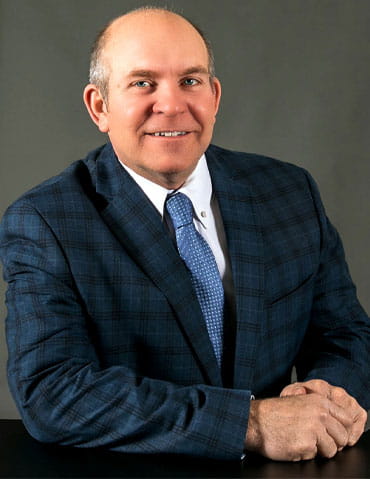
Cosmos
Welcome back to the show, my fellow extraordinary Americans. Today’s guest is Monica Garcia Duggal. Monica is a viral financial expert and billion-dollar business coach who has spent over 30 years mastering and teaching every financial methodology in the world.
With deep roots in investment banking and an active presence on Wall Street, Monica is a rare voice who blends institutional finance with visionary entrepreneurship. She has helped scale companies across various industries, including technology, consulting, and private equity, transforming financial confusion into clarity, improved cash flow, and confident decision-making. From high-growth startups to multimillion-dollar exits, Monica is known for her no-nonsense approach to wealth building.
She’s the creator of the Whole Health Plan, a framework for achieving sustainable success without sacrificing joy, relationships, or health. Monica also developed the Financial Bites method, a proprietary system that simplifies business budgeting, investing, taxes, exit strategy, and SOPs into scalable results. Together, these tools form the Whole Health Wealth System—a proven methodology for building both rich lives and rich businesses.
Monica is a powerful, practical, and heart-centered speaker on finance mindset and skill strategy. Whether you’re managing your paycheck or preparing your business for acquisition, Monica brings clarity, depth, and results-driven insight to every stage of the journey. She’s an extraordinary American, and I’m glad and honored to have her on the show. Monica, are you there?
Monica
Yes, I’m here.
Cosmos
Hello, Monica, thank you for taking the time to join us for this podcast.
Can you tell the audience a little bit more about yourself, your story, and how you got started?
Monica
Sure, sure. So, I am an entrepreneur, and I didn’t know any different. My mom was an entrepreneur, and all her friends were entrepreneurs as well. So, I thought that’s what people do, they’re entrepreneurs.
So that’s how I got started. Additionally, in finance, my initial trajectory was to attend law school, which is where I started. However, I ended up in investment banking, specifically in their equity research department.
So we were writing first calls, so I guess that’s how I fit in there. But once I was in there, I decided I didn’t want to go to law school. I want to study finance because it’s fascinating. And then I spent the next 30 years learning about finance, earning degrees, taking numerous classes, and eventually selling our business as well. So I’m curious.
Cosmos
So, like you started on a journey in finance, did your strategic goal and vision for your career evolve over these 30 years, or was it relatively constant from the time you began?
Monica
Oh, well, I’ll just say, you know, just being like in an entrepreneurial family. As I have always thought, becoming financially stable means having numerous options and choices.
So I don’t think that ever changed for me, whether I was going to law school, becoming an entrepreneur, or working in finance. So I think that some of the other pieces, they just, you know, they organically happened for me.
Cosmos
So Monica, I know you’ve been on Wall Street, right?
So, for the sake of the audience, what are some of the lessons and things that you have learned regarding finance from your time over there?
Monica
Yeah, yeah. Okay. For example, there are various types of businesses and ways to manage your finances. What I learned, however, was that on Wall Street, you have institutional investors. So those are the people.
For example, when I was in investment banking, we had nine companies that we brought to the public market, and so we would cover them. And so, the first calls meant that we would write our initial recommendations for the companies we covered, then present them to the institutional investors, and finally advise them to either buy, hold, or sell. Right. According to what we were learning from our CEOs and what was happening with their companies.
So, we had that. We would also sell their shares to individuals with higher net worth. So, in light of Wall Street, I think it’s all pretty high-level, you know, public companies. You don’t typically deal with private equity and venture capital, as these are distinct areas of finance. Right? So, if you’re an investment banker, you’re usually dealing with much bigger clients that you’re buying and selling from.
And then there’s a lot of strategy that goes on there in terms of you know, by like, like, like acquiring companies, right? If we’re growing, if, like some of our companies, we’re growing in certain aspects, or if we’re trying to spin off something that maybe needs to be built somewhere else and then come back to the company, you know, market.
Cosmos
Over the years, Hollywood, as well as the media and Wall Street, have consistently had a bad reputation, particularly in the movies surrounding the 2007 crisis.
However, I believe we can learn a great deal from the way high-level firms invest. Like, there are some lessons to learn from every company, I suppose.
Monica
Yeah, yeah. And I love that you’re saying that Hollywood has to be a little careful, because you know they always have to make it entertaining.
So a lot of that stuff is extreme. To have investments in your portfolio is not a bad idea. I do believe in like asset allocation. For example, depending on someone’s goals, you can have different vehicles in your portfolio. One thing to note is that there are numerous different sectors. Right. Are cyclical. So maybe right now this is up, and that’s down.
So, I think just getting a, don’t watch the Hollywood stuff because that stuff will, you know. However, there are many podcasts like yours, as well as books that you could read, such as those on Audible. Right. But just to start learning.
And then there’s the other, like a ah, nerd wallet. If you’re just learning, or what else is out there, like Yahoo. There are just a lot of ways to consume information that could be helpful to you. There’s also another book that I like. It’s called I Will Teach You to Be Rich. That’s a great book, and it does a lot to help with the stock market. It goes a little bit deep, and some of the methodology out there I probably don’t use myself, but there’s some really good stuff. There’s a lot of great information out there, and I think each person is unique, but I also believe that each person can excel.
And I think the biggest thing you can do to help yourself is just start learning. Start attending various workshops and similar events to expand your knowledge and skills. And I do like the nerd wallet, because they’re pretty practical, right? They’re pretty practical.
So they kind of try to take a lot of the, you know, just the information out there and then just make it look, you know, you can go into these, these, these stocks and mutual funds. Right? I’m not big. Because I invest, that’s not my favorite. However, I know many people invest in mutual funds. However, if your audience prefers a simple option, there’s the Vanguard S&P 500.
Some of these, if you look at the number, used to be a lot higher than the amount of money you have to put in. Now it’s lower. You know, something like that. Where you’re, when you’re, you’re in a low-fee index fund. Often, mutual fund fees are quite high.
So, there are just these types of ways to get into Wall Street or these big companies, where you can be part of the market without paying the high fees, and your risk goes down a bit. For example, if you have 500 companies in your portfolio, rather than just investing in one stock, which you can do, you would need to conduct more thorough research and be more thoughtful if you are going to do that. Suppose you do want to trade. There’s a book called Andrew Aziz. He’s from Canada and teaches people how to day trade. If that is something that your audience would be interested in.
Cosmos
Marca, I’m so glad that you’re sharing all of this with us and continuing this conversation. I wanted to ask, for the sake of the audience: Suppose someone wants to learn about investing and how to build a portfolio but isn’t sure where to find reliable resources. How should they approach smart investing?
Monica
Yeah, yeah. So, I think you should start reading and learning, for one. Another thing to consider is that if you have a budget, you may want to allocate some funds for investing. Right?
So, take the dollar amount you earn from your job and start being thoughtful with it in terms of your fixed expenses and variable expenses. Right. And that’s why, for example, a book like ‘I Will Teach You to Be Rich’ is very useful and practical, helping you start allocating and creating a budget so you can begin investing.
So, that would be good. Additionally, I believe the audience should reflect on what they’ve seen and consider their next steps. I think that, sometimes, you can go with financial advisors, but there are all sorts of different financial advisors. I’m not sure if you’ve heard of Edward Jones. They’re not my favorite, but they’re not bad, right?
If someone is unfamiliar with this subject, they can begin exploring it by starting to learn about it, depending on their level of understanding. And then. And then just continue to learn. Continue to read these books. The more that you read, the more podcasts you listen to, and the more audiobooks you listen to.
There’s also tons of information on YouTube. Tons and tons and tons, right?
So, if you’re trying to learn about something, consider visiting 10 different websites, right? Five to ten minutes, look at every single one of those. Something will pop out to you—almost the same thing in every single one of those. When you find that that’s something real, now you can start going down that path. Now you can start looking at that. So, when I conduct research on any topic, including learning about my financial situation, I like to do research and compare. I like to read tons of articles and like, what is the, what is the, the. The through line through all of these, right? Because everybody’s going to say it a little bit differently, but there’s going to be something that sticks out, and that thing that sticks out, that’s probably pretty important, and that’s maybe something you could do more research on your own. And then get some more information on that.
Cosmos
What you’re saying is so practical, Monica. But, you know, in today’s world, there’s too much information, and sometimes that becomes a problem—the overwhelming amount of information everywhere.
So, many people are wondering, Where can I find the right information? And how do I know what to trust? Because a lot of people see a lot of things on the Internet, you know?
Monica
No, no, exactly. So that way, if you get like 10 different sites or 10 different videos that are on the same subject, they’re all going to tell you something different. And then that’s where you don’t get stuck going down the road, because then you’re not just listening to one person, but you’re trying to find what it is that is coming out, right?
And that’s part of your due diligence. That’s part of your job: to start learning that stuff and start. And I think the other part of it is to start small but be consistent. Continue to learn, continue to move. Because I’ll tell you, I’ll tell you something. Like, I know, like, sometimes people want to get rid of their debt, right?
And they’re like, oh, yeah, I’ve had this debt, whatever, for a long time. And then maybe they’re like, okay, it’s going to take me two years to get rid of this. Once they have a clear plan, it sometimes takes three months. Whoa, guess what? I’m freaking out of debt.
Plus, I wanted to save an emergency fund. Whoa, I already have all this money. No, it’s not that hard. This isn’t that hard. Right? You just really have to, to, to read stuff. Additionally, when you’re creating plans, you’ll learn even more because now you have to try to create something for something you want. And when you do that, you’re going to have to sort through the information and find what it is that you’re looking for.
And so that’s it. It’s reiterated: do it again, gather more information, and you will find yourself very successful.
Cosmos
So, Monica, I know you talked about debt. Right. And I wanted to ask you, especially since many people have a negative view of debt, from your perspective, how do you think high-net-worth individuals view inflation and debt? Do you think they see it as a neutral thing or a positive thing?
Monica
Okay, I like your question. Inflation is real. And so you have to look at that. So, your dollar today, tomorrow, or next year will be worth 97 cents. Right. 3%. Right. It’s going to eat you.
So, the way I like to deal with that myself is to consider it. Right. However, you should always look for opportunities that will yield more than 3% or 5%. Right. Perhaps consider figuring out how to achieve a return on investment of at least 8% for your dollar. Once you start performing well, you can aim for 12%, 20%, and beyond.
Because once you start learning, you know, you know how to get these things, in terms of return also the other thing is if you look at your budget and you start being active with your budget, there’s like, I personally, if I can tell people it will take you five years to save two years worth of living expenses. Five years. But if you had two years’ worth of living expenses, you’d be able to take off. You’re going to take off and start making a fortune. Not easy to do. Right.
And you’re going to be Able to take advantage of opportunities that come your way. If you can save two years’ worth of living expenses, it does take five years. You need to examine your fixed expenses and your variable expenses. And if you read that book, I will teach you to be rich. You can enjoy yourself, because that’s the guy’s premise. It’s like, look, you like that? Spend all your money on that—all of these other things. Don’t waste your money on. This is the problem when people do what they do, they’re like, oh, no, I can’t have that, or I can’t, right?
And then they end up spending a lot of money on things they don’t even need. Oh, that’s a good deal. Or this or that. They’re not happy because they’ve purchased a ton of stuff that they’re not that into, having denied themselves what they wanted.
So give yourself what you want. But after that, all the other stuff is a waste of your money. When you do stuff like that, then your budget changes, right? So now let’s say you give your. What do you want? 15%. I mean, that’s a lot of money, right? 15% from you. From your dollar. Because I always like to bring it to the. To just one, the simplest. Then you do that.
And let’s say that before, you weren’t allowing yourself to have what you wanted, and you were spending 40%, 50%, or 60% of your income, yet you still weren’t getting what you wanted. But now let’s say the 15%. Now, if you were spending 40 or 60%, and you’re only spending 50%, that means you have 35% more, because you’re not buying all that other stuff, or maybe even 50% more. What can you do with all of that money, right?
Like, hey, maybe buy some S&P 500 Vanguard, you know, and maybe not all of it. Just a piece of that, right? Let’s do 30% there—all of that. You’re just starting to grow your footprint, your financial footprint. Now you’re doing amazing. In five years, you will have your two years’ worth of living expenses. You ask for a raise, you start your own company, whatever it may be; you have more options, you have more choices.
And I think I love that you know you have this, because then people can say, ‘Hey, I can do it.’ I can get to where I want to go. Can I achieve my Goals?
Cosmos
No, I mean, what you’re saying is extremely practical, right?
And, essentially, it led me to another thought: when it comes to inflation and people dealing with it through investment, some prefer gold and silver, others discuss cryptocurrencies, and still others mention real estate.
But from your perspective, is there one asset class that is better than the others for the current times, or do you think cryptocurrency is more of a high-risk, high-reward option?
Monica
Yeah, yeah, yeah. So I love that you’re asking this question. So I think you take your dollar, right? Cryptocurrency could be high risk, high reward. So, if you think about it, I’m going to put, say, 20 cents of my dollar into investing, right? Hey, so maybe 5 cents goes to cryptocurrency. So, you know, and then maybe 10 cents goes into real estate, and then another 5 cents goes into Vanguard, right? So, what you’ve done now is diversify your money.
So, things also go cyclical, right? One day, this will be up, or maybe three to five years. Therefore, several factors must be considered when entering different markets. Like maybe cryptocurrency, maybe some real estate, maybe some just basic stocks, like even a dividend stock, right?
Like Microsoft, which is very expensive, but that, that’s, that’s like, you know, kind of like a bond at some point, right? If you do these sorts of things, you can continue to move forward. The other part of it is that when you make your plan, stick to it, because the market will fluctuate up and down. But if you stick to your plan, you have a plan, right? You’ve done your research, followed all these things, and you’re going to do well; you’re going to hit your mark. And I’ll tell you what. Like, you know, like Nvidia. I love Nvidia, but its stock price fluctuates wildly.
But at the end of the day, you know, some of these things, you can’t sit there and just watch them because they are going to go up and down. But if you could, maybe, allocate your budget in a way that I’m not watching that, it’s down, and I don’t even care because this is the plan. I’m working on this. Oh my gosh. This is doing well, this is doing better. And then, as you grow, you’re going to have to move things around, like your money, right?
For instance, let’s say I’ve already allocated all of this, and it fits well within my portfolio. And then let’s say you start making more money, right? Like cryptocurrency, like, oh my gosh, that just like shot up or, or real estate, like, whoa, you know, the prices have gone up. I have all this equity. So, I’m also thinking about that down the road, like, what happens when these things start going up, right? Do I want to sell them? Do I want to invest in something else, become something else, where I can make more money?
So you just start, rather than just being passive with your portfolio. You’re active with your portfolio. I think that is very, very, very important. But be careful with that as well. Have a plan, because you don’t want to be active with your portfolio if the market takes a turn, as that can cause significant confusion, such as, ‘ Oh, my God, that’s such a bad decision. ‘ Reality. Most of these things are not bad decisions. The market will fluctuate, rising and falling. Just stick to your game plan, whatever it is, and keep iterating. Now, the funds are growing.
Now, I’m making more money. Where am I going to put, where am I going to put that? How will I continue to grow in this area?
Cosmos
So, Monica, what are you saying regarding this? Sticking to the plan and sticking to the game plan is so relevant because, with some portfolios that include real estate, gold, and silver, most people do so. But with cryptocurrency, it almost feels as though there’s a gamble.
There’s a gambler’s kind of addiction for some people because it just goes up and down so fast. Then they’re looking for the next Bitcoin, which is likely to lead to a new rise in cryptocurrency. They put everything in, and often, it doesn’t work out. Do you have any thoughts on that?
Monica
Yeah, yeah, for sure. I don’t think you should put everything in one place. Like, I think you should diversify. And I think that, you know, if you can have your two worth of living expenses, like, I think some of these very stable things, I, I don’t think that it’s a bad idea. To go into cryptocurrency. And if that’s fun, be responsible. Just put like, something like, like when you go into some of these things, like pretend that you’re. You’re just giving them the money.
Like, okay, you know, because the reality is you may make a lot of money, a lot of money, but then on the other hand, you know, you may lose the money. So be responsible and only put in something you’re okay with losing. If I lose this, I don’t care. Right? That’s reality. That will become a more realistic prospect. Right.
Suppose you have the money to go either way. But do not. On anything, whether it’s your real estate, whether, you know, and then have the cash to be able to, like, if you, you know, something happens with, I don’t know, in life. Things happen in life, right? That you’re able. Like, if something comes at you that you. It’s not a big deal, it’s a bump in the road, you deal with that. Right?
But it does not devastate you because of that. That’s the problem, too. Sometimes when we’re like, oh, everything’s in this or that. Don’t do that. There’s no reason for you to put your nervous system in that. In that state. There is no reason at all. And it’s not responsible. You’re not taking care of yourself.
Cosmos
So, Monica, this is on a different note. But what do you think are the right character traits that a successful business owner or investor should have to succeed in business and investing?
Monica
Yeah. So I think that. I think that, you know, I think a game plan, like, like, the Andrew Aziz, for example, right. He. He calls them playbooks. Right? So, if you’re going to invest, have a clear plan or playbook in place. There’s this, I think. I’m not sure if I saw it in his. However, there are these stories; you need a playbook.
So, for example, some of these, really like, amazing traders, right? They go into these companies, and so they’re working for this company, and the company has its playbook. They have all these rules and regulations. You do not move from that. Right? However, when you enter the stock market, you conduct all the trading.
So, sometimes these traders will make a lot of money, and they’re like, ‘I’m going to start my deal.’ Why am I making these people all this money? So, when they go off on their own, they sometimes don’t make the money because there are no guardrails in place to guide them. All of the playbook, all of that stuff wasn’t there. And then you crash and burn.
I guess the moral of that story is to get yourself some guardrails, establish some serious rules for yourself, and then follow them. Don’t get emotional. Don’t. You know? And then if you do that and you have something that makes sense, stick to that and do that.
I say as long as you do your due diligence, do your homework, and have a game plan, just do it. Do things responsibly, right? Do things responsibly. And the reality is, if you pull your emotions out and have some structure and a plan, things tend to turn out pretty well.
Cosmos
So, Monica, many people start their businesses and begin to do well, generating revenue and building momentum. However, there often comes a point when they want to scale but find themselves stuck at a certain level and unable to progress further.
From your perspective, is there a system or methodology they can employ to start scaling their business, and what is the right way to approach it?
Monica
Yeah, that’s a great question. So, that would be called ‘Growing Pains’. Okay? So, if you’re an entrepreneur just starting and have venture capital funding, they can provide you with a comprehensive management system, right?
A whole, like, CEO, cfo, like everything, right? That’s a little different. But if you’re banking on yourself, then what I would say is that if you want to grow, know that if you’re wearing 10 hats, you’re probably only going to wear one, okay?
So, you’re going to have to get rid of the other nine hats—the other thing. There are. There is such a thing as groin pain. And so, you have to get ready for that because sometimes when people grow so fast, they can’t keep up with it, and then that can, like, hurt the business.
I say anytime. And I do this for businesses, right? If I do this for you. For you as a person, right? You should have two years’ worth of living expenses. I also do that with businesses. I think you should have a lot of cash on hand. And the reason I say that is that if something happens or if you need something, you can continue your business without interruption.
And you won’t be affected by it. Because growing, whether it’s personal or in business, is still a change. Right? You’re going to have to deal with that. At those points, you can sometimes bring in fractional sea level talent, depending on your company’s size, to your team. However, if you’re growing rapidly, you may need to fill those positions, which are not inexpensive. They’re pretty expensive.
Cosmos
So Monica, like, for like somebody that’s like making like six figures in their business versus somebody that’s like, let’s say a millionaire or like a multi millionaire, what is like the mindset that the multi millionaires have that people, that are in like the middle class or people that have businesses that are making six figures, don’t have?
Monica
Yes, I think systems have standard operating procedures, they know their cash, everything is very clean and clear, with exit strategies. Right. I mean, they run these, these, these things like systems, like they do. So I think somebody who’s making six figures, if you’ve put all your time and effort, there are probably things in your business that you haven’t taken a look at. Right. In a while. For instance, depending on how long. Right. So I always use this funny analogy. For example, you’re going to move tomorrow to another place. You haven’t looked in these three closets in a couple of years, or so I’ve heard. Are you going to take all of that stuff with you to your new place?
Cosmos
probably not.
Monica
Probably not. That’s the way to a six-figure income. That’s probably, there’s probably a lot of those closets in there. In that case, what you do is clean up all of that stuff and create systems. And if you can do that, then you’ll have more clarity on what you need to scale and grow bigger. Right?
And so, think about it. If those three closets are part of the 80% of distraction or things that are probably not, they’re not really that useful because you’re making most of your money from these 20% of things. Then, if you clean up your space, when you do grow, you’ll have the space to allow more revenue to come in, and potentially add more to a product you already have. Right. Upsells and stuff.
Cosmos
Yeah, I mean, yeah, that’s, that, that’s true. And I recall you mentioning an exit strategy, right? And what I realized while you’re telling this is that many people end up having a self-created business, but they end up being prisoners of it.
They must be present for the business to run smoothly. And if they are not there, then the business just falls apart because the entire business revolves around them or their personality.
So from your perspective, like, how would somebody in advance create like an exit strategy, to like escape such a fate?
Monica
Yeah, I love this question.
So, let’s think about this. Whether it’s something good or not, any change is welcome. And it’s funny because I was just talking to somebody else about this. It doesn’t matter who you are; change is going to give you a hiccup, emotionally.
If you’re a six-figure professional looking to elevate your coaching, consider seeking coaching to help you identify and address your blind spots. Like, what is it that you’re looking at? Okay, I want to scale. Okay, so what are the, like, problems that you can foresee?
Okay, well, you know, this is going to stress me out, or this or that, or this is what I want. So just even to have like a coach for three months to help you, like now start seeing that transition, and somebody that is away from your company, right, they’re going to come in as an observer, and they’re going to help you also be an observer.
Like, you’re not in the company now. You’re just looking at the sight lines to your company, one part of it, and the other part of it. But looking at it from the sidelines, not only will you be evaluating your company, but as it grows, you’ll also see where it is now and where you want to take it.
And so when you do that, you’re injecting a lot of new energy into the company and a lot of clarity. That is what’s going to get you to the next six miles. If we look at it as a marathon, the first six miles are crucial. The second six miles, you know, somebody’s going to come in and say, All right, how are you feeling? Oh, feeling good. You know, I’m, I got enough, you know, energy, right? As if I have enough fuel, and so on. This is. Right, so it’s almost like you’re doing a diagnostic test. You’re just kind of seeing where you’re at. How are we doing? We’re going to get to the finish line, but we’re at these six miles. Now we’re going to cover the next six miles.
And then after, when you’re the next six miles, that’s going to be halfway there to where? Where do you want to be?
Cosmos
So, Monica, as a. As a continuation of this, like, you know, so you mentioned about six miles and six miles, but, at some point, people have to trust other people, right? For instance, the business owner has to trust someone to exit.
And I noticed that, for people trying to advance to the next level, but who don’t, it comes down to a human resource management issue and a lack of trust. Trust factor. But you can correct me if I’m wrong, but, like, if that’s so, like, how would they go about going past that hurdle? Because trusting somebody with money is a big factor for many business owners.
Monica
Okay? There are two parts to that. One part is, one part is to, you know, get the coach, because that’s going to help you with the mental part. The second part is that you have to do your accounting. You’ve got to get your systems in.
And that’s kind of like a pain, especially when you’re just starting and you’re building out. Many people are reluctant to do that. But what you have to understand is. And I was just listening to a fractional CFO the other day, and she was talking about, like, I don’t know, this company had been around for a long time. They had 300 employees. And so when she went in, she was just like, you know, cleaning up the whole thing, right?
So, if you could get your own, and that’s also part of building as an exit strategy, right? So, if you could get all your financial affairs in order, it would be harder for people to take advantage. Because I think that’s the problem with a lot of, like, founders, right?
Like, I know what I’m doing here, but how can I let this person do this stuff? Like, I don’t know who they are. What if they. You know, I’ve heard stories of people doing weird stuff here, which is not. It’s not untrue. Like, it’s not untrue. But if you get these systems up and running, right? And you can kind of see stuff, and you can, you know, get a report that’s going to make a difference.
So I think, I don’t think that, I don’t think that you’re wrong. These people are wrong to worry about this because that’s part of why you’re successful, right?
Because you think about these things, however, I do think that if you get your accounting in order, you should hire an accountant and then a bookkeeper who works closely with them. The bookkeeper will handle your tasks, but they must send all the necessary information to the accountant. Establishing these structures is crucial. And I think that’s where coaching can also help you, because perhaps you have certain feelings for certain reasons.
So those aren’t wrong. But it’s good to talk it through because maybe some of it is not really founded or maybe it’s something that’s not even relevant to you, but to just address it, then you don’t have to deal with it or you can have again guardrails on how to deal with it, right? How do you want things done? And I think that communication, even with yourself, is extremely, extremely important. As you grow, communication becomes even more crucial.
Cosmos
I mean, I would want the audience to like, get this right. One key takeaway from our conversation is that true wealth is ultimately created by systems. Is that correct?
Monica
Yes, yes.
Cosmos
You need to create the right systems and also delegate to the right people. And, as you’ve likely experienced, there’s no getting around the fact that if you’re doing everything by yourself, you’re essentially putting yourself in a self-imprisoned situation, unless you’re self-employed. Ultimately, I love that.
Monica
That’s exactly right. That’s exactly right. And you know, and, and so, you know, just to, to get a coach, like I’m ready for this next level. This is what I’m feeling. How do we handle it? How do we move? Because I also think that when you work with coaches, they can sometimes help you find the right person. Perhaps you’re thinking, ‘ Oh, I need this. ‘ And then maybe they can help you figure out, like exactly who it is that you need.
And I think also, you know, maybe going around other entrepreneurs and maybe just sitting down like in these workshops or whatever, and kind of listening, you know, sometimes you’ll find out other people are having the same problem and how they dealt with it. I also believe that attending these workshops and similar events is highly beneficial.
And sometimes we don’t have time. It’s as if I have to run the whole company. How am I going to find the time for that? But that’s part of you now, sticking to your 20% and getting rid of 80%, right? What specifically in my business or what I’m doing is part of the distraction? 80%. And how can I eliminate that so I can focus on the 20% and start attending the workshop? Start by attending these classes or whatever it takes to help me reach the next level. The next step, the next level to reach. To get.
And also, I think another thing that would be important is to think about, like, where you want to end up. Where do you want to end up? How much money do you want? And just allow yourself to be successful. Allow yourself just to have that.
And then work backwards. Work backwards. And then, as you’re moving, is this getting me closer to what I want? And if it is, it’s a yes. If it’s a no. I’m sorry, but I don’t have time for that.
Cosmos
So, Monica, what are you saying is true? But so let’s see. Somebody in this audience wants to, like, take action on what you just said, and, like, they want to find, like, a proper coach and go to, like, the right workshops. The fact is, many people claim to be coaches, but they’re not truly credible.
So, how would they go about finding the right coach and selecting the right workshops to elevate their business to the next level truly?
Monica
Yeah, yeah, I think. I think it’s a good thing. I don’t know if you’re. If your audience is on LinkedIn, but there’s a lot of great stuff on LinkedIn. There’s a lot of, like, free content that you could get.
Also, I think the other thing is, like, you could even start that, right? I need help with this. Start Googling that on Google. Like, give me 10 coaches that can help me with this, right? And then start figuring out what types of questions I need to ask, such as those I might ask of someone I’m considering hiring, right?
And then, also, getting clear on what exactly you’re looking for. All of this is hard work, but guess what? It’s going to save you money, time, and energy, right, to do your due diligence, right? This is the next step. This is the next place I want to go, and then… And then also if you. Do you offer workshops or other events, such as those featuring other entrepreneurs, where you can start gathering information? Sometimes, you’ll also get good leads there.
Cosmos
So, Monica, I know that you created the whole Health Wealth system, right? Can you tell me a little bit more about that and what it’s about?
Monica
Yeah. So, essentially, it’s designed to help you live a truly amazing life. So, so, so if we think about it, it’s not just work, it’s not just relationships, it’s not just your physical health, it’s not just your family, it’s not just your spiritual health, right? People are complex, right? They’re individuals. The idea is that if you’re focusing too much on one thing, some of the other things may suffer as a result.
So that’s where the 20 comes in again, right? Think about like, what’s most important to you in each part of, in, in each one of these, right? With your job, your relationships, your finances, your spirituality, your education, and your career. And then just like find one or two things that are like the top level. Right? And then with every part of this, just focus on that. Focus on that.
So, I’m all about getting rid of distractions as much as possible, right? Because, because, if you’re focusing on what you like, you’re going to enjoy yourself more and you’re going to be more successful. Successful. You’re going to have more energy to go from like six figures to seven, eight, nine. Right?
You’ll have more energy if you take care of yourself and what you want. And I think a lot of people kind of distract themselves. We keep ourselves so busy because we just don’t want to know what we want, or we’ve never asked ourselves, or nobody has allowed us to.
So we don’t allow ourselves to. These are real conversations that we need to have with ourselves. Because I think that’s going to get us closer to our, you know, to where we’re going to thrive and do well financially.
Cosmos
I mean, with technology today and social media, it’s very easy to get distracted because there’s so much information pulling you in one direction or the other. I believe that we need to know what we truly want out of life. Have a vision and then pursue it; eliminate all distractions.
Monica
Exactly, exactly. And it’s not bad to do some of these things if you like, but. Exactly. Within reason, right? Perhaps you could cut it down a bit. Like, if it’s taking up eight hours of your day or six hours of your day or, you know, think about that. Like, like that’s, that could be a lot of your time that you can be doing something else.
Cosmos
So, Monica Iron, I also know that you developed the Financial Biases Bike method, right? Could you tell me a little more about the audience and what that entails?
Monica: Yeah, yeah. Many of your entrepreneurs can use it. So, like, let’s say if you do want to do like, you know, just kind of taking a look at your business, maybe some pieces of it that you haven’t looked at. So, like the budgeting, right? Perhaps consider reviewing your business’s budget. Oh, wow. I haven’t looked at that. Right. You could take a whole month to do that, right?
And then do it gently, like, oh, whatever. You could come up with something or not. Then look at the investing, right? Do you have cash? Do you have any debt? Like, like, are you, are you, like, are all your products or what you’re doing, is it bringing you the money that you’re thinking it’s bringing you? Or, you know, are you paying for something that you think is cool and you’re losing money on it? Right?
That would be part of the investment. Also, for part of the investing, it’s like, you know, maybe you want to listen to your clients and your clients want another product from you, so you already have them, right? So, perhaps you’d like to invest a small amount of your funds there.
The next one is taxes. Many people avoid discussing taxes. Or let’s say they sell their company and don’t even think about the taxes. So, if that’s it, and you have a certain amount that you want, you have to consider that as well. I think any business should consider that. Have you heard of the book Profit First?
Cosmos
No, I haven’t.
Monica
Okay, so that’s an amazing book for entrepreneurs, and it has you open up like five accounts: one for profit, one for owners’ pay, one for taxes, one for operations, and one for the business. So that would be taxes. And then, an exit strategy.
Say for some of your founders, right, like, they pretend like, oh, I’m going to sell this tomorrow, right, like what would that look like?
What can you do to ensure that this will sell for the amount of money you want, and be ready to sell?
So, I think that with everything you start, it’s always good to have an exit, right? Whatever you do, it’s always a good idea to have an exit strategy, as that provides a holistic view of your final systems and standard operating procedures. Those are not easy, but they’re not that hard. They’re not easy, but once you create them, you have a system in place, right?
So, if you had to, for instance, hire people to do things for you, it would be very easy for them to pick up and just start working on that. I started Financial Bites because I’ve been in business finance for 30 years.
So, I just thought, what are all the pieces that you would have to deal with in finance or money management? And so those are the ones that we came up with. The final one would be debt. It’s not in there because it didn’t fit in bits. But that’s an important one. Debt.
So you know, you, you, I, I don’t know of a lot of people that think about things this way, but you can also even be your bank so that you can borrow from yourself, and you know, pay yourself interest as you would pay a bank. That’s a great benefit because if you borrow money from a bank or one of these other places, you have to pay them interest, whereas you can do that for yourself.
So, have your bank account, you know. Like, if you can do that, if you can figure that one out, that’s another game changer for sure.
Cosmos
Monica, everything you’re sharing is so awesome. For the sake of the audience, how would they connect with you, learn more about you and your work, and if someone wants to get coaching from you, how would they go about doing so?
Monica
Yeah. I’m Monica Garcia Duggal, and I’m also on LinkedIn. So you can reach me at re. I can get stuff there.
Cosmos
Okay. That is awesome, Monica. And Monica, I’m so glad you took the time to join us on this podcast and share your knowledge, especially about scaling, exiting, and investing the right way, because this is something we all need to know.
Monica
Exactly.
Cosmos
I hope you will consider joining us on this show at a later time.
Monica
Yeah, that’d be amazing. Thank you so much. I appreciate you inviting me onto your show. Thank you.
Cosmos
No, thank you.
And I want to conclude this episode by letting my fellow extraordinary Americans know that. Hey, look. There’s an extraordinary aspect within every one of us. We must awaken it and unleash it. Until next time. Bye for now.


 Amazon Music
 Apple Podcasts
 Audible
 CastBox
 Castro
 Google Podcasts
 iHeartRadio
 Listen Notes
 Overcast
 Player.fm
 PocketCasts
 Spotify
 Stitcher
 TuneIn