Cosmos
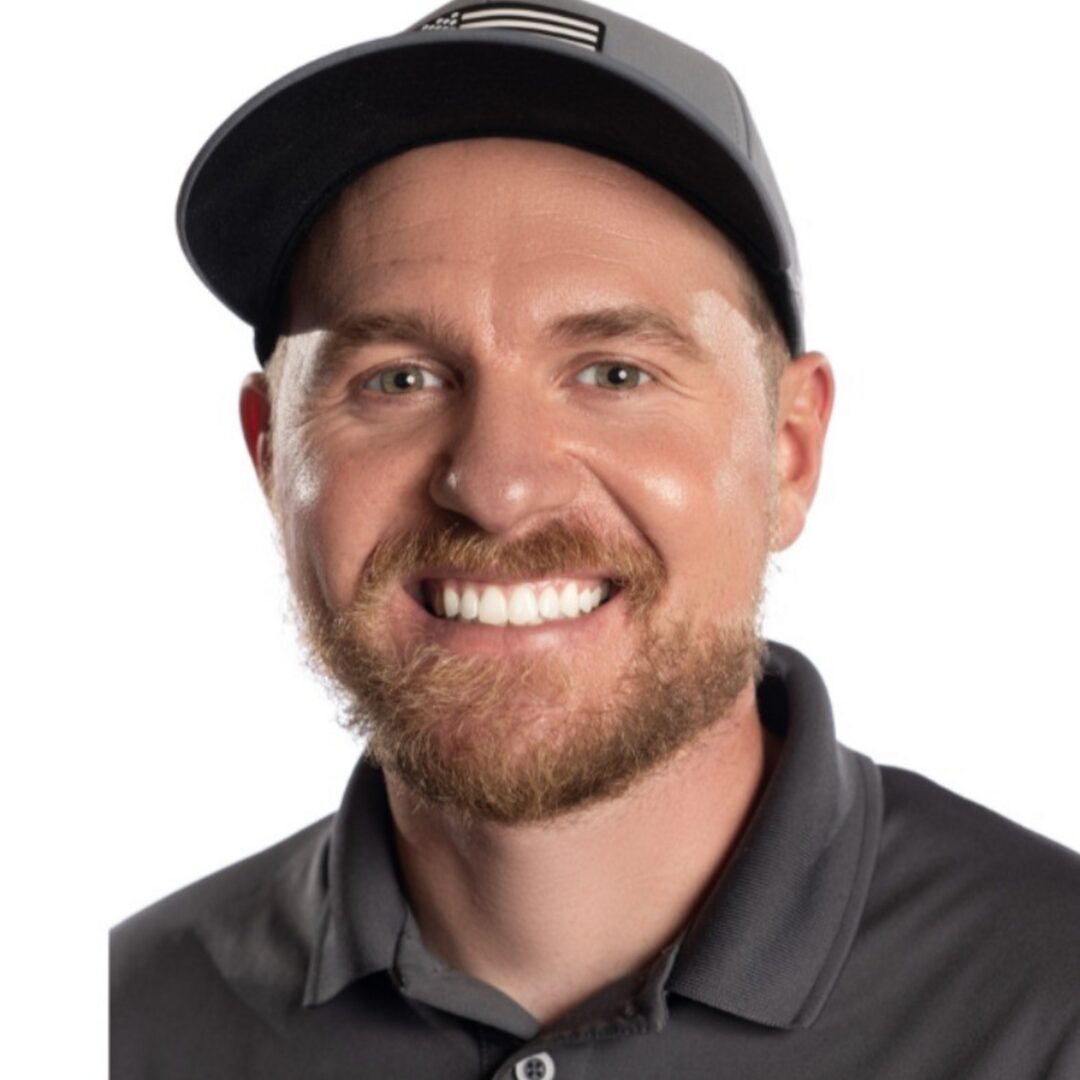
Welcome back to the show, my fellow extraordinary Americans. Today’s guest is Dan Gommer, a real estate entrepreneur and leader of Realtor Partners, a mortgage lender, an author, a speaker, and a coach. His passion for sharing knowledge began in his career as a middle school science teacher and high school basketball coach.
After leaving public education, he set his sights on real estate. After flipping homes for a few years, he focused his time and energy on building a real estate sales business by leveraging his existing relationships with a spear.
He has returned to his teaching roots by leading a highly successful expanding team. He focuses on developing his team members to reach their highest potential, which is his true passion. He also authorizes three books: I’m, Full of It, and So Are You. I am a coach, mentor, and public seeker who helps people succeed in real estate and business.
Dan is an extraordinary American, and I’m glad to have him on the show. Dan, are you there?
Dan
I am here.
Cosmos
Dan, thank you so much for taking the time to do this podcast with us.
Can you tell the audience more about yourself, your background, your story, and how you got started?
Dan
Yeah, that’s how I started most in real estate. Yeah. You know, it’s kind of funny. When I was in public education, this was something that I had wanted to do ever since I was 13. And so I thought I was going to be a teacher forever.
And so when I got into education, the first couple of years were fine. And then eventually I got to the point where I was just like, you know, the politics, the, the long hours, not being able to pay my bills, you know, on and on and on, all of these things started to pile up, and I was just like, you know, I can’t do this anymore. So, it took me about three years of self-reflection. Okay, if I do not do this, what will I do?
And so I got curious and started asking people, “Well, what do you do for a living? What do you like about it? What do you not like about it? And I asked countless people these same questions, although I don’t even know countless people. And, somehow, I never ran into a real estate agent. Go figure, because they’re everywhere. And, you know, it was about a three-year journey of just trying to figure out what I wanted to do with my life if I was not going to teach. Ultimately, I connected with an old college friend in real estate. And he said, well, why don’t you flip houses? You know.
And so that’s essentially where it dawned on me. I’m like, yes, this is a great idea. I’ve got a construction background. You know, I think this sounds like a lot of fun. The sky’s the limit financially, so I jumped in with both feet on the investment side of things, started doing fixes and flips, and saw some success and awesome failures. Well, ultimately ended up transitioning, into full-time real estate sales, helping other people buy and sell after I kind of lost my ass, we’ll say, on the investing side, you know, got, got my hands caught in the cookie jar a couple of times and needed to make more money.
I transitioned into the sales side, and now I’ve got a real estate team, so I’ve been doing that ever since.
Cosmos
Well, Dan, you went through many ups and downs in your career. So my question is, did you have a long-term vision regarding real estate, or did it evolve?
Dan
Yeah, that’s a great question. So, you know, being a teacher, I always had this vision that I would get back into education somehow. Initially, I envisioned going back into education and teaching teachers. Some of the things that I wish I had known when I was teaching, like leadership and communication and stuff like that, that nobody was teaching us when I was in education, would have been helpful. However, as I developed my business over time, I eventually landed on starting a real estate team.
Having a team allows me to teach again and do what I love to do, more so than even sales. I just love to teach and help other people grow. I’d rather see you sell a house than sell one myself. And so, you know, that was always my vision.
And at the same time, there’s the vision, and then there’s the reality. How does it come to pass? In this case, everything worked out differently than I thought.
But I guess in the end, I’m still kind of headed towards that same vision. But I don’t think we ever really know exactly how it will shake out. So, it’s been a process of just kind of like trial and error and figuring it out and falling and getting back up and let’s try this and now let’s that. So, kind of a combination of the two, I guess I would say.
Cosmos
What exactly motivated you and drove you? I know you were a teacher, and then you wanted to be, then you, from there, you went to the real estate, and like, that’s how it did.
But what is the motivational factor that drives you in real estate despite the ups and downs? Many people want to, but they start and then end up quitting. But what keeps you going forward?
Dan
Yeah, another really good question. Once again, it’s not the sales or the money for me. I’ve been very blessed to have a great real estate business and career, and I’m very grateful for that. But what keeps me moving forward is knowing I can help positively change people’s lives and the POS. And you know, I look at what real estate has created for me and my family and our lives. I mean, you know, as a teacher, I could barely make ends meet. I was frustrated. I was, you know, not having the flexibility and the freedom to like and create whatever I wanted. And now I have all of that.
So, real estate is an amazing vehicle for creating financial and personal freedom. It’s an amazing arena to throw yourself into, get beat up, and grow personally and professionally.
And so I just see so much value in this industry now. I’m in a position where I can help people leverage this tool, real estate, to improve their lives. Ultimately, that’s what I’m passionate about: helping other people improve themselves using the vehicle of real estate. I think that answered your question, maybe.
Cosmos
No. Yeah, it does. And one thing that you mentioned was financial freedom. There’s a saying that many people became millionaires thanks to real estate. It’s the number one cause of people becoming financially free. But there are a lot of conceptions about what real estate is and isn’t.
For the sake of the audience, Dan, could you tell them, let’s say, like, somebody in the audience wants to get their hands into real estate and, like, and get into the sphere and the industry, but they have no clue where to start. And like, what do you do? How to go about it. How would you go about advising such a person?
Dan
You said earlier that many people fail in the real estate industry, usually within the first two years. And, one of the, the biggest. Well, I guess there are two big hurdles that I see. Number one is unrealistic expectations. Right?
So when I got into real estate, I was like, well, I’m making, you know, 35 grand a year, which is what I was making after seven years, like, nothing. But anyway, you know, I was like, well, I just got to sell three or four houses, and that’ll make up for it. Right.
And I think many people go into the industry thinking it will be easy. You’re just going to tell your brother, your sister, your friends, your cousins, and your this and that, and everyone will just be beating down your door like, I want to sell a house. And that’s just not the way that it works. It takes intention; it takes consistency. There needs to be some kind of Runway. Like, people must understand that if they’re going to get into real estate, you’ve got to have a Runway. I would recommend 12 months, where if you don’t have consistent income, you won’t drown. Right.
There must be some safety net because getting your first deal could take 6 to 12 months. If you hit it hard, you’re making cold calls, door-knocking, and doing everything. You could do 10 deals in your first year but must work hard.
And so I think one of the big misconceptions is that it’s easy and not easy. It’s not easy to facilitate the transactions. It’s not easy to manage all the people involved in the transactions. It’s not easy to get a deal in your back pocket. Those are all hard things to do.
So, if somebody wants to get started in real estate, I would say set your expectations accurately. It’s a job, a career, a profession. You either pursue it like a profession or not because it will take over your life and work. If you’re going into it thinking it will be super easy, the other thing I recommend is that, number one, setting your expectations will be huge.
And number two, this one kind of feeds into number two, which is to have some kind of mentor. So maybe you don’t know what your expectations should be, especially yours in your specific market. Finding a mentor who can set those expectations for you becomes really helpful. Someone who can give you feedback on how to do a listing consultation and can tell you how to get your first deal and then do what they say.
Do what they say. It doesn’t matter if you agree with it, as long as they’re not telling you to do something illegal. If you’re like, hey, give me your advice, and they give you advice, and you don’t do it, you’re not going to make it. You have to lean on the people you put your faith in. You have to lean into the people that you trust.
You must do what you say you will do to the best of your ability. If you have the right expectations and a good mentor and do what you say you’re going to do and agree to do, the chances of failing are almost zero.
Cosmos
So many people first go to real estate and think of fixing and flipping homes, or they want to do the buying strategy like they buy a house. They want to rent it out, then multiply the number of houses, or they want to become a real estate agent and maybe a broker.
So, from your perspective, somebody wants to succeed in real estate. Which direction should they go in? Should they try all three or focus on one, main Avenue, and then take that to the next level?
Dan
Yeah, I think one thing that my team has heard me say a lot is you can do one thing crappy or. Sorry, you can do multiple crappy things, or you can do one thing well. There’s no clear answer to that. Right. It depends on the person. You know, what, what’s your situation? What’s your financial situation? How many runways do you have? What, what are your goals? Why are those your goals? You know, all those kinds of things.
So does it make more sense to run a business, or does it make more sense to do flips, buy long-term holds, invest in REITs, or, you know, all those kinds of things? Those are all different strategies. And it’s not that one of them is right or wrong; it’s just that it’s a different tool for a different situation. And so, if someone came to me and said, what’s the right way? I would be curious, like, oh, well, tell me what you’re trying to create, and then let’s find the right tool for whatever you’re trying to create.
Cosmos
No, totally. Yeah. It depends on the financial situation, person, and several facts for many people excited about real estate. I would suggest they go and take a real estate education course about the difference. There’s like a lot of courses out there where they show the different ways and strategies for different ones and see what, what fits best for them, you know, because for some people it might be being a real estate agent or broker, and for others it might, it might be something else.
Dan
Right. And one thing that I would add to that piece is that you’re right. One hundred agree. I would add that a lot of training claims to give you a quick, quick buck in real estate. Right.
If that’s what they’re promising, go to their free seminar and take what you can take from it, but do not buy their program. Please do not buy their program. There are a lot of companies out there who make a living selling these programs to people, knowing that they’re never going to do anything with it, can’t do it, or don’t have the financial runway to do it. Still, they will sell you that program for 10 grand, 20 grand, whatever it is.
And so, I got a bit initially doing something very similar. And those programs are still out there. And it’s not that they don’t have any value, but real estate is not easy. You can often get a mentor for free. Or you know, if you join a team, maybe you, maybe your mentor charges, you know, a split. So, you pay a little extra split when you close a deal. So, they’re motivated to help you close a deal. Right?
So, there are other ways to get the education you need to be successful in real estate, whether investing or just sales, and not having to put all this money upfront. So please don’t feel like you have to go to these seminars, and they’re like, yeah, you have to buy our program so that you can. Da, da, da, da. You don’t. You don’t. There are people; there are resources you can leverage to figure it out without putting all that money upfront.
Cosmos
So, Dan, during your time in the real estate industry, what was your biggest insight or revelation regarding the business and people in general in the field?
Dan
Yeah. That’s another good question. One of the most fascinating things about real estate is that I always treated it as a social experiment while teaching. I always thought it was interesting to see how you have these kids in your class and get to know them. Then you meet the parents, and you’re like, oh, and you start making connections. And, you know, it’s just kind of interesting. Right?
Real estate is very similar in that way because when people get into real estate transactions if we think about everything that’s going on, they’re still working and potentially have kids. They are packing their house, getting ready to move to another house, and filling out documents for a lender incessantly asking them for many obnoxious things they don’t want to get. They’re worried about money; they’re worried about making the deal work.
What happens in a real estate transaction? It’s one of the most stressful interactions in human life. People become so stressed and overwhelmed that barriers start to fall.
And so where before they can keep up there, whatever their facade is. Man. When you’re in a real estate transaction, it gets real quickly. And so get to know people on a very deep level. And I love that aspect of it, which makes it more challenging, for sure, because you’re dealing with high emotions and high energy. But you get to know people well, forming a unique bond. And so, I think that one of the things that’s been most fascinating for me is how authentic people are forced to become throughout these transactions.
Cosmos
Wow. This is not going to be connected to real estate, but basically, there’s a line in the movie Batman with the Joker where he says, “You know, in a person’s last moment, they show you who they truly are.” For you, it’s like real estate transactions.
Dan
Yeah, exactly.
Cosmos
When people remove the facade, like, like during these real estate transactions, like, do you normally see positive personalities or like, negative personalities or like, what, what is your general outlook on human nature after, after you’ve been in the real estate for all these years?
Dan
I wouldn’t say it’s good or bad or positive or negative. It’s usually more of a stress response. Right. So it’s going to be high energy. But, you know, you just see people for who they are, which to me is really. I don’t know; I almost feel honored to be in that position, to be in that role, to be able to walk with people through these situations. But at the end of the day, I think it’s all pretty similar. What, what do people want? They want some peace of mind. They want to know that somebody’s on their side, that they’re not alone. They want to know that everything’s going to be okay. Right.
It usually comes down to these behaviors—anger, frustration, whatever—but at the base of that, it’s just like, you know, I want to ensure I’m not being taken advantage of. I want to make sure that this is working as it’s supposed to, so they just need some reassurance. And so I wouldn’t say it’s good, bad, or otherwise.
Yeah, I would say the kind of. You see some pettiness come out, where people are arguing over 200. You’ll see people who will, you know, burn the whole thing down by over 200 bucks and stuff like that. And I don’t typically work with too many people like that just because I don’t hang out with too many people like that. But, you know, for the most part. You know, for the most part, it’s pretty simple. People just want to be taken care of. They just want to know they will be okay, so the emotions range from giddiness to anger. But at the end of the day, I think it’s pretty straightforward.
Cosmos
I think.
One of the main takeaways I would want the audience to get to and get from it is that pettiness will not lead to greater success in entrepreneurship. In business, in general, if you want to go big, you have to have a level of generosity and forbearance. I’ve noticed over time that when people are petty, they don’t usually achieve greater success than if they had a magnanimous attitude.
Dan
Right, absolutely. And I would say it’s kind of twofold on that. Right? Because when you’re being, we’ll just use the word petty, there’s, there’s two things. Number one means you’re in a state of scarcity versus abundance.
And so, you know, you’re stepping over a dollar to pick up a penny. You know, it’s like, well, I need my 200, and you’re missing the whole bigger picture. Right? So that’s a big problem. That’s a big problem. And it keeps us small; it keeps us contained. This is why it stifles our growth when we focus on the little, itty, bitty, tiny things. And I think the other piece that comes into play is that there has to be a sense of risk to go big. Nobody went big because it was guaranteed. You know what I mean? Like, or one big. On something that was guaranteed. It’s not guaranteed. There is a massive risk. When you want to go big, you get a big reward, a big failure like they go hand in hand.
So, you have to be willing as an entrepreneur to take that big risk. This means if you’re worried about petty little tiny things over here, you will not have the fortitude to take a big risk because somebody, you know, offends you a little bit, and you’re gonna blow up. It’s over. It’s over. You have to be willing to go, whatever, 200, I don’t care. It doesn’t matter. I’m looking over here. I’ve got this bigger vision; I’ve got this bigger thing.
And so there is, I have found in my career countless times where, I just say, I just had one the other day. Here’s a perfect example. I have a client who, long story short, had about a $150 fee post-closing that my client wanted to get from the sellers. And I’m just like, I’ll give you $150 because I don’t have the time or the energy to deal with this stuff.
And she’s like, are you sure? I’m like, it’s worth my time to give you $150. Because it is. I’ve got more important things to do than negotiate. Post close $150, this, that, and whatever. Here’s 150 bucks. Boom. Because my time is not worth that. My time is much more beneficial over here. And so when we’re fixated on the little, it takes us away from what we should be doing, which will hold us back from creating something big as an entrepreneur.
Cosmos
No, I mean totally. Like, it’s what they call the 3000 for perspective. Or, like, sometimes you have to let go of the little things to get the bigger things. That’s one of the key traits of success.
But, speaking of which, from your perspective, when you’re teaching and coaching the. What is the biggest mindset trade you put into your team members for them to be successful?
Dan
Man, if there were one thing I could just implant into every person’s head on my team, it would be very straightforward. Invest in yourself. Invest in yourself.
So what does that mean? What does that look like? Well, it means you go to conferences. It means you pay to go to the conferences. It means you pay, too. Not just money, time, energy, effort, and money. You pay to go to personal growth and development things. You pay for books and, once again, pay. Energy, time, money, all of it. You pay for books, you pay for podcasts, and you pay for all of these things. You pay for mentors; you pay to get better. If you invest in yourself, the sky’s the limit. See, there’s this big misconception, as I see it, that I need more tools, strategies, gimmicks, and AI. I need more. No, no, no. No, you don’t. You need to invest in you. The better you get, the easier it will be to implement those tools and find the right tools to find the right mentors.
And so this is something that I always bring up with my team: you must show up. You just got to show up. That’s investing in yourself and showing up to the team meetings, showing up to the classes, showing up to all the things that will make you better. That’s investing in yourself. And if you do that enough, the answers will come. The hows will show themselves. And so the biggest thing I see many entrepreneurs do, especially in real estate, is focused on the how. How do I grow? How do I get bigger?
How do I get more content? If you become a better individual, you become more confident; you develop better skills and the show will naturally show itself. Now, you’re more well-equipped to leverage those shows. And that’s when the magic starts to happen.
Cosmos
Well, the biggest takeaway is self-improvement and showing up to become a higher or better version of yourself because that’s where success truly happens.
And that’s a common theme during my interviews and podcasts with other entrepreneurs. You know, it’s just about mindset, mindset, because your income will only grow as much as you do. A key takeaway is self-improvement.
Dan
Absolutely.
Cosmos
So Dan, what was your biggest setback during your career, and how did you overcome it?
Dan
I’ll share two because I handled them both very differently. Early in my real estate career, I did fixes and flips. As I said, I have seen some successes. You know, I think the best one I ever did was I made about 85 grand. The worst one that I ever did was I lost about 30-something. So, they had successes and failures. But I had spent a few years and borrowed money from my in-laws to start my business.
So I was using borrowed money. But over time, that money disappeared. So, first of all, don’t jump into it as a full-time gig if you’re thinking about doing flips. Maybe I recommend getting into real estate and doing a few flips on the side. I was doing it full-time as a bad idea.
So anyway, I ended up losing all the money. So when that happened, I went into a deep depression, and you know, woe is me. Yeah, I can’t believe I did this. I’m such an idiot. I’m so terrible. Blah, blah, blah, blah, blah, you know, wife, two kids, and you know, contemplating suicide, like that deep depression. And I kind of snapped out of that, you know, thankfully.
And you know, I used that chip on my shoulder of, like, no, I can be successful. Like, I’m not; I’m not a piece of crap. I can’t do this. I used that chip to help me grow my business. And so it was; it ended up helping in that sense. It’s not the best way to go about it, but later on in my career, I cashed in some, you know, investments that we had out here. I sold some properties we had out here and was going to do a 1031 exchange into a deal out in Florida. And, when the market turned recently, and interest rates skyrocketed, long story short, that community went belly up. And I had to walk away from our entire nest egg pretty much. Luckily, I could pay off all my debt first, but anything we had in real estate investments went quickly. That was hard, but I mean, I had been building it for 10 years, and I am gone. So this was the second big loss, right?
So it’d be easy for me to kind of, oh, hello, balloons. It’d be easy for me to go back to that same mentality. Who is me, man? Here, here’s the proof again. I’m an idiot. I screwed it up again. And I just said I won’t do that throughout that whole process. I’m not; I won’t let myself down that path anymore. That’s not who I am anymore. I’ve done much work on myself and refuse to do that.
And so my mindset in that instance was, okay, what happened? How did I get myself into this position? What should I have done differently? And what will I do differently moving forward? I’m going to take this loss and turn it into a victory. I will make sure this never happens again. I’m going to rebuild because I can and will, and I will reinvest in other things. It’s going to look different and be just fine next time.
So, I have a plan moving forward. So, I used my kick in the teeth to make me better. A better team, team, leader, a better parent, better investor, a better business owner, all of it. I needed that to happen for me to learn this lesson. So now I’m looking at turning it into a positive. So, these two almost exact opposite reactions to a fairly similar situation.
Cosmos
Wow. I mean, yeah, it’s true. Like, you can. Failures can be transformed into victories if you have the right attitude. And that’s one of the key takeaways because many people look at failure as the end of all, but it’s how we perceive it.
And it can be an opportunity for a greater victory. Sometimes, I think there’s a universal thing called the law of the barrier, where you must overcome a Barrier to reach a higher stage. Of evolution, you know?
Dan
Yeah, I like that. Yeah, true. There are so many examples of it throughout nature. The seed becomes a tree. Right.
Cosmos
It’s all about the struggle, and it has to struggle, but that’s what makes it strong. Like, even when we go to the gym, we must break. We must tear our muscles apart to rebuild and strengthen them.
I’m really glad that you overcame it. And, it’s. It’s an inspiration because when other people go through the same thing, they know it’s all about their mindset, and they can. They can get past it, you know?
Dan
Right, absolutely.
Cosmos
So, Dan, in a national context, what do you think is Americans’ greatest challenge today when attaining the American dream? And how should they go about attaining it?
Dan
Well, I think the first thing is, what does the American dream mean to you? Right? Because the American dream to me means I can create whatever I want, and I’ve got big plans. So, for me, money is involved. But, you know, I don’t know. I mean, you have to define first what. What does the American Dream mean to you? I think a lot of people just assume, well, it’s money, it’s a house, it’s a car, it’s whatever. Like, maybe. Maybe that’s the American dream for you, but you must figure out what it is for you. And I think you were asking, like, how do people. How do people go after it? Right? Yeah.
So first, you have to define what it is and why that’s important to you. The second part of it is, I know this sounds so cliche, but you just have to do it. You just have to do it like a step, then a step, and then a step. You know, Forrest Gump in. In the movie, right?
He ran across the United States many times and did it one step at a time. He didn’t, you know, just show up on the East Coast and then show up on the West Coast. He took one step at a time to go across the country. You know, I remember I was talking with my wife recently, and she was like, I don’t know. I don’t remember what it was. She was struggling with something like, you know, something with her mindset, like, this isn’t working.
And I said, well, you know how you fix it? She’s like, how? Just stop it. It’s that simple. Like, change your thinking. Like, make the decision that you’re going to change your thinking. That’s how I changed my thinking that day on the bed when I was thinking about taking my own life, and I decided I was not going to do this anymore. It changed in an instant because I decided I was going to change. It changed the way I was thinking.
So, if you want to go after the American dream, you must know what that means to you and then just go after it. And if your mindset is holding you back, find a mentor. Find somebody who can help push you forward. And lean on them and do what they tell you to do. Do everything you agree to do and move because wallowing in self-pity will not get you there. Sure, your friends might go, yeah, you poor baby. You’re right. You’re a victim. Great. You’re right. But you’re not going to get what you want.
So, to get what you want, you have to commit. You have to take action. You have to hold your word. You have to work on yourself. And if you do those things, you can create whatever you want in this country.
Cosmos
it’s about going after it, you know, and not making excuses. I think many people don’t get their desires fulfilled because they don’t pursue them in the first place. Or they have what is called a mindset barrier or a limiting belief. And often, that affects their ability to go. They think they must be this or that before they can do anything. But no, you can always go in your own words, take the first step, and then keep going, just like Forrest Gumpton from east to west.
Dan
So. Yeah. Yeah.
Cosmos
So, Dan, I wanted to ask you about your book. I know that you wrote it. I’m full of it, and so are you. Can you tell the audience more about this book and the premise that made you write it?
Dan
Yeah, so I never thought I would write a book, but now I’ve written a couple of them, and I’m writing a couple more right now. It originally started with me just having conversations with myself, and I would kind of like, I don’t know, I would just, like, learn something as I’m like, talking to myself, and I would go to my computer, and I would just like, type out these little ideas. And so it started with just a random list of thoughts, Dan’s. Right. Then, one day, I meditated, and the table of contents came to my mind like an organization.
And I’m like, oh, oh, that makes sense. I went and wrote it down quickly. And then I just kind of started expanding that table of contents. That’s how I wrote the book. But where it stemmed from was kind of that depression that I had. Then, I started doing all this work on myself to get better.
So it doesn’t track all that necessarily attracts some of it, but it’s more of a synopsis of what I’ve learned going through that journey and some of the tools I’ve developed. Right. To get better as a person.
So, I’m full of the book’s concept, and you are too. I originally wanted to call it World Changers, but my wife told me that was too grandiose. And I couldn’t, I couldn’t do that. So I said, fine. So, this was the name that I came up with. But I wanted to call it World Changers because the book’s concept is that we all impact the world. We all change the world, whether we like to or think we do. It doesn’t matter. Like, think butterfly effect. The way you talk to the barista and drive in traffic. You know, I always make it a point to say hi to the janitors and the people at the front desk at this place and stuff like that, right? Because I want to have a positive impact on their life. And so doing that or not doing that, either way, impacts the world.
So we’re constantly changing the world because we live in it. And there’s no telling how our interactions play out in the grand scheme. And so it’s about awareness. It’s about bringing awareness to how we’re showing up in the world, how versus how we want to show up in the world, and then bringing intentionality to our lives.
So, this is how I want to show up. This is the impact that I want to have on the world. And so, if that’s how I want to show up, then these are the things that I need to do to get myself in position.
It’s a book about awareness about why we do things that we do so that we can live more intentionally. If we will impact the world regardless, why not do it with intention? The only way to do it with intention is to have awareness of what’s going on around us. So that’s kind of the essence of it, Dan.
Cosmos
So, I was, like, you mentioned the Butterfly Effect, and it just made me think of that movie by Ashton Kutcher. And it’s funny how our small decisions in our everyday lives create a chain reaction.
And years later, when we. Looking back, we realize that if we had just made one small change or one small change, not only would our lives change, but the lives of so many others would also be affected. Because let’s say you did not decide to do real estate, for instance. Like, you just decided to be a teacher and didn’t decide to be. You would not be able to impact all these people in your team, and their lives would not be impacted, and other people’s lives would not be impacted. So, all these small decisions do matter, you know?
Dan
Absolutely. Yeah. They seem small, right? I can’t remember who said it, but the way we do one thing is the way we do all things, right? And so, you know, I was just watching a TV show. It’s called A.P. bio. It’s. It’s pretty stupid, and it’s kind of funny. There was this. This scene in the show was where the lifeguard had died, right? It’s a comedy thing, but, like, this. This old lifeguard guy had died, and this other guy took his vest and found a $10 bill.
And somebody asked if there was anything in his vest, and he said no. And then, the rest of the episode, he’s just rotting with guilt because he has this. This is the $10 bill that he took from this guy.
And really, what it comes down to is that he was out of integrity with how he wanted to show up. He did something out of integrity, and it seems small, and he could have covered it up, but nobody ever would have known all this stuff. But it’s a perfect example of you noticing that the cashier didn’t ring that 12-pack of soda. Do you tell them, or do you say score? Those are seemingly small decisions, but ultimately, they can have a massive ripple effect on our entire life because they affect our being; they affect who we are as a human, so these seemingly small things add up to bigger things.
I always go back to that adage: The way we do one thing is the way we do all things. So, I try to do all things with integrity with who I am. I fail sometimes, but I do my best, right?
Cosmos
Yeah, you’re right.
And, Dan, are there any projects you’re working on right now that you’d want the audience to see?
Dan
Yeah, I mean, so my biggest project right now is, well, what I’m working on is growing my team. And, you know, if anybody is watching this who’s thinking about getting into real estate, you’re in real estate, and, you know, maybe you want to grow a team as well. Like, I want to talk to you, right? Because I want to work with more people who want to improve the lives of others because I can only do so much.
And so I want to grow that. I want to connect with more people who see that kind of vision and who see leveraging real estate to help make the world a better place. And so. So, that’s one project that I’m working on that I’m super passionate about. I’ve got another project that’s down the line. And one of the reasons I’m so passionate about what I do now is ultimate; I want to create a thing I call the playground, which is exactly what it sounds like. It’s. It’s a giant playground for adults where we work on personal growth and development, leveraging play.
And so, to create that big project, I need money. And so right now, that’s what I’m working on doing. That’s it. That’s part of why I run the team, and we’re expanding above and beyond what I’ve already said. So those are two of the big projects I’ve got in the works.
Cosmos
Nice. And, Dan, if the. Let’s say the audience wants to connect with you, get to know you better or join your team. How would they go about doing so?
Dan
Yeah. The easiest way is to email me at Daniel Gomer1@gmail.com or go to realtopartners.com. That’s my website, where you can find more information about me and the team. You can also download a free copy of my book or subscribe to my newsletter, which I send out weekly on Tuesdays.
Cosmos
That is amazing, Dad. Dan, I’m so grateful you came to this podcast to share your insights and wisdom, especially about real estate. I appreciate that, and so does the audience. I do hope that you will come to this podcast at a later time.
Dan
Yeah, thank you. I appreciate you having me on. Great questions.
Cosmos
No, thank you. And I want to conclude this episode by letting my fellow extraordinary Americans know that, hey, look, there’s an extraordinary within every one of us. We must awaken it and unleash it. Until next time. Bye for now.

 Amazon Music
 Apple Podcasts
 Audible
 CastBox
 Castro
 Google Podcasts
 iHeartRadio
 Listen Notes
 Overcast
 Player.fm
 PocketCasts
 Spotify
 Stitcher
 TuneIn