Cosmos
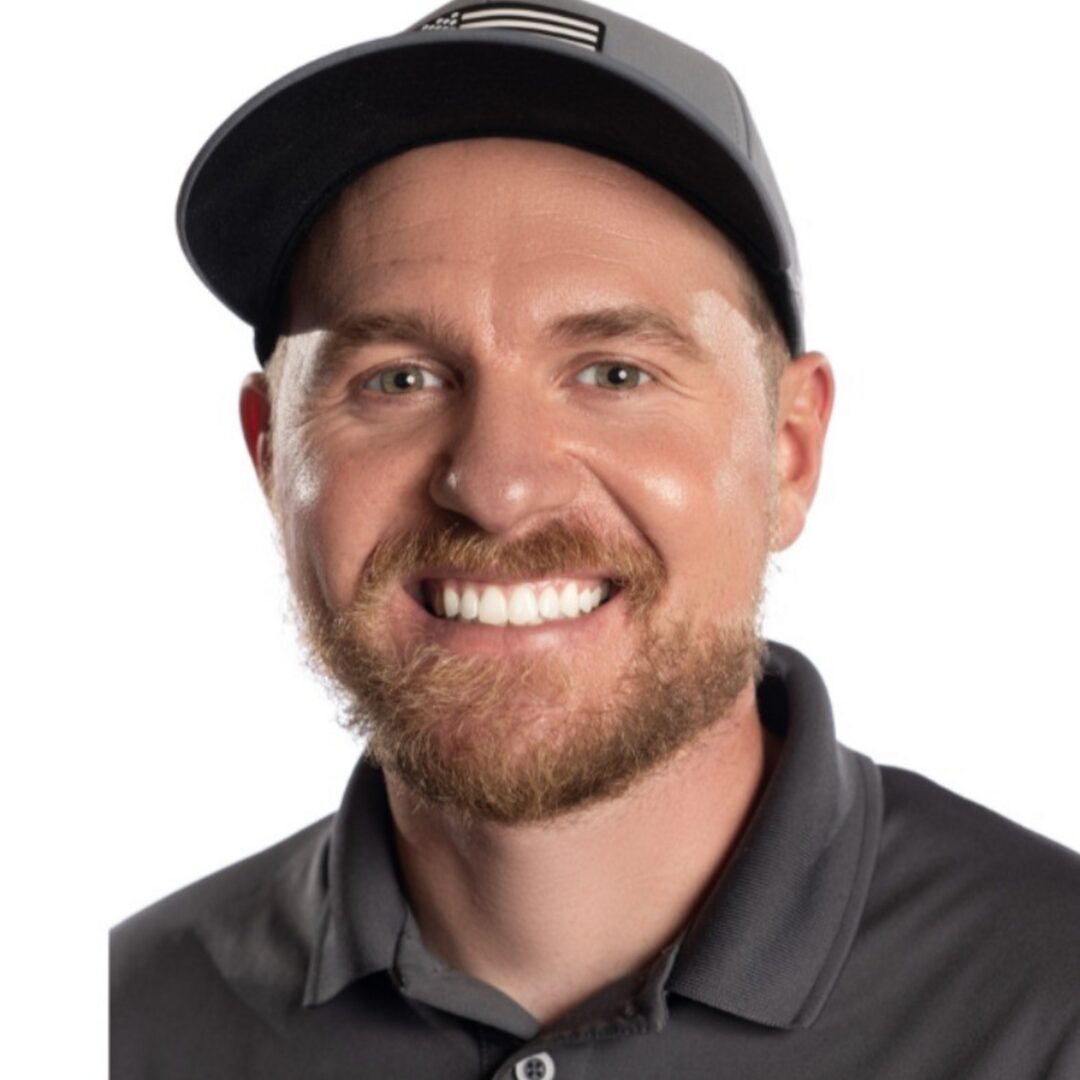
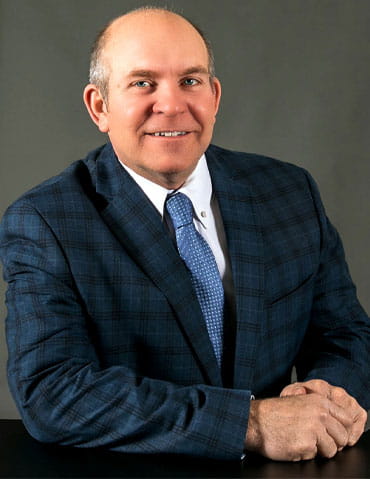
Welcome back to the show, my fellow extraordinary Americans. For today’s guest, we have Ben Mohr. Ben is a trusted leader in retirement and income planning with a strong focus on alternative investments and life settlements.
As founder and CEO of Ben Mohr LLC, he leads one of the top firms specializing in life settlement solutions, offering expert guidance for navigating complex financial decisions. Ben works closely with clients to uncover hidden values in their financial portfolios, often helping them turn unwanted or unneeded life insurance policies into powerful retirement assets. Driven by his passion for empowering professionals in the field, Ben launched the LifeAdvisor solution —a cutting-edge platform that provides mentorship, marketing tools, and business development strategies for agents.
This initiative empowers advisors to achieve unparalleled success in their careers. Ben also plays a key role as part of the RMO insurance and retirement team, where he continues to help clients secure financial stability through personalized strategies and in-depth knowledge of life settlements.
Ben’s goal is to help individuals approaching retirement make confident, well-informed financial decisions without the confusion or pressure. His clear, practical guidance and proven results have made him a trusted resource for those seeking security and peace of mind in retirement. He’s an extraordinary American. I’m glad to have him on the show. Ben, thank you so much for taking the time to do this with me.
Ben
Thank you so much for having me.
Cosmos
Ben, can you tell me a little bit more about yourself, your background, and how you got started in this industry?
Ben
Sure. It’s kind of what I call a Forrest Gump story. I attended college, earned a degree in broadcast journalism, and ultimately worked for various affiliates around the country as a TV news reporter for a long time. I then stumbled into retirement advising. Just met some people on the way. I used to work in the Silicon Valley area, where numerous innovative ideas and growth opportunities abound. I realized that was where I wanted to be, so I pursued a career in that industry.
About 20 years ago, I was meeting with a client who mentioned that he had heard something about life Settlements. I looked into it, and it seemed like something I needed to implement in my business. And from there it just took off. It’s as if all of a sudden, that was 90% of my business. And that is the field I’m in today. We refer to it as alternative investments, with a primary focus on investing in what’s known as life settlements.
Cosmos
Ben, can you tell the audience a little bit more about what life Settlements are, as well as alternative investments?
Ben
Sure. Alternative investments are just a general term. When we think about investing, almost always people think of the stock market. If you have a 401(k), almost all of that money is likely invested in the stock market—your usual big-name companies, such as Schwab and Fidelity. The stock market pretty much drives anything you see on TV. And that’s fine. We’re not against the stock market. The problem we often see with most people is that they invest too much money in the stock market, right?
So, the next idea is that people will start looking at what we call snugly safe approaches, such as putting money in a CD or an annuity, which are great because they’re safe and guaranteed products. However, when you say ‘safe and guaranteed,’ it means your rates are likely to be relatively low. You might barely outpace inflation, and you’re going to be in some kind of lockup period. People are familiar with CDs, where the term might refer to a five-year or a Treasury note that could be 10 or 20 years, and yet the rates are rarely low. When discussing alternatives, we refer to those from the two mentioned approaches.
A good example of an alternative would be people looking at cryptocurrency, who could also consider investing in precious metals. Investing in real estate is also a viable alternative, particularly if you’re utilizing your retirement funds. One area that people are not familiar with is life settlements. Now this has been around for decades. People like Warren Buffett have companies that own over $1 billion. Some of the largest financial institutions own billions of dollars of life settlements.
And we were able to bring it mainstream to people about 20 years ago. What that means is that somebody out there has an insurance policy on themselves. It’s said to be a permanent policy. Let’s say they’re 80 years old and it’s worth a million bucks. But now they’re hitting the end-of-life phase, where they need money for long-term care. They might need 50 or $100,000 a year just to have somebody take care of them. But they don’t really want to sell off their house. They don’t want to sell off anything else.
But they have this insurance policy that, if you think about it, if they’re 80 years old, what was the reason for insurance that was to protect their family when they were working, if they died, maybe to help pay off the mortgage. And the kids are now in their 50s and 60s. They don’t really need that money.
So, they can sell that policy to us for around $300,000. Now, what I do is take that policy and multiple policies and put them in a portfolio, so maybe five at a time. Then, we, in turn, resell those to investors, so they don’t have to commit to buying one policy for $ 2,000 or $300,000. It’s a lot of exposure, and you’re in one in policy. Instead, you can now come in and buy from our group, possibly at $25,000 or $50,000, and own small pieces of multiple policies when those people pass away. We like to say in our business that when the policy matures, it just sounds nicer. You get a portion of the death benefit. That’s how it works.
And so you get five payout opportunities. Currently, if someone were to join us, I believe the return rate is 77%.
So, what does that mean? Someone gave us $100,000. They’re going to own five portions of five different policies, and along the way, they’re going to receive payouts on every single one of those. And at the end of the day they’re, they will have made 77%. If you’re considering APR, we can’t provide exact figures, but we have seen three out-of-payouts, maturities, and policies this year alone, with most being double digits. We have seen double-digit returns. We can’t guarantee that, because of people’s longevity, someone may live a long time. However, this is a great way to earn a decent return outside of investing in the stock market. And that’s what a lot of people are looking for, is they know they have money in the market, and that’s great, but they’re looking for other, other various ways.
And when you’re buying into an insurance policy, what’s great is that there’s nothing stronger than the insurance companies. I mean, they’re not going to go out of business. It’s highly, highly unlikely. And you’re getting paid on what you’re getting on when paid off, when somebody passes away, which, no offense to any of us listening, is guaranteed to all of us. Therefore, it will eventually pay out.
Cosmos
Ben, one of the things I want to know is that when people think of investments, they often just think about the stock market, being realistic, getting a mortgage, and everything that comes with it.
However, fewer people are aware of options like life settlements and insurance policies. So, how can someone entering the research field gain a better understanding to invest in this area?
Ben
Well, one place I would definitely recommend, if they’re listening, is a company we work with directly, which I handle a lot of the marketing for, called Life Asset. That’s Life Asset LLC.com. There, you will find a link tree mark that contains more than enough information. There’s an e-book, a brochure, and videos on there. Everything you would ever need to know about investing and why somebody would sell their policy: there’s just a plethora of information on there.
So, it’s lifeassetllc.com will give you more than enough information. Now, suppose you go to Google and type in ‘life settlements.’ In that case, there will be some misinformation because, generally, when people hear ‘Life Settlement,’ they think of the person selling their policy—the 80-year-old. If you googled ‘Life,’ it’s all going to be about selling your policy. That’s the other side of the street. Think of real estate. It’s like, you know, hey, selling a home, you’re going to get everyone, hey, we’ll help you sell your home. But we’re on the other side, which is realistically what we’re doing, is flipping policies like people flip houses, right?
So, it’s the other side of the street. If they simply go to Google, they won’t find much information, as it will mostly prompt them to consider selling their policy. We’re buying the policies and then assembling a group of investors to own them. So again, Life Asset LLC.com is where you can find all that information.
Cosmos
Ben, what do you think are the pros and cons of investing in the stock market and real estate versus life Settlements? Because most people will wonder, “Well, I could just invest my money.”
Ben
These areas versus well, okay, first off, if you look at where most people put their money, right? I don’t consider buying and living in your own primary house to be a real investment. I mean, I know people make money that way, but we’re not really talking about that. Buying your home, of course, is a good idea. There are numerous tax write-offs. I think people probably get a little confused for, since for instance I’m in California, if you look at, in California, if you own a home or the last 20 years, you’d be shocked to find out that you’re probably averaging about a 5 to 6% return on that, which is A decent number since you’re living in it and you get the tax write offs. But as far as an investment, that’s not something that, you know. There are numerous problems associated with real estate investing, particularly when you become a landlord. You’ve got a lot of things you’ve got to deal with there.
Well, I found someone to rent out the place. There are just various things there. Of course, I’m not against it. It’s a nice place to do that. The market is a relatively safe place to invest your money. This is not a usual case. Usually, when you talk to somebody in my position, it’s all negative all the time.
Just do everything with us. And that’s wild. To tell anybody here on this show that the market is bad is insulting people’s intelligence. As we know, with the S&P, if you invest your money there for 10, 20, 30, or 40 years, you could earn high single-digit returns, such as 7, 8, or 9%. The problem is that they’re overexposed. They will put all their money. I recall seeing a statistic indicating that approximately 66% of all people have their retirement funds invested in the market.
So, what we say is that we kind of like to have a rule, which we call the 70-20-10 rule. That means that if you have 70% of your money in the market and another 20% in something we call safe money, such as an income annuity, you have a diversified portfolio. And just to let your people know, money is essentially like having a secondary pension. It’s going to pay off in 10 or 20 years, and you’ll have a secondary source of income through Social Security. We stick in that 10% region. We recommend that people invest about 10% of their money with us. So, what we tell your listeners here is to think about the worst-performing 10% of the money you have.
That’s where we want to have that conversation.
It’s just going to help you know that when the market does have a year where it crashes, you’ll know that 10% of your money is not affected by the market and is most likely doing decently in returns. So it’s a blend for us.
It would be unusual for someone to put 50% of their money into life settlements. Why? Because it’s not liquid. Once you own that part of the policy, you can’t come to me three years later and say, ‘ Hey, I gave you $100,000. ‘ I, like $25,000, put a roof on my house. That is not what this money is for. 70 to 80% of our clients are using their IRA funds.
Because they don’t need the money tomorrow, right? So, they just want to have that money grow. For us, it’s not a big deal. Here’s why the market is flawed, or here’s why any other idea is flawed. What we’re saying is, why not take 10% of your money and invest it in a place that consistently earns decent, possibly double-digit returns with no impact? Think about that cosmos. The one thing that we like about this investment is if you sit back and think about it and go, okay, name me an investment that is not affected by the economy, that is not affected by the market, that is not affected by worldwide events, whether it’s Ukraine or it’s the Gaza Strip or any of the things that’s going on politically. This is that investment. Look, you own a portion of somebody’s policy, such as that of an 82-year-old in Jersey. The bottom line is that as long as they’re alive, your money sits; as soon as they pass away, you get paid.
So that’s what we like about this. It’s what we call a non-correlated asset, non-correlated to any of that. And you’re truly diversifying your money by taking a 10% stake. By the way, Warren Buffett has nearly 10% of his money invested in life settlements. I don’t know the exact number, but I know that he takes a portion of it. And we like to say that if it’s good enough for Warren Buffett, who is considered the smartest person who’s ever been on Wall Street. Perhaps it’s time to start looking at what he does.
Cosmos
I see Ben, and Ben, speaking of Warren Buffett, right? Like, we want to understand how the wealthy invest. So, what do you think? Do the wealthy investors do differently when the market is down? Can regular people apply those same ideas to retirement?
Ben
Absolutely, if we just get past life settlements. One key point is that not every wealthy person invests money in life settlements. But I think it’s a good trail to show people that wealthy people are thinking outside the box. They’re not just banking on the market. All wealthy individuals have someone in the market.
But they’re also looking at things like hedge funds, which there’s great news that just came out, I’m not political, but something that Donald Trump just signed into law about a month ago, which is very interesting, is that he’s going to try to allow people in their 401ks to now invest in alternative investments, mainly hedge funds and something like us, which is great because before this time, almost all 401s, 403s, and if people at home aren’t familiar, that’s your company sponsored retirement plan.
So, if you worked at, say, ABC Corporation, they would allow you to come into their 401 (k) plan. And those plans were very limited, meaning that you only had a few options. It’s like a small menu of what you could invest in. And it always was in the market. They are now realizing that people need to have the same options as the wealthy.
Now, of course, you have to qualify. As an accredited investor, you must have a net worth of at least $1 million. Look, if I meet somebody on the street today who’s just getting started and they’re 23 years old with a new job, making $50,000 a year, this is not the investment for you, right? This is for individuals who have established a family with a net worth of over a million dollars. This is where you might want to consider investing $50,000 or $100,000, or, at the same time, in an alternative. So, your money grows during those years when the market is not performing well.
Cosmos
So, Ben, speaking of when the market is down, right? Many people are predicting a massive recession, which could severely impact the market due to tariffs and other factors.
And then there’s even more inflation, where they think the banks will cut interest rates, and then they’re just going to print a lot of money. So, from your perspective, what is the best way to go about investing the existing money that people have into the right assets?
Ben
Well, that’s the issue. And everybody, I don’t say everybody, but a lot of people are hearing that the sky is falling. It could happen in three, six months, or maybe a year. We don’t know. I mean, everyone I’m talking to isn’t doing too great, just in general. However, that is the time to start looking for areas where your money will generate returns unaffected by the market.
And that’s one of the things we usually do very well in these kinds of economies because people realize that they’re looking at their bottom line and their statement and their 401ks and their IRAs and their financial statements and saying that the money’s not working. Staying the course isn’t just the way to go. And this is usually when our Phones ring off the hook. Because the bottom line is, people finally, if they’ve heard this message from me maybe six months ago, and then they go, geez, maybe it’s now time to start looking at this, because I need to take some of my money where it’s not affected by the market, right?
This is the time when people need to start doing their research. If you just sit there and let it happen, you’ll be stuck. Look, even if you have a financial advisor, it’s ultimately your responsibility, right?
It’s like, you’re the owner of the football team. Sure, you hired the coach, but. And the personnel. But the buck stops with you. It’s your money. No one should care about your money more than you.
And a lot of people just kind of lackadaisically go through the motions because their financial advisor will say, Oh, it’s a paper loss. Just wait for it. Well, soon enough, if you wait too long, you may not recover very well. It might take years to recover from those kinds of, quote, paper losses.
Cosmos
No, totally, Ben. Learning how to invest is really important. Like, you know, you mentioned financial advisors, which made me think of, like,
What are some things you think financial advisors often don’t disclose to their clients? Or like. Or they’re telling people things that you think need to be addressed?
Ben
Well, I mean, we go back to the idea of, is it dishonest? Is it lying to someone if you don’t disclose the truth? I would say if you went to a doctor and he didn’t disclose you had a serious illness, I would say that that’s pretty bad.
I don’t want to bash financial advisors in general, but I think some out there just don’t disclose. So, they may not disclose risks or fees. I think the biggest thing I see with many people is that they’re unaware of the hidden fees associated with financial advisors and the investments they recommend. Because people see the Cosmos as the end, you just see the bottom line. This is how much you have, what you don’t realize.
And I tell people this, it’s kind of like baking a cake. They bake the cake in the back room, take small slices out, and then reform it. And Cosmos, you and I are sitting there for your birthday, and they say, ‘Happy birthday.’ And you’re so happy you got your cake. But you don’t realize that some really big chunks were taken out of that. And if they do that to everybody’s cake in the room over a year, it adds up. For instance, if you have an old 401 (k) from a previous job and still have it, the first thing you should do is roll it into an IRA, which typically has lower fees. 401s are just massively bloated with fees like the term, but 12B1 fees or whatever it is; there are a lot of fees.
And I sit down with many people and show them that there are a lot of hidden fees. And that can be the difference. If you’re making 5%, you might be making 7% if you weren’t taking all these fees into account. So, you know, financial advisors —I’m not ripping on them; they have to make their money too. However, that’s the way Wall Street is structured. That’s why these companies are so large. Some have even been fined up to $200 million for engaging in unethical practices. I mean, Wells Fargo went through something a few years ago and received a ridiculously huge fine for nickel and diming people, essentially writing a blank check. How are they able to do that? That’s because they charge everyone a lot of fees.
Cosmos
Well, Ben, speaking of retirement, one of the things I’ve realized is that a lot of people save up a lot of money for retirement, right? However, due to inflation, the purchasing power of all the money printed, especially after 2008 and 2020, was reduced, right?
Now, people want to retire at 65, but they realize their savings might not be enough to live comfortably in old age. I just wanted to know your thoughts on this situation.
Ben
Sure. Well, I think one thing I’ve seen is that a study presented to me by an insurance carrier once shows that people probably spend more money in retirement than they do when they’re working. And you might find that hard to believe, but the issue is that if you’re retired at 65, you are far from the end of the line; if you’re healthy, you are far from the end of the line, right? I mean, you could live another 50, 15, 20, 30 years. And what happens is, hey, you and I like to go golfing. We spend money on golf, and my wife enjoys going out with her friends for lunch. Well, this is all the time while you were making money.
You have much more time on your hands. So, people have to realize that. Retirement isn’t just about sitting back and doing nothing. You will actually travel more if you’re an active person. You’re going to wind up spending a lot more money on things that you like to do.
So, you can get a house there for one-third the cost of what you can in California. Additionally, you won’t have to pay state tax. So, you’re seeing people in droves heading to these states —Texas, Florida, and Nevada —to live there because there’s no state income tax and housing is relatively cheap.
So in retirement, if people are trying to maximize their money, they’re probably going to have to look at places where they did not live, go away from family, which isn’t great, but that’s the sacrifice you’re going to have to make, or you’re going to have to make sure that you’re wise with your money. Now, if you own your house when you’re 65, it’s less because you’re not having to pay that mortgage anymore. However, the cost of goods is likely to continue increasing. You know, gas is over $4. I don’t want to date myself, but when I was getting out of high school, I think gas was a dollar a gallon. Well, let’s go forward three. It’s going to be $10 a gallon in 20 years. But we’ll get used to it because that’s how it works.
But the housing crisis is terrible because you can see that I have two daughters in their 20s. I just don’t see how they’ll ever be able to afford to own a home if they plan to stay in California. In California, they’d have to move somewhere else. And that’s unfortunate. But that’s the realistic idea of what’s going on: people have been completely priced out of living in the areas around Cosmos. I think you’re younger than I am.
But the idea was always generational that you wanted the next generation to do better than you. And I feel like I might be in the last generation. Generation X might be the last generation where we can say that, because the younger people are not afforded the chance to, you know, I don’t see how somebody 30 years old could buy a house in my neighborhood when the average price is over a million dollars. I mean, you’d be spending $ 6,000 to $7,000 just on your mortgage a month. That’s where somebody’s entire—more than one. If you had a husband and wife, that’s more than one person’s entire salary for 30 years going to the home. I just don’t see how that’s possible.
Cosmos
No, I think that in the 1950s, you could actually buy a house with just one income and the entire family.
Ben
Oh, absolutely.
Cosmos
Currently, the cost of living in California is extremely high. They have state tax. Personally, I’ve lived in Texas and now live in Florida.
Because there are no state income taxes, I struggle to understand why you would live in a place with state income tax when, as a business owner, you want to pay as little tax as possible. I’ve never understood why people would do that. But anyway, I personally see a huge exodus from California to other places in Texas.
Ben
Yes.
Cosmos
And other places. And it’s because of this reason.
Ben
Right, Same thing. I was just in Las Vegas about a week ago, and it’s booming like never before. I mean, I actually lived there as a reporter in the late 1990s, and it was still fairly small.
You get away from the Strip, and it’s still a relatively small community. Now I’m going there and it’s just, just jam. It’s become sprawl. It reminds me of Orange County. And I get it because you can buy a house or rent an apartment there for around $1,500. Imagine. I’m just not. Imagine what it would be like not to have an education. Do you know how hard it is for people to get jobs anywhere in Vegas? I imagine it’s not that hard, given that casinos are always looking for people to hire and the wages aren’t bad.
So you can sustain yourself by living in Vegas. But I was there, and it was 112 degrees. I don’t really want to live there. But I get like. It makes sense, but it’s unfortunate. And look, it works out for Florida, Texas, and Nevada because they’re making it so that people can have a decent life there. The life that people had here in California 30 years ago. And that’s what’s happened. Places like New York are similar to this one. They simply know that it will attract high-end individuals. But once you get past those high-end areas, the rest of the state really hurts.
Since the people are being crushed, I don’t have an answer to it. And that’s all we’re about – just giving them at least one solution, which is, most likely, to outpace inflation by investing in our product.
And again, it’s not adhering to the economy. Look, if the economy crashes in the next six months, the investors with us will see no impact on their investment. And that’s the nice thing. We get people calling all the time when the market’s going bad because maybe they’ve lost a couple of hundred thousand dollars, their 401 (k) with the company they’re invested with in the stock market, and they’ll come to us and ask, ‘ Well, how is our stuff doing? ‘ It’s unaffected. You invested in somebody’s life insurance, right? That doesn’t affect that. That’s what we stand for.
Cosmos
Ben, I’d like to elaborate further on this to help the audience understand how life insurance and investing in it are not affected by the economy. How does that work exactly, versus other areas like real estate and the market?
Ben
Let’s use an example. $100,000, right? Someone has $100,000 and invests it in the stock market. The stock market could do whatever it does. But let’s say it’s a particularly bad year and the market declines by 10%. Okay, now you’re at $90,000, but wait a second, it’s not $90,000 because you need to add your fees, right?
So you might be at $87,000. Okay, if you had $100,000 to invest in, say, real estate somewhere, and you bought a house, it wouldn’t be much for $100,000. But let’s say it’s out in Kentucky or something, and you get a two-bedroom place. Okay, well, if people are out of work, Cosmos, what’s one of the things that they probably can’t afford? They can’t afford their rent. Now you have a guy living in your place, and if he plays games, he can probably stay there for three to six months without ever having to pay. You’ve got to pay the mortgage, they trash the place, you’ve got to go in, fix it back up, find another person, and pray to God that the person doesn’t do the same thing, right?
So, you might have spent thousands of dollars on this $100,000 investment. Okay, now let’s look at us. You take the $100,000; you own portions of five people’s policies. Guess what? You will receive a salary of $177,000. The market goes down by 10%, the economy is bad, and you come to me and say, ‘How are things going?’ Well, the person’s still alive, so you haven’t been paid. But guess what, you own paper on these people saying you’re going to get $177,000. It did not go down right. Your investment’s there, you’re going to get the 177.
Cosmos
Yeah. I’m just thinking about it in terms of the future couple of years, because when you were talking about this, I was also thinking about the resurgence of artificial intelligence and its effect on the economy as well. For instance, there’s a statistic suggesting what will happen over the next five years.
Ben
Yeah.
Cosmos
A significant number of job losses can lead to a massive recession. Knowing how to invest properly is becoming increasingly important in these times.
Ben
Well, I’m always shocked by this. Look, I’m not an expert on the economy, but when I lived in the Bay Area, everybody seemed to be an IT manager, a project manager, or something similar.
It’s very generic, and they’d be in their 30s, making $ 120,000 to $130,000, which is a great living. And I would look at them and just kind of go like, do you honestly think when you’re 58 that you’ll still have this job? I mean, there are a billion people in India, many of whom are highly educated. There are many highly educated people there.
And once we start learning to go remote and it’s all remote, computers are all remote, why would they pay you now $160,000 when you’re on your way out, you’re going to retire in years when they could get somebody half your age, twice your energy for 10 cents on the dollar. Everyone I saw getting into tech, unless you’re going to do something niche, such as a plain project manager, I kind of saw the writing on the wall. I never saw AI as an issue, but it’s become one now. However, I just saw that people are getting priced out of their jobs because everything’s going to be remote. I mean, when, literally, one out of three people in the world practically live in either China or India, areas that are well-versed in technology as well. These are not; you can call them third-world countries on some level, but they’re very, very competitive.
You’d better have a job. As you know, I’ve always told my kids there are two areas they should avoid. You’d be better off becoming an entrepreneur and figuring out something for the future, such as becoming an AI entrepreneur and discovering how to make money from it, or securing a job with the government.
Meaning that, that you’re either going to work as a police officer, a firefighter, teacher, or work for a county or a state or, you know what I’m saying, something like that where you have job security because you have a union, you’re not going to make a killing, but you’ll at least know that you have a job. You’ll have a pension at the end. Working in the private sector today, I would say, is scary for anybody over the age of 50 because once you get out, if they lay you off, the chances of you getting a job are slim. Who wants to hire a 55-year-old who expects a high level of pay, knowing they can get someone who’s maybe 30 years old, paid 70% of that, and might have a more educational background because they have caught up, and possibly some additional certifications? Right, because the other person’s just doing their job, somebody else might have a better experience. Sure, you can’t deal with the experience the 50-something has, but God, that’s got to be scary. If you get laid off from a job at 55, you may not have a chance of getting re-employed, and that’s kind of scary.
Cosmos
And Ben, not only to mention, I think that the next generation, as they grow older, they’re going to realize that Social Security is not actually for them, their retirement age. So, it’s actually much scarier than it looks.
And from your perspective, how should the new generation approach viewing the world? Like the earlier generation, they could work for 40 years and retire at 65 comfortably. They have had some level of security. There is no security for our era, you know.
Ben
Well, it’s interesting because I look at millennials, and I’m not sure what it is. Gen Z, that’s next. What’s interesting about them? Let’s take my kids and some people that I know, who are a lot of them, who don’t really think of the future, right? It’s as if many of them aren’t talking about getting married. Many of them aren’t considering having kids. A lot of them aren’t talking about settling down. They all want remote jobs that allow them to work from Bali coffee shops and explore, which is great. They’re living their Lives, right? As they say, they’re living their best lives right now. But what are they? But what are they mortgaging, right?
Cosmos
Yeah, right.
Ben
It’s kind of sad, cosmos, because the issue is that everybody else worked their butts off for 30 years, and then you get ready to retire, and then you’re trying to travel and see the Eiffel Tower for the first time. When you’re 72 years old, it’s too late, right? So, it has to be a blend. What I feel is that all the kids these days, and I might sound like a grumpy older man, are going for it now. They’re going to live their life. They’re listening to the Gary Vee stuff like, hey, just go in your 20s and 30s, just whatever because you can reinvent your life at 40. And I appreciate that attitude, but many people don’t have the confidence to do that at 40.
This is very concerning to me. I mean, I worry about my kids. They’re both college graduates and stuff, and I see how hard it is in the job markets for them to get jobs, and it’s like, okay. And even if they do, one of my daughters lives in San Francisco, where she has a decent-paying job.
So, guess what? She’s living with two roommates, and her room costs $2,000 per month. So you’re going to have roommates for the rest of your Life. And any 500 bucks, that’s what I don’t see, you know, if you’re going to live in San Francisco, that’s what you’re going to get, you know.
So, my approach to them is that if I were in their shoes, I would go where you are, I would go to Dallas, or wherever I need to be, somewhere where the job industry is strong. And, yeah, you’re not seeing the sunshine and lying on the beach unless you’re in Florida, but you have to deal with that humidity. I’ve been there for that. But it’s worth it, right? You will need to make some lifestyle changes. I think it’s more about worrying about your future, such as retirement, and making smart decisions now.
If I were a 25-year-old and couldn’t find a job in California, I would personally move to Florida. I love Florida. Florida is nice, right? That’s a place with a high standard of living. You can reinvent your life there and discover new passions or activities.
Essentially, the goal is to become an entrepreneur. I really think about that. Just as there are People, I always tell myself that there are always ways to make money. It’s just that people have to think about and look at everything hot right now. It’s all outside the box, right? I mean, can you imagine 15, 20 years ago that you and I would be doing this? No. Or that people are making a million dollars off of YouTube channels? Insane. But that’s doable, right?
Cosmos
Yeah, but it requires a lot of likes, re. Education, right? A lot of. Here’s the thing, right? A lot of people who are at least in their 40s and 30s, right? They. They’re not willing to change. They must readjust to the new reality, as it takes effort to realign with a new industry and all that entails.
And so, I think that there’s going to be a divide where it’s going to be where one section of society is going to be left behind. And the only people who will survive are those who adapt to the new world. And it’s the truth. It’s hard to say, but nobody wants to hear it. But here it gets interesting, right? The people who are left behind will become more radicalized, and they will want a politician to fix the problem.
Ben
Yes, yes.
Cosmos
They’re not going to fix the problems, you know?
Ben
Well, I love that you say they’re going to get radicalized—these people who sat on the sidelines and didn’t make a change. So, the moment they decide to take action is when they demand that somebody else do it for them.
That says it in a nutshell. Cosmos. I mean, it’s. Look, it’s up to you to get up in the morning and make that change. When I look at anyone complaining about their life, I think, ‘Tomorrow, you could make any change.’ Don’t buy that Starbucks coffee. Don’t do this. Cut back. And you could reinvent your life in six months.
In six months, you could reinvent your life if you sat down, had a plan, and really put in 18 hours a day; that’s it. You slept, you got to the gym, ate healthy, and you put your entire sweat equity into something you could do anything. But they don’t want to do it. Once they realize that they’ve blown it, it’s now everybody else’s fault, right? We live in a world of victimization, clearly, all the time. The time, right? And I just don’t want to hear any of that because I’m about solutions. As a businessperson, my work is about solutions. Look, every day I wake up and there’s a fire that goes on in our business. That is being an entrepreneur.
At the end of the day, I don’t want to hear anybody’s griping. It’s like, ‘ Okay, what are our best options? ‘ And here’s the thing, for the young people listening, I’m going to tell you, sometimes the best option isn’t something that’s fun. Maybe we have to let people go. Maybe we have to stop doing this or that. It’s not fun. Nine out of 10 times, the first best decision isn’t a fun decision. It’s a hard decision to make. But you know what? It’s better than sitting at a desk 9 to 5 with a crappy boss telling you what to do all day and sitting in your car two hours a day.
So I applaud people who are younger and looking to do that—those with an entrepreneurial spirit. I see people all the time. We’re like, ‘ Well, she’s a social media influencer. ‘ I’m like, do you know how hard that person has to work to do that?
I mean, I’m not a huge fan of the Kardashians, but to get to the level that they are, people just think they sit around and lounge around and do stuff. These people probably work harder than almost anyone you’ve ever met. To get to that level, you have to have a great entrepreneurial spirit, smart business sense, and put in a ton of work. That’s a lot of work.
Cosmos
No, totally.
What is your version of the American dream? For instance, let’s say you have to define the American dream for yourself.
Ben
I just had this conversation with my barista, right? We all have our kind of baristas who are our five-second therapists, right? And I say, for me, as a 51-year-old, many people are attracted to materialism. I am not. I literally don’t own anything that has any kind of intrinsic value to me.
What I love about my job is that I have freedom, right? I can go to bed whenever I want. I can get up when I want and go to the gym. I schedule my day and am busy all day, but I still have those moments. I can get to the gym every day. Every day, I can look because I live near Newport. Once I’ve finished my current work, I’ll do it. 4:30. I live 10 minutes from the beach, and I’m going to sit on the beach and watch the sunset. I do it every single day.
And why is that? Because I work for myself and I have freedom, right? And so, yeah, I work my butt off, but it allows me to be my own boss and do what I want to do. And that’s what I tell people: you want to be in a position where you have the right opportunities. Have personal freedom. Forget about the car, forget about the watch, forget about the clothes, the club, the bottle service, and all that nonsense you’re posting on your Instagram. Because all you’re trying to do is let people know you’re cool and you’re getting validation from strangers. Who cares? In a hundred years, no one’s going to remember any of us. It’s how you spend your day, right? I try to get out to the beach or go somewhere with the sun for an hour. I make sure to get my workout in every day because it’s good for my mental health.
I try to spend my free time doing things I enjoy. And that’s it. Not for other people. It’s all about what I want to do. It’s my time. But if you’re busy working 10 to 8 hours and then driving in traffic for 12 hours, you’re exhausted. You just want to sit on the couch, watch Love Island, and eat crappy food —that’s all going to play into it, right? So, my angle is people ask what it’s like. It’s about having the freedom to do what you want.
Cosmos
No, I mean, it’s one of the reasons I started Extra America, right? As an entrepreneur, you realize that you must take responsibility and that only you can make yourself free.
For many people, hearing things like this is what inspires them to take action. Because only by taking action and getting out there can we actually attain true freedom, right?
Ben
And I want to tell those listening that being an entrepreneur is not that easy. Every night, before I go to bed, I make a list of everything I want to accomplish the next day. I hardly ever get that list completely done, right? But I get most of it. It’s like, literally, you know what’s on my list? The first thing on my list is to wake up. I’ve accomplished something. Cosmos. I woke up. And then I literally say this. Like, every morning, it’s wake up, coffee, gym, shake, shower. I’ve accomplished five things this morning. Every day is the same. And then the day goes on with whatever that day calls for. But I at least feel like I’ve taken care of my health first, and now we can get to business. And I feel like in a green frame.
Another important thing to realize about being an entrepreneur is that most of the projects you work on and plan for don’t turn out as expected. You have a lot of failures. And the key here is that your successes are not what define you. It’s the failures. And I don’t mean it in a bad way, because through your failures, if all you do is just say, ‘Poor me, that didn’t work,’ that’s not the point. No, no. What is the world trying to tell you about that?
I’ve tried so many marketing campaigns and they failed miserably that most people would suck their thumb and sit in a fetal position, spend hundreds of thousands of dollars. It’s okay, because that’s what you have to figure out, what works.
You have to be willing to take the risks and then realize that it may not work out. But when it doesn’t work out, you need to analyze it and ask, ‘Why didn’t it work out?’ Right.
That doesn’t mean you’ll go down that path again. But you just go, well, I’m not going to do that. Maybe I’ll send a mailer to 10,000 people in my neighborhood about what we do, and it completely bombs. Okay, well, I have to go through the process. Did we do everything correctly, and yet it still didn’t work out? Well, now we know mailers don’t work. Let’s move on. But at least now we know.
Cosmos
I wouldn’t call it a failure. Call it more like feedback. Right, sure. Like how it gives you knowledge of what.
Ben
Absolutely. Absolutely. The only reason I use the term’ failure’ is that nine out of ten people listening to us will say, ‘Well, that was a failure.’ I just use the term because they’re used to it. We view it as feedback because we’ve learned. However, the average person thinks that if you don’t succeed, you have failed. And I just use the term failure because that’s what they’re used to. However, ultimately, it’s feedback. It’s a learning lesson. That’s all it is. Life is a learning lesson. In everything I’ve ever had, I’ve found that rarely does anybody learn anything from success.
It’s only the times when something didn’t work out, or your face, that you see somebody who had a great marriage for 50 years. I don’t think they sit back and ever go, like, well, let’s review why my marriage was so great.
But if any of you have ever been divorced, you will sit back and think, ‘Why did this divorce happen?’ And what can I learn about it, as about the partner I want to find? And what can I do for myself? Where was I at fault? And what can I do to help the next person be the best? Me?
That’s a great example for people, especially when it comes to dating. Like, same in business, right? Why didn’t this work out? What can I learn from it? And that’s really the main key to being an entrepreneur.
Cosmos
No, I mean, it’s basically problem-solving, right? Like an entrepreneur looks at something, and most people see obstacles. They see opportunity and a way to solve problems and profit from it. And that’s the attitude you have to have towards life.
And then if that happens on a national level, things change, you know, because right now everybody’s just looking for a savior on a political level. But yeah, saviors, you know.
Ben
I would say that I know politics fairly well. I’m a history buff. Please, anybody, go ahead and tell me, what savior have we ever had in the White House? And I don’t know since World War II. I mean, I know there are people they like. I know a lot of Republicans love their Reagan, and I know a lot of Democrats lately love their Bill Clinton or Obama. And I have no problem with any of them. They were okay presidents, but none of them exhibited safe behaviors, right? If you look at Reagan, and if you look at the second part of Reagan, and if you look at Clinton, those also happen to be two of the most robust economies we’ve ever had, right? And they always talk about politics. It’s the economy, stupid.
As long as the economy is booming, then no one cares, right? I mean, here’s the thing. I know many people dislike Donald Trump. I’m not a fan. But if he were getting stellar returns in the market right now, the voice would be a lot lower, right? Because it’s like people are making crazy money, and everyone’s doing well. It doesn’t mean it’s right. It just means that I don’t think anyone should rely on their government. People come to me all the time, saying, ‘Well, what do you think about this?’ What do you think about that?
And I say, honestly, I don’t really care in a business sense. What I want the government to do is set the rules. It’s like you and I playing Monopoly, where you go to anyone’s house and play Monopoly, and they have their own rules. Since I’m entering my business, could you just tell me what the rules are?
I’ll try to work those rules to my advantage for my business, to the best of my ability. I don’t care if it’s the Democrats or Republicans, because it will swing back and forth. Just lay out the rules, like this big, beautiful bill, right?
As soon as it came out, I went to my CPAs and lawyers and asked them to explain what this was. How does it affect us? And what can I do now to find solutions to get the best out of it for my business? And in four years, that bill could go away, and we’ve got to reset, and we’ve got to do that. That’s what an entrepreneur does: not sit there and complain about who’s in office or think they’re great. It’s, hey, these are the rules that are set. And let’s take advantage of the rules for our business to the best of our legal ability, of course, to ensure that we thrive in this environment.
Cosmos
So, Ben, when you talk about rules, this is interesting because I attended a conference with a lot of millionaires and multimillionaires. They then mentioned that in the economy, the wealthy are familiar with 25 to 30 rules, whereas the poor and middle class are only aware of a few, and as a result, they are not given the rest, leading to financial losses. And that’s one of the major differences between the middle class and the wealthy.
And the elites, such as the wealthy, possess extensive knowledge about the financial game, but the majority of the 99% don’t.
Ben
Yes, agreed. I think back to one of the things, like, I think God was, the guy who ran against, losing it. It’s the one who ran against Obama the second time out. He was from Mitt Romney. Mitt Romney. Mitt Romney. They all came out and said he had sold off whatever, and he was living off his stocks, right? So, he’s a billionaire, and he was paying a 15% federal tax.
And people lost their minds. And, well, if anybody understands, he was doing capital gains. Yeah, that was the rule they set. He says, ‘Hey, pay me in stock.’ I don’t want to get a salary because then I’ll be taxed about 50%. I have enough money to live off of. Guess what? Just pay me in Stock options. I’m going to take the stock, and when I’m retired, I’ll live off it and only pay a 15% federal tax. And people are like, oh, see, this is just, it’s not. That is something that basic people know. But because a wealthy guy did it, it’s devious, right? It’s devious. That’s silly. Yeah, right. And that’s what you’re talking about. That’s how a smart, wealthy person does that. You know what, he’s not alone. Many people are likely retired, which is common in the middle class. It’s a smart way. I tell people in retirement, you want to be tax poor, right?
So, you want to look like you’re tax poor and be cash rich. And there are a lot of ways to do that. You could use the Roth. Roth. Roth conversions, not contributions. Roth conversions. If you have any clients, we can show you how to do Roth conversions. So, the money you have now that will be taxed in retirement can be tax-free. There are several other ways to ensure that most of the money you earn in retirement is tax-free, allowing you to live in a low tax bracket and avoid paying taxes.
That’s smart. However, as you said, people with low incomes often don’t know that. However, many people, if they’re savvy, are. Look, the IRS set up these rules. You’re not manipulating or abusing them; you’re simply following the rules. So, make sure to live a tax-poor lifestyle and derive most of your income from tax-free sources. Income. It’s available. It’s. I mean, it’s as plain as day is going on Google. You could figure it out, right?
Cosmos
Totally, Ben.
And so, Ben, for anyone watching in this audience, how can they connect with you? If they want to reach out to you for investments or anything else, how would they do so? Could you tell me more about your company and how it communicates with its audience?
Ben
Well, since we’re discussing life settlements, I recommend everyone visit Life Asset LLC.
Life assetllc.com.
There is a link you can click on to schedule an appointment. It has our phone number. There are various ways to learn more about us and what makes us stand out, rather than simply directing you to my personal website.
The advantage is that it provides a wealth of information on everything you would ever need to know about the topic at hand. It has a webinar you can watch. It’s about 17 minutes. There’s an e-book, an easy read, that covers everything you’d ever want to know about it.
We like to provide people with information upfront so they can review it before calling us, ensuring they can determine if it’s a good fit for them. However, any of these things we’re discussing are related to Roth conversions. If you have clients stuck in annuities they dislike, we can help you guide them out of them. So we’re always thinking outside the box.
So, my advice to anyone out there is this: if you’re looking to make money outside the market, where it’s not correlated to anything like the economy, and you’re not finding low returns like CDs, please give us a call. If you have old annuities, you may be caught in what we call the annuity trap.
If you feel trapped in your annuities, give us a call. We can review them and show you how to get out. If you’re looking to start building things like tax-free retirement savings, we can also help you with that. But again, it’s lifeassetllc.com
Cosmos
And Ben, I’m grateful that you took the time to join this podcast and share your knowledge with us about investments and how to invest in today’s economy, because many of us need to learn how to do it properly in this age.
I definitely hope you’ll come back to this podcast at a later time.
Ben
Would love to. Great talk. All right, thank you, Cosmos.
Cosmos
No, thank you. And I want to conclude this episode by letting my fellow extraordinary Americans know that, hey, look, there’s an extraordinary within every one of us. It’s our duty to awaken it and unleash it. Until next time. Bye for now.


 Amazon Music
 Apple Podcasts
 Audible
 CastBox
 Castro
 Google Podcasts
 iHeartRadio
 Listen Notes
 Overcast
 Player.fm
 PocketCasts
 Spotify
 Stitcher
 TuneIn