Cosmos
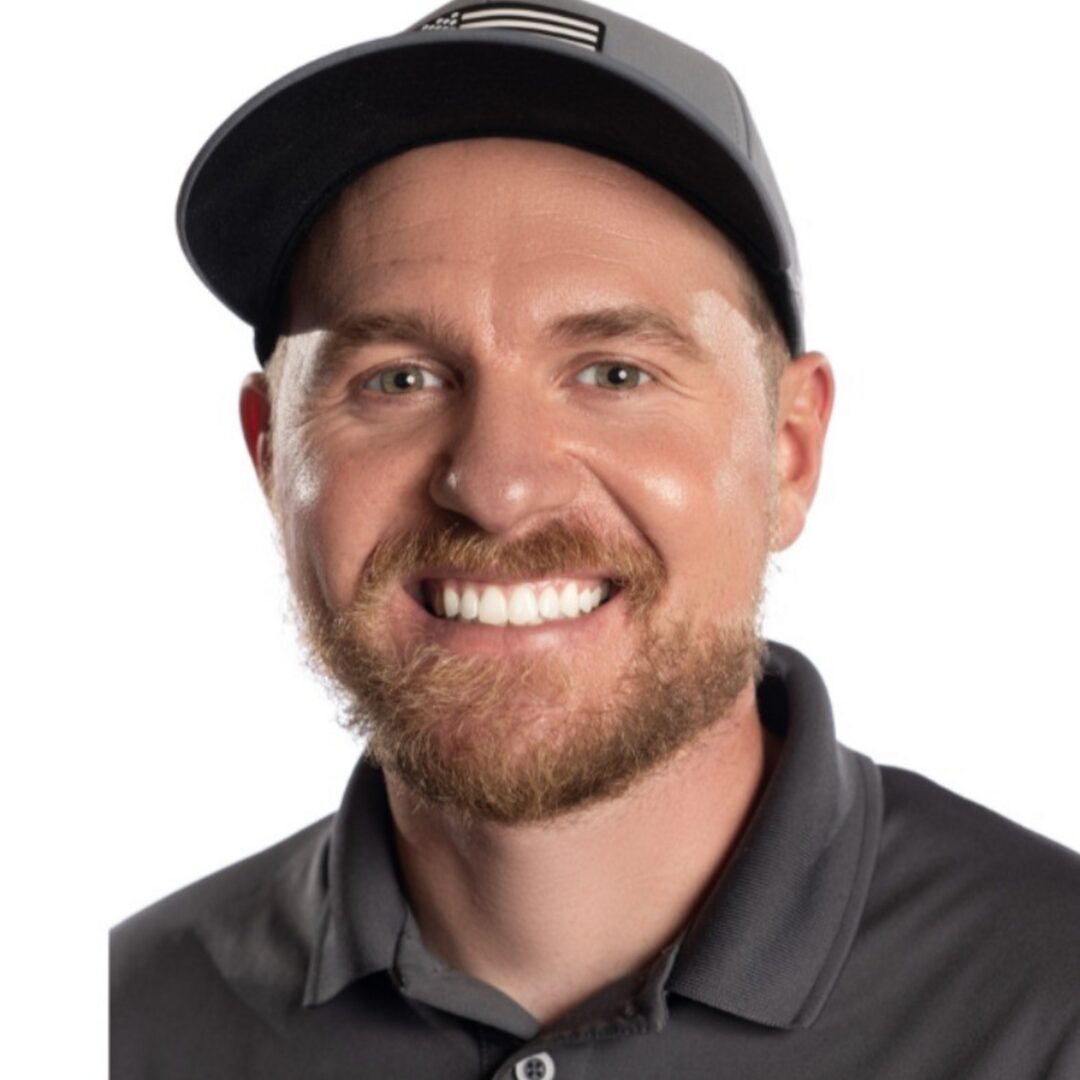
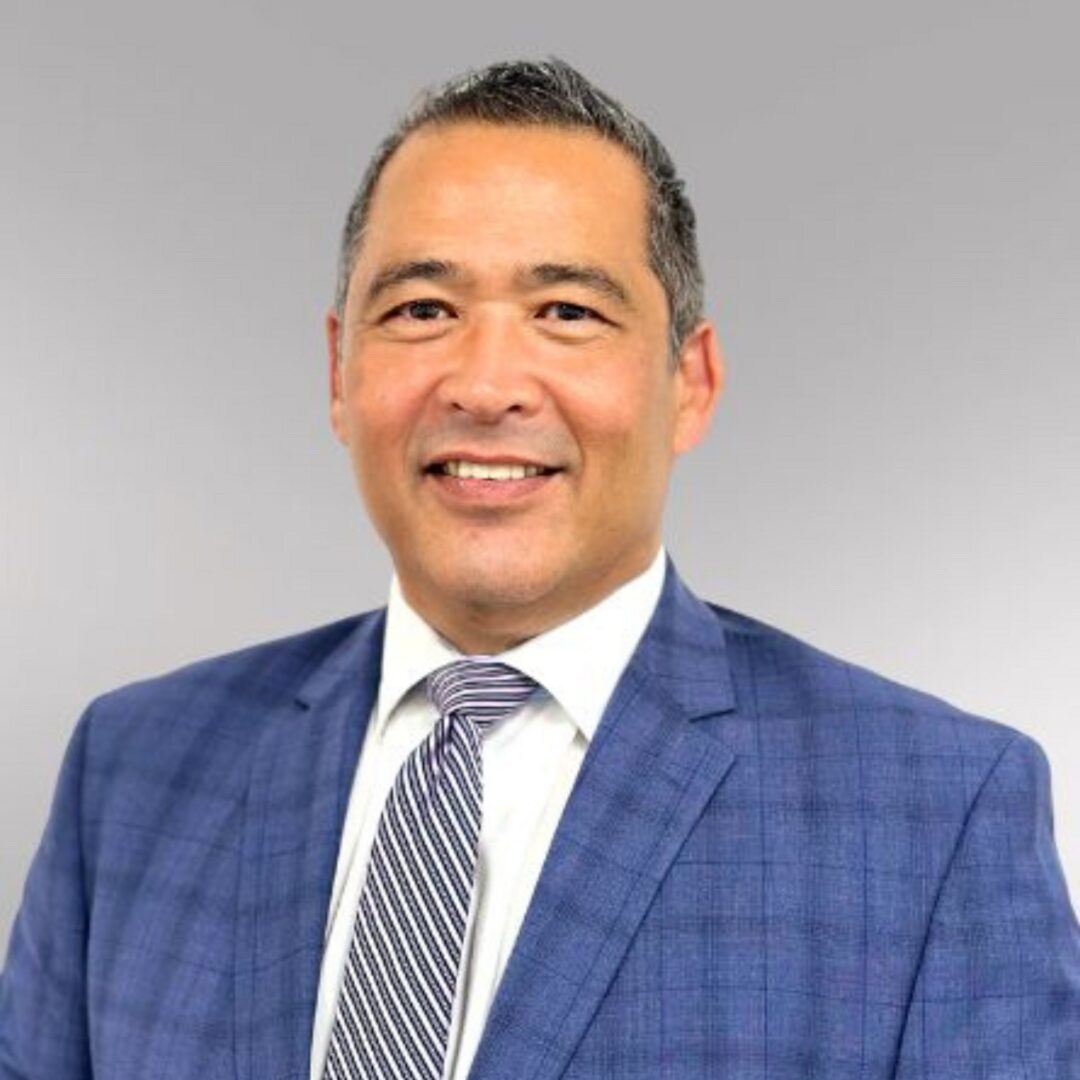
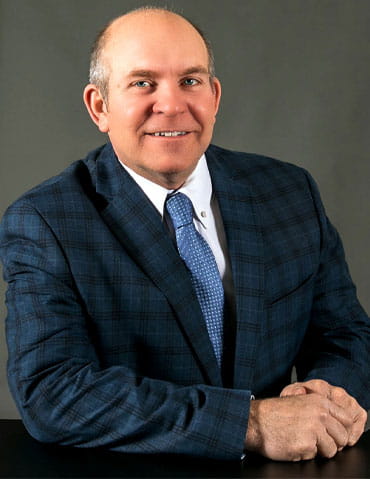
Welcome back to the show, my fellow extraordinary Americans. Today’s guest is Neil Twa. Neil is an entrepreneur, investor, speaker, and author. He’s the CEO and co-founder of Voltage Holdings, a company specializing in launching, consulting, selling, and acquiring brands, with a focus on e-commerce channels, including Amazon, FBA, and multichannel.
He has over 15 years of experience selling private-label products on Amazon and through his own company. For over 17 years, he has been building businesses both online and offline since leaving his senior IBM role.
Since 2012, he has launched over five personal brands, generated tens of millions in revenue as an eight-figure seller, and assisted in the growth of thousands of others through consulting, coaching, and mentoring. Alongside partner Reed and their Voltage team, Neil, together with Reed Larson, published a new book titled Almost Automated Income with FBA. Build a profitable lifestyle-driven Amazon Business and exit for millions, even without any e-commerce experience.
The book is a groundbreaking guide that has swiftly claimed the number one spot among newly released books. His manual is the key to building a lucrative, lifestyle-driven Amazon business, expertly guided by Neil and Larson through the intricacies of Amazon FBA, and offers invaluable insights and strategies to pave the way for a profitable venture.
He’s an extraordinary American, and I’m glad to have him on the show. Neil, thank you so much for taking the time to be here.
Neil
Thank you for having me on. It’s a pleasure to be here.
Cosmos
Neil, could you tell me a little more about your story, background, and how you got started? Because it’s an extraordinary story, you know.
Neil
Yes, I’ll try not to bore anyone by making it too long, but to sum it up, I’ve been in business for myself for about 18 years now. I burned the boats and left my IBM career. It was a two-year roll-up into the position, during which I finally decided that it was time to move on.
It just so happened that the timing was good because IBM said, ‘Well, we’re changing your division; we’re moving you to Argentina.’ If you want to retire early, you can do that by moving to Argentina or finding a new job. And I said, ‘Early retirement, it is.’ So, I set off into a series of businesses and opportunities that shifted and pivoted to a position where I found myself drawn beyond just digital marketing, mobile marketing, and affiliate marketing that I was doing into the physical product world.
The combination of digital and physical felt more comprehensive and business-like. I felt like I was transitioning from an entrepreneurial lifestyle to a business lifestyle focused on building brands and companies.
And so, when I combined those two, it became really fun. That’s when I met Reed. We’ve had a great time launching a wide range of physical products over the last 12-plus years. We currently have 12 different brands operating in the market, and we’re acquiring additional brands.
So, I didn’t get started in this. I dropped out of college to pursue online opportunities. I didn’t even want to go to college. I was in a fallback position because I actually wanted to be a fighter pilot. I was headed for the training, having basically completed the first phase, and then entered the cockpit. And because I’m too tall from the waist up and with the helmet on, they couldn’t close the F-16E cockpit. So, they’re like, ‘ Sorry, you’re out. ‘ I was like, well, that sucks.
So, my fallback was to attend college. And three years into that, I had a music scholarship and degree, and I was thinking about computer science and trying that out. And then the Internet came online, which really reshaped my entire thought process.
I want to be part of that. But in the academic world, they had nothing for me. We were just setting up computer labs. Like this was just getting started. And I didn’t want to be in the tech component. Many of my friends ended up there, which is great. Many of them became software engineers and are working on various projects. However, I was particularly interested in exploring the business opportunities.
And so, I jumped out and just went into the workforce out of luck, I think, or just timing or happenstance. I ended up in a sprint PC right when the first mobile phones were launching and got employed by them. That company grew from approximately 5,000 employees to 80,000 employees in just five years. Got to watch that from the inside. And then IBM came in and hired me away from that to do for IBM what I was doing successfully at Sprint.
And so, it was a fun career, but I never wanted to do that either. I’ve always aspired to be an entrepreneur or business owner. I just took those steps to get to where I am now. However, it’s been a long process to narrow it down to what I’m most passionate about, where I have the most fun, and enjoy it, so that I kind of wake up going, ‘ Well, this is my life. ‘ I get to do this, which is so cool. And that’s just about building and launching those physical products. All kinds of new physical products, right?
Cosmos
So, Neil, one thing I want to understand is, like, you left IBM, right? Many people would be comfortable with a high-paying job, as it is a sign of respect and the associated benefits. But then you left that and started your business.
What was the motivational factor that convinced you to do so?
Neil
There were two catalysts, actually. Three. The first, and most important, was that I never wanted to be in the corporate world in the first place. It was simply a means to an end. It was a step in the process of the Internet growing up, technology evolving, and me simply following the money to get involved at different levels.
So, I just moved in fluidity, a daft or die, if you will, just into the process of learning where the Internet was going. It advanced extremely quickly during the years I was involved, particularly in the corporations that were spending the most money.
So, I got to see it from the inside out. So, I was never really wanting to be an employee in the first place. So, I was always looking for an out. That was one, right? The second one was my mentor, who was my uncle and someone I would consider my rich dad. My other dad, who is an amazing guy, is 83 years old. He was a hardworking individual who, despite not finishing high school, joined the Navy. God bless him; he’s an amazing man. He taught me about the importance of hard work and the value of perseverance in life.
However, he didn’t teach me about finances, money, or similar topics. But my uncle was somebody who knew about that. He was more entrepreneurial, having started a boat company and always encouraging me to do something for myself. He knew that it was in me, and he just kind of mentored me through that.
And unfortunately, he died a couple of years before I left IBM. That was one of the motivations for my departure. I should have done something sooner, so I had some time to spend with him. And for the two years after he died, I was like, man, I have to do something, it just has to happen. And then when IBM was crossing that point, I’m like, this is it. The third thing was that, in the end, I am really unsettled. I’m never satisfied with the current status quo. I just can’t sit still.
Call it ADHD, call it drive, call it whatever – call it ambition. I don’t have that kind of goal; I just need to make a thousand millionaires, not a billionaire. I have a drive to continue, to pursue, to advance, to learn, to grow, and to challenge myself to do the things I can while I’m here, and to enjoy the fun in life. I’m always unsettled by the way things are. And I believe they can always be improved in some way, shape, or form. And that includes me.
Cosmos
So, Neil, the reason I asked this question is actually quite interesting, because there’s a concept called the comfort zone, right? Like where people have comfortable, high-paying jobs and everything they need.
And normally, a lot of people become really successful out of necessity, where they had to build a business, and then it was their drive. However, when people reach a comfort zone where they’re neither on one side nor the other, they become complacent.
However, the key is that you had something within you that drove you to push beyond your comfort zone and create a truly successful business. That’s something I find really interesting.
Neil
I’m not sure how to convey that to others. As a coach and mentor who has spoken with thousands of people, I’ve found that it ultimately comes down to some individuals having it and others not. I’m not sure how to phrase it any differently. Some people can adapt over time, often through a longer period, with more failures than others are willing to accept.
So, I was willing to accept more failure than others would be willing to try, which is why. I would take on challenges or risk failing big. And I have failed big. There are numerous failures in this room. It’s piled to the ceiling with failures, right, including bankruptcy. I’ve done things that have taken me as far as possible without landing me in prison. Legally, I don’t have a criminal record, just for the record.
However, the result is that I’m willing to push the boundaries and keep going. And I don’t know that everybody has that kind of tenacity, that fortitude, that willingness to risk things first for the possibility of reward.
Cosmos
That’s what I’m trying to get from you, is that normally people have to burn their ships completely, or they reach, on a psychological level, what is.
Neil
Called experience, where they do some change, some catalyst, right? And I’ve had multiple catalysts. I’ve restarted my life twice. I ended up in a terrible divorce, which was half my fault, I know that for sure. And that caused me to restart my life.
And then I ended up getting married, having children, and getting involved in a business deal that went terribly wrong, ultimately leading to bankruptcy and forcing me to start anew. I’ve had multiple attempts at figuring out who I am, how to make money, how to do things, and how to empower not just myself, but also others, which has changed my life. And I will tell you that without those risks, there is no experience. Without the experience of both failure and success, there’s no wisdom.
And I think everybody wants to jump right from the idea of a guarantee to wisdom, and nobody wants the experience. I’m all for the experience. And I think if people are willing to try that experience without the belief that there’s a guaranteed outcome on any step in the process, then they will have so much more opportunity to be fruitful in their lives, to have the, relationships maybe they could get that they don’t want now because they’re not looking for it and then it just shows up. Or the businesses they want to acquire, they seek financial opportunities and freedom, knowing they have to work for it.
But it’s going to be a bigger reward than just sitting down at a desk for eight hours a day and then going home in the dark and waking up in the dark and all that crap that I used to do that just literally depressed me and ended up making me 100 pounds overweight, a horrible person in life because I was mean and angry. I cost a marriage because all the wrong things just drove that guy. Everything must be questioned in terms of its purpose or value.
Even if everybody says, ‘This is the most profitable thing,’ Hey, dude, I have the most amazing idea on a patent that no one’s ever going to hear about. I have some really cool things that the world will never know about because they never made it to market.
And the vanity side of you wants to say, well, that should have happened. Why didn’t that happen? I can’t believe what I did. And you can beat yourself up, and you can go, and the other half of you should actually say, well, that was a learning lesson, I won’t do that again. I’m going to try something different and see if it works. I’m going to get back on that bike and keep riding until I take the training wheels off and figure out how to make it go. And I think many people aren’t even willing to get on the bike.
Cosmos
Yeah, so it’s one of those fascinating things, like when people are in a certain Stage, like, without having these hard experiences or adversities. It’s almost like there’s a law known as the law of the barrier, right? Just like going to the gym, you need to lift a certain amount of weight to get stronger.
However, it seems that to reach a higher level in entrepreneurship or any other aspect of life, you must go through some sort of adversity or experience a catalyst. But my question is essentially this: is there a way to get it without having to go through those channels? Crazy experiences? Or is it something that can be taught?
Neil
Neil, no, absolutely it can. As we discussed at the beginning, I’ve taught over a thousand people to achieve success. One of my students is currently exiting a $29 million deal after five years in business, having gone from zero to exit. Therefore, there is an opportunity to complete it much faster under more efficient processes. I now have a team around me. I have checks and balances.
My partner for 12 years is the other half of my brain. He rounds out me, who wants to jump off the bridge with no parachute. He’s now figured out that I jump with you, but I’ve got the backpack. And so we’ve been able to figure out how to do this together, which creates structure, right? I would be somewhat unstructured without them. My wife of 18 years bears a strong resemblance to him. She’s a very different personality. She’s literally my opposite. She has different structures. The way she thinks things, makes lists, and does things. And some of that feels extremely confining to me. And for her, it’s very comfortable.
And I think what you have to do is look for that balance in people that are around you, and then build a team or a situation that balances out those challenges. And then you have to be willing to listen to them. You may have the greatest idea in the world, and you bring it to them, and they poo poo all over it. And you’re like, oh, man, that sucks. And they tell you the reasons why they think it’s not great. And if you’re willing to listen, you’d be like, ‘ You know what? ‘ I didn’t think about it that way.
So as you gain and you grow, it’s possible to be in a community of the five people who are doing the thing you want to do, so that you can learn how to replicate it. The simple phrase would be, well, if they can do it, so can I. But if you’re not in that community, if you can’t get in that community, if you can’t ethically get in yourself into it. If you can’t buy your way into it, you’ll miss out.
For us, it’s a community of high-income earners who utilize products and businesses with established processes, technology, and software. We have the people, the infrastructure, and the repeatability of the business scale. And if anyone works with me, they will gain access to that knowledge and information. It’s going to accelerate them with 18 years of information, plus my partner’s life experience. And with that, you can enhance and grow. However, the end of it is that you are still in 100% control of yourself. You’re still in 100% control of your business.
You still have to own your time, energy, attention and money to show up, do the work, put the money in that’s necessary, overcome your own objections, your own fears, get past the idea that anything in life is guaranteed that should be handed to you, or that because you pay money, someone else is guaranteed to do something for you. You have to take ownership. This is one of the most important things I constantly instill in my girls.
And the first rule in our house is control the controllables, right? Only control the things you can control. You can’t control other people. Don’t try. You can control yourself. If you don’t like the way they react to you, you can control your own reaction. If you don’t like the way somebody does something to you, you can control yourself. You can ultimately control your outcome. Regardless of who you work with, whether you hire them or they agree to work with you, the result is that you still need that personal accountability. I constantly see this projection: if someone wants to work with you, you’re expected to give them all these things.
And if not, then they won’t be successful. Well, that’s the wrong attitude from the very beginning. If you don’t have the right attitude, it will fail. And that’s when your opportunity begins at the end of your excuses. And so many people forget that they can control what is hard in life. You can choose your hard, right? I’ve chosen my hard. It’s harder to be poor, it’s harder to go bankrupt, it’s harder to watch things fail. Sometimes it’s harder to succeed because many people are actually afraid of change, right? If you’re afraid of the change, then you’re afraid of the opportunity. If you’re not willing to adapt and pivot in your approach to business, work, and life, then you need to figure it out. You’re not going to change.
Here are the most common objections I hear frequently. Well, Neil, you don’t understand. I’m in my mid-40s. I have a house, a mortgage, and a wife. Dude, how do you think I don’t understand that, man? I went bankrupt just as I was starting a family with my wife and four kids. The fourth one was m. My wife was pregnant with her, and we had to go to bankruptcy court. Do you think I don’t understand this? Really? What you’re telling me is you’re not willing to do what’s required to change your life.
So get back to me when you figure that out, right? The change has to come from the person, okay? We sold the house we built, thinking we’d live in it forever. We got rid of the cars that were a financial burden to us. We stretched our time financially to give us the time required to figure out how to get it done.
And the second thing I tell my girls —and people need to hear this —is that it matters tremendously who you marry. In fact, it’s probably the biggest decision you’ll ever make in your life. I have gone through two marriages. One is gone and dead, thankfully, thank God. The Other one, with 18 years now, is a partner who sees me for who I am and allows me to be that person. It doesn’t try to change me, manipulate me, or alter how I conduct my business or do things. She simply enables me as a helper in my life to do the things that are necessary and gives me the freedom to do whatever’s required to get it done. I trust you. You got this. I’ll handle the household. You do whatever you need to do to take care of things. She doesn’t get in the way of that. She wants to hear about things. We talk about it. In fact, we go on a four-mile walk every day to discuss life together, what we’re doing, what’s happening in the business, and everything else. But then she doesn’t get involved in it. He steps out. And that’s a tremendous support for my ability to do what I do.
Cosmos
Neil, I would like to ask you about this because it’s really fascinating. One thing I wanted to ask, as you mentioned, is about your experience with bankruptcy.
And then, there were some hardships. So, from your perspective, how did you rebound from that to the success you have right now? Like, what was your method and process of thinking over where you went from this low point to the high point that you are at right now?
Neil
Well, here’s the thing, right? Without any experience, you don’t develop proper coping mechanisms. Okay? So, if you’re afraid to deal with the experience, then what you really have is an inability to cope with the outcome, whether good or bad. There’s a book by Susan Jeffries called Feel the Fear and Do It Anyway. Okay?
In that time, between first life after marriage and having to rebound from that and build myself back up and come back from a total financial devastation, now by myself, without family and friends to support me, I had to learn better coping mechanisms. I got on a treadmill, and I started riding my bike. I started listening to the Bible while I was going. I began to refocus my mind and retrain my thoughts away from the things that were bringing me down. I learned to adapt to that challenge and developed better coping mechanisms. By the time I faced additional struggles in business, I had developed better ways to protect my mind, body, and the structure of the family or situation I had created.
By the time we got to the business bankruptcy, I had realized the things I hadn’t seen, the things I wasn’t willing to look at, and the things that I had to change. And the person that I knew I was was still fundamentally in there as a part of all of those things. As it went through that process, I knew I had to ride the outcome, all right? I just had to ride the outcome. And what I wasn’t going to do was take on the things, control the controllables that were not mine, that I didn’t own. But. And I also wasn’t going to become a victim of those things. Right?
The idea of becoming a victim is essentially to create what’s called commiseration. A commiseration is to find others who will share your sorrow. And I am simply not willing to do that. Right? I keep my negativity, my concerns, and my feelings of animosity, challenges, anger, frustrations, or hurt, anything that might sound or act like a victim, to myself. And from here, I take it straight up, okay? And I don’t take it out. I don’t share it with my wife or anyone else. It stays here, and it goes up with that control and coping mechanism. I was able to then come back out with no depression and no anxiety, but just a fortitude that I was going to double down to provide for my family. I was going to do what it took to put things right and make them right through that bankruptcy. And I put a plan of action in place, and I knew exactly what I was going to do, and I knew how I was going to get there.
So we show up at this Tulsa County courthouse with my pregnant wife, who’s like eight months pregnant, with 20 other poor souls standing in a dank basement, waiting for our bankruptcy judge. We open the doors and go in, and all these people file in, and they assign us one of these seats at a white folding table that’s set with partitions all aligned inside this room. Not a courthouse, just a giant open area.
And he’s like, well, there’s your guy over there. Sit with him. And that was my judge in my bankruptcy case. And I see where you’re at in life. I see where you’re going, and I want to help you out. And he literally stroked a pen and wrote off our debt. He didn’t have to do that, okay? He zeroed it out.
So we came out of there with no debt, but no credit, no money. Because I had a screenshot from my Arva’s bank account, which I keep on my phone as a very humble reminder of where we came from. A$567 was all we had in our name when we finished the bankruptcy, including the money and all the challenges, right? And then I just went to work. I tried to get jobs. I did the necessary things, and I simply did not let that define who I am. Because the world was looking at me nastily. I had friends and family who were criticizing me. Get a job, you idiot. Right?
I had all those things pounding down on me, right? I had friends who decided they didn’t want to be around us anymore because they thought we were a liability. I had a family that was nothing but criticizing me for what we were doing.
And so I had to pull back from them, kind of, because it was toxic. And I had to remove some of those relationships temporarily. Some of them have been restored, while others have not. And somewhat that’s okay.
And for that, I did not let that define me. I simply got to work. I looked for opportunities. That’s when I actually discovered Amazon, because I was on a Facebook feed, and my friend had said, ‘ Hey, I’m selling products on FBA, and you guys can flip some products. ‘ And I’ll show you how to do it. And I’m like, dude, I’m in. Like, let me. Please tell me what we’re doing. I want to figure this out. And he showed me some of the stuff he was doing, and I was kind of like, hey, I get that. And so my first gig to start restarting my life was flipping products on Amazon.
Cosmos
Wow, Neil, this is amazing. And I want the audience to know that no matter where you are in life, and even if you’re going through hard times, there are no coping mechanisms.
And it’s going to be the right coping mechanisms, the way you deal with it, and the way you perceive life around you that can either make you or break you. And in your case, obviously, you had a coping mechanism, and the way you went about it was a positive thing, and that’s what led you to such massive success. So, it’s really inspiring, Neil.
Neil
But at the end of the day, I will tell you in point blank, what I did was nothing compared to what God did for me in that moment. He broke me down. He allowed me to see that what I was doing was not good enough, that my efforts were failing, and that if I simply gave it to him, he would show me something more powerful, more amazing.
And I did. I literally said, Okay, that’s it. I’m done. I give it to you. I will do whatever’s necessary. You just show me where to go and I’ll do it. And I gave it up. And some really cool things happened after that. For example, we needed $1,865 in change to make our next month’s bills. I had four children. We had to pay for things.
I needed to get food. That didn’t include the car payment because they eventually came and repossessed the car out of the garage one night, which was really sad. I took all the kids’ car seats and everything, and then I just took the car away.
We met a lady at the depot who was super nice. She said, ‘I can’t really let you get access to the car, but I’ll give you five minutes.’ I’ll turn my back. So, my dad and I ran in and grabbed the car seats and everything. We could get out of the car and take it out. My dad helped me do that. And this really nice little lady was just like, I’ll turn my back for five minutes. I’m not supposed to do this.
So, we grabbed all our stuff. These little things added up, right? And somehow, that 1865 came in. I don’t even remember how it came in the next month. We paid our bills, and things started to fall into place slowly. Right. We had to visit social services for a little while. I’m not proud to say it, but I know it’s there to give people a hand up. And I got off of it as fast as I could. I didn’t want to be on it. This whole thing was a humbling experience to the 10th degree. Right.
We went from high-income earners; she was a yes. I was on my way to becoming a nurse practitioner. And I was earning a great income from my job, only to see it disappear into bankruptcy, and then start all over again on social services. That was pretty humiliating and very humbling. Right. But it was always something I saw as just a stepping stone on the future path. I always look forward. I have a big vision and a big idea about things. It doesn’t always align with everybody’s expectations, and that’s okay. But I never saw us being there. I saw us being over here. I just didn’t know how we were going to get there, or when it would happen.
And I think the biggest thing for people to consider when listening to this is that when we set expectations of a timeline, we also set restrictions. When we impose time requirements on activities, we restrict the opportunities. And with that, I just said no matter what, I’m going to give it as much time as possible to allow this to occur. Right.
So, it took me a lot longer to get where I am than it would have taken others who are more savvy or have had similar experiences that can make it happen. I just personally found my way through the physical products. I loved the combination of digital marketplaces, including Amazon, Shopify, TikTok, and others.
And I’ve just established a connection with a physical product. Perhaps because I’m a Gen Xer, and we grew up with products, not the Internet, in the digital world. Maybe I have more of that in me than others do, but I’m not sure. However, the result is that it just makes more sense to me to have a physical product that I can sell alongside a digital storefront.
And with that combination, it’s just a lot of fun. I get to have fun in business now. It’s just wild. We have a process, technology, and repeatable standard operating procedures. And I have operators now who we trained. I don’t have any employees. I have operators who have built successful companies and partner with me to run my businesses, earning a percentage of the profits in return. I have five very, very strong operators who run our companies. Right.
We now have the 12 brands we control, which are internally owned. We conduct this business daily, weekly, and monthly. Additionally, I have another 12 that are directly under the control of my operators. And we’re completing our first acquisition under our Patriot Growth Capital PE Group, which is a veteran backed, veteran funded, veteran run initiative in which we’ll be the operators of these companies partnered with our PE group so that we can bring veterans into the businesses and hire them, train them up, maybe even get them an opportunity to buy the company away from us. And we’ve kissed about 500 companies. We’ve made our first LOI and are closing the books this Friday on an approximately $8 million deal with that first company.
Cosmos
Well, Neil, this is truly inspiring and amazing, and I have so many questions I’d like to ask you. Still, one of the things I wanted to know is that many people believe they need to have a college degree to be successful, or they need to go through the traditional channels of obtaining a degree, such as an MBA, to achieve financial success.
So my question to you is, how did you manage to create such a successful online business? Millions. Right. But with no college, experience, or formal training altogether?
Neil
Well, I was 30 hours shy of earning a business management degree. So what ended up happening was that at IBM, they’re like, hey, you got free tuition. You can return to the University of Phoenix if you wish and attempt to complete your degree.
So I did for a semester. However, I was managing a multimillion-dollar project with a team of people in a software technology knowledge management project. Very large, managing the people, budgets, and everything else. I ended up in a 400-level class where I was asked to write a paper on business management.
So I did. But then the professor took the paper and said, Hey, this is an F. And I’m like, How is this an F? He’s like, It doesn’t match the academic standards of the book. You need to match those standards. And I said, but those standards of the book don’t match what I’m doing in the real world right now, every day of my job. He says, I don’t care. You write to the standards of the book, or I’m going to give you an F. I’m giving you a chance to rewrite the paper. I thought, ‘Well, I’m not rewriting the paper because I would be lying.’
So we got into this, and then it turned into a little Mexican standoff. And I was like, well, dang, this is how the rest of this is going to go. I’m out. This is stupid, not doing this. So, I ended up stopping and never finished the degree because it no longer aligned with the current market conditions of that time, which were changing rapidly. Today, those in college will find that by the time they graduate, they may be out of a job, obsolete. Their skills and current projects are already obsolete. It’s very unpopular what I’m about to say, and it’s going to be hard for someone on this call to hear it, especially if they’re in the middle of a degree. There will be very few degrees that actually translate into real-world work in the future. They certainly won’t translate into businesses anymore. Most corporations no longer need your degrees. They need your experience. Okay?
They need to know that you have the tactical ability to keep up with today’s market conditions, including AI changes, software, technology, and everything in between. If you are not on that track, you’re already behind in understanding what’s happening in real time. You are already behind. And if you’re learning academic standards that do not match with corporate or business standards of today, you’re going to have to learn them, which means you need to be willing to be retrained away from whatever you learned.
And you’re going to be in a lot of debt when you do it, too. Okay? The argument of starting a business debt versus having debt in college, well, I’ll tell you, business loans are way cheaper, way cheaper money than trying to get a scholarship or a loan for your education, which is a compounding number. You can also look on the Internet to find out how much your college tuition payments will cost you over the next 30 years. Because more than likely, like we found out with my wife’s college loans, you’ll never pay them off. The interest will compound faster than your ability to pay it off. You will go 20 years, like we did, and find out that the $25,000 loan she has left still has $22,000 outstanding on it. How is that even possible?
So when you do the numbers, you realize that this is just a scam. Many people have bought into that idea. The money that would have been invested in the market or used to build a business would have given you tremendous returns. There are tremendous financial opportunities to get out into the world and start making money now on the technology, the opportunities, and the businesses that are out there. Then, spending four years pursuing a degree or trying to get an MBA becomes irrelevant. I’m not hiring MBAs, right?
I don’t know anybody in my corporate world, that is. And I know many successful individuals who make a lot of money and own numerous companies, yet they are not hiring MBAs. They’re not; they don’t care about college graduates. They want the 20-somethings and 30-somethings who have the ability, knowledge, aptitude, and willingness to learn what’s going on right now and adapt it to current processes, opportunities, and revenue-generating opportunities within their companies. And more often than not, the 40- and 50-somethings, entrenched in their business degrees and MBAs, do not qualify for that.
Cosmos
Yes, there’s a lot to it, because it’s really remarkable, considering how people can accumulate hundreds of thousands of dollars in student debt, ranging from tens of thousands to hundreds of thousands, in the shortest time.
However, in the end, the degrees they have, other than STEM majors, don’t really help them in the current changing business conditions or the current market conditions, and that’s a hard pill to swallow, dramatically.
Neil
I think what ends up being the situation with people who are like, okay, Neil, that’s all easy for you to say, you didn’t have any debt, you dropped out of college, blah, blah, blah, blah. No, we’re still riding the loans from my wife’s BSN. We’re leaving those to run for as long as they can, since I have no intention of paying them off any sooner than necessary.
But they’re still out there. And the result is they didn’t even give her the benefit of the degree because she no longer does it. And I can tell you that many of my friends ended up with degrees they never used. They only got them to try to get the job so they could relearn the work they’re doing now. And in most cases, they’re not doing anything related to the degree they got. And yet they have the debt, and they have wasted a considerable amount of time, and most of them do not like it. Why is it that most people running the largest corporations that you and I can name here right now do not have a college degree? I’ve noticed that, okay, why is that? It is literally the ability to possess tenacity, fortitude, perseverance, and a willingness to learn, rather than relying on someone else’s tenacity, perseverance, curriculum, or other resources to train them up. One is more of a victim. I know it’s hard for people to hear this. One is more of a victim and secondary leader, while the other is more of a primary leader, taking accountability for their own education and opportunities.
It’s literally what it gets down to. All right. I’m not saying the degree is the ultimate negative. And I am pro-education, to be very clear. I’m pro-education for the right reasons, which puts me on the right track for the right outcome. My daughters are not going to college. Why? They can be taught everything they need to know to earn more in a month than many people earn in a year, all without attending college.
Cosmos
Yeah, it’s really fascinating because it’s so true. Right. However, people are still stuck in the old model, and we need to shift our thinking. And it’s one of the major reasons why I started exploring America, because the traditional system is no longer working. The world is.
Neil
Oh, it’s changed. Right. Has anybody been paying attention for the last year? I mean, it has changed dramatically, and it’s about to double down on how fast it’s going to change in the next two years. I’m a huge proponent of that. Everything we’re shifting is the amount of money we’re deploying into the market, because, in the big picture, that’s Right. If I open my little crystal ball and peer into it, my experience tells me we’re about to see a radical shift that’s going to make the second version of the Internet look like grandma’s plaything. This is like nothing you’ve ever seen before.
It’s nothing. It’s great. Grandpa’s kind of stuff moving into like the future, like Star Trek. I mean, we’re about to go into AI. That’s AGI. Right. We’re on the cusp of a world of automation and controls that will unleash mass marketing opportunities at a pace that’s faster than anyone imagined. We’re on the verge of seeing trillions of dollars invested in American manufacturing, which will ultimately be driven by the entrepreneurial spirit, rather than the employees themselves.
Why are they getting laid off by the tens of thousands? And if you think that isn’t going to happen or won’t happen in the next year, you’re not paying attention. If you’re in a corporate job and you have it. You think you’re not vulnerable to AI or systems of that AI? You are lying to yourself, and you’re simply not willing to make a change now. And you’re going to be victimized by the system. Literally. Not popular to say that, I’m sure. And somebody listening to this might disagree with me, and that’s fine. However, one thing is certain: I’ll be here next year.
Cosmos
Yeah, I mean, if we get to this conversation about AI and how it’s changing the world, like, I’ve had that with several guests. It’s just wild and fascinating, with a lot to explore.
But I wanted to ask you something about Amazon, Neil.
So, you know, like, some people spend, they try to sell products on Amazon, some make hundreds, others make thousands. How do you scale to millions? Is there a particular strategy for scaling and developing a company built around selling those products? Audits.
Neil
So really, at the end of the day, when you look at the systems that are along the lines of Amazon, TikTok, Facebook, the algorithms of Instagram and stuff that run the information superhighway, that’s about to go quantum, okay? Because we are all somewhat aware of this, but most people don’t fully understand it. Really. I barely get it.
I was working on human-machine language learning and artificial intelligence at IBM 25 years ago, yet I still don’t fully grasp the concept of quantum computing. But I do understand that it is about 10,000 times faster than anything we can probably comprehend right now. With these systems coming online and the current technologies we use to reach people in a few seconds on their mobile phones, the ability to disseminate information has gone from hours to minutes to seconds to milliseconds. Now.
And with that, most people don’t comprehend the amount of information moving online. Right? They don’t understand that systems like Amazon can process 6,000 units a minute on average, and during peak times, they can reach 9,000 to 10,000 units a second. The ability to go viral, to reach millions of people with your videos and information, is now a process that can be repeated and turned into an opportunity, whether it’s information-wise or product-wise. They don’t seem to understand the systems that are in place and the number of people and information you can access.
So when you look at scaling on a business like ours today, it isn’t about the units of the product itself. It’s about my ability to sell the data to an AI engine. Okay? The product is actually secondary. Most people want to invert this relationship. And in their heads, they’re thinking, well, if you sell physical products, it’s all about the product.
Actually, it’s not. That’s actually the second consideration for us. It is about our ability to sell the product to an AI engine that believes we offer better value. Then it helps us position an audience that already knows they have a need, demand, and intent for that product, and simply get them to believe that we’re the better product.
Okay, when the product shows up at your house two days later or sooner, as long as it’s not broken, it’s a letdown. It’s a crappy product that does what you expect it to do. You’ll keep the product, possibly leave a positive review, and the cycle will complete itself. But that system does that for me, okay? I don’t have to do that. It delivers the product, handles returns, ships, and warehouses the entire product.
So, it’s my job to ensure that the AI engine powering the entire system identifies me as the superior version of the product, competing with the other product already on the market. So, it’s a matter of ensuring the engine truly understands the value of my product, enabling it to effectively reach a broader audience and drive greater, faster growth over time. 1, 2, 3 years. Every product launch has a 1-, 2-, or 3-year cycle. Amazon, for example, can achieve about 5% of that market share in its first year. That jumps to 20% in year two and up to 40% in year three.
So there’s an engine that starts up when my product goes live for the first time, and its data set goes live, where in years one, two, and three, I can advance my market share through that product by giving it perceived value that’s better than others in the system and then feeding that beast more and more product.
Because when we give it more and more product and it gets checked into Amazon’s warehouses, their algorithm goes, ‘ Hey, you can sell a whole lot more of this product. ‘ And by the way, there are millions of people we know who want your product. We’ll connect them to your product to see if they’re interested in purchasing more. It’s now simply a data-driven process. This process involves defining which products go into the pipeline based on their status as green, yellow, or red. In our data set, Green light products have a high profitability. They roll up profitability into a minimum 20% net profit in our business. Every product that launches must meet our high demand and profitability requirements; otherwise, we don’t launch it. The other thing is that we’re moving away from those cheap, Chinese, crappy products. We call the CCCP level the mosh pit of products on the interwebs.
And we move into the brand-to-brand competition. Okay, it’s very different than what you hear most sellers talking about. It’s a higher barrier to entry, but it’s also a much larger opportunity than most people can comprehend. Okay, it does take more capital, time, energy, and attention to do it. However, this move shifts us from competing with Chinese manufacturers to brand-to-brand competition. And with that, we are now setting price points. Between $ 50 and $500 in retail price point, right. We average between $100 $500 on our products. Our profitability is typically between $12 $150 in profit per unit. Gives us marketing. You can’t run your business on a gut feel.
So we run by the numbers on our marketing, data, and analytics. When the engine responds positively, we feed it more data, okay. Once they convert, it will start to rank us higher and higher in the engine. And, of course, we use pay-per-click marketing to help enhance the organic traffic we can generate from Amazon. In simple terms, we use Amazon as an incubator. I analyze the data in that product, which accounts for 49% of E-commerce sales in the United States. There’s a lot of traffic, a lot of people, and 5 billion impressions a month.
And I go in there and find out if people want my product. And then I adapt my product. But I don’t marry my product because it’s simply data, data backed by a physical product. And I test that market to find out what they want. And then I pivot through that product variation, shape, size, color, until I discover the 1, 2, 3, 5, 10, 100 SKUs that match exactly what the customers want from me. And out of that growth will come scale. I simply give them more of the same product, but with different packaging.
And so somebody comes in, they want the red one, they’re like, oh, that’s great. Oh, wait, but there’s actually a black extra-large one. I might like that. Well, hey, I’ll get the yellow one too. And so we simply widen our brand, which takes us from building to optimizing and then optimizing to scaling, all within five years. We have a goal that every brand we launch reaches 5 million in five years. That’s the target for every brand. Why? Because we’ll have more than a million in EBITDA, and that becomes a very saleable business. It’s an asset-building strategy, right?
Cosmos
So, Neil, if someone watching this wants to start selling Amazon products but has no experience, they want to become like you. What advice would you give to that person, especially if they’re just starting?
Neil
So, at the end of the day, for folks who want to get started, be cautious of online courses and programs that promise to turn you into a seven-figure company for $5,000. That’s happened maybe once. I’ve watched in 12 years out of all the people I’ve taught, and it wasn’t me, by the way, and the ability to do that. It took us two and a half years to reach our first seven figures, right?
By 2013 and 2015, we had reached our first seven figures. In two years, we spent a lot more than $5,000 on that. Most people don’t want to accept that fact, but that is the truth nonetheless. I advise people that you typically need $50,000 to $100k to enter a physical product market with high profitability and high demand, to see the kind of opportunity you truly want in three to five years. The generational wealth, time freedom, and opportunity of an asset that can be sold for a substantial amount. I mentioned earlier, Daniel, who’s selling his company for a very large fee after five years, is going to clear out. That’s what he’s going to be when he’s done.
And that was definitely worth the amount of money, time, and effort he put into it. Therefore, we must be willing to do this for three to five years. Building something that lasts for three to five years as an asset, so you can live like nobody else can afterward. That’s part of the E myth. It’s a strategy we take to heart. Most people want three to five months or three to five minutes; they’re in desperate mode. Don’t build a business in desperation mode, okay? Additionally, please refrain from treating it as a side hustle or a hobby business. If you get involved in a business, no matter what it is —real estate, e-commerce software —it doesn’t matter. Treat it like a real business. Run it with a P and L, and also with an LLC. Run it separately from your personal finances. Treat it like a real business. Treat your money as an asset that is being deployed to generate more assets. Okay.
And that means it requires your time, energy, and attention to complete. I want most people to spend at least 15 to 20 hours a week on the process of building. If they can afford to spend more, they’ll likely complete certain activities more quickly. But make no mistake, all business and marketing is a series of activities that lead to sales. There are also a series of problems you have to solve. Sometimes you ask a big question that creates a lot of problems, but out of that comes an opportunity. However, most people need a plan and to take action. They usually need someone to help guide them through that process today. Right.
I would not recommend going it alone in a marketplace that now has higher complexity and a higher barrier to entry. All right? You will end up at the bottom of the competition, struggling to make a three- or five-dollar profit on each of your products. And you simply can’t afford to pay yourself, pay your taxes, or make it worthwhile.
So, in other words, you’re just working a job again. And I don’t want anybody who gets involved in a business to create a job for themselves. There’s so much more opportunity than that. Many people from the corporate world want to recreate jobs in their own businesses. This is not your opportunity. Your opportunity is to build a sustainable and scalable business that can thrive without you. Okay? You can sleep on that, and it will still make you money, okay? Where there is opportunity and upside potential, and it is a saleable asset. Everything you build from the beginning should be worth something in the end because it’s building. It’s literally worth more in the end than it was at any point during the business-building phase.
And you need to understand that’s how true businesses are built. So, suppose you’re investing in stocks, or looking at franchises, or considering buying a company, or wondering whether you can build or buy one. In that case, those are typically the people I speak with because they have a higher aptitude, a higher threshold, and a higher income. And you know, those who don’t have the money. I’m sorry, I didn’t have the money either.
And I couldn’t get involved in it before. When I started selling products on Amazon 12 years ago, it was an opportunity that’s no longer available. Amazon shuts those accounts down. Today, they’re only looking for private-label branded sellers. And that is one of the reasons why it has changed so dramatically. But there is still a huge upside. Okay? It’s huge. I’ve identified a path forward in the next year that I haven’t seen since 2013, offering a wealth of opportunities. Due to tariffs and other changes, the situation has resulted in 300,000 fewer sellers in the marketplace than there were earlier.
So, all of those new areas have opened up, and we’re trying to fill as many of them as we can, because there’s now a lot of opportunity. When others panicked about tariffs and made poor decisions, or simply lacked the experience and knowledge to weather the storm, they fell out of the market, which is now our opportunity. And for those who also get involved, it’s a tremendous opportunity to launch into the market and to see huge potential. There’s freedom in all of it. I mean, I homeschool my family now. My kids are doing their schoolwork. You may have heard a little about them during the call. I live on 55 acres in the country with my family. My in-laws are on one side, and my parents are on the other. We all hang out together all the time. And I’ve kind of built that lifestyle by design. And there is an opportunity for everybody to achieve that; it’s not easy, it’s not guaranteed, but it is incredibly rewarding.
Cosmos
So, Neil, I know you wrote a book, right? Like Almost with Income and FBA. Can you tell the audience a little bit more about this book and what it’s about?
Neil
Well, I call it Almost Automated Income, not Passive Income, because there’s nothing truly passive, like the bike you buy that can’t ride itself, and you can’t really hire somebody to ride your bike for you. That’s stupid. You should really be involved in its components. However, many things can be made passive.
So, with the Amazon system, by the way, it’s a miracle the thing even works. It’s so large and cumbersome at times that it feels like a system of automation with products that are moving. However, the marketing and the opportunity to learn the business and the strategy are what I wrote about in the book. I wanted people to understand the business, the strategy, and the potential outcome, not the tactics. Everybody wants to know the tactics, and that’s because they’re still in that tactical mind of I do a job in a corporation, or I have a specific feature or function I do as a dentist, a doctor, a lawyer, or a high-income engineer or earner who’s like, well, I only do these things. And this is my silo as a business owner. You have to open up that mindset. You need to see the entire strategy from end to end, understand your role within it, and identify the different areas. You need to become more proficient in financial management, product management, research, and fiduciary responsibilities, as well as understand the basics of accounting and how to prepare taxes. And you have to get to that level of proficiency.
And so, in the book, 15 chapters cover this; they are not the tactical outcomes. There are resources, videos, and case studies that provide tactical implementation ideas. But I really wanted people to get the strategy. It’s the most important part that’s often missed in these businesses. I can show you a product, and you can tell me what it is, but that’s not going to make you successful. Okay. You have to learn why that product was chosen, why that data works, how to deploy the capital correctly, and what the upside potential is beyond any challenges or problems you have to solve, so that you can reach that outcome.
And that’s really what’s aligned in the book. My mentor and good friend, Kevin Harrington, whom I’ve known since 2016, wrote the foreword for the book. He has the as seen on TV strategy. One of the original sharks from Shark Tank has taught me a great deal about the importance of abundance, mindset, and taking action, and has been a valuable person to turn to whenever I need to discuss something. And he was generous enough to write the foreword to that book. Part of his strategy was what actually helped me discover one of my first products through an infomercial, which eventually turned into a seven-figure business. We’ve had the opportunity to go through that, and we have a brief presentation that we do together for anyone interested.
And if you’re really serious about products, physical goods, or e-commerce, the book can probably help you understand how the business should be structured and designed from the beginning to the end. And then, tactically, if you have questions, people can reach out to me and possibly book a no-pressure discovery call if they’re interested in learning how we do it.
Cosmos
No, I would definitely recommend that my audience take a look at this book if they want to learn how to start a business, especially with online, Amazon, and physical products.
And Neil, can you tell us how the audience can connect with you and learn more about you? And, for example, let’s say they wanted to have coaching from you on how to go about doing that.
Neil
Ultimately, it’s an application. I’ve worked with 300 individual aspiring entrepreneurs and businesses since 2019. I’m very selective about the process. People talk to me; they need to understand again that there’s $50,000 to $100k that needs to be deployed in year one. There is a fee for working with my team. I, you know, anyone can go it alone and give it a shot, right? But if you’re going to work for me, there’s a buy-in because I’ve given this away for free probably 10 times, and only one person actually did anything with it.
So there’s got to be some skin in the game on both sides. I put some skin in the game. I actually put $10,000 on the line. If we achieve 100k in net profits within 12 months after launch, then there is a 10k bonus. If not, I forfeit $10,000, and I hate to lose. So I put some skin in the game for the right people. We need to approach the situation with a clear understanding of the time, energy, attention, and money involved.
And then I usually work with people for 12 months in a one on one capacity myself and my team helps them one on one through every step of the process from the building the business, the fundamentals, the one and done, activities, the structures of taxation for wealth building and wealth preservation as well as the first channel of sales on Amazon and how to build a real structured company that can grow, build capital, inventory, level up, put them into the CEO operators position of that company. And by the way, I only do it for business builders, but they have the first right of refusal to bring me the company, and I will look at acquiring it from them after five years.
So I’m both the beginning, the middle, and the end of their business journey, and then they can do it again. Most of my builders who are looking to exit their companies are seeking to build new ones, allowing them to continue growing. Once they learn the skill set, they’re pretty much all in. However, it is a tremendous opportunity for E-Commerce right now. I encourage anybody who’s really serious to do their due diligence. Listen to my podcast and explore the resources. Understand the differences between true business building and just running a course in a side hustle or a hobby business. That’s not going to equate to what I do entirely.
Cosmos
I’m grateful that you took the time to join us on this podcast and share your knowledge and wisdom with us. And it was really. It’s a truly inspiring story of how you overcame bankruptcy to reach your current position. I hope the audience took away something valuable from this, and I look forward to you returning to the show at a later time.
Neil
Well, I appreciate that. It’s been an honor. And I appreciate you, your questions, and the time you’ve taken to spend with me today, as well as everybody who listens. I’m grateful you spent some time with me today as well.
Cosmos
I want to conclude this episode, everyone, by letting my fellow extraordinary Americans know that, hey, look, there’s an extraordinary within every one of us. It’s our duty to awaken it and unleash it. Until next time. Bye for now.


 Amazon Music
 Apple Podcasts
 Audible
 CastBox
 Castro
 Google Podcasts
 iHeartRadio
 Listen Notes
 Overcast
 Player.fm
 PocketCasts
 Spotify
 Stitcher
 TuneIn