Cosmos
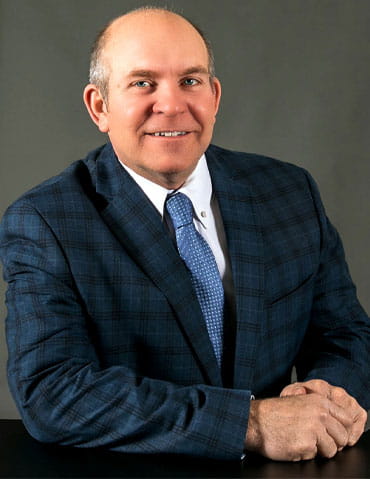
Welcome back to the show, my fellow extraordinary Americans.
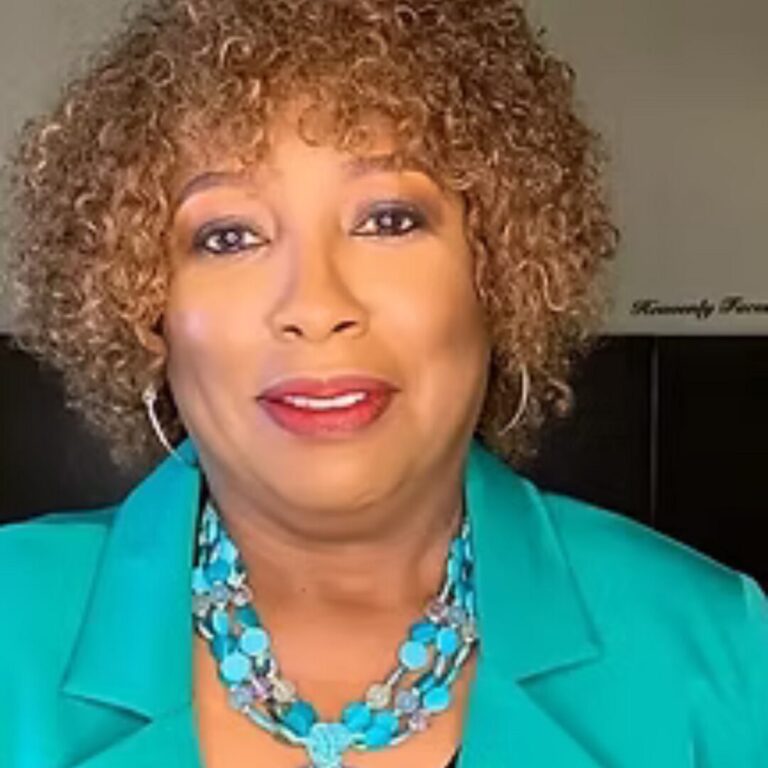
For today’s guest, we have Irma Neal. Irma is the co-founder, partner, and certified financial coach of Onyx Rising. Onyx Rising is a beacon of innovation in diversity, equity, inclusion, and financial literacy, pioneering pathways to excellence and empowerment. Their foundation is built on the conviction that education and understanding in these areas can transform organizations and individuals, leading to a more equitable and financially secure future.
Irma Neal, a former deputy mayor of Indianapolis and director of human services in two large urban jurisdictions, has over 30 years of experience managing human service programs in state and local government and corporate America.
She possesses over 15 years of experience as a private business owner, partner, and manager, offering training and consulting services to government agencies, educational institutions, associations, and the private sector. Irma was the eldest of a Midwest family of eight and took a crash course on how not to deal with money. From the lights being turned off to the piles of unpaid bills to the cockroaches underfoot, she knew at 10 that she must learn about money and how it works.
And it still drives her today to help others learn the ropes. Paired with a background in child services, she led a team to invent an electronic childcare system called the EBT. Mrs. Neal retired in October 2014 and immediately continued her education, becoming a certified financial Post and Amazon best-selling author of the book Leading in Chaos Insights to Lead through the Storms. She’s an extraordinary American, and I’m honored to have her on the show. Irma, are you there?
Irma
I’m here. Thank you very much. I forget how much I have done throughout my career, so that was a good refresher for me.
Cosmos
Yeah, totally.
And Irma, can you tell me and the audience more about yourself, your background, your story, and how you got to where you are?
Irma
Sure. You touched on it a little bit. I’m the oldest of eight children, and my parents are both in the home. We were extremely poor growing up, and I just saw the struggle from the beginning with the number of kids in it. And it was. My parents both worked all the time. They did not have enough money at the end of the month to take care of the kids.
So we lived in some pretty, as I look back on it, we lived in some pretty bad places, but we never knew it because we had love, you know, and we had values. My father, your work, your word is your bond. No matter what, you keep your word. My mother, in all things, gets an Understanding, talks, communicates, and makes sure, you know, understands what’s happening. So that was the backdrop. I knew that I had to learn everything I could to bring myself out of poverty or out of living the way we were living.
And so I embraced learning about money early on, career-wise. I started in government, and then I was recruited by IBM Corporation into the corporate sector. I stayed in corporate America for several years. I did a stint as deputy mayor of Indianapolis. That was very rewarding because you can put concrete answers or things to help people there. One of the things I’m proud of in that particular experience is when we walked in the door; we had 8,000 or so vacant homes. We took it upon ourselves as a government program to revamp those homes. And we could put several people into homes. That’s concrete stuff that changes people’s lives.
And that’s the best example of having a direct, huge impact on people’s lives. We also formed a lot of partnerships with people to build neighborhoods. And so you know, that was a good part of. And then, in corporate America, you learn the ropes. You learn that it doesn’t matter that profits everything and that you must take care of the bottom line. That helped me both professionally and personally.
Cosmos
You realize in corporate America that, as you said, it’s profits only, but there’s no compassion. Often, it profits over compassion and morality, and, in our society, we’re lacking in compassion and empathy for other people at this point. And I think that’s something. There has to be an evolution there.
But before we get into that, Irma, I wanted to touch upon how, from the age of 10 to where you’re now, your vision must have probably evolved, right? Your strategic goals and visions. So, can you tell the audience how it went from the age of 10 to where you’re now?
Irma
What drove me was not just how I was raised, but I got it; I’ve always had this drive to improve.
And so I am an avid reader of every kind of self-help book. While I was, you know, in the throes, so I did a lot of reading, my vision was always, always to be where I am now, which is to be retired or semi-retired and not have to worry about Money. That was pretty much it. I used to say all the time, I don’t want to be one of those seniors at Walmart saying, welcome to Walmart, because I can’t put my hands on $10 or whatever. The other vision was to make the people I love who are part of my family first, but beyond that, I wanted to give them the knowledge of how to make their lives better without depending on the government or anybody else. Just use your mind and will and the opportunities presented to you to improve your life. One of the things that happened in my life was that I grew up in Indianapolis, Indiana, and I got recruited to Washington, D.C. I had never lived anyplace else.
I remember my mother telling me then that Washington, D.C., is dangerous. It’s a big place. It was in the top 10 of criminal crime statistics at the time. But it changed my life because it exposed me to so many different types of people from all over the world and gave me an understanding of how our system is supposed to work. So that was a real education. But I always kept my eye on the fact that I didn’t want to be, at an old age, unable to enjoy my life because of a shortage of funds.
Cosmos
Irma, you’re an inspiration. One of the things I wanted to ask for the audience’s sake is that many minorities are born into environments where the mindset is scarcity-oriented. This mindset can often be very empowering.
So, let’s say there’s a minority listening to this podcast who wants to leave their environment, become financially free and successful, and adopt an abundance mindset. How would they go about doing so?
Irma
You hit it on the head. It is the mindset that starts the whole process. You can have a mindset that you need to hold on to what you got that you did, that there isn’t enough to go around. You can also think about an abundant mindset, which says there are enough resources in the universe, or however you believe, to become who you want to be.
So, it starts with mindset. One of the things we do in our workshops is spend time on mindsets and busting the myths about money. So many people in that environment only see poor people and a poor environment.
So it’s about getting a vision of the kind of life that you want. Then, once you have the mindset of abundance and a vision of the kind of life you want, the next step is to get an education that can teach you how to plan for the life you want to live. And that is what we call the money matters boot camp. And that’s the stuff that we teach. You must be in a certain mindset to break out and succeed financially.
Cosmos
I’m sorry, no, go ahead, go ahead. You’re saying.
Irma
Oh, and I think that when you, this was something I had to, you know, think about is why when you are poor, why when you get your tax refund or when you get an extra amount of money, why is the immediate reason, the immediate thing people do is go out and spend it, go out and get something they or go out and sit.
And my granddaughter was the one who told me this. She said I was so tired of being poor that when I get some money, I want to see what it feels like to have money. Right? So again, it gets back to the mindset. It returns to being focused on the vision you want for your life. And if you’re focused, if it has, if your money has a purpose, which is to make you have a better life, then it’s easier to stick to it, right? It’s easier when you have that vision and focus.
Cosmos
So Irma, as a continuation of this question, for the sake of somebody, let’s say that’s looking into this, that’s coming from a scarcity-based mindset and environment. So often, when you’re in a family with a scarcity-based mindset, the environment in the household is a victim mentality or a negative mentality of, oh, you can’t do that. Who do you think you are? You cannot be successful in this. Just look at us. There’s not enough to go around.
So, how should somebody who wants to defeat their family members’ and friends’ negative mindsets do that?
Irma
You know, you hit upon something hard. In my family, it was not that. My father said his favorite thing is that there’s no such word as can’t; you can do anything. So, if you’re in a negative environment, the best advice is to find another room or other people.
First of all, you have to get rid of the negative again. You have to quit hearing the negative. But the way you do that is to surround yourself with -like-minded people. Now, how do you look for that? How do you find that in an environment that’s so negative? You do; you probably do have to go outside the family. Perhaps there is a teacher, an adult, or, if you’re on a basketball or athletic team, members who think of you and want a better life.
And you know, you can ask people who want a better life but aren’t, but either want to take shortcuts or not do the work you said and become victims. It’s easier to blame somebody else. But in the end, we’re responsible for this life that God has given us. We are personally responsible for the life we have and the choices we make. Some might be hard and controversial, but it’s our responsibility to live the life we want.
Cosmos
Ironically, that’s the common theme from all my interviews. Entrepreneurs take accountability for their actions and ultimately realize they’re their ship’s captain. This is one of the themes I’ve noticed. I want the audience to know they do not believe in the victim mentality. They always look for solutions to problems.
Okay, there’s a barrier now. They see it as an opportunity for greater glory or whatever. How do I get past this barrier? How do I solve this problem? That’s an essence of entrepreneurship that I’ve noticed.
Irma
That is exactly right. It is always looking for a solution. And you know, I also have some negative folks in my family. I had to tune them out, you know, to still love them but not let their opinion influence where I wanted to go. And that takes practice. It takes focus and determination again to get the life you want.
Cosmos
So, Irma, one of the things that I’ve noticed is that many people eventually reach financial success as they go from a scarcity-based mindset to one of abundance. But in the middle, when transitioning from one mindset to another, they go through Something called the imposter syndrome, where they develop this new identity right as they evolve.
But then there’s the old identity that is now in conflict with the new identity. And it is a battle in the mind. I don’t know if you have experienced that.
Irma
I have experienced that. It’s funny you should mention that because as I began accumulating wealth, the old me said that you don’t deserve this. Look, look at, you know, this isn’t really. Look at your family; you just really don’t belong here.
But that’s when the books, self-help books, reading, and surrounding myself with the right people came in. Also, and I think this is key, is celebrating your successes, no matter how small they are, celebrating feeling that success, liking that feeling, and then striving to feel it more.
And you look up one day, and that is you, you know because you are taking actions to refocus your mind from that old self to who you are and who you want to be. Does that make sense?
Cosmos
No, it does. I was the reason I was, and that’s basically what many people go to. You don’t deserve it; there’s this inner chatter. If they want to escape a scarcity-based mindset, many people will eventually come across this issue. They have to go through it and realize that their identity is temporary. They were before and are not who they will be in the future.
Irma
Right, right. And it is what you concentrate on. I mean if you, if all ah, everybody has really bad things that happen in their life at some point or another and, but also everybody has good things that happen, and it’s recognizing the good things and leaning into that and not dwelling on the bad stuff all the time. It’s a mindset that focuses on the good parts to get where you want.
Cosmos
So Irma, from your perspective, what do you think is the biggest challenge that minorities would have when it comes to financial literacy, and how would they overcome it?
Irma
I think the biggest challenge is the consumer mentality: buying and wanting nice things whether you can afford them or not, and the appearance of wealth. We do have a workshop called Image vs. Reality.
Cosmos
Wow.
Irma
And it’s creating the image of wealth and doing well, not reality. So, the biggest challenge, especially with social media’s big part in our lives, is taking a hard look at reality. Okay.
And not anybody, you know this; anybody can project any image they want on social media. I mean it; they can be doing it. They could be, you know, up there with the multi-billionaires online. But the reality is that the thing that we have to do is look at ourselves.
Cosmos
Reality, and if so, here’s the thing, right? A lot of people, most people, buy into perception and image.
Many people think they know that, so they post images and everything on social media. It’s fake, but most people just buy into it. That’s just our culture; we just find ourselves, you know.
Irma
Yeah, that’s true, and that is true, and I would say that each of us has to look again at our situations to own our own life, who we are, and what we want to be. And if you’re buying into the image and can’t pay your rent. No. At some point, you got to say, I own this life, and I’ve got to make my image and reality match and then go forward doing that. In our workshop, we covered quite a bit of the image versus reality type thing.
Cosmos
So, Irma, correct me if I’m wrong, but this is something that I’ve noticed, right? Somebody who goes from a scarcity-based environment to an abundance environment becomes successful quickly. Then they have this image of where they’re now, better than their neighbors. They will rack up a lot of debt while maintaining the image. But it’s an ego thing, right? The image is all about the ego and feeling superior and better.
So, from your perspective, how should we as a society? Because I mean from my perspective, society has become very narcissistic and image-oriented. And then we are racking up more and more consumer debt.
So, from your perspective, how do we move from an image-oriented, success-oriented mindset to a more reality-based one?
Irma
The thing that, you know, that’s a really interesting question. What I would say to that is the debt’s going to make you change. If you get into debt over your head, where you can’t breathe because of the debt, where the debt collectors are coming, and, one day, the repo man has the car.
You know, they come in the middle of the night. I just found out that they wait till night to get your car out of your car, wherever it’s parked or something. Repo man, you know, I say your circumstances, if you keep the debt going, it’s going to change you because you’re going to feel such a burden that you’re going to do one or two things. You’re going to work to get out of it, or you’re going to hold. Are you going to throw up your hands? And you and I both know that filing for bankruptcy is not the answer. You know that that’s not going to change it.
So, in answer to your question, just keep on getting into debt you are, and life will teach you how to make that change because it won’t happen.
Cosmos
When I was growing up, all my friends would look at 50 Cent, Eminem, Dr. Dre, Drake, and all that, and they’d look at the Image V slideshow. Oh, he’s got the Lamborghini, he’s got the girls, and he’s got the mansion. This is what success looks like because we’re going down to what the American dream is for many people.
Growing up, for my friends, that was the version of the American dream, but in order, it wasn’t based on an image; it was an image kind of thing. A lot of times, you realize people rent that out. You know, they rent out the car for a little time. They might rent out the mansion. They don’t own the mansion, and very few people can do that. But it creates these unrealistic expectations in society of what success is.
So I suppose my question to you is, from your perspective, what success should be for Americans if they’re looking at this podcast versus this success that is projected as a.
Irma
What is the form of the American dream? What should success be? That’s an individual type of thing about what success should be. You know, I don’t think the image of the super-rich is going to go away. And so I would say again, get back to thinking about your life, your vision for it, and what you want from it without looking at somebody else. I think part of, and this has been forever, is that part of the problem is trying to keep up with the Joneses and, and the Joneses, if you look behind the door, they’re probably not doing as well as. As we as you think they are. It’s all, it’s all image.
I guess I’m telling the listeners that at some point, you have to take stock of your own life and what it is you determine success to be, you know, and just block out the other. The celebrities and all that stuff, because you and I know us. That is an image that’s created. It may have no basis in fact, none. And so, spend your time creating the life you want to live, right? And, and focus there and do what it takes for you to move forward toward that life, you know, and I, you know, the social media and all that, it’s always going to be here. It’s gonna, it’s gonna be a part of us.
But the key question for us is, what do I want my life to be? I always ask young people when they say, I said, what skill do you have that somebody will pay you to do? What do you know how to do that somebody will pay for? We raised a nephew, and he wanted to be a rapper. He concluded that he tried it too. Boy, he went on shows, did all this, and spent all his money doing that. And finally, he returned to me and said, I don’t have a career. I have a hobby. You know, because he was spending money on that. You have to take a step back and set realistic goals. But the first thing is changing the mindset. That’s the very first thing. You have to change your mindset.
Cosmos
No, I know. I can’t agree more, Irma, because mindset is everything. And if you change your mindset, many people these days have a victim mentality where, yeah, it’s true. Life can not be fair. You know, things will be stacked against you, but if you have the right mindset, you can get out of any problem, provided you have discipline, will, and determination. These are traits that successful entrepreneurs have.
Irma
Exactly, exactly. And its traits can be learned with practice. You know, I think that, with practice, you can learn how to be and move from the scarcity to the abundance mindset. Learn how to take the steps to make your life a little bit better every day.
And it’s not a huge jump. It is step-by-step. One of the other things we say is that in our workshops, you have to have a plan and execute the plan; it will not happen overnight. You know, their overnight sensations are not overnight.
Cosmos
I mean, that’s. So that’s what the media is to put out.
Irma
but they put it out there. Right? But look behind the curtains; it’s not overnight.
Cosmos
And to add to the listeners, I’ve taken jiu-jitsu, right? Jiu-Jitsu has five belts: the white belt, the blue belt, the purple belt, the brown belt, and the black belt. The same applies to financial success as well. From a scarcity-based mindset to an abundance-based one, the scarcity-based mindset is the white belt, and the abundance mindset and success are the black belt. And there are these different levels of.
Irma
That’s a good analogy. That’s exactly right. That’s a very good analogy.
Cosmos
Right. For example, if you have a victim mentality or realize you’re at a certain level and must increase from one level to another, that requires practice and dedication. But many people are caught up in this get-rich-quick scheme type of thing. They don’t want to do the work, and they see things in the media where somebody invested in a certain crypto, and then the crypto went big or something. They became rich instantaneously through the lottery. But it doesn’t work that way for most of us. You must have this iron will, determination, and discipline, a vision, a goal, and the right mindset.
Irma
That’s exactly right. And the thing is that at each stage, I think what else needs to happen there is that you need to celebrate the success because really what you’re training yourself to be is to feel the success all the time. And when bad things happen, you know you can get through it because you’ve got these wins under your belt that you can think back on. You know what I mean?
So whatever it takes to do that, it’s an exercise. And, you’re saying, staying focused and being disciplined. I used to when I first started, I used to write down every good thing that happened to me when I was doing when I was in my career, And I can show you the folder now, but, you know, now people don’t use folders anymore.
Anyway, I used just to chronicle every good thing that happened, and some extraordinarily good things, some extraordinarily good luck, people would say came my way. Well, when things didn’t go right, I returned to that folder and said, okay, you know, this happened before. I can make it happen again, you know.
And so finding things that help you remember the success and not get. Not drown in the failures. Also, that was a good lesson for me. When I was around a lot of negative people, I would just take the time to write down something, the good that happened. So, at one point in my life, My goal was to write down one good thing that happened to me today, every day. You know what I mean? I just want to try to train my mind to think differently.
Cosmos
So, Irma, when you spoke of the negative and everything, what? What is the motivational factor that would make you power through the tough times while you’re going towards success?
Irma
The biggest motivator for overcoming tough times is remembering how you overcame them. Remembering the really good times, you know, I mean, because if you remember the good while you’re going through the tough, it makes it, it makes it not feel as bad, you know, I mean, but it also, if you’ve had success, it’s less ly that you’ll give up because you, you will have the feeling, you will know what it feels to succeed. I remember I had breast cancer at a very young age, very young age. And it wasn’t very nice.
And I remember focusing on how it would feel when I got to the other side. When I get to the other side of this disease, when I’m able to do, you know, the stuff that I usually do, and that was the focus. Well, why could I focus that way? It is because I had gone through bad stuff. I did know that there was another side. I knew there was better on the other side, you know. So I’m thinking that that’s my mindset anyway. That’s how I get through it when the tough times come, and I’ve had some tough times. I mean, I was married for 47 years, and my husband left on a Friday to go pick up my grandson and was killed in a car accident. A guy ran into the back of him at going 100 miles an hour and killed him instantly. Right. Okay.
That’s probably the most devastating thing that a person could go through. Whatever. But I remember saying, even in the depths of that grief, I remember saying, I want to focus on what I had, not what I lost. And where did I get that from? Because I had gone through so many things and come out the other side, I knew I’d be okay through that, too. Does that make sense?
Cosmos
Yeah, I think one of the hardest things to do is to focus your mind on the positive during tough times. And it’s exactly. It’s very hard. But if you can master your mind, then you can control it. You cannot control your environment, but you can control your mind.
Irma
Yeah, that’s how you react to it. Yeah. You can’t control anything but your actions.
Cosmos
Totally.
Onyx Rising would implore employers to have financial literacy as an employee benefit.
Irma. And, and Irma, I want. I wanted to ask for the sake of the. I wanted to ask more about your company, Onyx Rising. Could you tell the odd me and the audience a bit more about that and how you got it?
RMA
It’s funny. Onyx Rising started in 2016, and it started as an individual financial. Financial coaching, business. It started basically; my church pastor asked me to do an eight-week series on financial literacy from Financial 101 to starting and investing in a business. And a hundred people signed up for it, and in the whole eight weeks, it never got smaller than that. So that’s when the light bulb came on and said, ” Hey, here’s a business. You know that, so that’s how it started as an individual. In 2020, we had to go from individual coaching to group coaching and Zoom for many other businesses. And so we developed products to do that.
And right now, that’s where we are now. We do group coaching for groups and individuals, and we do them all the time anywhere in the country. Again, we think that to make the biggest impact, we should implore employers to have financial literacy as one of their employee benefits. This is the reason we’ve had several successes with certain businesses. And the reason is because it just has so many benefits. It gives the employees a clear understanding of the business. They start to look at the financial decisions that the company makes. They start to look at them differently. But it empowers the employee because so many employees come to work worried about the credit card debt you talked about and their financial problems. In their personal life, offering them financial and literacy education will help that. It also creates a loyalty to the company.
And I found this out firsthand when I was working for IBM. They offered a free. They said they wanted their employees to be as financially stable as possible, whether they were with IBM or not. And they paid for a financial advisor. I took advantage of that, and to this day, I still have that financial advisor who has helped me through everything. So that’s one way that we can make a big impact, which is for employers to step up and say, we’re going to invest in our employees through financial education.
Cosmos
That is amazing, Irma.
Irma, I also wanted to ask you about your book because you wrote the Amazon bestseller Leading in Chaos Insight to Lead to the Storms. Can you tell the audience a little bit more about the book’s premise and what it’s about?
Irma
It’s a bunch of true stories and episodes. When I was the director of a government agency in Washington, D.C., a toxic agency when I started, there wasn’t much work getting done. And inside of a month, there were two overdoses, heroin overdoses on the job, in the office that I had to deal with. There was extreme bullying. There was a lack of not much work getting done, but everything. On top of that, outside political forces that were not conducive to education, I meant to work successfully.
So I went through that. I was; I did that for over three years. And I cry every time I tell one of those stories. Somebody person would say, boy, you need to write a book. So, when I retired, I started putting all those stories together. And it is pretty remarkable because when you read it, you will say, wow, why didn’t she quit? Are you kidding me? One of my best, best friends said to me when she read the book, she said, if I didn’t know you, I wouldn’t believe any of this stuff here because it’s just too many, too many incredible bad things that happened in one organization, you know. And what it did for me is it made me fearless because, ah, as I went through that, I said, if I can do this, I can do anything. I’m not afraid of anything anymore, you know, because it was just that kind of experience. It’s a short read by design.
At the end of every chapter, management insights are provided. It had what I learned from that particular situation. I was investigated based on a lie that one of the employees I tried to discipline told me because I asked him to do his job. And it’s just. You wouldn’t believe it, but it’s all true. Every word of it is true.
Cosmos
What do you do? What would you say makes somebody fearless? What are they? What experiences do people have to go through to get to that point?
Irma
I think, I think again, we keep getting back to it, but it’s the mindset; I think that there are enough things that happen in people’s lives that if they stop and say, what lesson can I learn from this really bad thing? You know what? What good can I get out of this really bad thing that’s happening? You know that, and then you build the stamina to overcome that. One of the advantages of getting older is that you understand that you can make it through this stuff because you have enough experience to know that. That you’ve got what it takes inside to make it through.
Cosmos
No.
Irma
He sounds like an older adult. Then what’s it?
Cosmos
No, you sound wise. We have learned wisdom over the years, but I would say that we should also learn from other people’s experiences because that just cuts off a lot of years.
Irma
you hit it on the head. You hit it on the head. Believe if that car hit them, they’ll hit you too. That’s. That’s very true. Yeah.
Cosmos
It’s better to gather as much experience as possible and learn from other people’s mistakes in addition to your own. But that just takes up a lot of valuable time.
Irma
It does stop you from making some mistakes that you might make any way you’re not otherwise if you hadn’t looked at them. Yeah, you’re right about that.
Cosmos
Yeah. Somebody once told me that you can do anything people do. There are good, bad, and evil people, right?
So good people teach you what you should do, and bad people teach you what you shouldn’t do. But everybody comes to your life as a lesson. They’re there to teach you a lesson about what? Either what to do or what not to do.
Irma
What not to do? Exactly. That’s. That’s so true. I mean, my, My, As I. As we started, I saw I didn’t want to handle money. Beginning at 10 years old, you know it. I learned to do the exact opposite of what I was living in then.
So you can; you are right. Every person can bring a lesson if you’re open to hearing and listening to it.
Cosmos
So, Irma, how can our audience connect with you and learn more about you, your work, and everything you do? And if they wanted to get literacy lessons from you, how would they do that?
Irma
reach out on our website. It is www.onyx2rise.com. There’s a short contact form there. And we will get back to you within less than 24 hours. And we hope you will take advantage of what Onyx Rising offers.
Again, we’ve been in business since 2016 and are about making positive changes, which is sustainable change in people’s lives. We want what we teach to stick. That’s why we spend so much time with the upfront money mindset and busting the money myths and all of that: because we want what we teach to stick.
Cosmos
That is amazing, Irma. And I recommend that anybody listening to this check out your website because financial literacy is important today. I appreciate that you took the time to come to this podcast and share your knowledge and wisdom about life and how to do business. Ultimately, at the end of it, it’s all mindset, and we can overcome our circumstances through a will. And I do hope you take the time to return later, Arma.
Irma
Thank you for having me. It was really good, and I hope you will invite me back.
Cosmos
I want to conclude this episode by letting my fellow extraordinary Americans know that, hey, look, there’s an extraordinary within every one of us. We must awaken it and unleash it. Until next time. Bye for now.

 Amazon Music
 Apple Podcasts
 Audible
 CastBox
 Castro
 Google Podcasts
 iHeartRadio
 Listen Notes
 Overcast
 Player.fm
 PocketCasts
 Spotify
 Stitcher
 TuneIn