Cosmos:
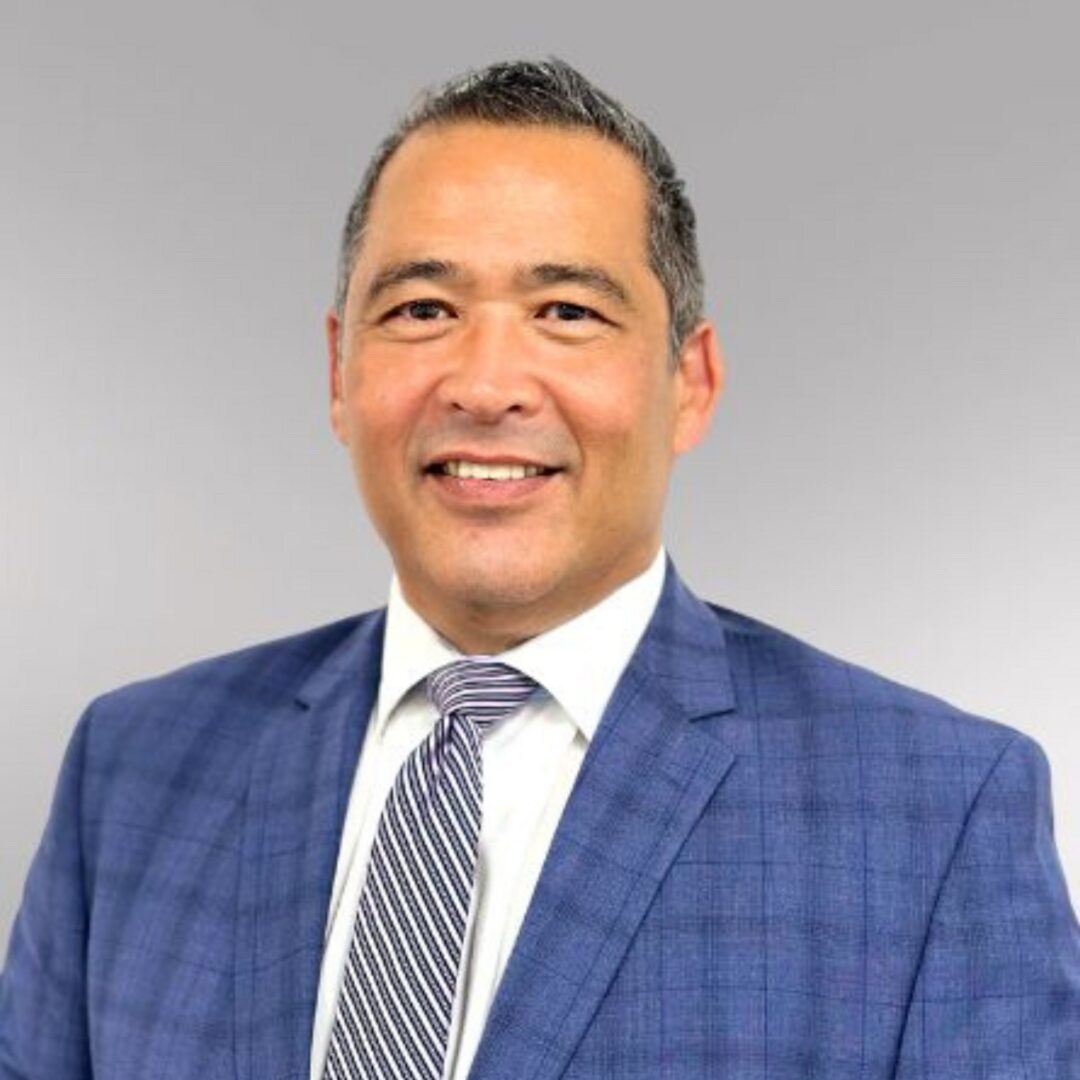
Welcome back to the show, my fellow extraordinary Americans. Today’s guest is John A. Kailunas II
As a first-generation immigrant, John developed a strong sense of values, including hard work, commitment, and trust, from an early age. These principles laid the foundation for his flourishing career in the financial industry, which he began in 1988 at a kitchen table. Driven by ambition, John achieved the American Dream and built a firm with over $3 billion in assets under management and administration.
In the first part of his career, John focused on generating income for his family. In the second half, he dedicated himself to making a meaningful impact within the industry. He has received numerous national accolades throughout his career, including being named one of the “Hot Hundred” by Investment News, which recognizes him as one of the top movers and shakers in the finance industry.
John is the host of the C4G Sales Success Podcast, a valuable resource for professional salespeople aiming to grow, learn, and enhance their bottom line. Each episode features actionable strategies, engaging discussions, and personal insights designed to inspire listeners to embrace challenges and seize opportunities. Topics include refining sales techniques, building strong client relationships, and finding motivation to tackle everyday obstacles.
John’s most recent collaboration is the Mission Retirement Workbook, co-authored with Kevin Burwell, CFP, CHFC, CLU, and CASL. This workbook is designed to help individuals navigate the complexities of a retirement journey that can last over 30 years. It emphasizes identifying what truly matters to you and your family, providing a clear framework for crafting a successful and fulfilling retirement plan tailored to your unique goals and needs.
He’s an extraordinary American, and I’m glad to have him on the show. John, are you there?
John:
Yes sir. John, thank you for having me.
Cosmos:
Thank you so much for taking the time to join us on this podcast and share your story, knowledge, and wisdom.
Can you tell me a little bit more about yourself, your background, and how you got started?
John:
Yeah, I started, started right out of school. I had a business venture that didn’t succeed, and so my dad was in insurance sales. I started in that field and built my career from there. I worked under my dad’s firm for about 18 months and then went out on my own, working with other Fortune 500 companies and advancing from sales to sales management. I then left and started my firm.
Cosmos:
So, John, what was it like? Could you tell us a little bit more about your journey, such as how you transitioned from working at your dad’s firm and how your vision, goals, and strategic vision for your life evolved over the years?
John:
Yes, I’m asked that question a lot. And I think I was searching the cosmos for something that wasn’t in front of me. I was looking for a mentor —someone I could trust and who could teach me the ropes. And I didn’t find that in the organizations I was filtered into.
And then I realized that it’s probably simply up to me and that I wasn’t going to find that perfect mentor. Maybe I was a little naive. I thought I’d find that person; I could just fit in under his wing and learn from her as well.
So, I started piecemealing it together and then realized that I had the characteristics, or at least some of the characteristics, to start my firm. And if I surrounded myself with talented people, I could build a firm on my own.
Cosmos:
I see.
So, John, what is it like, like, you know, like a lot of people, like, they just end up doing, like, jobs for the rest of their life, or they’re in corporate America. Like, what is the motivational factor that allowed you to, like, start your firm when, like, most people don’t tend to do so?
John:
Yes, I think it was a fear of failure. I didn’t want to go back. I saw the lifestyle that was afforded to people in America ahead of me. Right.
My uncle became a doctor here. My mom immigrated from Latvia. And, and I, I didn’t want to go backwards. I thought it was sort of our duty as Americans to go forward, to push it forward. And I realized that if I wasn’t going to find it in corporate America, I needed to create it myself.
Cosmos:
Yeah, one of the reasons I’m asking, John, is that many people want to leave corporate America and start their firm. However, they’re ironically afraid of failure, especially when it comes to starting their own business and the risks and financial implications that accompany it.
So, from your perspective, how should someone in corporate America or doing their job transition to starting their own company?
John:
Well, you know, preparation gives you confidence. Right. And that confidence will allow you to be fearless.
And I think a lot of times we focus on what we don’t have instead of what we do have. And I think that often, we don’t have enough faith in ourselves and our abilities.
And so, my advice would be to prepare in advance. Prepare and then make that jump, and you’ll fail. You’re going to fail. That’s not even the quotient to avoid failure. It’s part of the success formula. Right?
And you learn from those failures, and you have grit and persistence, and you keep on getting up if you’ve been knocked down. I’ve been knocked down numerous times in various ways. And I keep trying to do the right thing, getting up every day and pursuing my career goals.
Cosmos:
So, John, what you’re saying is so applicable, right?
However, when people are trying to run their businesses and manage everything, the fear of failure often takes hold of them, especially when they have kids and family. Is there a certain mindset that you had that allowed you to push through any obstacles surrounding that?
John:
I’ve been blessed with a great wife and two remarkable kids, and it was they who motivated me to keep going. I started the firm when my children were both very young—one was still in diapers while the other had just outgrown them.
My wife was working in sales, and I told her that I wanted to pursue this venture. She supported me wholeheartedly, which was a huge advantage for me—having a spouse who believed in me and understood the magnitude of what I was trying to accomplish made all the difference.
I had planned meticulously and prepared thoroughly, and she was aware of the challenges I was taking on. Her support gave me the strength to push forward and eliminate the fear of failure. For my family, I refused to allow myself to fail. If that meant working six or seven days a week, that’s exactly what I did. I didn’t count the hours I worked because doing so would have been disheartening, given how little I earned initially compared to how much effort I was putting in.
But my driving force was my desire to advance my family lineage and give my kids a better life than I had. That purpose—pursuing something bigger than myself—helped me overcome a lot of fear and kept me going.
Cosmos:
So, John, one thing I’m curious about asking is that I know you have a very successful career. You had a very successful firm, which managed over $ 3 billion.
John:
Right.
Cosmos:
And how did you manage all of this money? Like, is there, like, a way to have like as you grow like in success in business, is there a way to handle money like in the millions and all of that?
John:
Yeah, we’re an SEC-registered RIA and a FIN-registered broker-dealer. We have approximately 160 brokers working for us, and we manage assets of just under $ 4 billion. We also provide active management services to our clients.
I have a staff now of, I think, just under 40—I think it’s 39. We work specifically to support those brokers, and in turn, they have their own offices and marketing under their own names. However, we’ve developed an investment platform, a compliance platform, and infrastructure that enable an independent broker to establish their practice.
We compete against firms that’re significantly larger, managing trillions of dollars, whereas we operate in the low billions. We serve mom-and-pop investors. We take care of them well, adhering to old-fashioned values, like the ethics of a handshake and maintaining meaningful connections. We’ve worked very hard to build that platform. It is both family-oriented and very competitive.
Cosmos:
So, John, many people are currently examining the economy and seeing a lot of ups and downs, and then they’re looking to invest. Right.
However, some people prefer to invest in stocks, while others opt for real estate, and still others choose gold and silver. From your perspective, how should a person who wants to invest successfully approach evaluating the economy and making wise investments?
John:
I think they’ve a higher level of professionalism, similar to the ones we work with. They have a much broader base of professionals to sit down and determine a numeric risk tolerance, as well as review all the particular asset classes you mentioned to see what matches the risk tolerance, along with their goals and objectives. You can do it on your own, or you can do it by yourself. However, there are many things you can do on your own, but you can’t move your own goals and initiative forward if you’re doing someone else’s job.
So, I always say, ‘Hire an advisor, make sure they discuss what they charge, and ensure you understand what the deliverables are and what the client engagement entails.’ Hold them accountable. But hire a professional to help go through all of that. Because it begins with understanding your goals and needs, and then tailors solutions to your risk tolerance, it finds the right fit for you.
You can put 100 people in the room, and you’re going to have 100 different answers. For a true professional, it’s not a cookie-cutter approach. And that’s. That’s what you get with a lot of independence, in the space in which I deal.
Cosmos:
No, I mean, you should always go with people who know what they’re doing. However, many people struggle to find the right individuals, as there are so many options.
Today, we live in an age of information overload, where an overwhelming amount of information is available through the Internet. People are always seeking the right professionals to trust and the most reliable sources to rely on.
John:
That’s a great observation, Cosmos, and very insightful. I’m a little older than you, and it used to be that information was power—Richard Milhous Nixon is often attributed with that quote. But now, information is literally in the palm of your hand, like the Library of Congress. You can get any answer you want. It’s not about information anymore. When we were a younger firm, we had to buy research from companies. Now, we get research from firms you’d recognize—for free—because they want to work with us. The key now is interpreting the information.
There’s an art and a science to what we do in financial planning. The science is in the math; the art lies in interpreting that math to benefit the client. So, I think your comment is very insightful.
To the second part of your question, if I understood correctly, where do you find a professional like that? There are numerous government websites where you can check individuals’ backgrounds, their regulatory history, and credentials. Look for certifications like CFP (Certified Financial Planner) or CHFC (Chartered Financial Consultant)—these represent post-collegiate education in key financial planning principles and tools, along with rigorous testing.
I’d recommend working with an accredited advisor who has a solid reputation and is affiliated with a firm you trust. Always ensure they’re using a major custodian, like Fidelity or Schwab, to hold your funds. While you can work with a local firm, make sure they have custodial arrangements with a reputable company you’re comfortable with—just some thoughts off the top of my head.
Cosmos:
So, John, another thing that I wanted to ask you is, you’ve had a very successful career. What are some of the lessons you learned over your time in the finance industry that you’d like to share with the audience, which you think they should know?
John:
I think you should trust but verify. I know it’s an old saying, but there have been relationships I’ve had where I trusted without verifying. I paid the price—either financially, emotionally, or by losing strategic alliances. I think that’s a big one. Another key point is to listen.
Listen to what people say and observe their body language and mannerisms. These often convey more than their words. Lastly, grit is crucial. Ensure you possess the necessary grit and perseverance to achieve your goals. It’s not about whether you get knocked down; it’s about how many times you can get back up after being knocked down—that’s what will determine your success.
Cosmos:
So, John, it reminds me of a conversation I had with one of my friends. He always told me that there are two things you need for success. One is trust, and the other is discipline. That comes with grit and perseverance. However, for truly successful people, they must possess both trust and the discipline to persevere in the face of obstacles.
But the question is, how do you—like, a lot of times people put on masks, right—where they seem trusting, especially if you want to partner up with somebody to create a company or you’re dealing with others in the industry. Are there certain red flags or green flags, from your perspective, that can help you understand if you can trust somebody or not?
John:
Yeah. I use four business filters, and I developed these along the way. One is, are we aligned? So, if you and I are going to go into business together, do we share the same alignment, goals, objectives, and aspirations?
Two, are you ethical? Can you look at your partner and see if they’re ethical? You can determine this by examining how they handle their family, past relationships, and environment. Individuals who lack ethics often struggle to form close, lasting friendships. Most of my closest friends are from the time I was 9 to 11 years old, and they remain close to this day. And I’m in my 60s.
The third thing is profitability. There’ve been times when I’ve out-negotiated someone, and other times when they’ve out-negotiated me, and those relationships never last. So, is it profitable for both parties?
And the fourth one, which might seem sort of corny, is—does it bring fun? Do you enjoy working with the person? There are people I have to pick up the phone for because they’re a business relationship of mine or a strategic alliance, but they’re difficult, and I don’t enjoy it. I have a professional responsibility, but I don’t look forward to it.
The people I’m most successful with are those with whom I share common goals and enjoy spending time. Whether it’s a cigar, bourbon, or a hunting trip, there are certain things we do that we truly enjoy together.
To me, those four filters are how I evaluate whether I’ll be interested in a business or working with someone on a business.
Cosmos:
You know, John, I find it very fascinating, like what you’re saying is right about ethics and creating a win-win situation, right? This leads to a long-term, healthy business relationship. However, like the vision that most Americans, the 99%, have, it is of corporate America, Wall Street, or these big investment firms. They’re pretty cutthroat, and it’s like a win-lose, zero-sum type of game, where somebody, too.
John:
For somebody, enough problems are going on to start a business, right? That, that shouldn’t be one of them. And you’re so right. You were spot on in noting that there are people who view life as a zero-sum game. But even you, if you find that person and your relationship with them doesn’t go anywhere.
So if you exclude that zero-sum Game philosophy, which is very hard to do, which you just alluded to. Consider all the other potential issues that could arise in a business. Right. Perhaps you have two partners who don’t share the same work ethic. That’s happened to me. Right. You’re splitting a dollar, 50 cents, it’s fair.
But you’ve got a guy working 80 hours a week and a guy working 20 hours a week or 30 hours a week. Those relationships don’t last. Therefore, multiple factors are involved, contributing to the situation in various ways. However, the zero-sum game is evident, as younger generations are moving it out of the workplace and corporate America, where it was once prevalent. When I was coming up, a zero-sum game was I win, you lose. Haha.
And you move on to your next conquest. I’m not seeing a great deal of that more now in the hedge fund and private equity. Those guys, they live in a different world, right? But the common people, like me, don’t see that. You want everyone to sort of get along. And I’m not saying I don’t want to win. I’m a fierce competitor; I don’t hesitate to take a stand. I’m not going to play nicely with my competitors. Right.
However, I will also ensure that my partners benefit from it.
Cosmos:
I’m going to be honest with you, John. When I first came to America, I was trying to understand American culture, so I asked one of my friends, “What is a good way to understand American culture?” He replied, “Watch a movie called *Wall Street*, with Gordon Gekko, starring Charlie Sheen.” He mentioned a famous speech about greed being good, saying, “This 30-second speech symbolizes 1980s America.” At first, I wasn’t sure how much of that was true. However, over the years, I realized that there are multiple versions—some parts are true, while others are not, you know.
John:
Yeah, I mean, that’s one good thing about Hollywood, right? They can create a story any way they want. I think there is still some of that in the world, and that’s fine for those guys who want to play in that arena. The great thing about America is that anybody can play in any arena they want. So, if that’s what turns your crank and you get excited about that zero-sum game, there are a ton of things you can find and do in life. That’s just not the path I wanted.
I want to, you know, the first part of my life was about making an income. Now it’s about making an impact. I want to ensure that I’m leaving the industry in a slightly better place than I found it. And, you know, I’ve made a great living along the way, built a good company. And it’s not just me. It’s people like Kevin Burwell, Bill Best, Don Carlson, Brian Y., and Heather Chrisman. I’ve a lot of talented and good people around me, and we all try to help each other.
You can find environments like that. You might have to bumble through it like I did. It took me many years to put this all together, and I experienced numerous failures along the way. People I believed in and trusted were often zero-sum games. Some got jealous and didn’t want to work. You know, there’s a multitude of things that can go wrong versus what can go right.
It just takes the perseverance of an individual to realize that, as you’re aware, there are countries where you can be born and never have a chance at greatness. Here you can become great. It’s not easy, but you don’t have the world stacked against you. Here you’ve got an opportunity, and you just have to fight for it.
Hopefully, it’s not as vicious as Wall Street. Even though I must admit, in my younger days, I had the whole movie memorized. I had that “greed is good” speech memorized. There’s another good one that was ruthless—Glengarry Glen Ross, starring Alec Baldwin or one of the Baldwin brothers. But yeah, there are a couple of great things in there. We would always use those chats when we were talking to each other at the bar, messing around.
However, there is a tremendous amount of opportunity. You just have to find out who you are first and then determine what area you want to play in. The great thing about this country is that there are numerous venues and various opportunities. You just have to know yourself, be true to yourself, have good self-awareness, and then find the right opportunity. Then work like the devil.
Cosmos:
So, John, one thing I wanted to ask you, and I think the audience can learn from you, is, so while you’re growing a business on a firm, right, at some point you have to understand people and deal with different types of people as your employees, staff, and all of that. From a human resources perspective, how do you handle difficult employees or individuals who are challenging to work with? And is there a strategy or method to it?
John:
What I’ve realized early in my career is that I’m skilled in certain areas. And like every human, I’m flawed. So there are a lot of things I don’t do well.
So I’ve gone and tried to fire. I hire people; excuse me, they’re really good in areas where I’m not. Human resources is an area with which I’m not familiar. I don’t have a lot of patience. I don’t have many issues. So, what I did is that my chief of staff, who has been with me for 17 years, started as my assistant, I think, possibly even as a receptionist. And, you know, she has grown tremendously. We’ve invested in her. We’ve given her every opportunity to improve and become stronger. And now she handles all of that.
So she knows me like the back of her hand. She handles all of our HR issues, as well as any financial matters. My CFO, my COO, Bill Best, is an extraordinary numbers guy, and he’ll crunch the numbers through him. He’s better at it than I’ll ever be, so I allow him to do that. As you become self-aware, you shore up your shortcomings with people who are talented and whom you can trust, and you’ll fail along the way.
And, but you keep trying, and slowly you start building a team that you can trust and rely on. It’s very difficult for one person to do everything, and that’s one of the reasons why, you know, a cell phone business, I don’t know what the statistic is. Recently. I recall reading it in the past. It’s estimated that 86% of businesses fail within the first five years, often because they’re trying to wear too many hats. Now. One of the advantages of the world we live in now is that you can outsource many of these tasks. You know, you can outsource your phone calls. You don’t need A receptionist, you could use an out, a phone call.
I’m sorry, you can outsource your HR or consider a part-time CFO. So, all those skill sets that I was previously weak in, you can now outsource to vendors, allowing you to grow more quickly than when I tried to do it on my own and then hired the wrong person.
So, build a team or know yourself. Build a team, in your likeness, but without your flaws, is my first suggestion. And then, as you’re doing it, you can outsource many of those tasks. I work with many people who have a part-time chief financial officer. They’re just not big enough to have a full-time CFO, but it’s nice to have those people work with Bill, my CFO, to resolve issues, sort out details, and put deals in place.
Cosmos:
So, John, what you said is so relevant in one word: delegation. What you’re saying is that you delegated to the right people. However, many people who do it end up creating a self-imposed prison, like this one.
Because they’re micromanaging everything, and they’re trying to do everything themselves because they lack trust in others to get it done. However, ultimately, if you want to create a large organization, business, or firm, you must delegate tasks to the right people.
John:
Yes, you hit the nail on the head when you said that. I was thinking about the many brokers who join our firm, right? So they’re independent. They might have their company name, like McGillicuddy Wealth Management, but they go through our firm. One of the things that I try to do in practice management is teach them the process.
A process for everything. So, a client process—what they’re selling isn’t an individual stock selection, an annuity, life insurance, a mutual fund, or private equity. That’s not what you’re selling. You’re selling a process to get a client from point A to point B. And whatever their point B is—maybe it’s retirement, maybe it’s college funding—whatever it is, that’s the client’s need. You work your process accordingly, and you have an onboarding process in place for your clients. So when they are onboard, you do A, B, C, D, right?
You can systematize things. Eighty percent of your process should be standardized; 20% should be customized. That customization is what gives it a high-touch feel, right? It has that element of “Wow, they’re only talking to me,” even though this is the same process we use with all our clients. It’s just customized so they feel wanted, appreciated, and valued by the firm.
These processes enable you to scale. You can’t scale yourself. Now that we have a client onboarding process in place, I can hire someone to manage it. And that’s one less role and responsibility that I, as the owner and CEO, am responsible for. Now I can just manage. I can check in instead of living that day-to-day grind. Now, I can focus on something else.
It’s a way to expand and to do it logically. However, you must have all the processes in place, and your processes will inevitably change—they’re not set in stone. However, having them allows you to provide a track record or a guideline for others, enabling them to be successful and build things in the way you envision.
Cosmos:
You know, Jara, it reminds me of a saying: wealth is created by systems, not by people. Once you create a successful business, it is ultimately like a system that can be duplicated. And once you do that, that’s where. That’s where the wealth comes.
John:
So, yeah, there’s a great book by Gino Wickman called *Traction*, and it’s about building an EOS, a dashboard. If you’re building a business, consider that dashboard as your ultimate goal. I receive daily reports from my team, and I closely monitor key indicators to determine if we’re operating at full capacity. That’s important to get, and it’s sort of an end goal for everyone starting a business—to have that EOS. What it allows you to do is create a dashboard to visualize your business, enabling you to take snapshots and make informed decisions.
Cosmos:
So, John, let’s say someone is listening to this podcast who is inspired by what you’ve done and wants to follow in your footsteps, enter the industry, and start their firm. Well, what do you think? The. How do you think you should approach it? Are there any challenges or pitfalls that should be avoided?
John:
I wrote a book. I’m sort of embarrassed about it. In 2014, I wrote a book titled *Choices and Chances*. You can find it on Amazon under my last name. I told my partner, Kevin Burwell, when we wrote the *Mission Retirement* book that it’s somewhat outdated, and I should rewrite it. He said, Absolutely not.
He said, Don’t touch that book. He said, when you wrote that book, you had $415 million in assets under management, and now you’re just under $4 billion. You’ve achieved almost 10 times in 10 years. He said, You were like Babe Ruth; you called your shot and said, ‘Hey, I’m going to do this. Damn the torpedoes.” And he said, You did. He said, That’s sort of a living testament of how you did it.
So I would start there. Our coaching company is called Catalyst for Growth—that’s number four—and it can be found at catalystforgrowth.org. You can go on there and have a conversation with Kevin Burwell or me. Kevin is an amazingly talented person who served as a national sales director for Pacific Life, and he has helped thousands of brokers grow and learn. If I can help someone who wants to follow in our firm’s footsteps, I’d be more than happy to assist. Schedule a 30-minute informal call at your convenience.
Cosmos:
That’s amazing, John.
And John, one thing I wanted to understand is, like, what is your perspective on the American dream? And like, when you think of the American dream, what does that exactly mean to you?
John:
I think the American dream is hope. I think everybody comes here with the hope of being in a better place than they were. I mean, I’ve had the blessings of traveling all over the world. I’m going to hit Antarctica this year. It’s my seventh continent. It’s the. I’ll hit all the continents. It has been a goal of mine since seventh grade. And so, my wife and I are going to enter. Yes, it’s somewhat wild. However, we’re going in December and heading to Antarctica.
I’ve had the blessing of traveling all over. And, you know, I can’t think of many other countries where you have the liberty. And we have our problems. Don’t get me wrong. We’re very tribal in our politics right now. But there’s no better country to start a business and believe in yourself.
And I think the, you know, the old red, white, and blue, I think it gives you hope when you go there. And the amount of wealth we have here, as you’re aware, is just staggering. You know, you go to other countries, and our poorest of the poor would be middle class in some of these other places in the world. We’ve had many blessings here.
And I think, I think the company, the, the country offers hope and you know that, that ability to, no matter who you are, if you have a good idea and you’re willing to bust your hump that you can, you can make it here and create a better, better living for yourself and the people you love.
Cosmos:
As an immigrant myself, I realized that it became a series where, in America, it’s much easier to start a business than anywhere else in the world, simply because it’s different. There are numerous obstacles in other countries, including a strong anti-business mentality.
However, here, it’s simply a matter of open-mindedness. It’s as if they don’t look at your stats, and you’re like, ‘You could be anybody.’ As long as you start a business and it ends based on merit, you will succeed.
John:
Yeah, it’s sort of funny. That’s the way we think as Americans. Right. However, the rest of the world doesn’t understand that when they come here, they simply don’t believe it. I recall when my relatives lived in Russia when I was a child. They were under occupation, right? They were in Latvia, and when they came over, they were astounded by the resources. They thought it was almost a government plot, that they weren’t getting to see the real America.
And it’s like, no, you’re in Grand Rapids, Michigan. There isn’t any more real America than that. And you know the government isn’t going to put anything in front of anything in Grand Rapids, Michigan. It was truly eye-opening to realize that not everyone had the same opportunities. As I went to school and saw different things in the world, I realized that we’re just blessed. We’re all blessed to be born here.
Cosmos:
So, John, I interviewed some people from Eastern Europe on this podcast. And they always tell me about the contrast between capitalism and communism. It’s extremely profound. On the one hand, you had bread lines, and on the other hand, you had prosperity.
John:
I’d like to share a quick story with you. Ultimately, the company was Kmart. It was a low-end retailer in the United States.
And when my relatives came from Latvia, my grandmother and my mom, who both immigrated here, my grandmother brought my mom when she was young, and they went to Kmart. And again, this is low-end retail. And they bought jeans, literally just blue jeans, and filled up all of their luggage.
They, along with all their luggage, were filled with blue jeans and extra items. And they, they realized that a third of it was going to get stolen. It’s just going through customs, but if they had enough to sell on the black market, they would be able to pay for their next trip to America. They funded it on low-end blue jeans. And I’m not talking Levi’s, I’m talking, I, I don’t even know what Kmart. I mean, I don’t know what the brand was, but it wasn’t a high-end brand; however, they would literally.
So they knew that customs would steal a third or half of it, but they’d still be left enough to pay for their trip back.
Cosmos:
That is wild.
John:
When you think about it, it’s wild. I can’t imagine going to a country knowing that there’s going to be that much corruption, and then in turn knowing that I can make that much money off of a dry good to come back. I mean, and we complain about Nike’s margins or Apple’s. The blue jean market in the late 1970s in the Baltic countries far surpassed that margin-wise.
Cosmos:
So, I feel like you can correct me.
John:
Please let me know if I’m incorrect.
Cosmos:
Like morality and corruption, many countries with communist systems experienced similar issues. I believe that the lack of morality and corruption contributed significantly to widespread poverty.
However, in places where trust in business is high, such as in the United States, compared to other countries, there are more opportunities for prosperity. Essentially, morality is necessary in the long term to create prosperity.
John:
Yeah, and I think you said the word earlier—discipline, right? There’s discipline when you have standards. Our accounting principles here are pretty stringent, right?
Our rules and regulations. And again, do we have many areas for improvement in our government? Do we have many things as Americans that just don’t make common sense? Right. And do we need to change? Yes. But when you have a standardized accounting procedure, if you don’t have that between countries or within your country, how do you know your numbers are any good?
We have that fortune. We have that discipline. Those things—our legal system is fairly standardized, and our accounting systems are fairly standardized. The discipline of standardization allows businesses to grow faster than they would without it, because you can trust and believe that, number one, there are consequences for your actions, and also that the numbers you’re seeing are accurate.
And that wasn’t the case in the Baltics. That wasn’t the case. The numbers were not what you saw. You see that in some Asian countries, right? The accounting is done a little bit differently, so you’ve got to be careful with that. We don’t have those issues in the United States.
Cosmos:
We often take things for granted here. It’s only when we travel to the outside world that we truly understand the contrasts, which is why I think everybody should travel at some point in their lives.
John:
Or cosmos. Listen to someone like yourself who’s. Who came here and became a US Citizen, right? And again, I’m all for immigration as long as it’s done legally. The Catholic Church sponsored my grandparents. You know, they fled the Russians as the Russians entered Latvia; they fled to Germany. They were picked up by the Catholic Church and sponsored.
And they were moved to Michigan, right, with nothing in their pocket like every other immigrant. You know, if I ever hear an immigrant come with money in their pocket, I’ll be absolutely surprised. We all hear the story. Like, I came with $3 or 20. That’s how everybody comes, right? And they work their way through.
My uncle ended up being a doctor. My grandparents were furniture workers. They worked in a factory. My uncle was a doctor who graduated from the University of Michigan. My mom became a teacher. It is still alive today. You know, she’s 84 years old. And I look at all the lives that she touched while she was teaching. She taught for 34 years. You know, she left the world or she’s. She. She’s left her mark.
Cosmos:
No, totally. Like, I think, I think it’s like. Yeah, as immigrants like you usually do. But you work your way, and it’s just the way the country is, where it just gives opportunity, which is why it’s so extraordinary.
But, John, I wanted to ask you about your book. I know you wrote a book called Mission Retirement. And can you tell me a little bit more about that in the audience, and what it’s about?
John:
Certainly, we’ve already discussed the fact that I’ve a financial services firm. We deal with all aspects—you know, the science of money. But there’s also the art of money, and what we’ve been finding is interesting. Kevin Burwell, my co-author, is an extraordinary talent. Kevin and I were speaking at a conference in Arizona when we were approached by someone inquiring about retirement planning.
At first, Kevin and I jumped in with our finance hats on, but that’s not what the gentleman was asking about. He was inquiring about the art of retirement—how to have a fulfilling retirement.
That night, Kevin and I jotted down an outline for the book while sitting at the bar. What we created became *Mission Retirement*, which is a very short book. It has questions at the end of each chapter—only 10 chapters total—and it’s really simple.
You can read it in about an hour; I think it’s approximately 130 pages. The book guides you to write a mission statement—what you want to do and become in retirement. It delves into families and friends, hobbies and interests, health and wellness, intellectual activities to keep yourself sharp in retirement, leisure and sports, and travel, including exploring new cultures, which we discussed earlier.
Mission eight focuses on spiritual activities; nine emphasizes stewardship, investing, and giving back; and ten addresses your legacy. The book is thought-provoking, and I encourage readers to sit down with their spouses to go through it together.
Everyone says they want to play golf when they retire, or they want to travel, and that’s great for the first six months or a year, but then what? You may live 30 years in retirement, so how will you spend that time? How will you give back? Will you mentor a younger generation with your skills, resources, time, and talent? Are there relationships that need mending? How will your family remember you? How will you leave your mark?
By addressing these questions, the book helps you focus on what’s truly important to you. Money, and what you’ve saved, gives you the liberty to pursue your goals, but money alone doesn’t ensure a fulfilling retirement. True fulfillment comes from planning thoughtfully for how you’ll live those years.
Cosmos:
Yeah.
John:
So that’s what the book does.
Cosmos:
No, I would recommend that whoever’s listening take a look at your book and read it, because it’s relevant. Right?
Because, after a certain point, you start making money and obtain a certain level of freedom. What is ultimately the purpose of life? You know, it’s about developing connections and keeping in touch with your friends and family as if there’s more to life.
And this is where I think spirituality and the idea of legacy come in, because often, you realize that your life is meant to serve a higher purpose, but people don’t realize that until much later.
John:
Yeah, I look at this, you know, I give the analogy of a merry-go-round. You know, if you’re in a playground as a kid and you’re spinning around the merry-go-round, going faster and faster, that’s sort of your working years.
And then suddenly, you’ve got a buddy who’s a smart aleck and jams a stick into the merry-go-round or grabs it, causing it to stop abruptly. You jar, you get a little bit of whiplash—that’s what retirement is like. You work for 30 or 40 years, and then boom, it’s time to retire.
If you haven’t planned and thought this through, there’s a scary fact—and this is in the book: 40% of all seniors experience loneliness in retirement. Wow, 40%. I can’t imagine people working 30 or 40 years with the end goal of being lonely. It isn’t very pleasant. So we know that if you go through these 10 retirement missions, and even pick two or three of them, you don’t have to complete all 10, it’ll give you a much better chance at having a successful and fulfilling retirement than just sitting down with your broker to talk about how much you made last year and planning that one trip.
It’s bigger than that. It’s about how you’re going to leave your legacy. So when your grandkids talk about you, they can say something like, “Grandpa went to all seven continents. He believed in travel. He believed in helping people. And this is what he did.” What a great lesson to give to people you may never even meet—those who are part of your family. You talked about what the American dream is, and that’s the American dream.
Cosmos:
No, I mean what you mentioned about loneliness is true; many people often feel lonely. And it’s somewhat strange, considering we live in an age of social media and a digital era where communication has become easier.
But ironically, it’s like a paradox. As more people have come together in the digital age, they have become increasingly isolated in real life. So it’s, it’s, it’s the ultimate irony.
John:
No, it is, it is very smart to point that out. But yeah, we live it and we don’t even realize we’re living in it, you know.
Cosmos:
So, John, I know you also had a C4G sales success podcast. Can you tell the audience a little bit more about your podcast and what it’s about?
Joh:
Yes, what I’ve done is on a much smaller scale than what you’re trying to accomplish on your podcast, and that’s why it’s an honor to be here. I’m trying to bring together like-minded individuals to discuss their trials and tribulations in the financial services sector. It’s for all salespeople, but predominantly, we focus on 90% of our efforts on success in the financial services industry.
And that means my son’s working on his doctorate in leadership. He does a couple of segments about raising children. He played lacrosse at a high level, and he’s in there. I’ve got an Olympic athlete. I’m talking about what leadership entails, as well as the training and discipline that accompany it. And I’ve got a bunch of industry people that I get to interview. We have a little fun doing it. However, it catalyzes growth. The podcast is specifically designed for financial salespeople.
As I said, that’s about 90% of our audience. We focus on the idea that they can improve and grow. You know, I truly believe that if you can grow 1% a week, by the end of the year, you’ll be 50% better. And if we can’t change our lives overnight, you can change them step by step. You can make a small change every day, like the grain of sand. Right. And if we do that over time, we will improve. So that’s what we did. We see many people in the independent financial services space struggling to find answers.
And I just wanted to give what little I’ve accomplished. More importantly, many people I’m surrounded by, such as Bill Best, Don Carlson, and Brian Yards, whom I mentioned earlier, have all been on the podcast and shared their insights on various topics. It’s all there in one area for people to use and learn from.
Cosmos:
I would encourage people listening to take a look at your podcast, as they can learn a lot from it. You know, and I appreciate that you’re doing this podcast because these days, many people learn from listening to others’ stories and how they’ve achieved success, as well as their mistakes and failures.
So, John, how can our audience connect with you and learn more about you, your work, and everything you do?
John:
Yeah, you can contact us. It’s catalyst4growth.org, and it’s the word’ catalyst’ with the number four representing growth. And that’s all, one word, catalyst4growth.org. You can also visit our website to request an individual conversion consultation or simply schedule a chat to explore potential synergies in working together. You can purchase the book on Amazon.
If you want to get the book in bulk, as a financial advisor or an HR director, you’ll find it useful. This book can be applied to various industries, not just financial advising. If you wish to purchase in bulk, please get in touch with us, and we will offer a discount on bulk orders. You know, Amazon and Bezos make their money on those individual sales. We’ve a bulk rate to help people out. We can also create a customized forward; they can write the forward and have their face on it. COVID is another option. So, just contact us at catalystforgrowth.org, and we’ll take care of you.
Cosmos:
That is amazing, John.
And John, I’m so thankful that you took the time to come on this podcast and share.
Share your story and the lessons that you have learned. This is particularly important in today’s world, as many people are seeking ways to achieve financial freedom. And when they learn the mindset and the tactics, that’s when success happens. I hope you will take the time to come back at a later date.
John:
I’d love to. And it’s an honor to be here. I appreciate that you allowed me to share a little bit of my story and tell people about what we’ve been working on in the last year. So it’s been an honor to be here.
Cosmos:
Thank you, John. And I want to conclude this episode by letting my fellow extraordinary Americans know that, hey, look, there’s an extraordinary within every one of us. We must awaken it and unleash it. Until next time. Bye for now.

 Amazon Music
 Apple Podcasts
 Audible
 CastBox
 Castro
 Google Podcasts
 iHeartRadio
 Listen Notes
 Overcast
 Player.fm
 PocketCasts
 Spotify
 Stitcher
 TuneIn