Cosmos
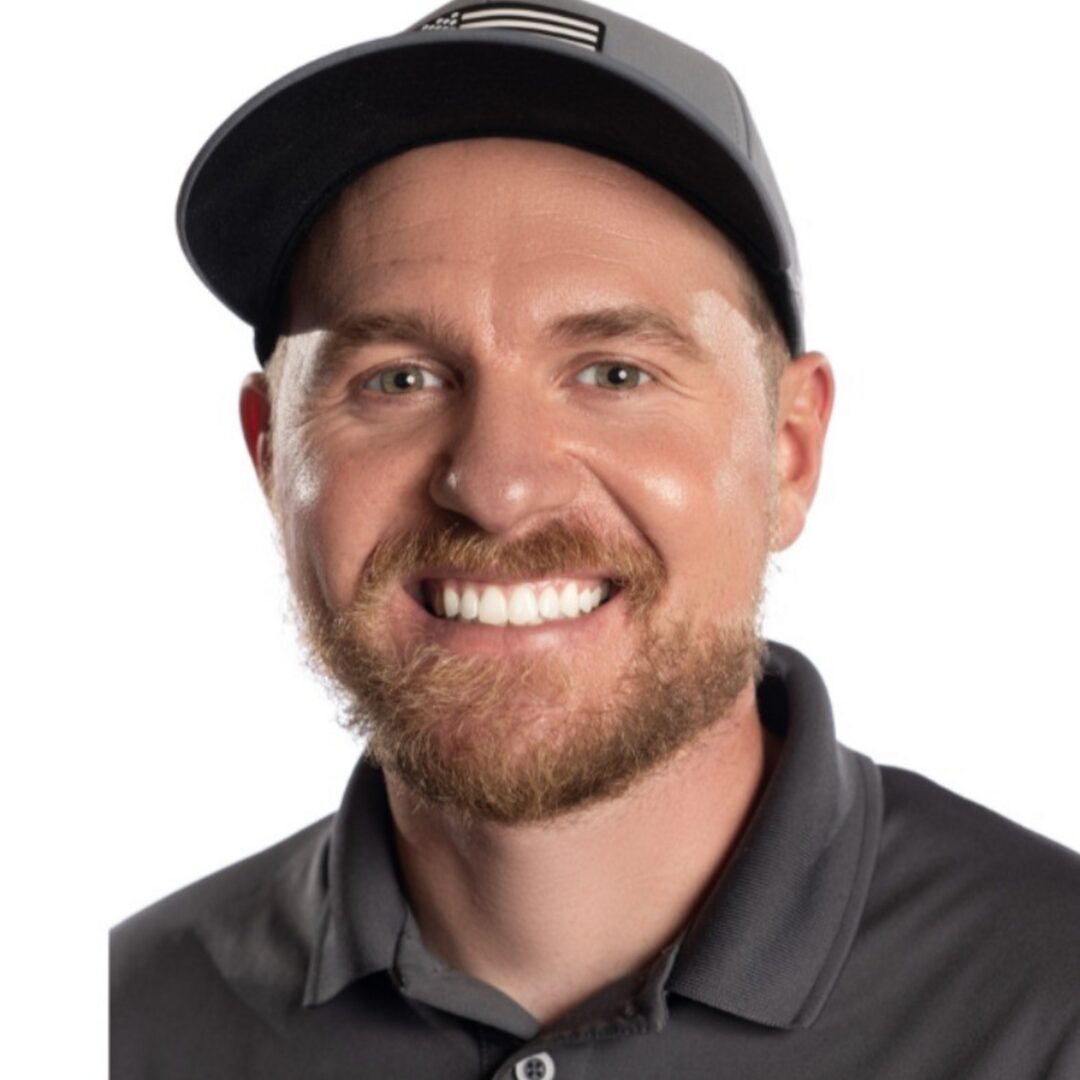
Welcome back to the show, my fellow extraordinary Americans. For today’s guest, we have Bryan Shepherd. For 36 years, Bryan has served the entertainment industry in Los Angeles. Under his company, Eagle Vision Entertainment Corporation, he has worked with every major network in the business, from CBS, CNN, and NBC to CTV and all the major studios, including Disney, Paramount, and Warner Bros.
Throughout his career, he has worked with a multitude of major celebrities from Tom Cruise to George Clooney, sports stars such as Kobe Bryant, Wayne Gretzky, and Magic Johnson, rock stars such as Sting, Miley Cyrus, and Taylor Swift, Presidents Barack Obama and George W. Bush and many, many more. He’s a four-time Emmy award-winning director of photography and has won more than 14 Telly awards for excellence in video production.
He built his business solely through word of mouth and reputation before email and social media existed. Building relationships and being consistent, honest, and reliable were cornerstones of his success. His successful experience in the television business led to a successful investing career in real estate.
Although he still serves a select list of clients in television today, he has now turned his efforts to share some of the lessons he has learned along the way that were the foundation of why he was able to be so successful in such a highly competitive and mercurial industry. He’s also a local author and speaker, recently publishing a book entitled Eagle Spirit for Sovereignty, Wisdom of the Great Masters and Natural World on freedom, power, and self-preservation.
He’s an extraordinary American, and I’m honored to have him on the show. Bryan, are you there?
Bryan
I’m here. Thank you. That’s a terrific introduction. Thank you.
Cosmos
Bryan, thank you so much for taking the time to do this podcast. I’m truly honored.
Can you tell me in the audience a little bit more about yourself, your background, your story, and how you got started?
Bryan
Well, originally, I’m from Buffalo, New York. I was raised in Maryland, and from Maryland, I went back to upstate New York to go to college for film and television, and I wanted to be in the special effects industry.
I wanted to be a movie maker, so I pursued that in college, and while I was in college, I learned television and production. I worked at a; I worked at a couple of different television stations. I worked at a PBS station there in Rochester, New York, and then from there, I packed up everything and moved out to California, and I was like, I’m going to get in the entertainment industry.
And so, the rest is kind of history. I started my business shortly thereafter.
Cosmos
Wow.
So, Bryan, I have a lot to ask of you. Many people move to Los Angeles to think of achieving their dreams and becoming successful, but most people don’t make it.
So, my question is, how did you succeed where most others would fail? Doing it?
Bryan
Yeah, I mean, that’s a good question. I mean, you know, back when I got started, you know, there were told, you know, you had to call people on the telephone, you had to, you know, pound the pavement with a resume.
And so, you know, I think what I had to learn pretty quickly was how to communicate with people. Pretty, you know, to describe to them what I could, what I could bring to the table to do that in a way in which people gained confidence in what I was, you know, going to embark with them.
And so, when you instill confidence in people, they give you a shot and say, hey, we’ll bring you on board. And so that’s what I did.
Cosmos
So, Bryan, when you came to Los Angeles after college, did you have a strategic vision of how you’d do everything or have a certain goal setting in mind? What was your strategy for attaining success?
Bryan
Well, when you go 3,000 miles from home, and I was pretty much a homebody, it was hard to sort of go out on my own. I was, you know, a little nervous about doing that. I have set a five-year plan in my mind. I was like, I will give myself five years out there. I felt like, you know, I came out here with little money. And I figured I had to get a job pretty quickly. I was good at getting work, finding work, and just about any work. But I wanted to work specifically in television.
So, I didn’t want to do construction work, or I didn’t want to do those other kinds of things that I had previous knowledge of. But I wanted to work in television. I gave myself a five-year plan. I was like, well, I’ll try to get this up and going in five years. Of course, when you come out of film school, you have an education in directing, shooting, and writing.
And so, you need to pare down what you can offer people quickly because you won’t step into the business as a Spielberg. You’re going to, you’re going to, you’re going to start way lower on the rung of the ladders, and you’re going to, you know, have to work your way up. So where is it you want to work your way up from?
So, I started in production and then gave myself a five-year plan to turn it into a career. And so that’s basically what I did.
Cosmos
Well, Bryan, I’m noticing a lot of risks involved, from you traveling 3,000 miles to Los Angeles, and there’s no guarantee of success, but you’re staking; it’s a huge risk that most people will not take.
So, my question is, what was your thought process on managing the risk and the, and like, and, and failure, and then how did you overcome it?
Bryan
Well, I mean when you, when you come out here when you don’t have anything, it’s sometimes easier to, you know, it’s easier to sort of jump all in and when you’re not worried about failure, because there’s nowhere else but up. In a sense, that’s kind of what I concentrated on. I always really felt I had something to offer. I felt I was talented at what I would and could do. I originally thought what was kind of interesting was that I originally thought what I wanted to do was write indirectly.
And when I got into the periphery of the filmmaking business, I realized about six months in that that was not for me. It’s a shame because you go through, you know, five years of a university, and then you understand when you get here six months into it that you’re not into it.
And, so, what turned me off was not being able to have a personal life. I wanted to have a personal life. I wanted to work in the business. But much of what I saw was being sacrificed as a personal life. And I didn’t feel I wanted to play that game. I didn’t want to work 16 hours a day and get up and do it again the next day.
And so, my mindset changed pretty quickly into it. Relatively quickly. Probably about six or eight months in, I realized this was not feasible. It’s just not something that I can do. And I didn’t want to be a day player where what happens is they, they. When you’re working in production, let’s say, for example, you’re gripping, electric, you know, working a 12-hour day, and then they start you an hour later the next day.
And then they get you into overnights. Eventually, they’ll get you into doing overnights. And overnights weren’t things that I, you know, found very tough to perform overnight, with sleep deprivation and that kind of thing.
So, my mindset had to change pretty quickly. And so, what I did is I went back to what I originally felt was a tremendous success in my college days: shooting, which was operating a camera. And I was like, boy, I could do that. And so, I quickly pivoted and started to focus on image-making. What could I do, where could I go, where could I shoot? And that’s how I ended up in the sports world. Sports broadcasting. And I started my career in sports broadcasting. Wow.
You managed to adapt, and you managed to pivot, which is unusual
Cosmos
So, Bryan, that is fascinating because you overcame a lot. There was a like; you managed to adapt and pivot, which many people cannot do. When they stick to something, they usually try to dig deep and do the same thing repeatedly.
But you’re somehow managing to understand that, okay, I need to change strategies, that I need to do things differently. So, is this innate, that you had the presence of mind, or is it something that you did through trial and error?
Bryan
I know it’s hard to establish where the credit would be given to that kind of pivot. But I think I understood myself very well. I understood what I was good at and what I could succeed at.
And I felt that working in production just wasn’t going to line up with my, you know, my personal life, my personal beliefs, and you know. Still, we had one other jump that we needed to make: I could go to work and work in broadcast television and shoot a camera.
And you know, basically what I was doing is I was, I was going from, you know, a football game to a hockey game and, and I was, you know, I convinced people that I could do this because I’d had it, I’d had some, you know, resume reel building images. But how do you form a business? Understanding that you can’t build a business without compounding it is important. You’re Yourself; people would always say, hey, we want Bryan to come shoot.
And that’s great, but I can only do so many jobs in a day. And when you build a business, you’re building a business beyond yourself. You’re trying to facilitate bigger productions and bring in other people and a crew of people, such as a contractor.
A contractor shows up to a job, but he has plumbers, electricians, and all kinds of other people that he’s bringing to the table, and that’s how he builds a business. If he had to show up every day and hammer every nail, his time would be limited, and the trajectory and the success of his business would be limited.
So, I knew I wanted to be a business owner. I knew I wanted to be, you know, a videographer. But, you know, I knew I wanted to work there. So, I tried to take those components. I want to be in the film and television business. I want to shoot, and I want to have a business. So now, how can I grow that idea into a feasible business that will serve clients in the entertainment world?
Cosmos
I see.
So, Bryan, when you are in this industry, right? Everybody has ideas of what the entertainment industry is about or what the television industry is about. They have different perceptions of it.
from your perspective, what, like, if you had to describe to the audience, what is the gist of the industry and how, how it goes about working in summary, like, how would you go about to expel. How would you go about explaining that?
Bryan
To give you some basics, this is a very incestuous business. It’s, you know, a PR company. There are PR companies and actors involved. There’s, you know, if you look at the entertainment business, it’s very broad. It’s a huge umbrella. I mean, the entertainment business also includes sports television. Sports broadcasting. And it includes, you know, short films, long.
So, it depends—a huge umbrella. And a lot of these things are incestuous.
And so, it’s sort of important to. Suppose you enter the entertainment business to understand the various outlets and operations. There are, of course, a lot of Amazon now or Netflix, trying to put many of these things under one company. Whereas, you know, it used to be highly individual, you know, specialized, but now they’re trying to combine all these things, and they’re trying to be, you know, powerful, in many different genres.
So, you know, Amazon will be in the movie-making business, but they also want to be in broadcast sports. So, and what I mean incestuous is that when you show up to a red carpet to do an event where you’re maybe, you know, the film is getting released, let’s say. And well, let’s just take Disney Lion King for example. They want to promote the new Lion King. Well, they want the biggest players in the business to come to promote The Lion King.
So, they’ll invite those people to a red carpet. Some people say yes, and some people say no. The more powerful the company says Disney, the more people want to cover that. What they have in these media outlets will now be their advertising arm for their movie.
So, NBC shows up with Access Hollywood and Entertainment Tonight under the CBS umbrella. All these companies are pushing out the new Disney film. And so, it becomes an incestuous operation where they rely on us to come as a, you know, as production, you know, as production outlets to promote their new film.
And so, it’s one of those kinds of things where, let’s say, for example, I was a small outlet from Minnesota, and I might not get the invitation on the red carpet because there are only so many spaces. There are only so many outlets, and that little outlet might not have a big viewership.
Disney doesn’t want them there because they will sacrifice space for somebody much bigger. And you see that now with influencers and things that you can get an idea of, the influencing, marketplace, and how that comes into play. You know, they want the people with the biggest viewers, the biggest Instagram, you know, podcasting, the same kind of thing, whether they be Tim Ferriss or whether they be any other popular podcaster, they want people on their show who have followers because that incestuous relationship allows their show to get pushed out too many more viewers.
So, you need to understand all the different dynamics and the things that play.
Cosmos
So, Bryan, let’s say you are somebody in the audience who wants to enter the entertainment industry just as you did. You inspire them, and they want to emulate you and do something similar.
But they perceive that these people, the big players, are all they are; they’re all closed. It’s a close connection thing where everybody knows each other. How would they enter this closed network of elite people in this industry?
Bryan
Boy, that isn’t easy. I can’t tell you how many people have asked me that. And it’s a crapshoot. It is. A person told me a long time ago that the success or failure of each individual generally is based on how much money they can make. The person that’s hiring them. If they see potential, if they see a Spielberg quality, if they see a person who has, you know, a quality that you can’t define, a look that you can’t define, a special quality, you know, they want that person, a special writer, somebody who has a gift for something. That’s what they’re looking for because that’s how they can generate revenue in their mind on the back end.
So, it’s very tough. It’s getting harder for people because, you know, of the sort of idea that the romantic idea is to be in the entertainment industry. Everybody has this romantic idea. It’s the people that do this stuff; it’s a job. It’s a job, just any other job.
So, it isn’t easy because many colleges now have film and television programs and are putting out many more people than the community can accept. And so, all these graduates are coming to Los Angeles or whatever, and are they going to New York or other places in Atlanta? And they’re in a big melting pot of people who want to have that same success.
So, it’s getting more difficult, and the money is starting to leave the industry. Budgets are getting tighter. More big players are involved, so the revenue streams are getting tighter. And so what I say is the funnel is getting narrower. So, it is tough. I know I didn’t answer your question, but it’s a very tough one to answer.
Cosmos
Yeah, I’m asking because there are so many people. They would want to go to the entertainment industry and work with movies if given a chance. But the perception is that it’s very difficult to get in. And, like, you usually require a lot of money, or you require a lot of connections, but you managed to go over there, like, without any money. But you did it through from the start, which is very impressive, and I applaud that. You know, thank you.
Bryan
I came here at a different time, and I think that, you know, hard work, perseverance, reliability, consistency- all of those things that I write about in my book, I mean, those. Those things all had to come into play. You have to convince somebody when you meet them quickly that you can. You can provide them with something. You can give them something, an intangible that they might not receive elsewhere. So, yeah, it’s highly competitive, and it has been and still is to this day.
Cosmos
So, Bryan, I know you’ve worked with music stars you worked with. You worked with sports stars, movie stars, and even the U.S. president. So, my question is, what is the. What are some of the biggest lessons you learned while working with these people?
Bryan
I think a big lesson, and a lot of times when I mentor people who come along with me, or I pick up as production assistants or whatever, I mean, one of the things that I sort of tell people is just kind of to know what your job is, understand what your job is, and understand what their job is. When Barack Obama shows up to an interview, whether Magic Johnson or any of them. Any sports stars you see today, such as LeBron James, are not interested in it when they show up for an interview. They’re not necessarily interested in what you’re all about. They’re trying to get their job done, they’re trying to get their word out, their interview done, and they’re trying to move on.
So, you must understand your job and what you’re facilitating and be proficient at that. And many of these scenarios that we get into, when you’re interviewing these celebrities and these stars, m. You may have a good amount of prep time to prepare, but when they come in, you must be ready. There can’t be any hiccups.
The equipment’s got to work. You need to execute quickly and efficiently. And say LeBron James sits in, and he’s two inches taller than you anticipated. You need to be able to change quickly and get it done. And get it done right. There’s a little time for tweaks, but sometimes you have these stars for 5 minutes, and sometimes you have them for 25 minutes. It depends on how long an interview might take. You might have more time if you’re doing a long format with a president or somebody else. But you need to understand what your job is.
And you need to be able to execute without flaw. Because if you can’t get it, if you can’t capture it, if it looks bad, or if somebody doesn’t look good at the end of the day, you won’t get asked. Ah, back to doing it again.
Cosmos
It seems very stressful and high-pressure dealing with big personalities. Also, I’m sure they’ll have big egos and many different offers from everywhere. So it seems a very stressful environment, especially for you. Right?
Bryan
It can be. It can be very stressful if you don’t know how to handle it. Some people don’t want to do this because the stakes are so high they may gravitate towards another line of work.
What’s important to note to your audience is that you often need a blueprint to be a successful business. You need to understand when I got into providing production services, which meant gear and equipment and guys and other things, audio recordists, and all those other things, I needed a blueprint. I wanted to be; I wanted to play at the highest level of this industry.
And so, what I did is I modeled myself after guys that I could get a glimpse of. I was like, what are they good at? What are they? So, I studied other people. How do they pitch themselves? How do they, you know, pride themselves in the marketplace so that they’re not overpriced and underpriced, and they’re not undercutting people, and they’re, you know.
So, you need to understand your marketplace. You need to understand where you fit in and model yourself after somebody with a degree of success you want to achieve and then try to go down that avenue.
Cosmos
I mean, that’s one of the common themes in my mind. All my interviews with guests involve mentorship and a community of like-minded people. It accelerates your growth a lot.
And that’s something that I advise my audience. You must find the right mentors if you don’t have the right Mentor with whom you can model. It’ll take you years, maybe decades, to get to where you want, where you could have gotten it in a few years or months.
So, I agree with that. Absolutely.
So, Bryan, what was your biggest challenge in the industry, and how did you overcome it?
Bryan
Biggest challenges. Wow. I mean, a big challenge is staying viable to people. Over the years, it’s changed, and you need to be able to pivot and see a little bit into the future of how things are going and how television production is changing. You needed, you know, some of the biggest challenges, such as going through format changes. I came in at a time when people doing what I was doing were doing it all in film because I gravitated toward broadcast television. And that pivot that I made was out of film and into television.
And so, I needed to understand, you know, okay, what are the tools of the trade? They were shooting a lot of broadcast television in film, which was being transferred over. But now we were pivoting to television, specifically video cameras. And so that’s the time when I entered the business. And then we went from video cameras that were shot in television aspect ratio to video cameras that were now shot in cinematic ratio. The biggest challenges were getting financing and trying to figure out how I would provide my clients with state-of-the-art equipment because that was a sizable investment.
And that was one I took on just by putting things on my credit card because, you know, or whatever. I had, for a brief moment, a partner from college. We sort of partnered together. Then I realized when this would be a success, and I bought him out. But that was probably the biggest challenge: what gear would I need, and how would I be able to afford it? And then as time goes by, you know, you’re going from videotape, now you’re going into digital formats, and you’re going into high definition formats, and now you’re going into 4K.
And so you have to have your eye on the pulse of what’s going on and not get over-leveraged by your investments, but also be able to provide your clients the right stuff at the right time.
Cosmos
So, Bryan, I think that the advent of the Internet and social media and everything, I’m sure, would have profoundly affected broadcast television because before, much of the entertainment was just through TV. And, like, now you have the Internet and a laptop.
And so, I wouldn’t know how it would have affected, but I. There would have been so much change going on in the last two decades, for instance.
Bryan
Absolutely. The last 10 years have weeded out many good and bad people. It’s changed dramatically in the last 10 years. I mean, the Internet has found a way to dismantle and change a lot of industries. It changed the entertainment industry dramatically. People have started to get their information very quickly online. They didn’t tune in. And that’s why much of the money is leaving the entertainment business because of the Internet.
However, many operations now focus on the Internet and how to get content out quickly and efficiently. Live trucks, for example, when, say, a Michael Jackson trial was happening, there was live truck after live truck after live truck. There were satellite farms at some of these, the OJ and the Michael Jackson trials.
But now what was then being pushed out on a satellite truck is in the size of a, you know, a backpack. We can push that out without a satellite truck. And so that changed the industry dramatically, and they’re able to, you know, livestream a lot of that stuff. So, you need to set your sights on where things might go and anticipate where the business might turn.
Cosmos
So, many people have said that in the last few years, since AI is now becoming a thing, it will radically transform many industries. But from your perspective, will it alter the entertainment industry even more?
Bryan
Oh, absolutely. Yeah, absolutely. I mean, what are your thoughts on AI? I’m, like, curious.
Cosmos
From your perspective, how would you see something as incredible as AI altering your industry in the next few decades?
Bryan
Yeah, I mean, I. Okay, because there’s one part of me that is this, that is this businessman and entrepreneur, and then there’s another part of me that has a total spiritual side, and this is now where my two worlds collide. Right.
Because, you know, you can take a likeness and change the movement of the mouth. You can change the language I’m speaking right before you. Even if you’re looking at me talking, they can manipulate my mouth now so that it looks like I’m speaking Spanish, and then they can put it in Spanish. So, it’s just going to change everything.
And it’s going to change it relatively quickly. These technologies build on top of each other, and once the baseline is established, you can put another component in the mix, and things change exponentially, even faster. And so, I gravitated more to my spiritual self than a technical guru. Especially at this point in my career, Bryan.
Cosmos
It fascinates me because humanity went from one generation to another for thousands of years without change. Then, in our generation, we have seen a radical change, from the average TV to the Internet, social media, and finally, AI. It’s just ridiculous.
Bryan
It’s a daunting thing to understand. I sometimes wonder what people will do if so many operations are automated. Will we just find a more comfortable, relaxing life? Somehow, people will be able to create revenue streams that are more digitally oriented so that they can spend more time doing other things in life instead of worrying so much about, you know, making a dollar.
So, you know, the future is the wild wild west. And hats off to those of you who are the generations to come.
Cosmos
Yeah, I mean, it’s going, it’s just going to change even more radically.
But one of the things that I wanted to know because it’s. You’re talking about spirituality, and you’ve hung out and interacted with many stars, right? So, you know, American. Many people view the American doctor as if they want to be celebrities. They want to have the mansions, the cars, the fame, and all that stuff. But a lot of times that the. Many people notice that that doesn’t lead to happiness; attaining some level of spirituality leads to happiness.
So, from your perspective, what constitutes the ideal of attaining the American dream and pursuing happiness?
Bryan
From your perspective, boy, I mean, that’s one that. That subject was so big and cumbersome in such a way that I felt I had to write about it. And that’s what I chose to do. I chose to write about sovereignty and how to maintain it. But your question is more geared towards celebrity, culture, etc. I try to explain that being a celebrity and well-known is not easy. It’s very demanding. I said in the beginning that all kinds of people feel you are a ticket for them. They feel like, in some way, if they can attach themselves to you and get you in their movie, you can somehow punch their ticket.
And so, everybody has their hand in the cookie jar. It is a very tough business to be in as a celebrity. Whether you’re a sports star, you must continue to perform night after night. And as you see, there are some people with very, very short careers in basketball and hockey and football because, you know, there’s always somebody there ready to take your job. There’s always somebody there who’s bigger, faster, stronger.
So, if you’re LeBron James, you’ll spend millions of dollars a year staying in shape, just at the top of your game. If you’re a celebrity, you must make incredibly smart choices about what you engage in and invest your time in. There are lots of celebrities who picked the wrong movie and didn’t get the accolades that they might have otherwise gotten. They might have won an Oscar had they picked that role.
So, it comes with a lot of, you know, hand wringing. It comes with a lot of pressure. Everybody wants your time. They want you to promote these movies so that you might have done a role, but now they want you to go out and promote that movie. They need your face out there.
So, it’s very demanding. It’s a very tough job. And we’ve created this celebrity culture where people want to be a celebrity, be wealthy, and have a mansion. But I can tell you that, and I’ve seen it firsthand. I’ve seen the most incredible mansions that you can ever imagine.
And those things come with a staff of 20 people. You know, you need just a team of gardeners. You need, you know, and everybody’s tugging at you. Your, Your purse strings. They want, you know, they, you know, they want a bite of you somehow. They want you to pay for something. I can’t remember. Jamie Foxx told a crazy story about his electricity bill. It was just $10,000 a month for electricity. And, you know, he was struggling financially, went through the house, and was flipping off every light and saying, Guys, why? Why is every light burning? I got a $10,000 electric bill, and I’m. I’m almost bankrupt, having to sell. I have to sell a car. And he said a car. Selling a car wouldn’t even pay for his monthly electric bill.
So, can you imagine the stress he has, you know, showing up to an interview with me? So. Be careful what you ask for, Cosmos.
Cosmos
Yeah, I’m asking because, like, in our country today, many people consider the American dream to be a celebrity. For example, let’s say it is Taylor Swift or LeBron jeans. Like, if I can just. If I can just make it, you know, like, I’m going to be happy.
But what I’m getting at from here is, what I’m hearing from you is that just because you become a celebrity or you become rich and famous doesn’t mean you’re necessarily going to be happy. You just reach a new level of normal. And then the. The state of happiness and unhappiness, it. It ultimately comes from a higher sense of spirituality. Which, Which. Which brings me to your next question.
I wanted to ask you about your book, The Eagle Spirit for Sovereignty, because I know you wrote it. Could you tell me and the audience more about it and what premise motivated you to write it?
Bryan
When I started to look back at my career, I started to. I did a little bit of deconstruction. I was like, what got me here? Am I happy where I am, and do I feel successful? What got me there? And I went back to early childhood to find out where I got the. Where I got a sense of who I was. And so, the eagle played a big part in that. I grew up in a part of the country where there was a wildlife refuge, and the eagle was an endangered species that had become very threatened and endangered for several reasons. But one of them was for poisoning.
So, I established a real affection for the bald eagle, specifically because that was what we were rehabilitating to try to get back into the wild. So, I picked it up from there. I was like, the bald eagle taught me so many lessons about life and living. When I evaluated it as early as I don’t know, just out of high school, I was formulating a moniker that I would fly under A logo, if you will. And the eagle was in my logo. And I was like, well, why is that?
And so, I wanted to teach people what the natural world taught me about success. Where did I learn a lot of these lessons? I learned a lot of these lessons from the bald eagle. One of the things that the bald eagle taught me was how to be a survivor. How to be, how to. How to. How to thrive, from. And come back from the brink of extinction. And that was one of the first lessons it taught me. And I was like, wow, what else did it teach me?
And so, then I started to. I started to compare my life, you know, as I grew into this person who would have been, eventually, known as Eagle Vision Entertainment. And I was trying to give people an understanding of how the bald eagle can teach you lessons about life. But then, As I started to peer deep, more deeply into my spiritual undertakings and my spiritual philosophy work, I started to understand that nature started to teach me or was teaching me a lot about how to function in the world on a spiritual level.
And so, I started to look at all the great masters throughout time, even, you know, ascended masters, but even masters that we knew at our time, where they’d be Martin Luther King or whatever, these people were great spiritual masters. I mean, they understood spirituality to the degree that we normies didn’t understand, and they were able to capture that and teach it to us.
Now, I have started comparing what the natural world was teaching me with what the spiritual masters were teaching us. I started to combine that all into one text and one book. And I think. I did a good job pulling it all together and understanding what the natural world and the spiritual masters teach us about living in the world and thriving.
Cosmos
So, Bryan, what is it about nature? From your perspective, what does nature teach us about survival in this world? I know you mentioned nature, right?
Bryan
Yeah. I mean, well, nature is always growing, always changing. Everything is always changing in nature, all the time. There’s a constant cycle of birth and rebirth and rebirth and rebirth. And I think that understanding that I started to peer into native cultures and native wisdom and totemic cultures and totemic cultures when they understood nature.
And, this is a really important question, ah, that you’re touching on, because when you understand nature and when you understand totemic cultures. These indigenous cultures thrived so well because they incorporated everything about the earth and nature into their life. There wasn’t any stone that went unturned. Stones had spirituality, spirit, rocks, places, and natural things. And they celebrated this circle of life and this sacred hoop, as they call it.
And so, everything in nature has a purpose. And when you understand that everything in nature has a purpose and that it’s here to serve a greater good, you understand that we are not alone in overseeing all these things. We are just one tiny component on that sacred hoop. And we rely on everything in that hoop or on that hoop.
Cosmos
So, Bryan, the Native Americans had a philosophy of being one with nature. And then, there was. I find what you think interesting because, ultimately, there was a clash of civilizations between the Native Americans and the Western civilization.
And obviously, Western civilization took on. But before that, America was very nature-oriented and wanted to be in harmony with nature. And then, we got modern civilization.
Bryan
Absolutely.
And I think you’re so astute to point that out because the founders of this country were naturalists. I mean, they looked at the beauty of nature. They looked at the plants and the animals and all these great things that they’d come from a different culture, and they hadn’t seen some of them. I mean, the bald eagle, for example, is only known here in North America. It does not live anywhere else. It’s native to North America, so it’s so apropos that the bald eagle is our national bird or has recently become a national bird. Because everybody thought that the bald eagle was the national bird, but it didn’t happen until this Christmas. It became the national bird.
So, the founding fathers were naturalists who understood nature and its value. When they came here, the colonialists came with this different mindset. They came with a mindset that capitalism was the key. And this is where I think our history takes an ugly turn.
And we started now to think of dominating, being the best, being number one, being the biggest producer of cotton, being whatever it might be, being number one. What happened from being a statement culture, which is Native Americans, to being a colonialist mindset is that we now looked at how we would dominate, how we can dominate, and how we can be the best.
And we changed our mindset from. Or at least the Native Mindset was forced to be changed from a circular mindset that I was talking about the sacred hoop to a mindset of nearness, which is a linear way of thinking about numbers. Number two. Number three. Am I number one? Am I number two? Am I number three on the list? We started to think linearly, and when we did that, we started to abandon all of the great spiritual ideas behind nature, animals, the importance of nature, and Mother Earth.
Now, we have started to dominate Mother Earth, and we have started to pull her natural resources. And literally, we’re changing; we’re changing nature with our dominance. And that’s one of the things that I think we need to change.
Cosmos
No, I mean, I agree with you. And I would add that I think that if there is no, there is because right now, capitalism is somewhat neutral.
So, if we continue to overuse the Earth’s resources, eventually, there’ll be a reaction or depletion, and then we’ll have nothing else left after that.
Bryan
Well, there’s some, yes. And some people think oil, for example, we’ve found clever ways to pull every drop of oil we can from the Earth. We’ve now engaged in fracking instead of drilling straight down, and instead of being able to go this way, now we can go sideways in the Earth to pull every bit of oil out of it that we possibly can. Well, the Earth, I mean, sorry, the oil acts as an insulator for the core of the Earth.
And we might be experiencing some climate differences here and a warmer Earth because we’re removing what this insulator is. Oil acts as, I should say, petroleum, an insulator for the Earth’s core. What are you doing when you remove the insulation from the Earth’s core? You’re changing the structure of Mother Earth. This is, quite frankly, the thinking that the Native Americans were so very concerned about was that we think here with our minds, and we’re very clever at being able to create technology to do all these things. But the Native cultures were worried that we weren’t thinking with our hearts or answering problems from the heart. We didn’t understand the problems from our hearts.
And so this is what troubled Native cultures and, quite frankly, was their undoing. Because I think the powers that be, political powers that be, did everything that they could do to annihilate the Native American culture.
Cosmos
Ultimately, I feel it’s almost a battle between me, me, me, narcissistic culture and the more empathetic culture. The empathetic cultures tend to be more attuned to nature. But that’s something that I’ve realized over my time here.
Bryan
Absolutely. Yeah. I couldn’t have said it better.
Cosmos
So, Bryan, are there any projects you’re working on right now that you want the audience to see?
Bryan
Well, I mean, I’ve just published the book. Ah, that’s something that is quite an undertaking. It was, you know, as somebody who’s been behind the scenes my whole career, and launching a new book was interesting. If I can, I’ll just show the COVID.
If you see this, it’s on Amazon. But that’s mine. My latest endeavor. And it’s. And it’s really about speaking about these concepts and totemic cultures and why they’re important when speaking about the bald eagle. And why we should revere the spirit bird. Why has he been such a great mentor? You raised the idea that people need to have a mentor. Well, my mentor, as a very introverted person, my mentor was the bald eagle.
And so, I looked to it for guidance in what it represented. You know how the country has flown this moniker: the bald eagle is our national bird. But why? Well, it’s sovereign. It is the epitome of sovereignty.
And so, my thinking now is to get the word out there, to try, to impart some of what I learned to other people about why it’s important to honor and preserve our Mother Earth, the creatures that roam it, why they’re so very important to study, why they’re so important to honor and respect.
And this idea that we can be needed to be reciprocal in understanding Mother Earth’s and nature’s needs and honor those things as we punch into what you. What you were saying earlier is these, these new. This new way of thinking, this new technology, all these things will take over. What will happen if we don’t have the heart and spirituality we need to get through?
Cosmos
No, I mean, I couldn’t agree more. And I would recommend anybody listening. This should take a look at your book. And yet, we need to have more spirituality in our world because I feel we’ve become very narcissistic and materialistic as a society.
But Bryan, can you tell the audience how to connect with you? I’d like to know you, your work, and everything you do.
Bryan
Well, I do have an Instagram. It’s Eagle Vision La., which is, I’m sorry, Eagle Spirit. Eagle Spirit La. That’s my Instagram. You can reach me at Bryan @eaglevisionla.com. Those are two ways to reach out to me. I’m not opposed to actually interfacing with people directly. So, if you want to reach me through Instagram, it’s Eagle Spirit. And if you want to reach me by email, that’s fine, too.
Cosmos
Amazing, Bryan. I’m so grateful you took the time to come to this podcast and do this show with me. The lessons you have taught us are very valuable. We all need to know this, and I do hope that you come to this show at a later time.
Bryan
I certainly will. And I can’t thank you enough for inviting me.
And I want to share a bit about the book with your audience because I think. However, it’s the Eagle’s spirit for sovereignty; it’s important to note that what I talk about ultimately in this book is a concept that I raised, called spiritual sovereignty. And we need to exercise spiritual sovereignty. We need to find out who we are, and we need to protect and preserve it. And that’s what the focus of the book is.
So when people tune into the book, or you purchase it and look at it, you’re going to understand that I’m aiming toward how we can cultivate our inner spirit and preserve and protect it. Some people, over time, I said anywhere, from Martin Luther King to Nelson Mandela, had their freedom taken away, but nobody could take away their spiritual sovereignty. And I think that’s the important concept we hit on in the book, and I hope people take it away.
So, I can’t thank you enough for having me on your podcast. And I think what you’re doing is great work, and I champion what you’re doing, and I respect and honor it. And I wish you all the best.
Cosmos
Thank you, Bryan. I appreciate that. And I want to conclude this episode by letting my fellow extraordinary Americans know that. Hey, look. There’s something extraordinary within every one of us. We must awaken it and unleash it. Until next time. Bye for now.


 Amazon Music
 Apple Podcasts
 Audible
 CastBox
 Castro
 Google Podcasts
 iHeartRadio
 Listen Notes
 Overcast
 Player.fm
 PocketCasts
 Spotify
 Stitcher
 TuneIn