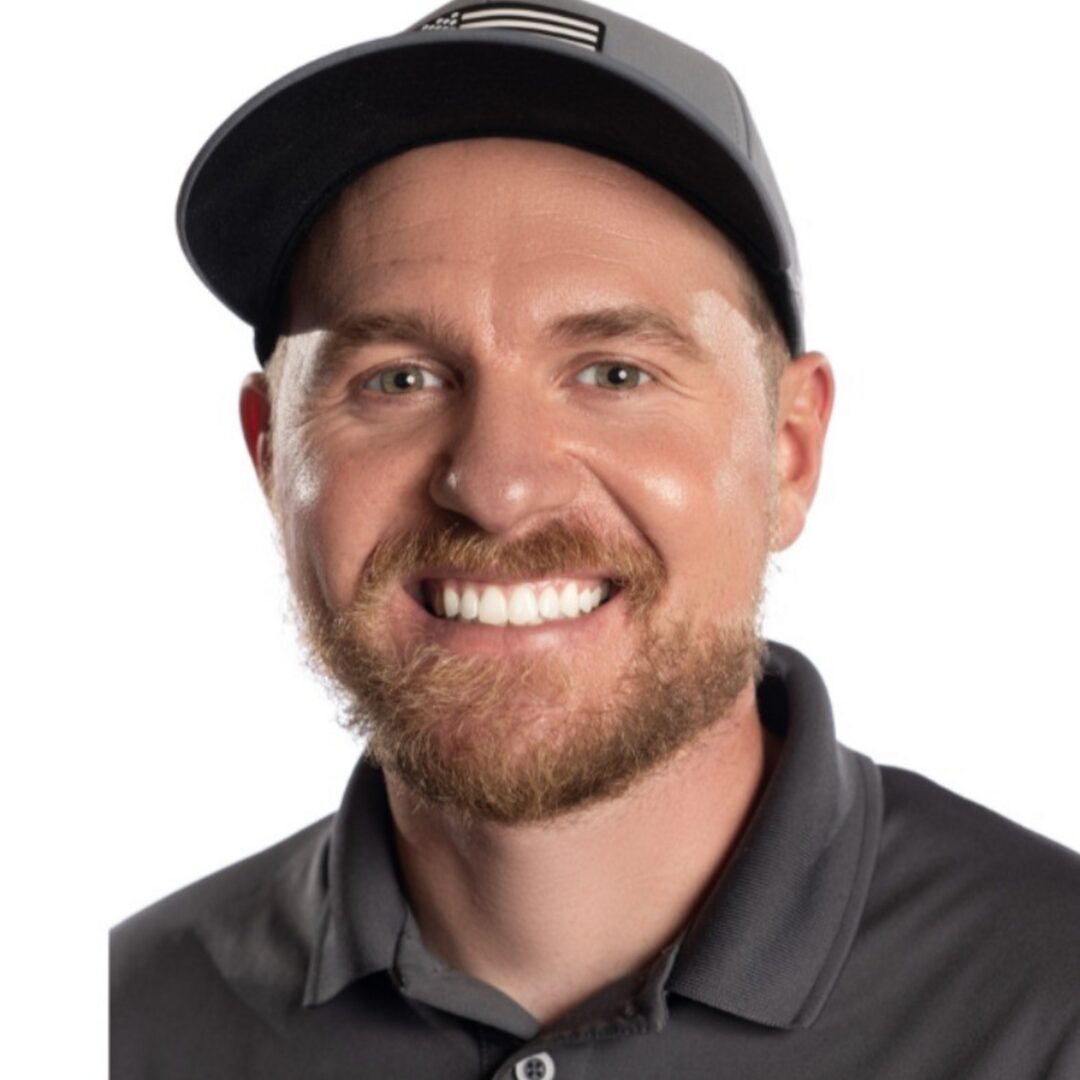
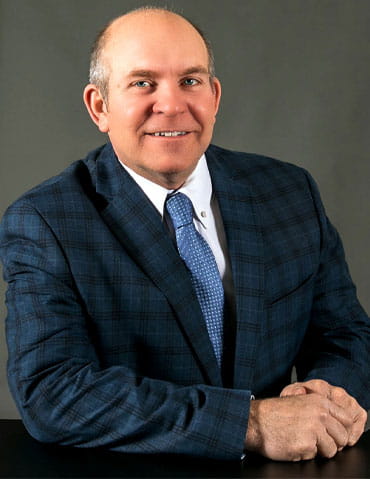
Cosmos
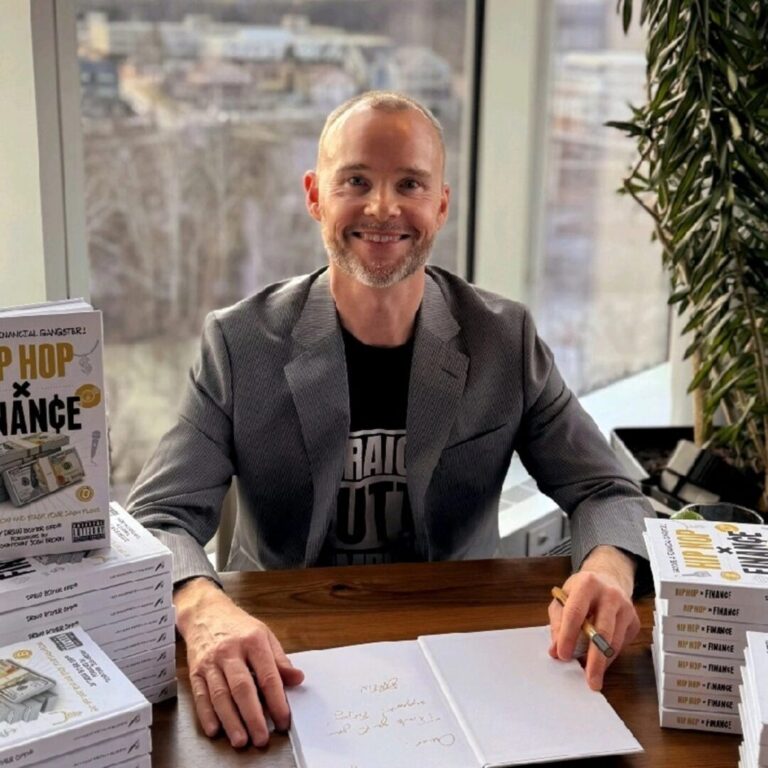
Welcome back to the show, my fellow extraordinary Americans. For today’s guest, we have Drew Boyer. Drew is an experienced financial expert and a certified financial planner with over two decades of experience helping individuals and families navigate their financial journeys.
Raised in Ohio, Drew’s upbringing shaped his values of hard work, financial responsibility, and entrepreneurship. Lessons that he now imparts to his clients and readers. He’s the author of Hip Hop into Financeconenct, become a financial gangster, Gets Off Death Row, and Stacks Your Cash Flow, a fresh take on personal finance that merges financial education with lessons from hip-hop culture. In the book, Drew draws on his experiences and the financial journeys of well-known figures in hip-hop to offer accessible real-life insights into building wealth, managing debt, and avoiding typical money pitfalls.
A passionate advocate for financial literacy, Drew blends his expertise in personal finance with his deep love for hip-hop culture, using the lessons learned from both to educate and inspire. From witnessing the rise of hip hop in the golden age to overcoming his financial struggles, Drew’s life story mirrors many of the triumphs and pitfalls in the financial world and the music industry. He’s an extraordinary American, and I’m glad to have him on the show. Drew, are you there?
Drew
I am, thanks. Cosmos. Happy to be here.
Cosmos
Thank you so much for taking the time to be here, Drew.
Drew, can you tell me the audience more about yourself, your background, and how you got started?
Drew
Yeah, so I’m in Ohio. Where are you at right now, Cosmos?
Cosmos
I’m in Florida right now.
Drew
Florida. You got it; it’s 19 degrees here. It’s probably a lot warmer down where you’re at, but I’m a lifelong Ohio resident in the Midwest. And I grew up pretty much in the farmland in the upper right-hand corner of Ohio. I grew up with a veterinarian as my father, and my mother was a schoolteacher.
They instilled in me and my three brothers hard work and entrepreneurism. I had to figure everything else out.
So, I started there. I eventually left and went down to Ohio State University, where I got a degree in economics. Then, towards the end of my junior-senior year, I was introduced to the finance financial services industry doing an internship at Merrill Lynch. It opened my eyes to the world of financial services and how to help others. And it just so happens since you said I’ve been doing this for 20, 20 years now; it was right after the tech bubble burst in 01. And there was all this chaos going on, and the lady that I’d worked for as an intern, I, every week, I had to put together some kind of communications to calm clients down and educate them about what we were going through the best we could in real-time.
And it spoke to me and wanting to help people with their finances. After that, I graduated from school and started at a mutual fund brokerage place called Waddell and Reed. I met a few nice people there and did that for seven years. Right before I left there, I had the great luck of going through a great financial crisis. And so, five years’ worth of work evaporated in about two weeks. I also got a new education about how fast things can go up or down. I retooled myself there, and I have been independent ever since. And so, I’ve been doing what I’ve been doing as an independent financial advisor. I got my CFE a couple of years ago, and I am a certified financial planner.
And I’m happy to be helping all kinds of hundreds of families right now figure out their retirement planning, investments, and generally just how to plan. And they come to me in all kinds of different stages of life, whether they’re in debt or have means. And I’m trying to make a path clear for them to get through that.
Cosmos
Dude, there are a lot of questions I have to ask you, but one I wanted to ask was how your strategic vision for your future career evolved. Especially during the crisis of 2000, seven crises happened before and after. And how did it shape it up to where you are today?
Drew
So, I’ll answer pretty simply. I think that when you have creative destruction going on in the economy or with anything in life, that breeds innovation. And so, where I had started two decades ago, it is commonplace that when somebody wanted to work in financial services, you would have to pay a commission if you invested a hundred dollars. So, you would start at 95 and lose the first five. Since then, it’s moved to a different platform called fee-based.
So, you get $100, you start with $100. Now, if you’re working with somebody else without contracts, you can break away from that.
But before the great financial crisis, I had discovered that I needed to get out of this commission business where people were starting at less than what they had, which generally didn’t go over well. And what kind of value can I provide? When the great financial crisis occurred, I was forced to innovate and make the moves I needed to get to a fee-based advisor. So that’s where that started.
Cosmos
So, Drew, I know you are passionate about the hip-hop and music industries. So, from your perspective, how do these two worlds of hip hop and fin and financial services collide? And how does it help somebody who wants to be financially free?
Drew
Yeah, great question. Before I had to grow up and get a real job, I was a drummer in bands. And all through high school, so music has always spoken to me. And before going down this bucket list of trying to write a book about how to teach financial planning, most people I, I, I’ve watched in my own office, right here in the seat across from me, they, they can start to fall asleep on you pretty quickly if you’re not entertaining or engaging.
So, the idea of blending my two loves of music and finance is that I needed to be able to write something entertaining but also educational. If you look at all the different genres of music, I’m a big fan of all kinds of music. But there’s one overtly over-the-top, flaunting wealth or supposed wealth that always tends to be hip hop.
And so, when I was growing up in the late 90s, you know, you’d see all these big over-the-top videos and music and the, the cars and the women and all these things that they were flaunting at that point, that speaks to an 18-year-old, right?
So that got it moving in my head. The book was an ode to my 18-year-old self. If I could go back in time and teach this 18-year-old about basic financial concepts or the 25-year-old me in the book, where I woke up one day, and I’m in $100,000 of debt, bad debt, that 18-year-old needs to get educated.
And so I started thinking more and more about how we live in a celebrity-obsessed culture. I can use somebody else’s huge failures to teach one part of the financial planning process or somebody’s huge wins to teach the good parts of financial planning when you get some wealth and start investing. That’s the concept of the book. And so, you know, I tell stories of MC Hammer to Kanye West, Jay Z’s in it, and also Dr. Dre. I’m picking one part specifically for each chapter, which I call a track, to try to keep it music-related, to teach a basic part of financial planning, going from debt, getting off debt row, and then building your cash flow and how to give back ultimately.
Cosmos
So, Drew, there are so many questions to ask him here, but one of the questions I wanted to ask was, how should the people in the audience listening to this manage debt and get out of debt to attain a level of financial freedom from your perspective?
Drew
Great question. So, I’m going to pull from Warren Buffett. If you’ve heard of him before, he’s generally accepted as the greatest of all time and the greatest goat of investing. He’s, you know, getting close to not being around anymore at age 95, 96 right now.
And his quote on how to get out of debt or make bad decisions was, when you find yourself in a hole, stop digging. And so, my advice is that it’s that simple for everybody. Just stop digging because you’re just going to keep going lower. I had. When I graduated from OSU out of state, I was gifted this Discover card that kept sending me these checks through the mail. And I got to the point where I had to start using these things and cashing in to make ends meet.
And all of a sudden, I wake up, and it’s maxed out. One day, I had student loans just everybody else these days, but mine were only 25,000 versus a hundred thousand. And then I had some family loans to pay off. But generally, you got to stop digging if you’re there and figure out how to, how to get live within your means and then start putting that and having a plan on paper about how long it’s going to take to be able to get out of debt and keep with it, keep your rhythm. It didn’t show up overnight. It’s not going to go away overnight.
Cosmos,
It’s funny, right? Because of the concert of debt, it’s easy money and very alluring. And it just, it’s kind of a promise, where…. I’ll just think about it later. It’s a spend now, pay later, but when the latter comes in, it’s, oh, wow, how do I deal with this? It’s not just a student debt. It’s also credit cards and mortgage bills, and it just racks up and consumes. It just leads you to financial slavery, which is part of the reason why I started Extraordinary America, ironically.
Drew
So. Great.
Cosmos
So, Drew, my question is, if, if. If somebody is deep in a hole—that’s right—where they have mortgage bills and credit debts, and now they need to stop digging deeper into the hole, how do they plan to reduce debt over some time?
Drew
Great question, great question. And the one thing I would say since I’m, you know, I’ve been in the game for 20 years, when I was just getting started, you had to swipe a credit card or take a check and deposit it. It’s gotten so bad that the tech companies have figured out that if you just click one button, you buy it, and it’s done. And so, money is kind of ubiquitous. It’s not. You don’t see it anymore and feel it.
Cosmos
It’s not physical.
Drew
It’s just, yep, this goes ones and zeros everywhere else. So, I hit the wall where I couldn’t run up any more debt. And so, at that time, you might find it funny, but there’s a show called The Apprentice in the book.
And I was watching Donald Trump on there when he was just Donald, you know, not President Trump, every week talking about firing people and doing the COVID handed people, and you’re fired. But he had written a couple of books or had some really good ghostwriters and made a book. And one was about how he had been going from a billionaire to a negative—a billion dollars in the hole. And there’s a point in his book where he’s telling his daughter, he’s, you see that bomb over there? He has a billion more dollars than me.
And I’m only $100,000 in debt. I can do this. What he would do, what I learned, and something basic out there can be shared with everybody is that banks would rather have something than nothing. And so what he would do is go in, he’s, I need to negotiate all my debt, but I can only afford to pay you this. So you can either have something, or I’ll just go bankrupt, and you get nothing. In a nutshell, that’s what he would do. So I called a credit card company on the back and said, I can’t pay you next month. And to my surprise, they said, hold one minute.
And I got put through what’s called a debt remediation department. It’s a whole department at these credit card companies where they’re there to help get all their money back but maybe bring your 30% interest rate down to something much more manageable, 5%. And they offered me the deal to get it paid off in 60 months. They brought the interest rate, I think, down to 4 or 5%. The only thing is, it did not hurt my credit at all. It helped build it, but I couldn’t use the card, so they froze it. But I knew that within five years or less, if I could put more money towards it each month, it would be paid off, and then they would close the account.
I got off that. I immediately accepted the deal and called up the next place because, unfortunately, I had about four different cards. I repeated it, and they. It worked every single time. I felt a huge weight was off my shoulders, and I knew there was a way out. Now, that’s a great piece of advice to share with everybody.
Cosmos
Wow, you’re telling me that you can. So, you can negotiate with the credit card company, and they will reduce the interest rate from 30 or 25, whatever it is, to a manageable 5% or 10%. You can talk to somebody who will do that. But I think that’s something that many people do not know about.
Drew
It’s all financial education, right? There is. There’s. There are so many things about this job that I’ve learned over the years that are not taught in school. Right.
That’s the whole point about how I make this entertaining to educate. There is no basic financial literacy class in any school. You’re learning from your parents, an uncle, or somebody else you might know. There are ways to do things to help you get ahead. And it’s almost kept it’s a secret. And I’m trying with the book to get the secrets out there to help everybody, but in a fun and engaging way. That way. Yeah. Banks. Banks would rather have something rather than nothing.
Cosmos
Well, so, Drew, as a continuation, what is your perspective on how banks run their business, and what should the average person know about banks to be ahead of the financial game?
Drew
Yep. So banks are in business with everyone else, and I believe in capitalism in America, number one. But they’re not trying to help you out all that much more. You have to watch out for yourself. And I’ve met people who have had the same checking account for 20 years even though they’re getting a 0% interest rate.
And I will talk to them now about whether you have ever checked out a high-yield savings account and said a different bank. They’re mostly online, but you want to ensure they’re FDIC insured so it’s not some imposter bank trying to take your money. But Instead of getting 0%, how about 4? Because where interest rates are at, they’re right around there right now. And it’s amazing to watch people; I don’t know if I can move my money somewhere else. The bank’s taking your money for zero, and they’re loaning it out to somebody else for at least 10, and then they keep the spread. And there’s nothing wrong with that; that’s just their business. But if you think they work for you, you should think again.
Cosmos
Wow.
And, when advising people on finances and everything, what’s the biggest insight you have come across about people regarding finance? How do you go about their finances in their daily lives?
Drew
Some people just spend everything they make and do this for three decades. Then, right before they have to retire because I do, I work with a lot of hard-working, blue-collar Americans, from police officers and firefighters to nurses to people that work in the utility businesses; they’re a couple of years out from retirement or maybe a year. They’re, oh, I need to start saving now. If you don’t have a pension, which is kind of going by the wayside, you should have been saving the entire time.
So I’ve been more amazed that people have been spending everything they make, and they’ve made it through life. But if you don’t have a pension or any other savings, you’ll have to figure that out late in the game. So the earlier you can wake up to this, the better. So that’s why they always say save early and often. And it’s time in the markets, in the stock markets. Not trying to time them at all. Got to give yourself time to build.
Cosmos
As you mentioned, many people live their lives in the present moment. But when they reach retirement age, they don’t have much saved up.
So, how will they go about the rest of their lives? After 65 or anything? They’re getting older and older, and now you have the threat to Social Security and everything. With inflation, the same amount of money we had in the 1960s and everything else will buy less and less stuff. So now they’re forced to go to work.
So, from your perspective, you have to advise the audience on financial planning. How would you go about doing that?
Drew
You must start early. There’s a stat that if you are between 18 and 28 years old for only 10 years, how much would you have to save? If you did 10 during that period, how much would you have to save when you get to your 40s? Suppose you have never saved before, and it’s something 40%. In that case, your best friend is time with almost anything, especially with money and investing, doing it systematically every month and giving yourself the benefit of savings over time.
So, compound interest can work. And for anybody out there listening about what a compound is? Interesting. There’s a good Albert Einstein quote. It says he who understands compound interest makes it, and he who doesn’t pays it. Be the person that makes the compound interest. Right. And so your money sits there, and it grows on itself year after year. That’s why he called it also the eighth wonder of the world.
Cosmos
So, Drew, since we’re talking about compound interest, how do you, from your perspective, think somebody can practically use compound interest to grow their money?
Drew
Yep. So, basic stock market portfolio, I’m talking in generalities, but if you’re trying to get 8% a year, you put in $100 the first year, knowing that it does go up and down and all the way around, but generally speaking, up and to the right. It’s coming through at the right angle there. The next year would be $108. The next year after that, it wouldn’t be 116 because it would compound. The 8% will compound up to 108. So, it’s not just eight bucks a year; it goes from 8 to 10 to 20. And it keeps growing your money over and over.
So, if you keep putting a little bit of money in every single month, you’re buying at different prices in a market that you and I don’t know whether it’s going to go up and down, but over the long term, it’s always gone up and to the right. That’s how you’re growing your money. Someday, you’re going to wake up, and your earnings will be the same amount as what you put in, and then, it’s slowly going to be more earnings than what you’ve contributed. And that’s why time is your best friend to be able to get started.
So, you’re not a 65-year-old who only has Social Security. Social Security. People weren’t living as long when it was invented, so it was only meant to be four years of your life and never all of your income. And you know, as time went by after that, the government added on some more savings plans with the advent of mutual funds, the inventions of mutual funds. Eventually, stocks have been around for a while, but investing has become much easier for people. Now, we have ETFs so that you can buy fractional shares of stocks. There are all kinds of ways to get started. And so I would encourage everybody, it doesn’t matter how much you start with, just get started.
Cosmos
So Drew, let’s say you’re an 18-year-old, you just finished high school, and now you have the option of I have to go to college; should I rack up student debt?
I should do so if I want to have the foresight to financially plan the next 20, 30, or 40 years of my life. How do you advise this person?
Drew
Great question. The first thing that I tell all of my clients for their children is that they, first off, have never saved up what they call a 529 plan, which is a plan that parents or grandparents usually open. And I know not everybody comes from different means, but you can save into these four colleges. So that might be one option to have started earlier.
But if you don’t have that, the rule of thumb that I give to everybody is don’t run up more debt than your first-year earnings for your chosen profession that you want to be. If you want to be a teacher, God bless you. But if you’re making $50,000 a year, do not run up more than $50,000 in debt. When I went to school, which is in the book as well, which I’ve got a copy of, I had only my first quarter of school paid for.
And I asked my parents, so what do I do now? And they said, go this. And I said yes. They’re, oh, they work. We did, and so can you. And so, a lot of my time, I was going to school and balancing school with a little bit of social life, admittingly, and then working 20 to 30 hours a week. And that’s how I could leave with about $25,000 of debt. But I didn’t waste it on these. They can give you a loan for just about anything anymore. Please don’t use it to eat, go out, party, or do other insane things. You’re running up debt and don’t think you’ll have to pay it back until later. I only use it for school.
But generally speaking, don’t run up; you will be in more debt than your chosen profession. I think that’s a great thing to give to sit down with a child and say, let’s figure out what you want to do before you just go to school. This was created into the American dream: you’re going to go to school that you’re in 18. There’s a huge opportunity right now if you’ve. Have you ever heard of micro dirty jobs? Have you ever watched this before? Personally?
Cosmos, no, but.
Drew
Oh, you should check it out. Is anybody else watching? I think he was pretty popular. It might have been five or 10 years ago. But all he goes around and looks at is all these trade jobs, you know, electricians and plumbers. The dirty jobs out there, you may not get a fancy diploma to put behind you.
There are so many people retiring from the baby boomer generation now. You can perhaps go in and get an, you know, an apprenticeship work underneath somebody that wants to retire, and they might be able to find a way just to give you the business, pay them out over a longer period so you don’t have to get a loan. It’s a huge opportunity. No real school is involved, but you must learn and apply a trade. That’s a huge opportunity that many people should look at now. Yeah, school’s not always the answer.
Cosmos
Many go to school for experience and a liberal arts degree or something. They rack up 100,000 —$150,000 in debt. But the ironic part is that it doesn’t. It’s not practical in real life. And they now have all this debt, and they still don’t apply the lessons they learn at school in the real world. So, what you’re saying makes sense in this case.
Drew
Yeah. And a lot of the stuff in the book is that you don’t always have to go to school; think about these other things but make yourself. Make your value of who you are going up. There’s a great 50 Cent quote.
And I don’t know if he stole from somebody else, but he’s talking about a water bottle. You can buy it for a dollar in the store, two bucks in the gym, or $4 at the airport. It’s the same bottle of water, but its worth is its price, which goes up where it’s at.
Get where you can get the best value, make yourself marketable, have some trades, and bring something to the table to extract the value you deserve to get paid what you need.
Cosmos
So, Drew, this is on a different note, but when I was growing up, some of my favorite artists were Eminem, 50 Cent, Drake, and Dr. Dre. They were rap, hip-hop, and R-B artists. It was a mixture. But the general perception is that they made it big, and then they spend a lot of money, and it’s going big and all that stuff.
It seems counter to the financial concept of saving and investing properly. So, for the audience’s sake, what is happening behind these scenes? Do these famous hip-hop artists plan financially or just go big and spend?
Drew
Oh, the book, it’s. If you’ve ever watched VH1 behind the scenes, Behind the Music, I. I write about what happened behind the scenes when they made it big. And one of my favorite stories from that’s on track four, chapter four. It was about 50 cents. And the track that. The title of that track is Mo Money, Mo Problems, a Notorious B.I.G. song. But it is very applicable to 50.
And so he kind of shot up out of nowhere. On his first concert tour, I believe he made $39 million and came home while on tour. And even before he became big, he lived in an 800-month apartment he could barely afford. And he made $39 million. He returned and bought the Mike Tyson mansion in Connecticut for less than $4 million. He threw a lot of money into it, but the upkeep was the dead weight, which eventually got him later on because he made a lot of money from touring and CD sales. But it was about 900,000 to a million dollars a year of upkeep. $5,000 for a lawnmower, somebody will add upkeep, and $12,000 a month to keep the pool heated. He wasn’t even there. He’s on tour. Right.
And so, the upkeep, it bled them out. It took 16 years, but he spent almost $16 million on this property, which cost him 3 points something. 3.6. Eventually, he made lots of good money in the good times. 50s.
He’s a pretty astute businessman. He’s bounced back since. But you know, he made about $100 million after taxes on his Vitamin Water deal because he took stock in the company to represent the property rep to the brand.
And so, he made about $100 million. When Coca-Cola bought that, he got a Reebok deal that made him 50 million. And at his peak, he got close to almost half a billion dollars. But then he started making bad decisions and throwing good money at bad. And you have this house in the background, a mansion just bleeding him out, paying lots of monthly money to keep this thing up and going. He eventually goes to bankruptcy court. His net worth went from 470 million down to about $30 million.
Cosmos
Wow.
Drew
which is still a lot of money, but it’s not 470 to 30. He went bankrupt so that he could go and do what he needed to do to get rid of some bills, get them off the table, and restructure, as they say.
But he’s seen some pretty highs and some pretty lows, and he’s made some better decisions lately. He’s starting to get back up and doing what he needs to be doing. So that’s a great story about budgeting and what’s happening behind the scenes. Another thing I didn’t realize in the late 90s in these videos is that you see all these women in the cars and the jewelry.
So most of it’s rented, and I have a whole chart about whether I should buy something or Reddit. And so, in all these rap videos, they would just rent it for the day to look like they had something. They can look wealthy. Right. That’s just acting poor. Wealth is done in silence; you’re building in silence, being flashy, and that is just being poor. My advice on that. But that’s a few things I uncovered for the public persona versus what’s happening in the background, man.
Cosmos
So, that Drake song started from the bottom. Now we’re here.
Drew
Yeah, yeah, very true. However, I don’t know if he started at the bottom. I think he was the childhood star on Nickelodeon and then decided to become a rapper, so I think he had some memes when he started.
Cosmos
So, ultimately, all these celebrities end up. There are many of them, and they make it big, but then they don’t have the financial budget, and that leads to their downfall. But nobody tends to know about that. They only see the surface level of things.
Drew
They have no financial education typically. But that’s. What do you think is everybody’s average financial education level in America? It’s, it’s not taught. You have to learn it. So one of the things I wrote here is when’s the only time that you have to take a financial literacy class, and I guess after you go to bankruptcy court before they let you go bankrupt, you have to take a financial literacy.
So, we’re teaching people in America to screw it all up first. Then we will make you take a test so you don’t repeat it. Coming from a government that overspends A$23 for every dollar we make.
So, I would say number one is that they weren’t educated. And number two, there’s a lot of people that if you make it big, you’re surrounded by just yes people. Another great story to share is in track one, which is, ah, the debt roads. It’s about MC Hammer, who’s, you know, the biggest star, the very first biggest star in hip hop with the, you know, can’t touch this.
And he Was blowing half a million to a million dollars every month for an entourage of about 200 people. He also had this huge house that he bought, but he bought it for $5 million. And then he customized it with another 30. His lifetime earnings were around $70 million, which he made over three years. And then the music stopped, the money stopped coming in, and he found himself in bankruptcy court at negative 82. So, he overspent by $12 million.
Cosmos
Oh, wow.
Drew
Employing 200 people. And so, lots of bad mistakes. You’re usually surrounded by yes. People that won’t tell you no when they need to. That seems like a big problem if you become a celebrity without a basic financial education.
Cosmos
So, I drew on a. It’s more of an America-themed thing. Americans have an idea of the American dream, but many see celebrities. Their idea of the American dream is to live that celebrity lifestyle.
So, let’s say some Americans are watching this right now; they want to realize the American dream of being a celebrity. What advice would you give to them regarding financial planning and all that stuff? Do they want to get to that level?
Drew
It could be that most people you’re trying to look up to are not what you think they are. They might be severely in debt because they’re spending everything they make. Many of these people there got these: they got the gold and the black cards. There’s no limit on these things that can get you into big-time trouble. So, number one, I think that we need to generally have a reset on who you look up to. And that’s going on in hip hop currently as we speak. Who do you think is something? They’re doing this, and they might not be doing that.
And so, really, what you should be doing is, in the Instagram world that we live in, you feel you’re not. You’re not enough, or you’re not keeping up with somebody. I learned long ago that the only person you should be comparing yourself to, maybe not looking up to, is who you were a year ago, but who you were a year ago. If you build upon that person every year, I do not doubt you will keep getting where you need to. So, don’t obsess over celebrities. They’re people, and they make bad decisions, too. Just the book is, they just have a few more zeros and commas behind their bad mistakes.
Cosmos
Drew, when I was a young kid, the people around my classmates looked at the American dream, and they would say, oh, I want to be 50 Cent. I want to be Dr. Drake. I want to be Eminem—zero to hero. Or look at their lifestyle. They got all the fancy mansions, cars, women, etc. This is what the American dream is about: the concept of the American dream. It had a pretty global impact. And I think hip hop, the hip-hop industry, the rap industry, and the R B industry played a massive role. And many people don’t realize how much it had a global influence.
Drew
Oh, for sure. When you get signed to a label 50, many of these people get signed by Eminem, M to Dre’s label, and they give him an advance of a million dollars. So, an advance is just credit, and you have to have record sales to pay it back. So, if you’re an upcoming artist watching this and offering an advance, that’s just credit you’ll have to pay back if you don’t get your sales above that.
And so many people go out and buy something right away that’s not an appreciating asset or a customized chain or something this or a grill that you would see. You have to pay that money back by sales. And so, if you don’t, you’ll end up bankrupt. Again, compare yourself to yourself, and that’s still how you get ahead through life and get some basic financial understanding. And that’s. That’s what I’m hoping to bring with the book. So.
Cosmos
Drew’s new book is called Into Finance, and it focuses on financial planning
now, speaking of the book, can you tell the audience more about the book that you have, Hip Hop, ah, Into Finance, and the premise of how you started writing it and what the book is about?
Drew
Sure. So, after 20 years, when you do something for 20 years, it can get to be doing reps every day and get a little boring sometimes. And. And even though I can help people, and it’s very fulfilling, I’ve kept wanting you to start thinking about what I can do to give back on a wider scale. You can volunteer and help out people who don’t have much to get where they need to. But I got the calling, I feel, to write something. And I probably started this about four years ago. I didn’t write anybody else during COVID-19 when you were stuck at home. That’s actually when I was going to get this degree. And so I had no time anyway. But after that, I started thinking about, you know, what I can do to write about finance. I’ve seen people’s eyes gloss over in my room here.
And so I’ve had to be a bit more entertaining, a more entertaining style than others. And I thought, how can I write something entertaining to teach something relatable to everybody? Maybe it makes you think deeply about learning. So, the book never delves into how you should be allocated in a portfolio or anything else. It’s more about debt and credit and what you can do for work. You can work for somebody, or you can be self-employed. Most rappers and entertainers are self-employed entrepreneurs, and many go bust within five years.
So there are a lot of things you have to think about. And then, if you are lucky enough to make it through the grind and make some money, how do you live within your means? Again, more money, more problems. And then if you do get the concept of a budget down, you have money left over each month, you know, the next track is about investing, how do you invest? And then the next chapter after that is, you know, you have to think about taxes. One of the worst things about being an entrepreneur is getting paid. If you get paid a hundred dollars by somebody for whatever you’re doing, some gig work, there’s no taxes taken out of that. And when you file your taxes on April 15th of the following year, you’ll have a real nasty surprise because you’re just going to find out then that you should have been paying taxes on that. So I would tell anybody who wants to be an entrepreneur always to save back 30% of whatever they make.
So if you make 100 bucks, put 30 bucks in the bank for taxes. You know, there are also some legal things that you need to get set up should you be a sole proprietor or an LLC, and one of those, an LLC, will protect you personally against your poor professional duties that you’re doing that’s important to protect your assets and then talking about taxes, legal, and insurance, which no one wants to talk about insurance. But I go through the estates of, you know, Tupac down to Prince and say, neither one of these guys had wills in place. Why can’t you do that? And then the last one’s all about giving back. Once you’ve made it and learned here, how can you pay it forward in your community? And it’s not just. It’s not just money. It can be your time, or it can be anything. Being a mentor can help anybody else out there.
So I try to take it on a drive through everything that you can break financial planning down to make it entertaining and relatable and make you think a little bit deeper about going and saying, oh, I that chapter. I’m going to learn more about investing now. That’s what I’m trying to do with it.
Cosmos
That is amazing, Drew. And I would ask anybody on this podcast to look at your book. It’ll help with financial planning and all of that.
Drew, can you tell how the audience, let’s say the audience wanted to get more advice from you for financial planning or hire you, can connect with you and get to know more about you and what you do?
Drew
Yep. Thank you. You can go to hiphopxfinance.com. There’s contact information there that goes to me. That’s how I can reach out and get ahead of myself. All the socials are out there, but they’re all listed on hiphopxfinance.com. That is amazing, Drew.
Cosmos
Drew, I appreciate your taking the time to come on this podcast and give valuable financial planning advice because these things matter. Not having debt and getting out of bad debt are so important. I do hope that you will take the time to come on the podcast at a later time.
Drew
I would love to. Thank you for having me. And again, I’m just trying to spread the word on financial planning. Much of this stuff is kept in the dark, and I’m trying to bring the light to it as the sun’s shining over here.
Cosmos
No, truly. We need more people because the schools and banks don’t teach it. We have to learn it on our own.
And, independent people yourself make a difference, you know? And I want to. I want to conclude this episode by letting my fellow extraordinary Americans know that, hey, look, there’s an extraordinary within every one of us. We must awaken it and unleash it. Until next time. Bye for now.

 Amazon Music
 Apple Podcasts
 Audible
 CastBox
 Castro
 Google Podcasts
 iHeartRadio
 Listen Notes
 Overcast
 Player.fm
 PocketCasts
 Spotify
 Stitcher
 TuneIn