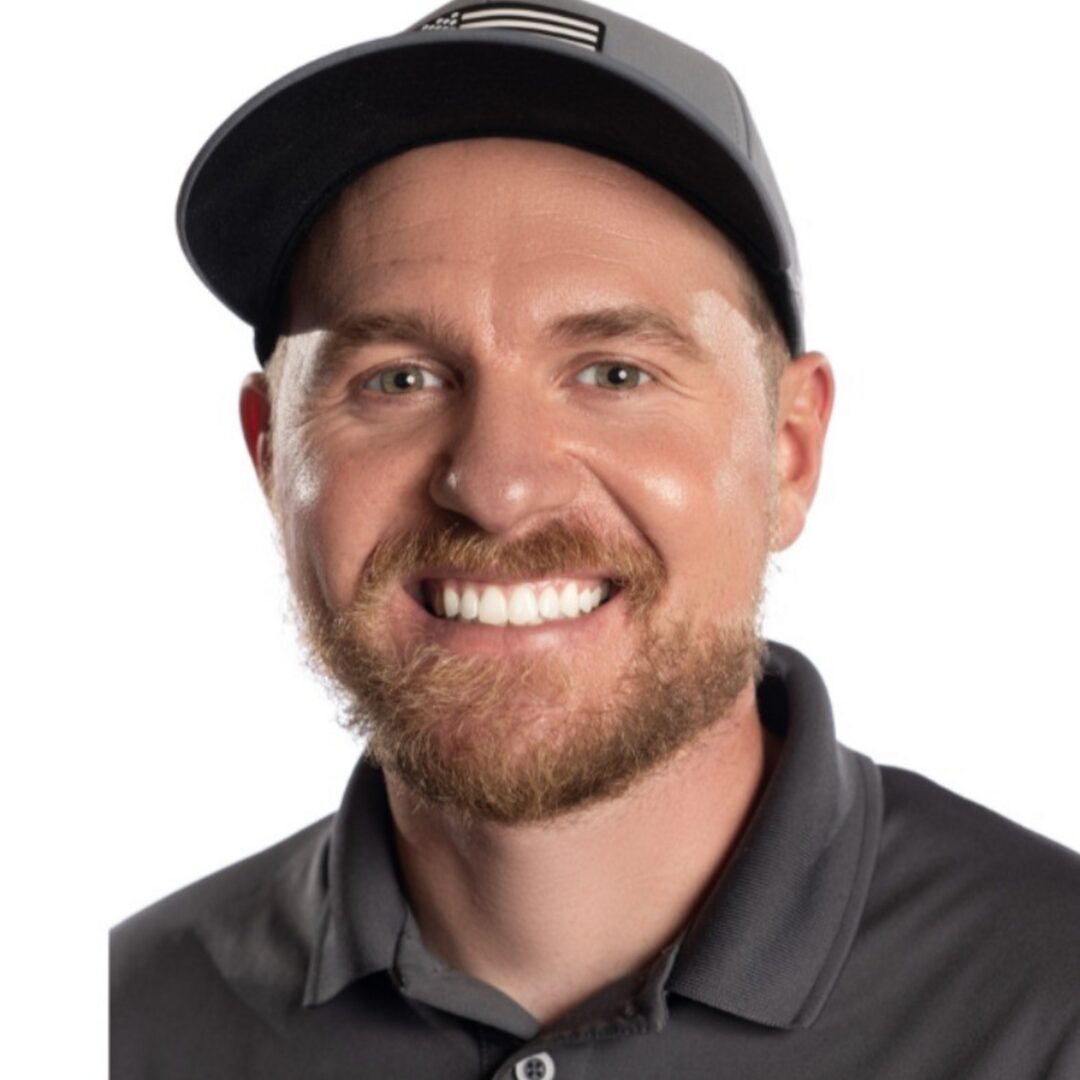
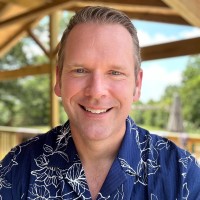
Cosmos
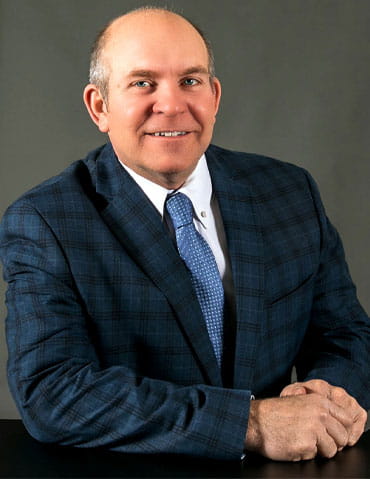
Welcome back to the show, my fellow extraordinary Americans. Today’s guest is George Perno. George is the CEO of Commercial Brokers International, which is a full-service commercial brokerage company that represents sellers, buyers, landlords, and tenants in commercial leasing, sales, and investments.
With over 30 years of experience in commercial real estate and more than $1 billion in closed transactions, George brings unmatched insight into CRE trends, STNL investments, and building financial freedom through real estate. He has been featured in The Wall Street Journal, The New York Times, and The Los Angeles Business Journal, and actively shares his strategy through YouTube and podcast content.
He’s an extraordinary American, and I’m grateful to have him on the show. George, thank you so much for taking the time to be here.
George
Well, thank you for having me, Cosmos. I’m excited to be here.
Cosmos
So George, can you tell me a little bit more about yourself, your background, and how you got started in real estate?
George
Absolutely. I actually grew up in a military family. We moved around quite a bit, actually. Born in Japan, my father served in the military for 30 years, participating in three wars: World War II, the Korean War, and the Vietnam War. However, when he retired, I ended up attending school in Los Angeles. I stayed in Los Angeles. At the time, it was a university, one of the only universities that had a real estate development school attached to the business school. Took a couple of classes there. Not really got into it.
Actually, my major ended up being marketing with a dual emphasis in business administration and entrepreneurship. I had come across an opportunity and originally started my own business, but I had a bit of downtime for a few months, which was right after graduation. I started this business in college, and it was a small business. And I had a friend who went into real estate and said, ‘You know, my company needs some short-term help right now.’ Are you interested in possibly coming in? I thought, you know, I’m not doing anything else. Why not?
So I agreed to help him out. About a week or so later, I received an offer to start a company involved in real estate auctions. The offer stood out to me, particularly when I considered the opportunities it presented, especially in comparison to my own business and its growth. I decided that was the better route for me, and it kind of fell into place by accident.
So, I started handling real estate auctions around the country for them, and I grew from there, expanding the business quickly. They grew it very quickly. I was a part of that growth. We successfully expanded our closing departments into numerous cities across the United States, but then we eventually broke off. We co-founded a real estate auction company with another company and an investor owner. We actually ended up becoming the number two real estate auction company in the nation in about two years. Following the sale of that company, we established a commercial real estate division for another owner.
Again, that company got sold. We had companies getting sold out from under us. We were too young at the time to fully understand that we should have been seeking equity in the companies we were helping to build. However, once that company was sold, we decided to start our own, marking the beginning of our next step.
Cosmos
Well, so George, this is a very interesting story, right? One of the things I wanted to ask is, what was your strategic vision from the time you started college to where you’re now, and how did it evolve over the years, including this period?
George
Well, starting college, I was a little bit unique because I actually started as an engineer, but I came to a pretty quick realization that that wasn’t quite what I wanted to do in life. As a young person, I had more glamorous ideas, especially after taking real estate development classes and similar courses at the university. Oh, I’m going to be outdoors doing this. Most of my day is still spent indoors, working as a commercial real estate agent, broker, and manager, as well as an investor. Generally speaking, I never envisioned spending all day in front of a computer screen on engineering and similar tasks.
So, I was looking into some other aspects. I knew I was always a hard worker, a hustler, so to speak, always on the lookout for opportunities, whether for myself or others. And then this came up, and I thought, you know what, Real estate is really interesting. I do like it. I like they’re going about it. I think one of the biggest mistakes I made early in my career was that no one ever told me to buy, hold, and keep buying real estate.
So as a younger person, I didn’t. And looking back, hindsight is always 20/20. I had opportunities to buy some amazing assets when I was in my early 20s, working for these companies. And yet I never did pull that trigger because I just wasn’t ready for that risk; my knowledge and risk tolerance weren’t quite up to it. Even though when I was younger, I should have had a higher risk tolerance.
Cosmos
No, I mean, risk is part of like entrepreneurship and Everything. But one of the things I wanted to know, and I’m actually, it’s coming from a place of admiration, is like you started in engineering, right? I’m asking because I used to do electrical engineering, but I realized it wasn’t for me. Now, I’m switching to something I love doing. Right.
And my question is, what was your motivational factor during that time, or that catalyst that made you realize that you wanted to do real estate as a career for the rest of your life?
George
Part of that had probably. Growing up, I didn’t have much. I wasn’t exposed to as many different options or opportunities for work. When we were in a military family, my brother chose that route, and I was also considering it. At the same time, my mother instilled in me a love for math, engineering, study, and structure, among other subjects.
So, I had two opposing forces at play: my father’s side, which leaned towards the military, and my mother’s side, which suggested engineering, math, and the sciences. And that’s all I was really exposed to. And then I didn’t really see the real estate, opportunities, or business aspects, even through the entrepreneur school. I didn’t really see those or understand those opportunities until I got to college.
And once I did, that’s where vision came into play, like, oh, you know what, that’s not really what I necessarily want to do in life. That was just the only thing I was exposed to in life. Now that I’m gaining more exposure and seeing other opportunities, I feel that this is where I really want to be.
Cosmos
I see.
So, George, I find it fascinating that you’ve had about a billion dollars in closed transactions over your 30-plus years. Right.
So, what was the mental strategy or mindset that allowed you to scale to such a level when most people wouldn’t be able to do so?
George
I think a lot of what we looked at and how we scaled our business, and when we went about it, was part strategic, part luck, like anything it seems these days. For instance, one of the first investment properties I acquired with my business partner, Joe, was a 10-unit apartment building in the heart of Los Angeles—a decent neighborhood, not high-end by any means, but not really low-end. Class C was probably a strong B or B minus asset.
And at that time, this was a two-bedroom. This was a 10-unit building, consisting of all two-bedroom, one-bath units. I believe the metrics were approximately $27,500 per door. So, we paid $275,000 on top of that, at a cap rate of about 71.5% to 73% when we purchased the property. Now, upon reflection, I realized we were overpaying, which was largely due to a lack of experience and not fully understanding the current market and historical trends. That’s the luck aspect going into it, considering that aspect.
At the same time, our business plan, when it comes to investments, has always been fairly consistent in that we aim to buy for cash flow. At the same time, I’m open to selling at any time if the right offer comes along, but I’m not actively seeking one. I’m always buying to improve my cash flow. I’m aware of my cash flow and know my investments are relatively safe, given that cash flow and the projections I’m working on.
However, if I receive an offer that makes sense or is strategically better for me, such as selling a 10-unit apartment building and using the proceeds for a 1031 exchange into a 72-unit apartment building out of state, I would consider it. And that $275,000 has grown to over $10 million in assets in just the past year. I think it’s been about 25 years since we bought that. So you know, a $275,000 or, at that time, probably about $60,000 in down payment on a 25% LTV, 25% LTV. We were able to grow that into $10 million in assets.
So, it was about finding the right properties at the right time and knowing when to sell, among other things. Now, as far as the brokerage and the growth of that, that’s just putting your nose to the grindstone and putting in the hard work, but also again, strategically deciding where to put our time and effort. Meaning one of the very first things and one of the things that’s always been taught to me is that it’s not survival of the fittest, it’s survival of the most adaptable. And over and over, that is really the truth.
So, you know, when it comes to cycles and commercial real estate, whether it’s an upcycle or down cycle, there’s always business that’s transacting. Business does not stop in down economies. It’s just that they’re contracting slightly, which presents an opportunity for agents. The agent must identify opportunities and be adaptable enough to transition between different asset classes or position themselves on various sides of the fence, so to speak. You know, if they’re a landlord rep, maybe it’s time to be a tenant rep during a high vacancy issue or similar situations. By strategically focusing our time on business development, we’ve been able to grow our business tremendously. Through our experience with real estate auctions, we gained exposure to a wide range of asset types, providing a solid foundation for understanding how different assets operate.
So, I’ve been fortunate in my career in that when I say ‘survival,’ I mean being the most adaptable. I’ve been fortunate to have had the opportunity to work with every type of asset class, completing hundreds of millions of dollars in multifamily sales, single-tenant net lease sales, and industrial sales and leasing transactions. And a lot of that is just being adaptable and understanding what’s going on.
And when you understand the basics of the business and how to look at it, then you can see where I think you can, I don’t want to say see, but you can forecast better, I think, where the next opportunity lies next year, this year, next year, three years down the road. By doing so, you can create a strategic plan of action to refocus on those asset classes.
Cosmos
So, George, is this a continuation of this, right?
So, from your perspective, how are you going about calculating risk and mitigating risk as well when it comes to dealing with hundreds of millions of dollars of transactions?
George
Well, calculating risk and mitigating risk is all about risk versus reward. So if I’m taking on more risk, I want to see that reward. So, if I’m doing an act rehab or a development deal, I’m looking at 20 plus IRRs, and it better make sense to do so. And I’m going into it. I’m planning everything out. When I look at my underwriting models, my top priority is the number one rule, which I also share with every client and apply to my own deals. What’s your exit strategy? Don’t care what you’re buying it for, don’t care what you’re using it for. Even if you’re planning on holding it forever, what’s your exit strategy? Meaning, if something were to turn and change, how are you going to get out of this transaction? What is the worst-case scenario planning? We continually explore various exit strategies for different asset classes, investments, and our clients. From there, I’m now underwriting that model based on my exit strategy, which outlines what that’s going to look like.
Thanks to my engineering background, my underwriting models enable me to quickly and easily plug in various assumptions. I can also adjust dates as needed. For instance, when acquiring a rehab multifamily deal, I consider the average lease-up rates in the area and the typical number of turnovers per unit. What’s my capex going to be for rehabbing each of those units or for the vacant ones? What’s my plan of action if I’m going to invest all the capex at once, or should I break it out based on my rental rates and use cash flow to do that? Or am I taking a loan out so I’m underwriting all of that including how long it’s going to take, how long it’s going to be stabilized for and then when I do exit out of it, I can pick and choose how many years which are then going to give me my irrs, which will then tell me exactly how much I need to offer.
So, that’s how I’m mitigating my risk: by assessing the current situation, understanding what I believe we can do to address it, and focusing particularly on the exit strategies themselves.
Cosmos
Wow, George. I mean, there’s so much to delve into here. But for the sake of the audience, I wanted to know one thing. Right? Many people believe that buying, holding, fixing, and flipping properties are key ways to become a millionaire in real estate. But many people believe that. But from your perspective, how do you go about becoming wealthy in real estate in the most efficient way?
George
Well, I mean buy and hold, I think, is probably the long-term hold, especially if you’re purchasing in the right areas, which is probably one of the better ways to create that wealth, so to speak. Fixing and flipping or AC rehab or different ways of discussing it’s going to get you the income to be able to actually purchase long term assets where you can actually hit a little bit more of a return and then put them in either cash flow plays, long term, asset plays, holding trophy type locations that may not generate as much income so to speak. Still, you’ll gain a better appreciation. Part of the analysis also involves considering whether this neighborhood will appreciate more than another, historically speaking.
And if it’s not, then I’d better have a better cash flow at the other property that doesn’t appreciate as much. I’m looking at overall returns, not just the snapshot.
Cosmos
Okay, yeah.
Because let’s say, like somebody in this audience is watching this and they’re just starting in real estate, right? They are familiar with the basics of real estate and aspire to become wealthy through it. What would be an appropriate strategy that you would recommend them to take?
George
Excuse me, sorry about that. Ultimately, the first step is to determine the risk tolerance. You’ll have to determine that. Are they looking for a high-risk place? Personally, if you’re just starting, I’d recommend taking minimal risk. I’m not looking for the big plays that could double or triple my money in a year and a half or two years from now. I would instead look for more cash flow plays. However, at the same time, depreciation is already built in. How are you going to go into it? What are you going to look into it?
You know, I think one of the biggest mistakes is that a lot of investors, especially in the single tenant net lease market, just chase the cap rate, and they think all properties are the same based on the cap rate because they have long-term leases. But ultimately it’s not just that. It has to do with the location. And I think when you really boil it down, there’s an old saying that’s been around since I think real estate was really a business, and that’s location, location, location. And it’s still true to this day. It’s the location itself that matters. There are many opportunities and potential for prime, trophy-class A-type locations. But the trade-off is that you’ll get less cash flow, but it’s a little safer and less risky.
So, when someone’s starting, they’re probably not going to be able to afford a Class A asset. But going into it, they have to understand I’m a big believer in the empathy rule. And you can call it by many different names. You know, back in the early 2000s, I think there was a book called “Everything I Ever Needed to Learn I Learned in Kindergarten,” which goes back to the golden rule: treat others as you would like to be treated. Yes, that’s what you would want to be treated like. And it’s the same with this scenario when you’re investing. You want to look at it, but also consider who your tenants are and how they’ll react. If what your expectations are. If you wouldn’t do that as a tenant, you can’t expect any tenant to do it for you as a landlord.
Therefore, it is essential to understand that even if you want or wish to do something, it may not be realistic. Really vet that out; take your own emotions and thoughts out of it. I mean, especially when you’re newer and don’t have as much experience, you really rely on the numbers themselves to make it a cash flow plate. The other thing I would say is don’t speculate, invest. Therefore, both speculators and investors are hoping for a return.
So, if you’re just buying it, thinking it’s going to increase in value, or you’re going to raise the rents without a clear plan, you’re not really investing; you’re speculating. You might as well take the money and gamble it elsewhere. You may or may not win, but an investor will have a comprehensive plan of action outlining how to increase the price, how to achieve this, and how to enhance the value. It’s realistic, based on current market conditions, terms, area, and location.
So, number one, if you’re starting in investments, the number one rule should be: don’t speculate, invest.
Cosmos
Well, I mean, this is actually, it’s very strategic the way you are. You’re going about it. It’s a rational, step-by-step process. Like a lot of people, they would just like, in your own words, to speculate.
George
Absolutely. I mean, there’s obviously some speculation, because you have to understand and feel where the trends are headed, so to speak. However, you can support that with analytical data. You know, when we start looking at whether I’m investing in QSRs, or Quick Service Restaurants, or fast food, I’m looking at AUVs, not just for this year, but for the past few years. I’m looking to mitigate the risk. Is this a growth opportunity?
How many stores have they opened up in the last year? How many have they closed? What’s their strategic look going forward? And that’s where your experience comes into play, where you’re able to identify certain types of models that might be of more growth or be able to succeed better than others.
And so that’s where it all interplays. But at the same time, even if I feel great about a particular tenant that I want to start investing in as one of my tenants, and because I feel that they’re going to explode in growth and therefore have a really nice cap rate compression and then achieve appreciation that way, M. I’m still vetting it out, I’m still looking at it because even though I may feel that way, that may not necessarily be the way that everybody else feels. And I think that’s also another area where you have to trust your gut. However, don’t act solely on your own beliefs or feelings. Actually, conduct a market study to see what’s actually happening within the industry.
Cosmos
No, totally.
George. And George, I wanted to know about your time in the real estate industry. What are some of the biggest lessons you Learned during your 30-plus years in this field?
George
Well, it depends. Are we talking about investing, or are we discussing brokerage services in general?
Cosmos
Throughout your career, you must have encountered some profound revelations or valuable lessons. Like what do you, what were some of the greatest ones?
George
I don’t know about deep revelations, but I think one of the biggest things I try to train and teach agents and investors is that your most valuable asset is time —a principle that applies across the board in life. It’s the one thing that we can’t replace. It’s the one thing everybody has, but what makes it valuable is how you utilize it and what you do with it.
And so it’s make sure that if you’re going to spend time in that or chasing that asset or chasing the commissions, if you’re a broker chasing that deal, so to speak, make sure that your time is actually going to be compensated. The time that you put into it, if it’s going to be a much more complicated deal, you’re going to spend a lot more time. I expect a much greater return on it.
At the same time, if it’s an easy, quick one-off transaction or deal that I can maybe flip in and out of. I’ve done those on both the investment and brokerage sides, where I had the opportunity to assist someone in need. We typically do not engage in lending. This is the first personal private hard money loan I’ve ever taken out. But the risk was very mitigated in it. And we’re giving them less than or about 10% of the total cost. There was no other debt on the structure, but they needed the cash to pay some back taxes to facilitate the sale and transaction. However, by doing so, I was able to determine that the IRR on that deal was at a point because it involved hard money, along with the points and other factors. Even though it was only two months in, my overall IRR ended up being close to about 70%.
So not a bad return for two months. Right. We’re looking at the time value of money. It’s where it is. It didn’t take much time on my part. It was a lot riskier. Any kind of debt financing is available, but the risk is mitigated simultaneously. So we pulled the trigger and did it. Suppose I’m looking at a ten-year investment horizon for a particular property. In that case, I need to see significant appreciation or a clear plan to reposition the asset at the end of that period to achieve substantial returns. And that’s the only reason I would necessarily look at an investment horizon that long.
That’s part of the whole actor that we look at. Your time is your most valuable asset, so make sure it’s worth it. If you haven’t noticed, I like to use a lot of analogies. So, make sure the juice is worth the squeeze, as your time is the most valuable asset.
Cosmos
So George, it’s so interesting that you mentioned time. Right. From my time with Extra America, I know it was about financial freedom. But as I started doing this and conducted numerous interviews, I realized that, unlike finances, time is a non-renewable resource. Like, once your time is gone, you can never get that back.
And it is actually more valuable. Financial freedom also means having the freedom to choose your time. And it’s something that most people don’t get. Like most people, they just waste their lives doing mundane things. But ultimately, you only have this one life, with only so many hours and years to live. And it’s just something that was a revelation to me over the years.
George
Absolutely. Actually, I just heard a quote last week at a conference that I don’t know who to attribute it to, and if I misquote it, I apologize. But it was people without wealth who bought things; people with wealth bought time.
So you know they’re spending, that’s what they’re trying to buy. You know the people who are really, truly wealthy. If you think about it, what are they really buying? You know, they’re buying people assistance to help them free up time, so they can spend more time doing what they love. What they love may be business, which provides them with more opportunities to create wealth, or simply playing. I have a client who successfully repositioned all her key assets, which she had invested significant time in.
The passive income assets increased her overall net operating income by nearly 30%, enabling her to retire and pursue her lifelong dream of creating a non-profit in which she is deeply involved. She is loving life right now because she has the time to do what she wants. So that’s what truly wealthy people end up doing. It’s not about buying assets or things; it’s more about how I can reclaim time.
Cosmos
Wow, George, that actually, even though I know this well, hearing this from you in the way you’re saying it, it’s pretty profound because we’re always trying to get like the, like whatever time we can, and most people don’t have that. They don’t value it, and it’s definitely something that needs to be mentioned.
George
Yeah, no, I, ah, absolutely. I see this quite often, and it’s kind of like this: I know an associate who was going to a conference, and when they landed, they didn’t rent a car. This associate has performed exceptionally well and is a highly respected individual within the community.
However, when he landed, he faced a significant challenge: a two-and-a-half-hour drive. Everybody attending the conference rented a car and drove. This gentleman rented a driver to work for the two and a half hours each way, which cost him probably six times more, or possibly ten times more, than renting a car would have been.
However, at the same time, that’s what he wanted to do: buy his time back to allow him to work while he was doing it, as opposed to driving during that time, which then freed him up when he was there.
Cosmos
No, Jordan, I mean this has to be mentioned again, at least to the audience that wants to be wealthy and have as much time as possible, because they value time. In contrast, the Middle class and poor people don’t value their time.
But when it comes to this. George, is there something the wealthy know that the middle class doesn’t? That new thing needs to be mentioned.
George
Oh, don’t get me wrong. I’m totally middle-class. No. That’s as far as I think. As more investors enter the market and examine it, I believe one of their biggest mistakes is viewing their investments not as investments, but as acquisitions they’re about to make. To purchase and forget about it. You know, it’s maintaining it. When I work with clients on their investments, I always ask, “Why’d you buy the property?” It’s an investment. As an investment, would you forget about a piece of stock you bought 20 or 30 years ago and never look at it again? Probably not.
So treat your investment as you would any other investment. You should always be determining whether or not there’s a better asset that’s going to give me a better return, because ultimately, what you bought it for, you didn’t buy that multifamily building because you wanted to live in it necessarily, or you wanted to be in that neighborhood for that specific building that you love. Very rarely does that happen. You didn’t buy the strip center because I specifically needed that one. You bought it for an investment. So, as an investment, you should calculate all the actual investment opportunities available. You know, if you’ve already done it. Perhaps you can use that appreciation to go out, purchase something, increase your basis, and have better depreciation, all while maintaining the same initial cash flow. You’re going to put more money in your pocket because you have better tax benefits that should be taken into consideration all along.
And I see that happen quite often, where someone will sit there and say, Yeah, I bought that apartment building like 30 years ago for $150,000. And like, yes. And they’re like, well, I’m doing great. It’s returning 150,000. I’m getting like a 100% return. Like, no. You may be on your initial cash investment. Yes. However, you have over $3 million in equity. You’re really getting a 3% return.
And I can change that to a 5% return by exchanging it, so. Or 6% or 7, whatever it may be. Therefore, this should be done continually. It doesn’t necessarily have to be every year, not every six months. Or so. However, review your assets and investments every few years to determine if they are performing as expected. Not as well as you expected, but comparable to other potential investments.
For instance, when someone says, ‘Would you sell your property today, even if it’s at a loss?’ I might sell it if I can get a better return elsewhere. If the market’s down and it results in a slight loss, I still have the equity in there. Guess what? But all the other properties are probably down as well. And if I did my job right, and I have a better located property that’s considered more of a trophy type asset because of the location itself, I’m going to be able to, even in a down market, sell mine for better than what another asset I can exchange into and get a better return for.
We are consistently and continually looking at investments, whether they are up, down, or whatever the case may be. It’s not so much that I can exchange it for a better return.
Cosmos
I see. No, yeah, this, this is actually. This is good stuff, George. There’s a lot to know. It’s just like there are so many levels to it, right?
People in the six-figure and seven-figure income brackets tend to think at a certain level. People in the eight- and nine-figure range think on a different level, and it’s all about mindset and how they view things.
George
Yes, it’s definitely a matter of mindset. I think it’s about understanding that the asset is tied to the original motivation for purchasing the property, and then comparing that with your current motivation. Like, you know, what’s your life looking like? What are you trying to accomplish? Where are you at? You know, I work with younger investors who might be looking for a more appreciation-driven investment, and they’re willing to take on more risk.
Meanwhile, older investors might be more concerned about long-term cash flow and asset preservation. And we can. Various types of assets can be utilized to achieve the desired return and meet the goals they are trying to accomplish.
So, it’s about determining their exact goals and then identifying the right asset to achieve them.
Cosmos
So, George, on another note, from your perspective, what is your version of realizing the American Dream? What does the American dream mean to you?
George
Well, I think ultimately, once you hear the American dream is dead, all the time. I don’t agree with that at all. I think that this is the land of opportunity. I think ultimately, when it comes to the American dream, though, a lot of that, if you can boil it down, and it’s what America was built on, is freedom.
You know, the freedom to be able to do and pursue and chase what you want to do and be able to do it and make a living doing it, it, I think that especially when you start looking at other cultures and other countries around the world, people going into their, exposed to what they, their family knows and that’s what they end up doing many times and a lot of times that’s where it goes in. However, there are also the dreamers, who are hindered by either financial or political issues, making it impossible for them to pursue their dreams or create something. That opportunity is here. I believe many people claim the American dream is no longer attainable because they’ve overlooked one of its fundamental elements.
And that’s sacrifice. You know, if you look at everybody who has actually accomplished that American dream, they had a sacrifice at one time. I mean, it may involve juggling three jobs, getting through it, and putting in a lot of time, energy, and effort. You know, I either met this person or didn’t, but I heard about them, and what I heard was very profound. I heard from another associate of mine who has started another company and is doing extremely well with it.
And one of the biggest issues over the last decade is work-life balance, right? And he came in and said, You know, I would argue that I, right now in my career. Well, actually, what he started with is he was talking about, like, when I was younger, I would put in 12, 18-hour days, as did I. I just worked, and I made use of that time that I had because that’s what that was, my asset. I didn’t have kids, and I didn’t have a family taking up my time.
So I had a lot more time to do things. I could have gone out, played, and then headed to happy hour after work to drink and do whatever. I decided to dedicate my time and energy to advancing my career. That was my sacrifice. His sacrifice was very similar. Now in his 40s, he has a company worth several hundred million dollars. He is working part-time. When asked about work-life balance, he said, “Well, you know, back when I was younger, all I had was time.” So I put in the time and paid my dues. I sacrificed that time to achieve a better work-life balance. Now I can retire at any time. I have never said this, but he claims I could retire at any time. I have never missed any one of my child’s performances. We have always had multiple family vacations every single year since the day they were born. I have volunteered at their schools. I attend all the performances and sports events. I would argue that I have a better work-life balance than anybody else my age. And he’s right, you know, but he made that sacrifice ahead of time. He made it when he was younger.
So get it. People love to have a work-life balance. People love to have that time off. But when your most valuable asset is time, and that’s the majority of what you have, then that’s what you should be using to grow your career or grow your investments. And I think that’s where the American dream has faltered, in that people forgot about the sacrifice. I remember my parents coming into the country. My father and grandfather were immigrants who moved to the U.S. in 1897. My mother is the first generation out of Japan, and all immigrants came to the U.S. with nothing in their hands, literally. My grandfather was a coal miner and ended up passing away from black lung disease. My father built his life and changed the family’s status by making sacrifices, giving back, and taking on various responsibilities.
And that was something we were taught. You know, the American dream is why people often overlook the fact that they have to pay for it in one way or another. And usually, that involves some sort of sacrifice initially, whether it’s your time, hard work, or taking on a second job. You may have a job right now to pay your bills, but if you want the dream, you have to work on it in the evenings and at night. That’s where it’s vaulted. But the American dream is strong and alive out there.
Cosmos
Well, George, I love that you mentioned sacrifice. And it’s particularly relevant because many people want to become successful, but they’re not willing to make the necessary sacrifices to achieve it.
Like many people, when they see successful individuals or multimillionaires, they often assume that they don’t see the hard work that went into their success.
So I appreciate you mentioning that—the sacrifices.
George
Yeah, no, absolutely. I mean, it’s. And I think that goes across the industry. I mean, if you look at it very closely. Even in the entertainment Industry. For instance, we’re in Los Angeles, so we deal with some entertainment professionals. But what’s interesting is that when you see a star that rises, a lot of people are like, Oh, wow, where’d they come out of? They were found. They were, you know, whatever.
And so people want to come to Los Angeles, and they want to be that star who’s going to be found. Well, the bottom line is that a found person who was a star may have been working for the last 5, 10, or 15 years, honing their craft in theater and pursuing various endeavors. And the ones that don’t succeed are the ones that are looking to be found, be discovered. So it’s that sacrifice that you put in to really, if you’re going to be at the top of your field, you have to, at one point, give some sort of sacrifice. It just doesn’t happen.
Cosmos
That is amazing, George, and I’m so glad you’re discussing it.
George, could you tell me a bit more about your company, Commercial Brokers International, and what it does?
George
Absolutely. So, when he sold that company, the new company was not allowed to engage in commercial real estate under its branding and name. They were also closing the commercial real estate department. That was on December 9, 2005. We were told we’re closing on December 31, 2000, and December 31, 2005.
They were also really kind, allowing us to use some of their office space until we could establish our company. Given the short-term nature of the arrangement, they provided us with the opportunity to work in their office space afterward and build our company’s infrastructure from there. Initially, when we started, we didn’t mean to start our commercial brokerage, Commercial Brokers International. Since launching this new division, we’ve recruited and trained numerous agents who trust us and our vision for real estate and the brokerage model. They believe in our approach.
And when this happened, we were like, “Initially, when we first got the call, my business partner said, ‘You know what? ” We have our investment company, let’s continue with that. It’s growing, we’re doing well, let’s just do that. About two hours later, we met again at lunch, and we both looked at each other. We were skiing with some of our agents at the time. We both looked at each other, wondering, “What are we going to do with the agents who trusted us and came on board?”
So I immediately started making some phone calls, trying to find different shops that would take them on. I was able to place some of them. Some agents involved in multifamily investments may remain on board because their work was carved out due to its residential component. They were allowed to stay at the company and continue doing so if they wanted to.
But then a handful of agents came to us and said, You know, you guys, you have your broker’s license. If you start a company, we’ll be there to support you. Although that wasn’t what we initially thought about or wanted to do, we felt it was the right thing to do. These are people who trusted us. They came on board with us. Then we will do this. And that’s been a 10 out of all our investments and companies. It’s to do the right thing.
You know, I’ve been taking some coffee here. It says Pono Asset Management is our holding company. Pono is the Hawaiian word for essentially to do the right thing. And so, we took that to heart, and we brought the agents in. But we also looked at the company and said, Well, how do we want to position this company to be able to compete against all the national firms, but also more importantly, to address the issues that we saw that we felt in commercial real estate that were not good for the client or the agent.
So, we took out everything we didn’t like from every company we’d ever worked at, threw it out, and said, “Let’s redo it.” Let’s restructure it to something fair on both sides. We now have a full-service brokerage company with agents specializing in various areas, including sales, leasing, and a range of asset classes. We currently have 20 agents on board, but we have a total of 27 agents in our team. During the COVID-19 pandemic, our marketing efforts enabled us to attract national and international clients looking to expand into the Los Angeles market.
But we kept losing them. Once, they expanded outside of our market. So we wanted to compete against the national. We established an affiliate network comprising 27 offices nationwide, covering all major metros. This setup enables us to operate in all 50 states and, more importantly, have a physical presence when our clients require it, allowing us to compete effectively against national firms. And now we’re winning those contracts and awards as a result.
So, it’s strategically based, but it also addresses issues we’ve noticed that we didn’t like. For instance, the training methodology in commercial real estate is designed to favor younger agents, who receive the highest commission split and generate the most leads. This approach aims to keep seniors happy.
So the training is relatively limited. You know, there’s an old school term in commercial real estate: siloing, where they would silo you. Some of the big firms teach you one thing, but they wouldn’t teach you the whole encompassing commercial real estate and how to conduct your business. They teach you either analytics, sales, management, or other relevant skills.
So you could never leave that company because you only knew part of it, not all of it. Wow. So we didn’t like that. We’re like, you know. Yeah. Ah. When I started in commercial real estate, we lacked the necessary training. We didn’t really have that. We had a good morning. Mentors who would teach us about business, how to structure the business, and how to grow the business. But we didn’t have anyone who could teach us the actual real estate aspect of it.
So we had to figure all that out on our own. And this is back in the day when information was not necessarily that available. And from that, one of the things we want to address is the issue at hand. Our company has a training class schedule set up, offering sessions five days a week from 8:30 to 9:30 for new agents. We also conduct follow-up sessions on Tuesdays and Thursdays in the evening, focusing on cold calling and other aspects of business development. We set it up so that aspects we didn’t like, such as commission structures, are fairer to both the company and the agent, with a greater emphasis on the agent’s interests. We restructured all these little things we didn’t like and said, “This is how we want to go about it,” and that’s kind of what we’ve done. I believe we have a solid business model that can help newer agents succeed in the industry.
George
And an even better model for midsize agents looking to take their business to the next level. I mean, getting started isn’t the hard part; it’s actually getting started in commercial real estate. As for the brokerage side, it’s not that hard. Although it is challenging, getting started in commercial real estate brokerage is easier than advancing to the next level. You know, at a certain point, you’re going to be known for doing the deals that are, if you’re in leasing, like 1500 to 2500.
However, if you want to reach the 10,000 square foot deal, with a more corporate structure, that’s a significant leap to make if you don’t have a strategic plan in place for where you’re going. Same with investment sales. It’s really easy to fall into that 2 to 5 million niche, but that’s also where the majority of the properties are. You might want to consider staying in that niche. At the same time, if you want to grow it to where you’re doing assets that are larger in the 10 to 20 to 30 million range, that’s a big jump and harder to make.
So, it’s about strategic planning and how you approach it. And that’s kind of the support that we give to our agents. One thing we’ve always lacked in our brokerage company since its inception is something we now offer. We actually meet with every single agent and go over their goals and business plans every year. How does it look compared to last year? Are you hitting or achieving your goals, or has something changed that you don’t want to happen? Your goals or business plan may have changed, and you want to adjust your approach. We’re here to help you achieve that. That’s what it looks like; you know, it’s a lot larger because, from our perspective, there are two ways to make money as a brokerage company owner. One way is to maximize the agents’ value by nickel-and-diming them over every little fee and similar expenses. Or, if I can support them and help grow their business, then, guess what, we both win. They make more money, I make more money, we’re all happy. That’s the approach I’d rather take. I’d rather take the approach of supporting you and providing you with every tool you need to succeed.
I’ll also help you grow your business by drawing on my own experiences, what other agents have achieved, and the insights I’m gaining from them, as I continually learn and improve through regular meetings. Last week, I attended a conference and came away with a half dozen great ideas that I’m going to investigate. I’m hoping to keep one or two.
Cosmos
For them to implement that is amazing, George.
And George, I also know that you have a YouTube channel and a podcast. Can you tell the audience a little bit more about that?
George
Yep. Our YouTube podcast channel is primarily geared towards investors, discussing how they got started and how they’re growing their businesses. On the brokerage side, my business partner also has a podcast, Numbers, which was recently launched. He was actually the number one commercial real estate YouTube channel, specifically geared toward that audience. But it’s all for him; a lot of it is about training agents and getting them up to speed, explaining how to look at things. Sometimes it’s not so much about doing something wrong, but rather how you perceive it. Much of that is what he does.
A lot of what I do on my channel is geared toward investors. How did you get started? How do you grow? You know, because it’s the same on the broker side as it is on the investment side. It’s relatively easy to start investing in small, two- to four-unit apartment buildings, single-family homes, or similar properties.
But then, how do you scale up from those two- to four-unit buildings to a 100-unit apartment building, or expand to a strip center? How do you take that next step? And that’s kind of what we gear our channel towards, like those people who are getting started, but also those who are looking to take the next step and elevate what they’re trying to accomplish.
Cosmos
That is amazing. Jordan. I would recommend that anyone listening to this definitely take a look and gain a better understanding of real estate. And George, how can people watching this connect with you and learn more about your work? And if they wanted to reach out to you personally, they would.
George
Reach out to me personally. The easiest and fastest way to reach me is probably through my email at cbicommercial.com or on LinkedIn. Just search George Pino. Be aware, though, that there is another George Pino who owns a commercial brokerage company in Miami. Yep, absolutely, absolutely.
And you know, he had a good brokerage company. He’s currently dealing with some personal issues. But yeah, that’s not me, actually. I had a. About two weeks ago, I was on a tour, and the agent looked at me and said, “Have you ever Googled your name?” And I was like, yes, I have. And I actually said yes.
And I know where you’re going with it. I don’t Google my own name, but I know where you’re going with this. And I said, yeah, if you Google just my name, you’ll find a lot of information. Because of the issues that he’s been running into. And she says, ‘I wasn’t sure if I was meeting him or you.’ And I was like, “What is this?” What’s going on? I was like, well, you know, you’re meeting the West Coast GP.
Cosmos
George, I’m so glad and grateful that you took the time to come to this podcast and share your knowledge and wisdom about real estate. I hope you’ll take the time to come back on a later date, as I’d love to see you again. What? This is pretty amazing.
George
So, you know, I had a great time, Cosmos, and I appreciate the invite. It’s always great to be on these. It’s. Thank you so much.
Cosmos
And I want to conclude this episode by letting my fellow extraordinary Americans know that, hey, look, there’s an extraordinary within every one of us. Us. It’s our duty to awaken it and unleash it. Until next time. Bye for now.

 Amazon Music
 Apple Podcasts
 Audible
 CastBox
 Castro
 Google Podcasts
 iHeartRadio
 Listen Notes
 Overcast
 Player.fm
 PocketCasts
 Spotify
 Stitcher
 TuneIn